


The lab grown diamond engagement ring cost in 2026 depends on much more than the size of the center stone. Buyers comparing rings will notice that two diamonds with similar carat weights can have noticeably different prices. Diamond shape, cut characteristics, color, clarity, certification, setting style, metal, and overall craftsmanship can all influence the final amount.
Lab grown diamonds are real diamonds created in controlled laboratory environments rather than formed naturally underground. Because their origin differs, their pricing can differ significantly from comparable natural diamonds. This has made lab grown engagement rings an option for buyers who want to balance diamond specifications with a particular budget.
Antiquecut is one brand offering lab grown diamond jewelry, and its range also demonstrates how different diamond shapes and ring settings can produce different price points. Before deciding how much to spend, it helps to understand the factors behind the lab grown diamond engagement ring cost. Rather than focusing only on carat weight, buyers should evaluate the complete ring and the characteristics of the center diamond.
What Is the Lab Grown Diamond Engagement Ring Cost in 2026?
There is no single price that applies to every lab grown engagement ring. The lab grown engagement ring price can range from relatively affordable designs to considerably higher-priced rings featuring larger diamonds, premium specifications, intricate settings, and precious metals. The final cost generally consists of several components:
- Center lab grown diamond
- Diamond shape and specifications
- Ring setting
- Accent diamonds, if included
- Precious metal
- Certification
- Craftsmanship
- Brand pricing
- Customization
- Current market conditions
Lab Grown Engagement Ring Cost Factors
| Price Factor | How It Can Affect Cost |
|---|---|
| Carat Weigh | Larger diamonds generally require a higher budget |
| Shape | Different shapes can have different pricing |
| Cut | Cut quality and proportions affect appearance and price |
| Color | Higher color grades can increase the price |
| Clarity | Higher clarity grades can cost more |
| Certification | A recognized grading report adds documentation |
| Setting | Detailed settings generally require more materials and labor |
| Metal | Gold and platinum options have different costs |
| Accent Diamonds | Additional stones increase material and setting costs |
| Customization | Personalized designs can add craftsmanship costs |
| Brand | Retail pricing varies between jewelry companies |
This is why simply asking for the price of a particular carat weight does not provide the complete picture.
What Determines Lab Grown Diamond Price?
Several characteristics influence the price of the center stone. Understanding these factors can make it easier to compare diamonds with similar specifications.
1. Carat Weight: Carat weight is one of the most obvious factors affecting diamond pricing. A higher carat weight generally means a larger and heavier diamond. However, carat weight should not be confused with visible size. Two diamonds with the same carat weight can have different measurements and proportions.
2. Diamond Shape: Does diamond shape affect lab grown diamond price? Yes, shape can influence the price of a lab grown diamond. Round diamonds often have different pricing from fancy shapes such as oval, cushion, pear, radiant, emerald, and marquise. Choosing a shape based only on price may not produce the best result.
3. Cut and Proportions: Cut is another important factor. A diamond's appearance is influenced by how it is cut, including its proportions, symmetry, polish, and facet arrangement. For round diamonds, grading systems can provide a useful way to compare cut quality. Fancy shapes require more individual examination because there is greater variation between stones.
4. Color Grade: Color is another component of diamond pricing. The color scale for traditional white diamonds moves from higher color grades with less noticeable body color toward lower grades with more visible warmth. You do not necessarily need to select the highest available color grade.
5. Clarity Grade: Clarity describes the internal and external characteristics found within a diamond. Higher clarity grades generally command higher prices. But a higher clarity grade does not automatically mean a better choice for every buyer. For buyers trying to manage the lab grown engagement ring price, comparing eye-clean appearance can help balance clarity and cost.
How the Ring Setting Changes the Total Cost

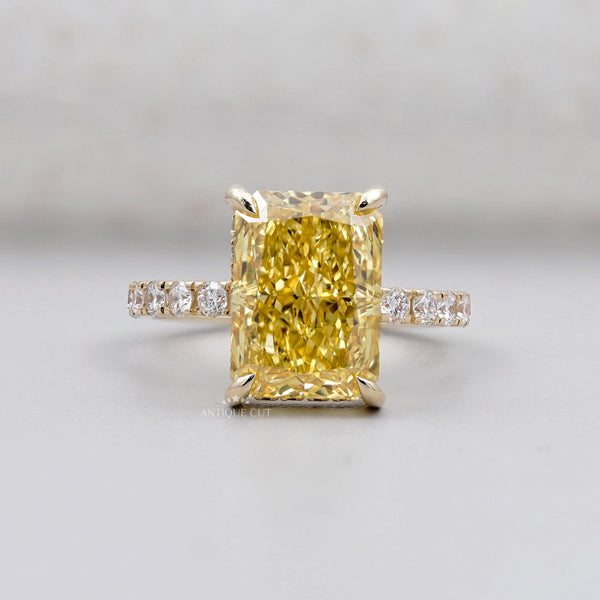

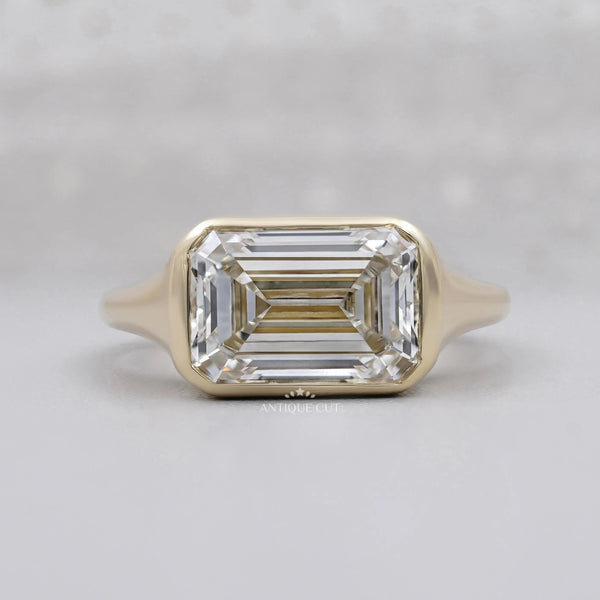

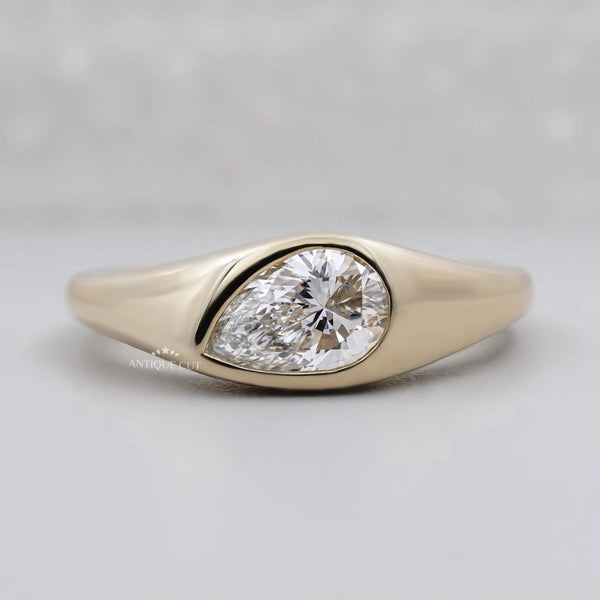

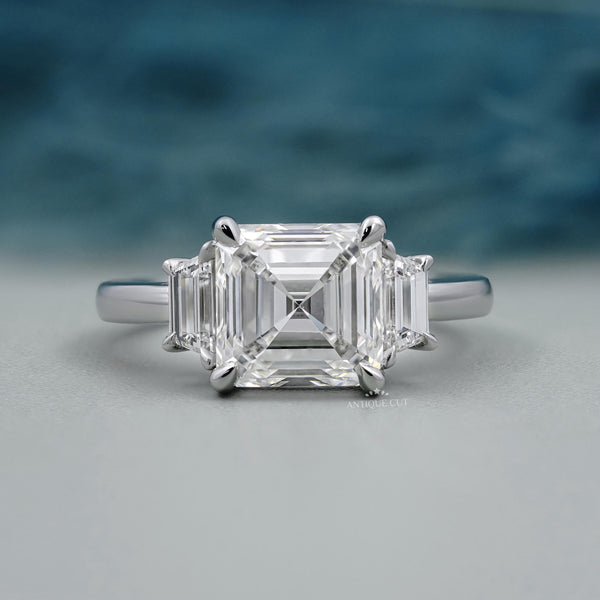


The center diamond is only part of an engagement ring. The setting can significantly affect the final lab grown diamond ring cost.
Solitaire Settings: A solitaire features a single center diamond. Because there are fewer additional diamonds and less decorative metalwork, more of the budget can potentially be allocated to the center stone. This can be useful for buyers who prioritize center-diamond size.
Pavé Settings: Pavé rings feature small diamonds set along the band. The additional stones and labor contribute to the total price. A pavé setting can also change the visual character of the ring without requiring a much larger center diamond.
Halo Settings: A halo surrounds the center diamond with smaller stones. This adds additional diamond weight and setting work to the ring. The final cost depends on the number and quality of the accent diamonds as well as the center stone.
Three-Stone Settings: Three-stone rings feature a center diamond with two additional stones. The additional diamonds increase the material cost, while the proportions of all three stones influence the final design.
Hidden Halo Settings: A hidden halo places small diamonds underneath the center stone. This type of setting adds additional detailing while keeping the main top view focused on the center diamond.
Does Diamond Shape Affect Lab Grown Diamond Price?
Yes. Does diamond shape affect lab grown diamond price? Absolutely. Different shapes can carry different market prices even when their carat weights and grading specifications appear similar. Round brilliant diamonds frequently command a premium compared with many fancy shapes.
Common Shape and Pricing Considerations
| Diamond Shape | Typical Price Consideration | What to Compare |
|---|---|---|
| Round | Often carries a premium | Cut, symmetry, proportions |
| Oval | Can offer strong face-up coverage | Length-to-width ratio, bow-tie |
| Cushion | Often competitively priced | Facet pattern, outline, depth |
| Emerald | Pricing varies | Clarity, length-to-width ratio |
| Radiant | Can provide strong visual coverage | Symmetry and proportions |
| Pear | Often offers an elongated appearance | Symmetry, tip protection |
| Marquise | Long face-up appearance | Bow-tie, symmetry, pointed ends |
| Princess | Square outline | Corners, symmetry and setting |
The shape should therefore be selected according to both appearance and budget. For example, a buyer who wants substantial finger coverage may compare oval and radiant diamonds rather than automatically choosing a round diamond.
How Metal and Certification Affect Lab Grown Engagement Ring Price
The ring's metal also contributes to the final cost. Common options include:
- 14K white gold
- 18K white gold
- 14K yellow gold
- 18K yellow gold
- Rose gold
- Platinum
Metal prices, purity, weight, and manufacturing requirements can all affect the finished ring. Platinum, for example, generally has a different pricing structure from gold.
Certification:
Certification can also be an important consideration when comparing diamonds. A grading report provides information about the diamond's characteristics, such as:
- Carat weight
- Color
- Clarity
- Measurements
- Shape
- Cut information where applicable
- Polish
- Symmetry
When comparing two diamonds, confirm that you are evaluating comparable documentation and specifications.
How to Manage Your Budget in 2026
Instead of deciding on a carat weight first, establish your total budget and then determine which characteristics matter most. For example, you might prioritize:
Priority 1 Center Diamond Size: If size is your main concern, consider a simpler solitaire setting and compare elongated shapes such as oval or pear.
Priority 2 Diamond Quality: If color and clarity matter more, you may choose a smaller center diamond with stronger specifications.
Priority 3 Ring Design: If the setting is the most important feature, allocate part of the budget toward pavé, halo, hidden halo, or three-stone construction.
Priority 4 Metal: Decide whether gold or platinum best suits your preference and budget.
Does the Metal Affect Lab Grown Engagement Ring Price?
Yes. The choice between 14K gold, 18K gold and platinum can affect the final price. Factors include:
- Metal purity
- Metal weight
- Current metal prices
- Ring construction
- Design complexity
- Manufacturing requirements
Platinum settings can cost more than many gold settings because of the metal itself and the construction involved. Gold provides several color options, including:
The metal should be selected alongside the diamond's color rather than independently.
Smart Ways to Compare Lab Grown Diamond Prices
When comparing lab grown diamond engagement ring cost, avoid comparing only the advertised carat weight.
Compare Measurements: Look at length, width, and depth rather than weight alone.
Compare Shape: Different shapes can have different pricing and visible coverage.
Compare Color and Clarity Together: A slightly lower grade may provide a similar visual appearance at a lower price.
Check the Setting: A low-priced center diamond can still result in an expensive ring if the setting includes numerous accent stones or complex craftsmanship.
Verify Certification: Make sure the diamond report corresponds to the stone you are considering.
Compare the Complete Ring Price: Check whether the listed price includes the center diamond, setting, accent stones, metal, certification, and other applicable costs.
CVD vs HPHT: Does the Growth Method Change Price?
Lab-grown diamonds are primarily produced using CVD or HPHT technology. The growth method can appear in the diamond's grading documentation, but buyers should not assume that one method automatically produces a better engagement-ring diamond.
For finished certified stones, current market sources indicate that the price difference attributable solely to CVD versus HPHT can be relatively small compared with the effects of carat, color, clarity and cut. The individual diamond's actual quality remains more important than choosing a growth method based solely on its name.
Conclusion
The lab grown diamond engagement ring cost in 2026 is determined by a combination of factors rather than one specification. Carat weight remains important, but diamond shape, cut, proportions, color, clarity, certification, setting, metal, accent stones, and craftsmanship can all change the final price.
For buyers working with a specific budget, the best approach is to decide which features matter most. Someone focused on center-stone size may benefit from a simple solitaire and an elongated diamond shape. Another buyer may prefer a smaller center diamond paired with a detailed pavé, halo, or three-stone setting.
It is also important to compare diamonds based on their complete specifications rather than relying on carat weight alone. Two stones with identical weights can have different measurements, proportions, appearances, and prices.
When evaluating lab grown diamond engagement ring cost, review the grading documentation, compare measurements, examine the diamond's actual appearance, evaluate the setting, and check the complete ring price. By considering all of these factors together, buyers can make a more informed decision and choose a lab grown engagement ring that fits both their preferences and their budget.
Design Your Own Jewelry with Antiquecut
Frequently Asked Questions
1. What is the average lab grown diamond engagement ring cost in 2026?
There is no single average price that applies to every ring. Cost depends on carat weight, shape, color, clarity, cut, setting, metal, certification, and current market pricing.
2. What determines lab grown diamond price?
Carat weight, shape, cut characteristics, color, clarity, measurements, certification, and current market conditions can all affect the price.
3. Does diamond shape affect lab grown diamond price?
Yes. Different shapes can have different pricing because of cutting requirements, market demand, manufacturing yield, and availability.
4. Is a larger lab grown diamond always more expensive?
Generally, larger diamonds require a higher budget, but carat weight is not the only pricing factor. Shape, color, clarity, cut, and other characteristics also matter.
5. Does clarity affect lab grown engagement ring price?
Yes. Higher clarity grades generally cost more, although buyers can often find eye-clean diamonds at lower clarity grades.
6. Does color affect the cost of a lab grown diamond?
Yes. Color grade can influence the price. The appropriate grade depends on your preferences and the metal used for the ring.
7. Does the ring setting affect lab grown diamond ring cost?
Yes. Pavé, halo, three-stone, and other detailed settings require additional materials, diamonds, and craftsmanship compared with a basic solitaire.
8. Are lab grown diamond engagement rings cheaper than natural diamond rings?
Lab grown diamonds are generally priced lower than comparable natural diamonds, although the exact difference varies according to specifications and market conditions.
9. Should I spend more on the diamond or the setting?
This depends on your priorities. Buyers focused on center-stone size may prefer a simpler setting, while those who prioritize the overall ring design may allocate more toward the setting.
10. How can I reduce my lab grown engagement ring price?
Compare different shapes, consider measurements rather than carat weight alone, evaluate eye-clean clarity, choose a suitable color grade, and compare simple versus detailed settings.


