


Choosing the right art deco engagement rings can feel exciting and confusing at the same time. Many buyers fall in love with the bold lines, geometric details, and vintage-inspired appearance these rings offer, but finding the right one often becomes difficult because there are so many settings, diamond cuts, metals, and design variations available today.
Some people want a genuine vintage piece from the 1920s. Others prefer newly made rings inspired by the Art Deco period. Some buyers focus on diamond quality, while others care more about the ring’s design and personality. With so many choices, it becomes important to understand what truly makes an Art Deco ring special before making a purchase.
This guide breaks everything down simply and practically so you can confidently choose a ring that fits your style, lifestyle, and budget.
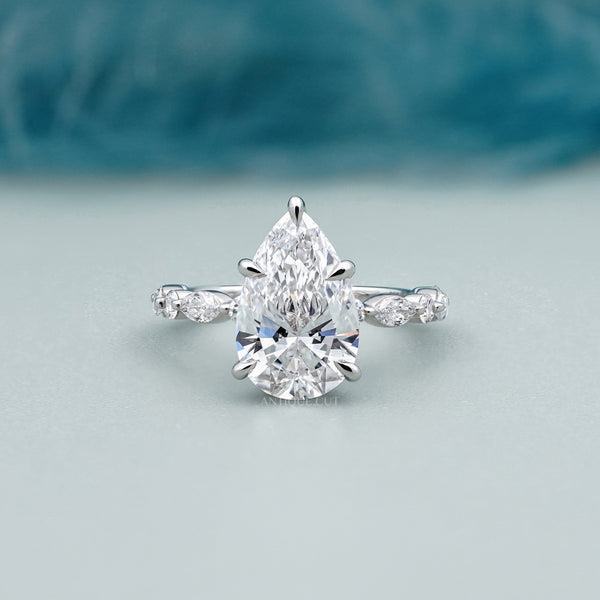
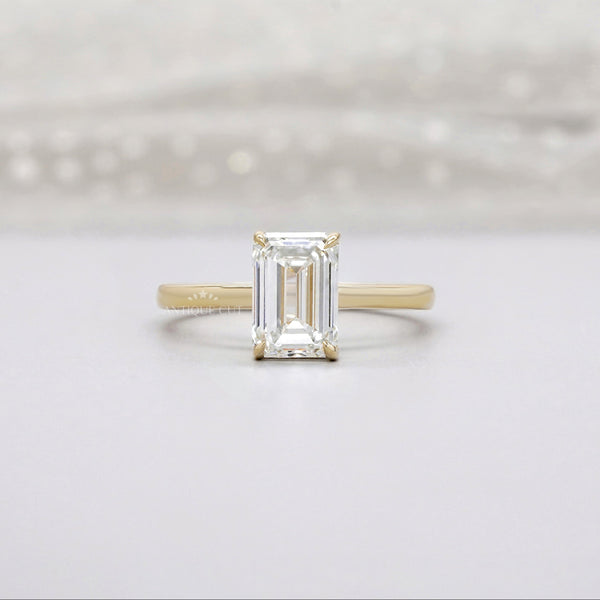
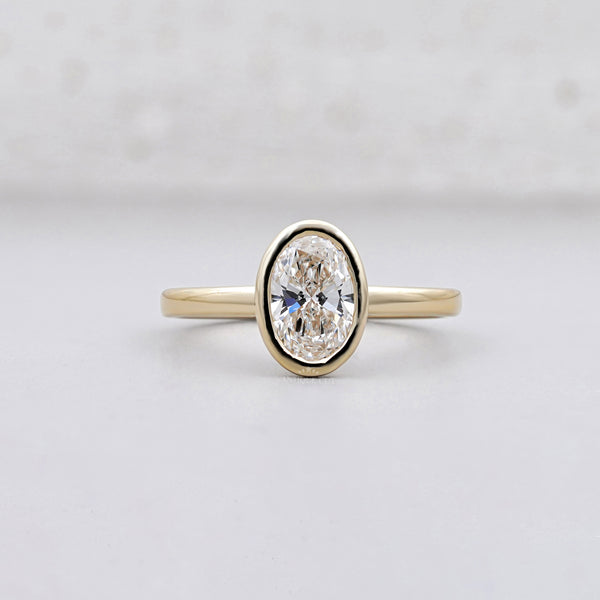
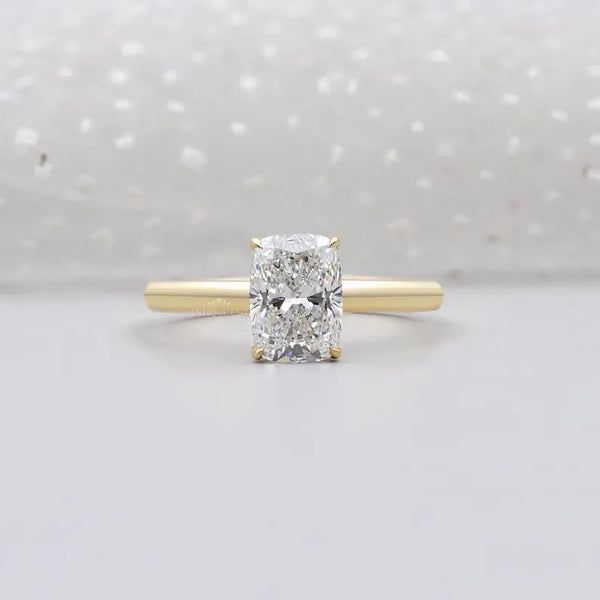
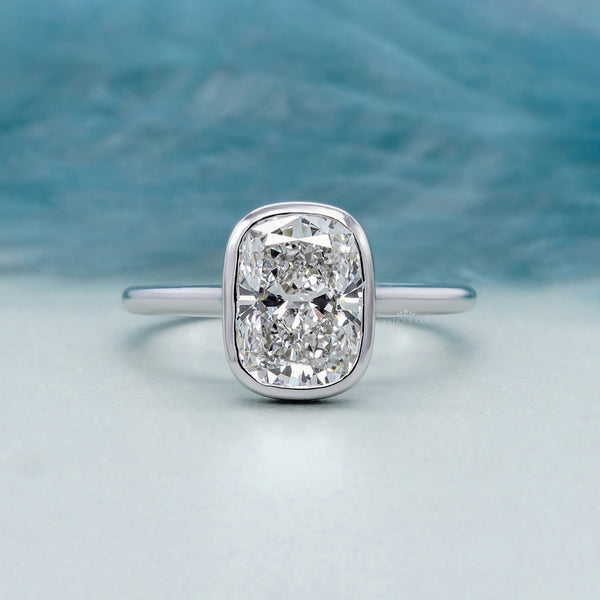
What Makes Art Deco Engagement Rings Different?
The Art Deco movement began during the 1920s and 1930s. Jewelry designers during this era moved away from soft floral styles and started creating rings with sharper lines, bold shapes, and symmetrical patterns. This shift completely changed engagement ring design.
Unlike many modern rings that focus mainly on a single center stone, engagement art deco rings often feature intricate side details, decorative metalwork, and structured layouts that create a very balanced appearance.
One of the most recognizable features of an art deco engagement ring is geometry. Designers used patterns inspired by architecture, fashion, and industrial design. Straight lines, octagonal shapes, step-cut diamonds, and mirrored details became common elements. These design characteristics can still be seen today in a vintage asscher cut diamond ring, a style that reflects the strong geometric influence that defined the Art Deco period.
Another defining characteristic is the use of unique diamond cuts. During the Art Deco period, jewelers favored cuts such as:
- Emerald cut
- Asscher cut
- Old European cut
- Cushion cut
- Round brilliant cut
These cuts worked beautifully with the clean structure of Art Deco settings.
People continue choosing these rings today because they feel different from mass produced modern designs. Many buyers appreciate their individuality and detailed craftsmanship. Others are drawn to the vintage character that gives the ring a sense of history without feeling outdated.
Popular Styles of Art Deco Engagement Rings
Art Deco rings come in many different styles, and each one creates a very different look on the hand. Understanding these styles helps narrow down your options faster.
Halo Settings
Halo settings remain one of the most popular choices in Art Deco-inspired jewelry. In this style, smaller diamonds surround the center stone, creating extra sparkle while emphasizing the ring’s geometric layout.
Halo designs work especially well with emerald and Asscher cuts because the surrounding diamonds highlight the sharp edges of the center stone.
Many modern diamond art deco engagement rings combine vintage halos with cleaner contemporary bands for a balanced appearance.
Emerald Cut Rings
Emerald cuts are strongly associated with Art Deco jewelry because of their step-cut facets and rectangular shape. These diamonds create a clean and structured appearance instead of heavy sparkle.
Buyers who prefer understated brilliance often choose emerald cuts because they reflect light differently than round diamonds.
An emerald cut also makes the finger appear longer and slimmer, which many people find flattering.
Filigree Details
Filigree refers to delicate metalwork patterns built into the ring. This technique became extremely popular during the Art Deco period.
Small metal curls, lace-like details, and decorative engravings add texture without making the ring feel oversized.
In many vintage art deco engagement rings, filigree is done by hand, which gives older pieces a unique personality and character.
Milgrain Edges
Milgrain edges feature tiny metal beads placed along the borders of the ring. These small details may seem subtle, but they dramatically affect the overall appearance.
Milgrain creates a softer finish around geometric designs and adds depth to the setting.
Many buyers specifically search for milgrain detailing because it gives rings a genuine vintage-inspired appearance.
Colored Gemstone Accents
Art Deco jewelry frequently used colored gemstones alongside diamonds. Sapphire, emerald, ruby, and onyx accents became especially common.
These stones created contrast and helped emphasize the strong geometric patterns of the era.
Today, buyers often choose sapphire accents because they pair beautifully with white diamonds while maintaining a classic appearance.
Platinum vs Gold Settings
Platinum became highly popular during the Art Deco period because it allowed jewelers to create more detailed settings while securely holding stones in place.
White gold later became a more affordable alternative.
Yellow gold settings are less common in traditional Art Deco jewelry but are now widely used in modern reproductions for buyers who want a warmer tone.
How to Choose the Right Art Deco Engagement Ring

Finding the perfect ring requires more than simply choosing a design you like. The best choice balances style, durability, comfort, and budget.
Start With a Realistic Budget
Before shopping, determine how much you want to spend overall. Art Deco rings vary significantly in price depending on factors such as:
- Diamond quality
- Metal type
- Vintage authenticity
- Craftsmanship
- Brand reputation
Original vintage rings often cost more because they are harder to find in good condition.
Reproduction rings can provide a similar appearance at a lower price point.
Choose a Diamond Shape Carefully
Emerald and Asscher cuts create a bold geometric look, while round diamonds add more brilliance. Cushion cuts soften the appearance slightly while still fitting the Art Deco style. Many buyers looking for engagement rings under $2000 choose these classic diamond shapes because they offer a distinctive appearance across different budgets. The right shape depends on whether you want the ring to feel sharp and structured or slightly softer and more traditional.
Think About Durability
Some Art Deco settings include delicate details that may not suit highly active lifestyles.
If the ring will be worn daily, look for secure prongs, durable metal construction, and settings that protect the center stone properly.
Platinum is often preferred for durability because it resists wear better over time.
Consider Finger Shape
Different ring styles flatter different hand shapes.
Long fingers often pair beautifully with wider geometric designs. Smaller hands may look better with compact halos or elongated stones that create balance.
Trying on multiple shapes before buying can make a huge difference.
Select the Right Metal
Metal color changes the overall personality of the ring.
Platinum creates a bright vintage appearance
White gold offers a similar look at a lower cost
Yellow gold feels warmer and slightly more modern
Rose gold creates a softer contrast with geometric designs
The right choice depends on skin tone, personal taste, and maintenance preferences.
Pay Attention to Stone Quality
Because many Art Deco rings use step-cut diamonds, clarity becomes especially important.
Emerald and Asscher cuts show imperfections more easily than round diamonds. Buyers should prioritize clarity grades more carefully when selecting these shapes
Choosing Between Vintage and New Rings
Many buyers struggle to decide between authentic vintage rings and modern reproductions.
Original vintage pieces carry history and authentic craftsmanship, but they may require more maintenance. Reproduction rings offer better durability and easier customization.
Here’s a practical comparison:
| Ring Style | Best For | Maintenance |
|---|---|---|
| Vintage Art Deco Rings | Collectors | Higher |
| Reproduction Art Deco Rings | Daily Wear | Moderate |
| Diamond Art Deco Rings | Traditional Buyers | Moderate |
| Platinum Art Deco Rings | Long-Term Wear | Lower |
| Gold Art Deco Rings | Warm-Toned Lovers | Moderate |
If you want authenticity and historical character, vintage may be the better option.
If you want durability with less maintenance, reproductions often make more practical sense.
Where to Buy Quality Art Deco Engagement Rings
Finding a trustworthy jeweler is just as important as choosing the ring itself. Buyers should look for stores that provide detailed photos, diamond certification, and clear information about whether a ring is vintage-inspired or an original antique piece. While local jewelers allow customers to see rings in person, online retailers often offer a wider selection of Art Deco styles along with better customization options.
Many buyers today prefer rings that combine antique-inspired details with modern durability, making custom-designed pieces increasingly popular. Retailers like Antiquecut specialize in vintage-inspired engagement rings, Art Deco settings, and custom diamond jewelry, making it easier to find designs with geometric patterns, milgrain edges, and classic antique-style details. Before making a purchase, it is always important to review certification documents, return policies, warranties, and customer reviews to ensure confidence in the quality of the ring.
FAQs About Art Deco Engagement Rings
Q. Are art deco engagement rings still popular?
Yes. Many buyers continue choosing them because of their geometric appearance, detailed settings, and vintage inspired character.
Q. What diamond cut works best in art deco settings?
Emerald and Asscher cuts are especially popular because they complement geometric designs extremely well.
Q. Are vintage art deco engagement rings durable?
They can be durable if properly maintained, but older rings may require more care than newly made reproductions.
Q. What metals are common in art deco rings?
Platinum and white gold are the most common choices, although yellow gold is also used in modern interpretations.
Q. How can I tell if a ring is truly vintage?
Authentic vintage rings usually show signs of age, hand craftsmanship, and older diamond cuts. Reputable jewelers can verify authenticity.
Q. Are reproduction art deco rings worth buying?
Yes. They often provide better durability, easier resizing, and lower maintenance while still offering vintage inspired design.
Q. Can art deco rings be resized?
Many can, but intricate designs may limit how much resizing is possible.
Q. How much do diamond art deco engagement rings cost?
Prices vary widely depending on diamond quality, metal type, craftsmanship, and whether the ring is antique or reproduction.
Q. What makes art deco rings unique?
Their geometric layouts, bold symmetry, intricate metalwork, and vintage design influence make them stand out from modern minimalist rings.
Q. Is platinum better than gold for art deco rings?
Platinum is generally more durable and was heavily used during the original Art Deco era, but gold remains a strong option depending on budget and style preference.


