


A kite cut engagement ring has become one of the most interesting choices for buyers looking for a ring that feels different from traditional diamond styles. The sharp angles and geometric appearance immediately make the diamond stand out, especially when compared to common shapes like round or oval cuts. While the shape itself attracts attention, the setting has a major impact on how the ring looks, feels, and lasts over time.
The right setting can improve durability, highlight the shape of the diamond, and make the ring more comfortable for daily wear. Some settings create a cleaner and more minimal appearance, while others add extra sparkle or decorative detail. Since kite cut diamonds have pointed edges, the setting also plays a big role in protecting the stone from damage. Buyers today are choosing kite cut engagement rings because they feel more personal, artistic, and less traditional, making the setting decision even more important.
What Is a Kite Cut Engagement Ring?
A kite cut engagement ring features a diamond shaped like a kite with pointed corners and elongated angles. Unlike traditional diamond cuts that focus mainly on symmetry and maximum sparkle, kite cut diamonds stand out because of their unusual structure and bold appearance. The shape often creates a modern and artistic feel that appeals to buyers who want something less predictable.
Many people choose a kite cut ring because it offers a distinctive look without feeling overly flashy. The shape naturally draws attention and can create the illusion of longer fingers depending on how the stone is positioned. Some kite cuts appear sharp and dramatic, while others feel softer depending on the proportions and setting style.
Traditional diamond shapes such as round, cushion, or princess cuts are designed for familiarity and consistent brilliance. Kite cuts focus more on individuality and shape-driven beauty. Because of this, they work especially well in custom lab grown diamond engagement rings, where buyers want something more personal. The flexibility of the shape also allows jewelers to experiment with different orientations and settings that would not work as easily with standard cuts.
Why the Right Setting Matters for a Kite Cut Diamond Ring
The setting is one of the most important parts of a kite cut diamond ring because it affects both appearance and durability. Unlike rounded diamond shapes, kite cuts have pointed edges that can be more vulnerable to chips if they are not properly protected. A well-designed setting helps secure these delicate corners and keeps the ring safer for long-term wear.
The setting also changes how light interacts with the diamond. Open settings allow more light to pass through the stone, which can improve sparkle and brightness. More enclosed settings create a cleaner appearance and stronger protection, although they may slightly reduce brilliance. Finding the right balance depends on the buyer’s priorities and lifestyle.
Comfort is another factor many buyers overlook. A ring that sits too high may catch on clothing or feel inconvenient during everyday activities. Lower-profile settings are often easier to wear daily, especially for people with active lifestyles. The setting also shapes the overall personality of the ring. Some settings create a sleek and minimal look, while others make the ring appear more decorative and detailed.
Best Settings for a Kite Cut Engagement Ring
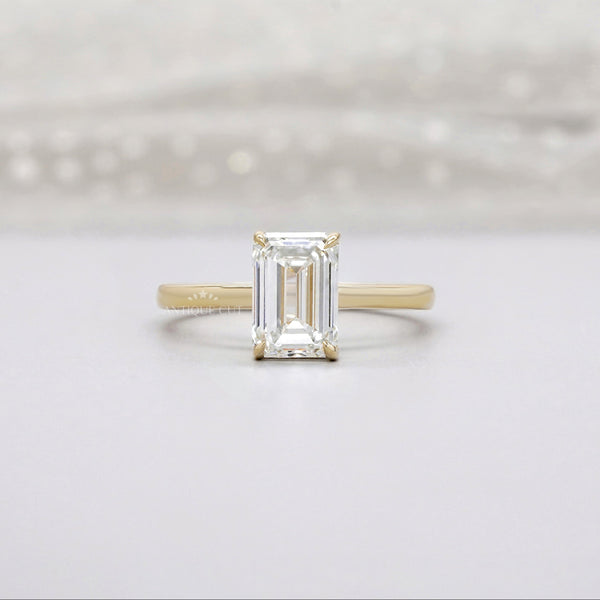
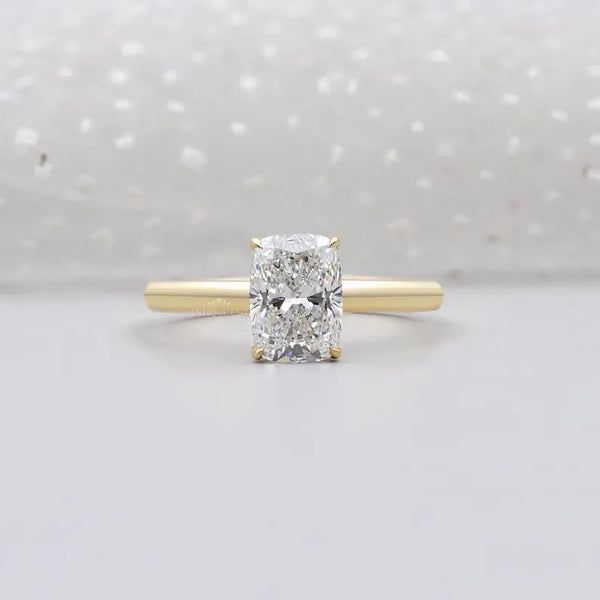
The prong setting remains one of the most popular choices for a kite cut diamond engagement ring because it allows the diamond to remain highly visible. Small metal prongs hold the stone in place while leaving most of the surface exposed to light. This creates a brighter appearance and helps the geometric shape stand out more clearly.
Buyers who want maximum sparkle often prefer prong settings because less metal blocks the diamond. The design also keeps the ring feeling lighter and more open. However, the pointed corners of a kite cut diamond may remain slightly exposed depending on the prong placement. Strong corner prongs are especially important to improve protection and long-term security.
Prong settings work well for buyers who appreciate minimal and modern ring styles. They allow the unique shape of the diamond to become the main focus without too many surrounding details.
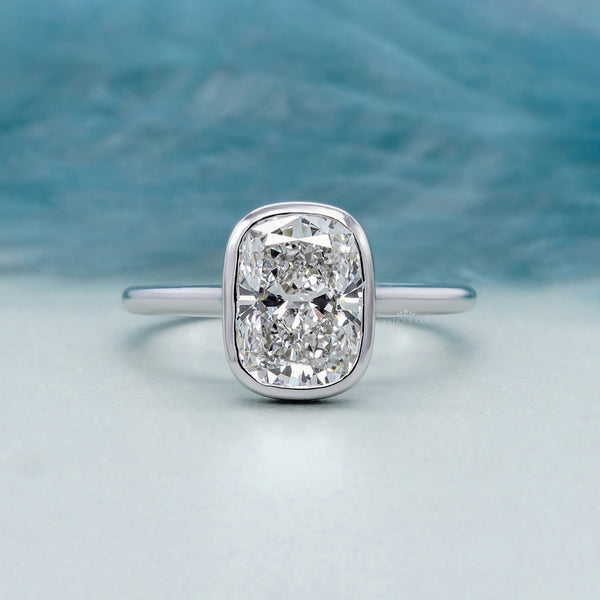
Bezel Setting
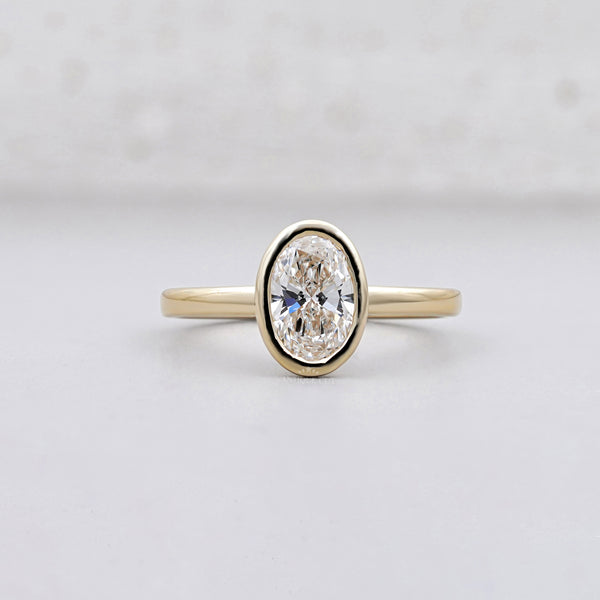
A bezel setting surrounds the diamond with a thin border of metal, creating one of the safest options for a kite cut engagement ring. Because the edges are enclosed, the pointed corners receive much better protection compared to open prong designs.
This setting is especially popular among buyers who plan to wear their ring every day. The smooth metal edges make the ring comfortable and reduce the chance of snagging on clothing or other objects. Bezel settings also create a clean and structured appearance that pairs well with the geometric nature of kite cut diamonds.
Although bezel settings may slightly reduce the amount of light entering the diamond, many buyers consider the extra protection worth the tradeoff. The design feels secure, practical, and modern without losing the uniqueness of the stone itself.
Halo Setting
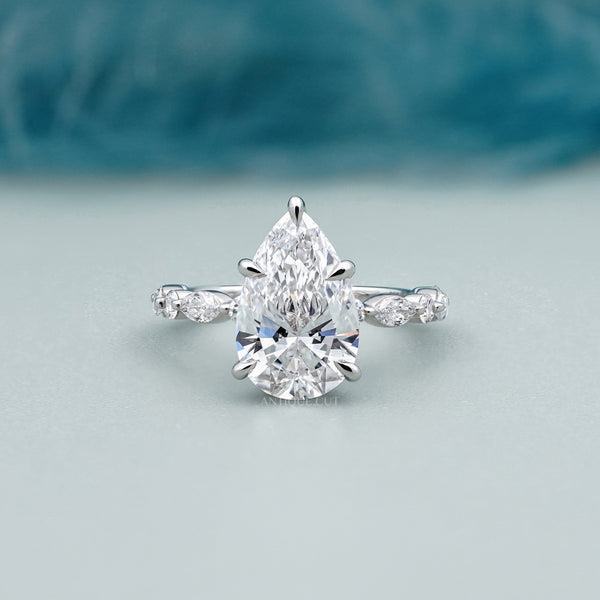
Halo settings add smaller diamonds around the center stone, creating a brighter and more eye-catching appearance. For buyers who want extra sparkle, this can be one of the best settings for a kite cut ring.
The halo design helps the center stone appear larger while adding more brilliance overall. It also creates a more decorative style that works well with vintage-inspired designs and detailed bands. When done correctly, the halo can enhance the shape of the kite cut diamond without overpowering it.
However, proportion matters with halo settings. If the surrounding diamonds are too large or the design becomes too busy, the center stone may lose some of its unique visual impact. Buyers who enjoy more detailed engagement ring styles often gravitate toward halo settings because they create a stronger presence on the hand.
Solitaire Setting
A solitaire setting keeps the focus entirely on the center diamond. This style uses very little additional detail, allowing the kite cut shape to stand out naturally. Buyers who prefer simplicity often choose solitaire settings because they feel clean and uncluttered.
The geometric structure of the kite cut already creates enough visual interest, so many buyers find that a simple solitaire setting gives the ring a balanced appearance. Solitaire designs also pair more easily with wedding bands since they usually avoid large side details or decorative elements.
Because there are fewer distractions around the diamond, the quality and shape of the center stone become even more important, a well cut kite diamond can look especially striking in a solitaire design.
East-West Setting
The east-west setting places the kite cut diamond horizontally instead of vertically. This small adjustment completely changes the ring's appearance and gives it a more modern feel.
Many buyers choose east-west settings because they feel less traditional and more fashion-forward. The horizontal layout also increases finger coverage, making the ring appear wider across the hand. This orientation works particularly well with elongated kite cut diamonds and can create a bold but wearable look.
East-west settings appeal to buyers who want something distinctive without adding excessive detail. The design feels creative while remaining elegant enough for everyday wear.
Comparison of Kite Cut Ring Settings
| Setting Type | Protection Level | Sparkle Visibility | Best For | Style Look |
|---|---|---|---|---|
| Prong Setting | Moderate | High | Buyers wanting sparkle | Open and minimal |
| Bezel Setting | High | Moderate | Everyday wear | Clean and modern |
| Halo Setting | Moderate | Very High | Decorative styles | Bright and detailed |
| Solitaire Setting | Moderate | High | Simple designs | Minimal and focused |
| East-West Setting | Moderate | High | Modern buyers | Contemporary |
Which Metal Looks Best with Kite Cut Rings?
The metal choice changes the overall appearance of a kite cut diamond ring more than many buyers expect. White gold creates a bright and clean look that blends naturally with white diamonds. It works especially well in modern settings and helps emphasize the sharp geometry of the stone.
Yellow gold creates more contrast between the metal and diamond, giving the ring a warmer appearance. This metal works beautifully in vintage-inspired designs and can make minimalist settings feel more distinctive. Rose gold softens the sharp angles of the kite cut shape and adds warmth to the overall design, making it popular among buyers who want something slightly less traditional.
Platinum remains one of the strongest choices for durability. Since kite cut diamonds have pointed edges, platinum’s strength can provide added security over time. Although platinum costs more than gold, many buyers prefer it because of its durability and naturally white color.
For those who want to combine different metal tones, a two tone lab grown diamond engagement ring can offer additional contrast and visual interest while highlighting the unique shape of a kite cut diamond. At Antiquecut, many buyers compare multiple metal options before deciding which one best matches their personal style and daily lifestyle.
How to Choose the Right Setting for Your Lifestyle

Lifestyle should play a major role when selecting a kite cut engagement ring setting. Buyers with active routines usually benefit from lower-profile or bezel settings because they provide stronger protection and feel more secure during daily activities.
For office wear or less physically demanding lifestyles, prong and solitaire settings often work well because they create a cleaner and more open appearance. Buyers who prefer low maintenance may lean toward bezel settings since they usually require fewer adjustments over time.
Fashion-focused buyers often choose halo or east-west settings because they create a more noticeable appearance. While these styles may feel trendier, they can remain practical when designed correctly. Comfort should always remain a priority since engagement rings are typically worn every day.
Final Thoughts
A kite cut engagement ring offers a bold alternative to traditional diamond shapes, but the setting determines how well the ring performs in everyday life. Some buyers prefer the sparkle and openness of prong settings, while others value the security and comfort of bezel designs. Halo settings create more brilliance and detail, while solitaire styles keep the focus entirely on the center stone. East-west settings provide a more modern approach for buyers looking for something different.
The best setting depends on personal style, comfort preferences, and lifestyle needs. When buyers understand how different settings affect durability, sparkle, and appearance, choosing the right ring becomes much easier and more confident.
FAQs
Q. Are kite cut engagement rings durable?
Yes, but durability depends heavily on the setting. Protective settings help prevent damage to the pointed edges.
Q. Which setting protects a kite cut diamond the most?
Bezel settings usually provide the best protection because the metal surrounds the edges of the diamond.
Q. Do kite cut diamonds sparkle well?
Yes, although the sparkle differs from round diamonds because the focus is more on shape and structure.
Q. Can kite cut rings be worn daily?
Yes, especially when paired with durable settings and strong metals like platinum or gold.
Q. Is platinum good for kite cut rings?
Platinum is an excellent choice because it provides strong long-term durability and security.
Q. Are kite cut engagement rings expensive?
Pricing varies depending on diamond quality, setting complexity, and metal choice.
Q. What wedding bands pair best with kite cut rings?
Curved or contour wedding bands often fit best with unusual diamond shapes.
Q. Do bezel settings reduce sparkle?
They may slightly reduce light exposure, but they provide much better protection.
Q. Can kite cut engagement rings be customized?
Yes, many buyers customize the setting, orientation, and metal choice.
Q. Are east-west settings popular for kite cut rings?
Yes, they have become increasingly popular because of their modern appearance.


