


If you've ever worn a ring, necklace, or pair of earrings that left your skin itchy, red, or uncomfortable, you're not alone. Many people experience skin irritation from certain metals used in jewelry. That often leads to one common question: What is hypoallergenic jewelry?
The good news is that you don't have to stop wearing jewelry because of sensitive skin. Whether you're buying an engagement ring or a pair of everyday earrings, choosing the right materials can make a big difference in how comfortable your jewelry feels every day.
In this guide, you'll learn what does hypoallergenic mean, which metals are best for sensitive skin, how to identify safer jewelry, and what to avoid before making your next purchase.
What Is Hypoallergenic Jewelry?

Hypoallergenic jewelry is jewelry made from materials that are much less likely to cause allergic reactions or skin irritation. While no material can guarantee that every person will be allergy-free, hypoallergenic jewelry is designed to reduce the risk of itching, redness, swelling, or skin rashes.
Most allergic reactions happen because of metals like nickel. When jewelry contains nickel or other irritating metals, they can react with sweat and skin over time, causing discomfort, especially for people with sensitive skin.
Choosing hypoallergenic jewelry means choosing materials that are gentler on the skin, making them a better option for everyday wear. Metals like platinum, titanium, surgical-grade stainless steel, and high-purity gold are commonly used because they are less likely to cause skin irritation.
Why Do Some People Get Skin Reactions from Jewelry?
Skin reactions usually happen when certain metals stay in contact with your skin for a long time. While some people can wear any type of jewelry without problems, others have sensitive skin that reacts to certain metals. The reaction may appear after wearing a piece for a few hours or after repeated use over time.
Common symptoms include:
- Redness
- Itching
- Burning feeling
- Dry patches
- Small bumps
- Swelling around the jewelry

Nickel is the most common cause of jewelry allergies because many people are naturally sensitive to it. Some lower-quality jewelry may also contain metals like copper, cobalt, or mixed metal alloys that can irritate the skin. Even a small amount of these metals can cause discomfort in people with metal sensitivities.
Heat, sweat, lotions, perfumes, and water exposure can make these reactions worse. Moisture and friction allow metals to come into closer contact with the skin, increasing the chance of irritation. If you have sensitive skin, choosing jewelry made from hypoallergenic materials and keeping both your skin and jewelry clean can help reduce the risk of reactions.
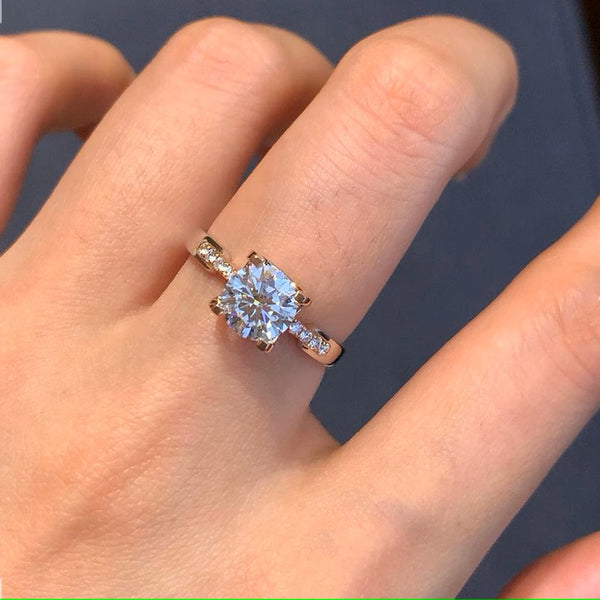
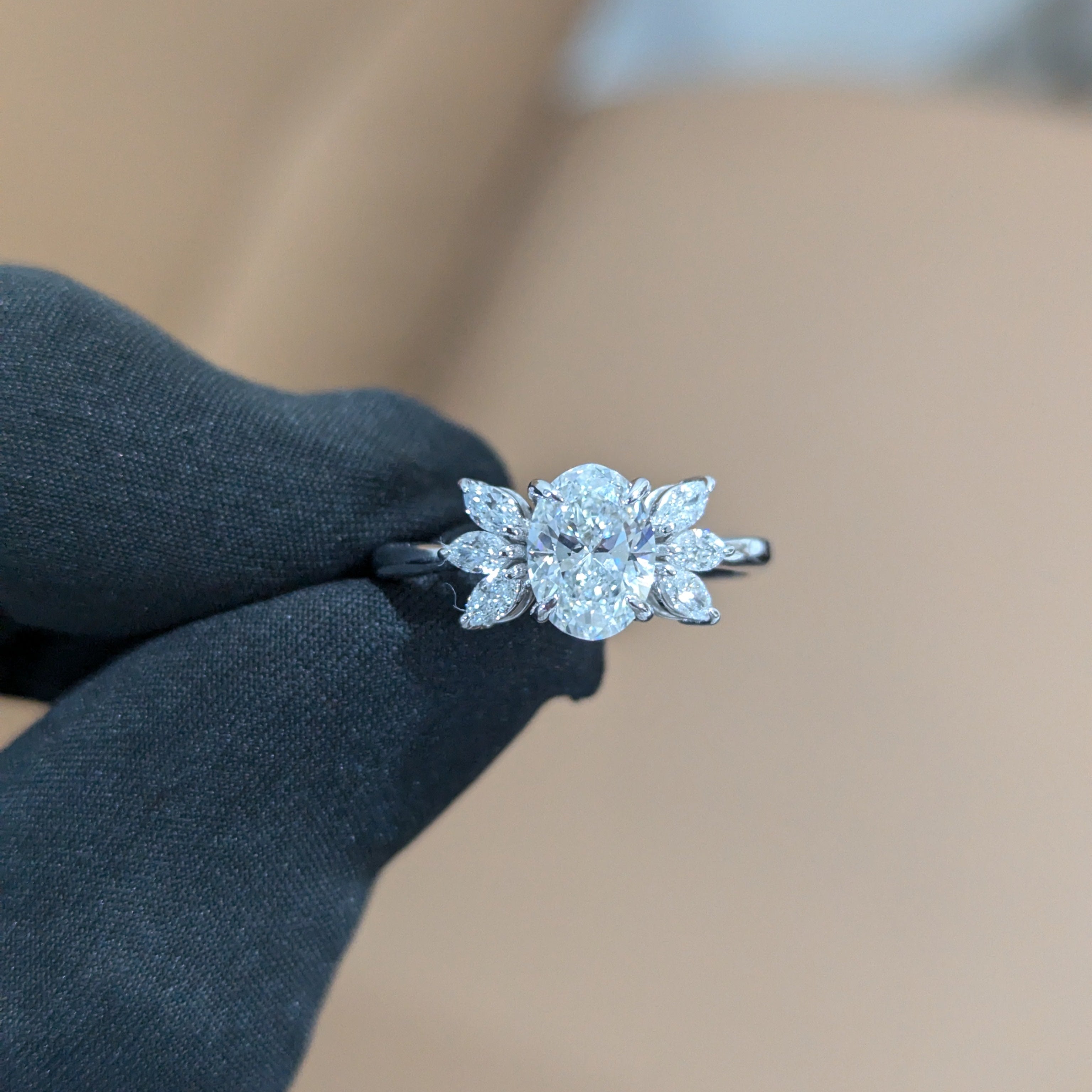
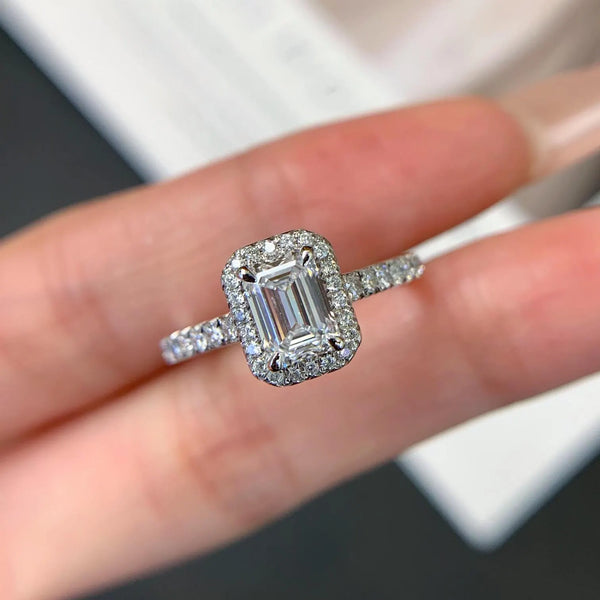
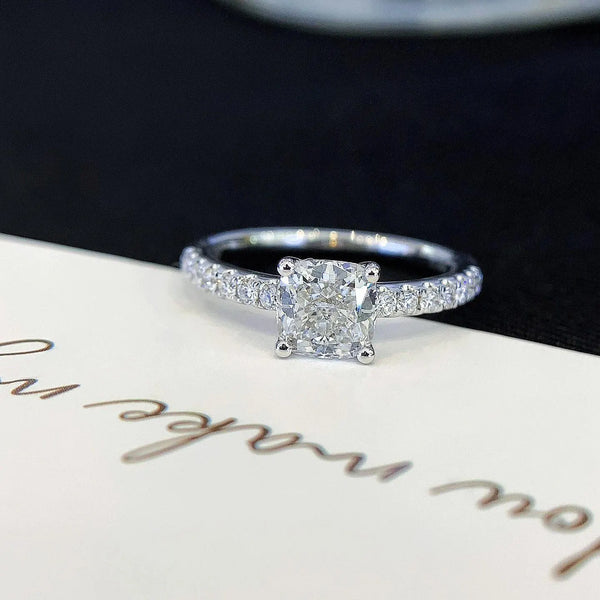
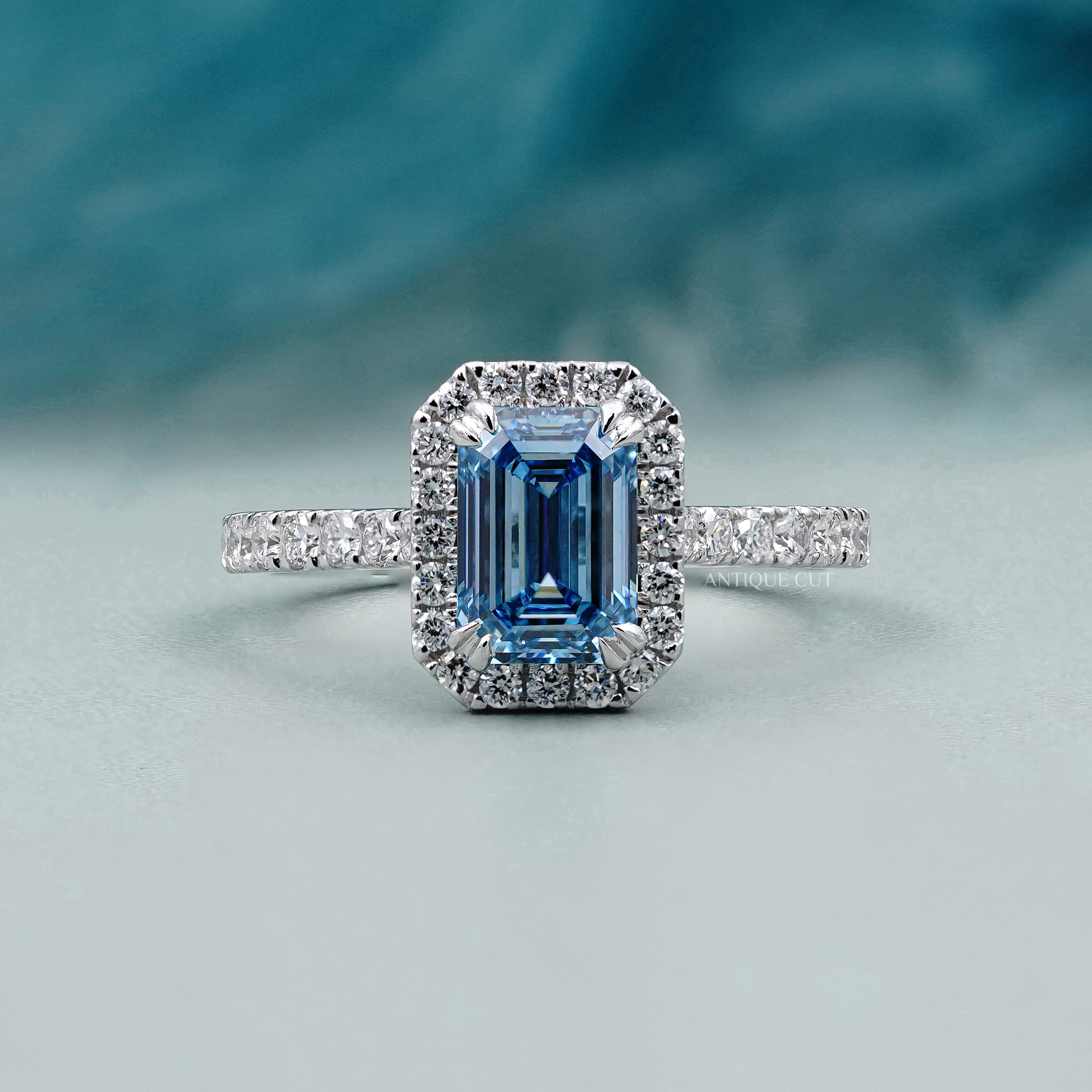
Best Seller Rings
Hypoallergenic Jewelry vs Non-Hypoallergenic Jewelry
Choosing jewelry isn't only about how it looks. The material matters too, especially if your skin becomes itchy, red, or uncomfortable after wearing stud earrings, rings, necklaces, or bracelets. Some metals are less likely to cause skin irritation, while others can trigger allergic reactions.
The comparison below explains the difference in simple terms so you can choose jewelry that feels comfortable for daily wear.
Comparison Chart
| Feature | Hypoallergenic Jewelry | Non-Hypoallergenic Jewelry |
|---|---|---|
| Skin Friendly | Yes | Not always |
| Best For | Sensitive skin | Normal skin |
| Common Metals | Titanium, Platinum | Nickel, Brass |
| Nickel Content | None or very low | Often present |
| Skin Reaction | Low risk | Higher risk |
| Daily Wear | More comfortable | May irritate skin |
| Redness & Itching | Less common | More common |
| Durability | Long-lasting | Varies by metal |
| Maintenance | Easy | May tarnish faster |
| Price | Usually higher | Usually lower |
Best Hypoallergenic Jewelry for Sensitive Skin
If your skin gets itchy, red, or irritated after wearing jewelry, choosing the right metal can make a big difference. Here are some of the best options.
Titanium
Titanium is lightweight, durable, and very unlikely to cause skin reactions. It is also used in many medical devices, making it a trusted choice for sensitive skin.
Platinum
Platinum is naturally pure and gentle on the skin. It resists tarnishing and is a good option if you wear jewelry every day.
14K or 18K Yellow Gold
Good-quality 14K and 18K yellow gold ring is suitable for many people with sensitive skin. Before buying, check that the alloy contains little or no nickel.
Surgical Stainless Steel
High-grade surgical stainless steel is made to reduce skin irritation. It is commonly used for earrings and other everyday jewelry.
Sterling Silver
925 sterling silver can be a good choice when it is nickel-free. Buying from a trusted jeweler helps ensure better metal quality and comfort.

How to Choose Hypoallergenic Jewelry
Buying jewelry for sensitive skin doesn't have to be confusing.
Before purchasing, check these points:
- Read the metal description carefully.
- Look for nickel-free options.
- Buy from trusted jewelry stores.
- Avoid jewelry with unknown metal compositions.
- Ask whether the jewelry is solid metal or only plated.
- Read customer reviews from buyers with sensitive skin.
Taking a few extra minutes to check these details can save you from discomfort later.
Final Thoughts
Understanding what is hypoallergenic jewelry helps you make smarter choices when buying rings, earrings, necklaces, or bracelets. While no jewelry can guarantee that every person will avoid allergic reactions, selecting high-quality metals like titanium, platinum, surgical stainless steel, or carefully crafted gold can greatly reduce the risk.
f you're looking for well-crafted jewelry made with quality materials, trusted jewelers like Antiquecut offer options that can help you choose pieces that suit both your style and your comfort.
Design Your Own Jewelry with Antiquecut
FAQs
1. Can hypoallergenic jewelry still cause allergic reactions?
Yes. Hypoallergenic means the jewelry is less likely to cause a reaction, not that it is completely allergy-proof. People with severe metal allergies may still react to certain alloys, so it's important to check the metal used before buying.
2. Is nickel-free jewelry the same as hypoallergenic jewelry?
Not always. Nickel-free jewelry does not contain nickel, but it may contain other metals that can irritate sensitive skin. Hypoallergenic jewelry is made from materials that are generally considered safer for people with metal sensitivities.
3. Is gold-plated jewelry hypoallergenic?
It depends on the base metal. If the jewelry is plated over nickel or another metal that causes allergies, the plating can wear off over time and expose the skin to the underlying metal.
4. Can I wear hypoallergenic jewelry every day?
Yes. High-quality hypoallergenic jewelry is made for regular wear. Keeping both your jewelry and skin clean can help maintain comfort and reduce the chance of irritation.
5. How can I tell if my jewelry contains nickel?
Check the product description or ask the jeweler about the metal composition. If the information isn't available, it's safer to choose jewelry that is clearly labeled as nickel-free or hypoallergenic.
6. Does hypoallergenic jewelry tarnish over time?
Some metals, such as sterling silver, may tarnish naturally with exposure to air and moisture. Metals like titanium and platinum are more resistant to tarnishing and require less maintenance.
7. What should I do if my jewelry causes a skin rash?
Remove the jewelry immediately and wash the affected area with mild soap and water. If the irritation continues or becomes severe, stop wearing the jewelry and consult a healthcare professional.
8. Is hypoallergenic jewelry safe for children?
Yes. Many parents choose hypoallergenic jewelry for children because it lowers the risk of skin irritation. Titanium, platinum, and high-quality surgical stainless steel are common choices for children's jewelry.


