


When shopping for an engagement ring, one detail that often catches attention is the way diamonds are set into the band. If you've been wondering what is a pave setting, you're not alone. This style has remained one of the most popular choices for engagement rings because it uses small diamonds placed closely together to create additional brilliance across the ring's surface.
A pavé setting can completely change the appearance of a ring without increasing the size of the center stone. Whether you're looking at a solitaire design or a halo style, pavé details add texture, light reflection, and extra diamond coverage. Today, you'll find everything from traditional pave engagement rings to delicate micro pave engagement rings and handcrafted french pave engagement ring styles.
This article covers everything buyers should know before choosing a pavé ring, including popular setting styles, durability, pricing, maintenance requirements, and what to consider before making a purchase.
What Is a Pave Setting?
The word "pavé" comes from the French word meaning "paved." In jewelry, it refers to a setting technique where small diamonds are positioned closely together with minimal visible metal holding them in place.
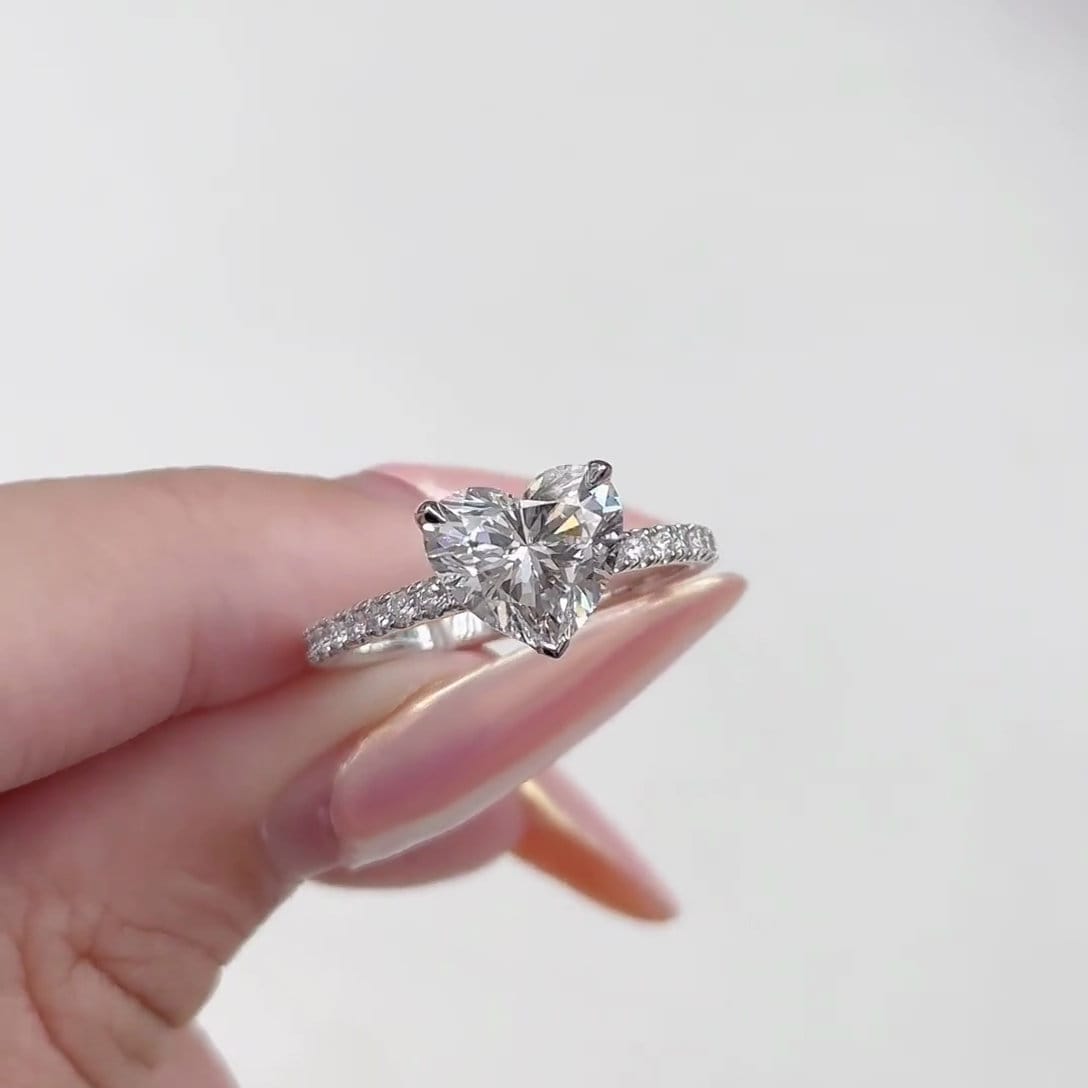
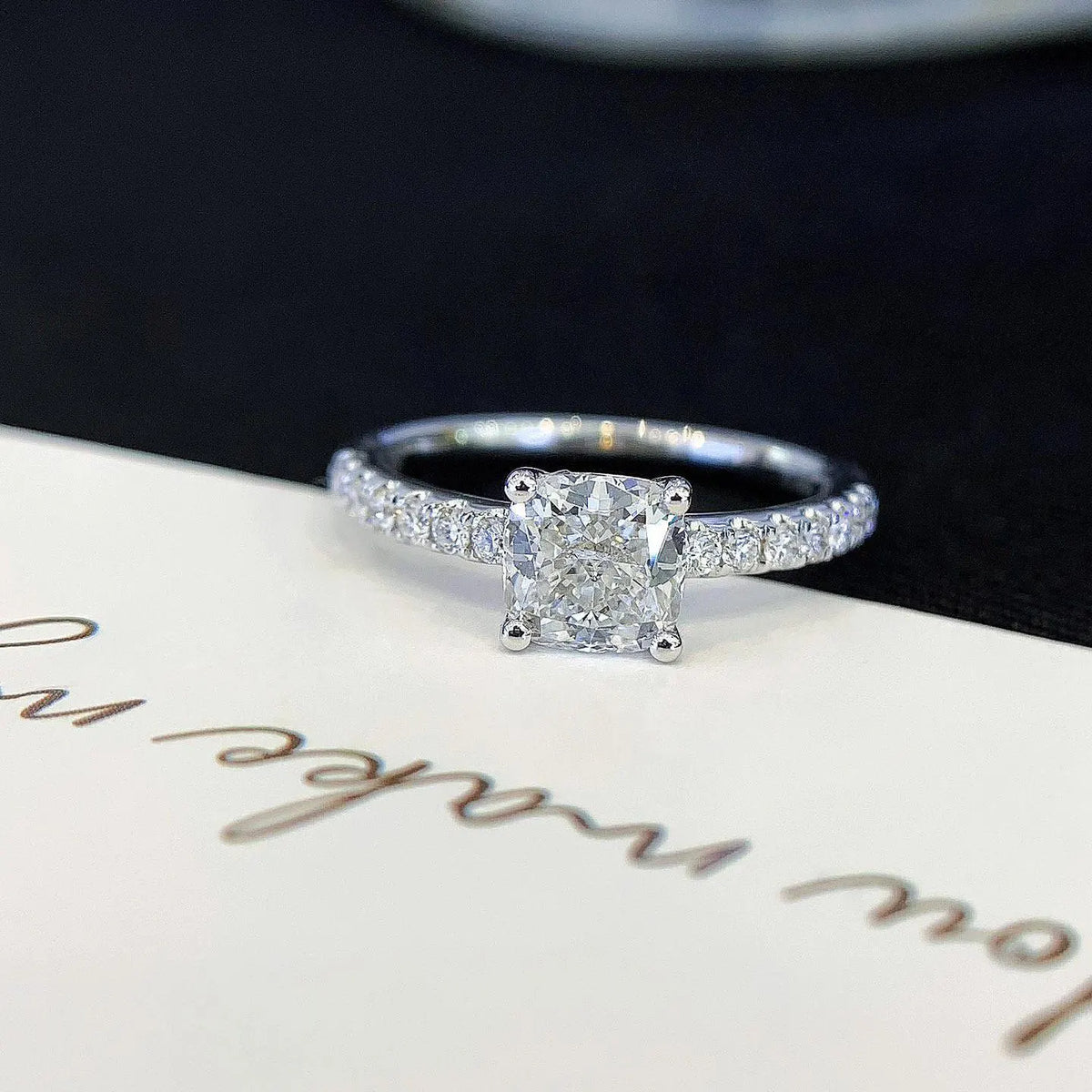
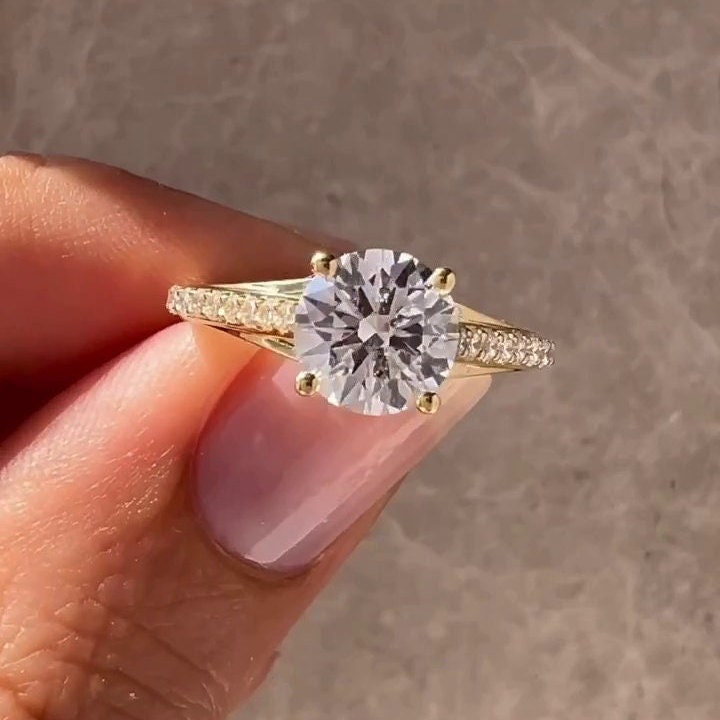
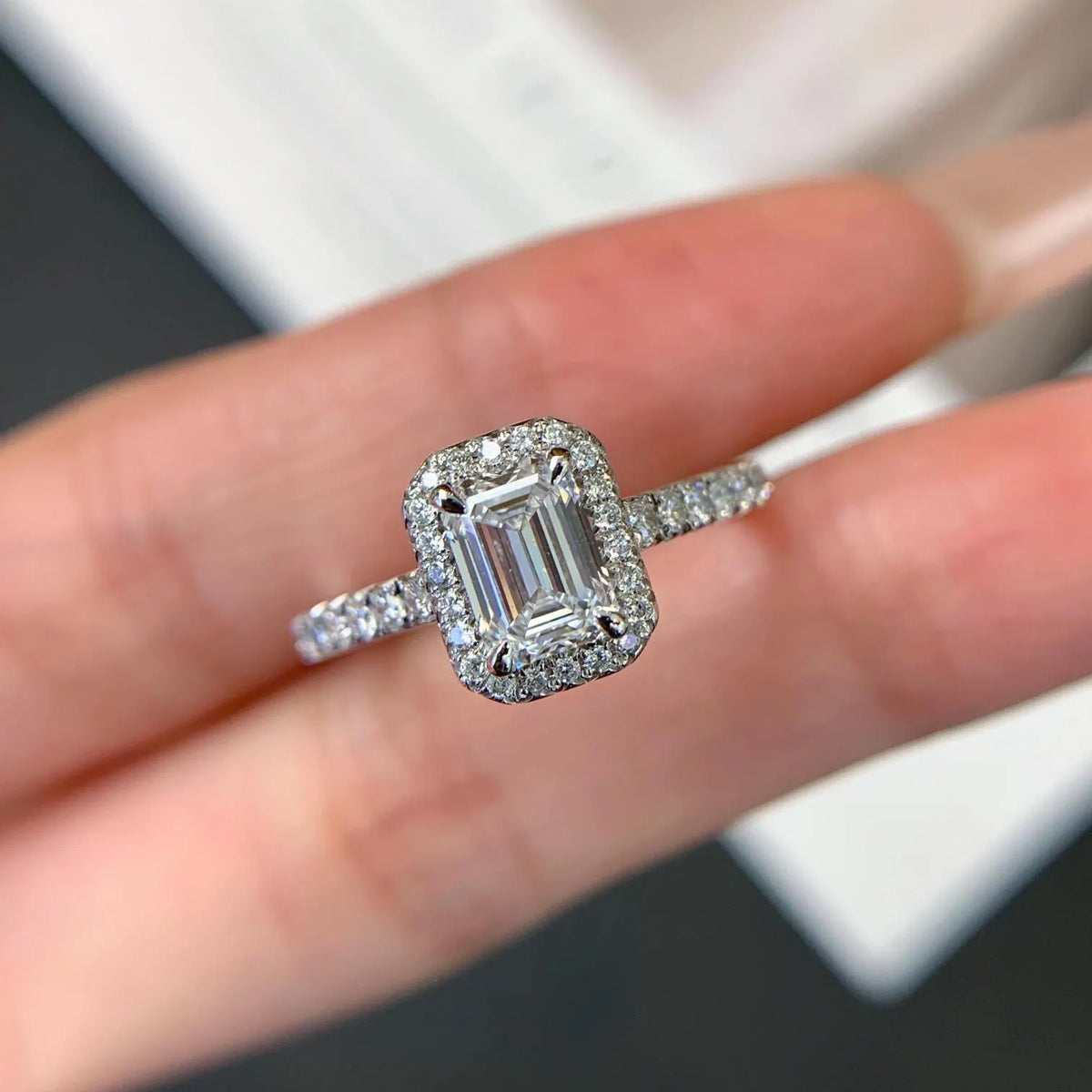
The result creates the appearance of a continuous surface of diamonds across the band. Rather than focusing attention solely on the center stone, pavé settings allow the entire ring to reflect light from multiple angles.


Pave Engagement Ring


Three Stone Trapezoid engagement ring
How a Pave Setting Is Made
Understanding the actual process helps explain why pave engagement rings vary so much in price and quality. Here's what happens on the bench:
A jeweler starts with a cast or hand-fabricated band. Small holes are drilled at even intervals along the surface where each diamond will sit. Each diamond is placed into its hole, and the surrounding metal is carefully raised and pushed over the girdle of the stone using a graver or beading tool. This creates the tiny metal "beads" that give bead setting its name, and pave setting relies on the same beading technique, just applied more densely and often in multiple rows.
The spacing, size, and shape of these beads is what separates a well-made pave engagement ring from a poorly made one. Rings that are pave set by hand, with evenly sized beads and consistent spacing, hold up far better over years of daily wear than mass-produced pieces where beads are uneven or too small to properly secure the stone.
Different Types of Pavé Settings

Not all pavé settings are identical. Various techniques produce different visual effects.
1. French Pavé
A French pavé engagement ring features V-shaped cuts beneath the diamonds, allowing more light to enter each stone. This construction minimizes the visible metal from the top view and creates additional dimension along the band.
2. Micro Pavé
Micro pavé engagement rings utilize exceptionally small diamonds placed extremely close together.
These designs often require advanced craftsmanship because the diamonds are significantly smaller than traditional pavé stones.
3. Scalloped Pavé
A scalloped pavé engagement ring features U-shaped metalwork beneath each diamond.
This design exposes more of every stone's surface area, allowing additional light reflection while maintaining security.
4. Bright Cut Setting
The bright cut setting differs slightly from traditional pavé. Instead of using raised beads alone, artisans cut decorative facets into the surrounding metal to create highly reflective surfaces around the diamonds.
How to Choose the Right Pave Engagement Ring
Buyers in the US market typically start by deciding on a center stone shape and metal type before layering in pave details. A good approach is to think about how the ring will be worn day to day. If the wearer has an active job or hobbies involving frequent hand use, a lower-profile pave design with fewer exposed edges will hold up better over time than an intricate scalloped or French pave style.
It also helps to ask a jeweler directly how the pave diamonds are set by hand or machine and what the recommended maintenance schedule looks like. A reputable jeweler will be upfront about this, since it directly affects how long the setting lasts. At Antiquecut, every pave engagement ring is checked under magnification before it ships, and buyers receive guidance on care intervals based on the specific style they choose.
Caring for a Pave Engagement Ring
Pave settings need slightly more attention than plain bands, mainly because of the number of small beads holding each stone. A professional cleaning and prong check every 12 to 18 months is generally recommended, along with avoiding activities that involve repeated impact against hard surfaces, such as heavy lifting or certain sports, while wearing the ring. At home, cleaning with warm water and a soft brush is usually enough to keep the stones catching light properly between professional visits.
Why Buyers Choose Antiquecut
At Antiquecut, carefully crafted engagement ring designs combine exceptional workmanship with thoughtfully selected diamonds and premium materials. Whether selecting a classic pavé style or exploring intricate settings such as micro pavé and French pavé designs, attention to craftsmanship remains central to creating jewelry intended for everyday enjoyment.
Conclusion
Understanding what is a pavé setting allows buyers to appreciate the craftsmanship behind one of fine jewelry's most admired designs. Whether selecting a traditional pavé engagement ring, a detailed French pavé engagement ring, elegant micro pavé engagement rings, or a scalloped pavé engagement ring, each variation offers distinctive characteristics that complement numerous diamond shapes and precious metals.
A carefully crafted diamond engagement ring with pavé band balances beauty, structure, and versatility. By considering craftsmanship, maintenance requirements, and personal style preferences, buyers can confidently choose a pavé setting that will remain a meaningful part of their jewelry collection for years to come.
FAQs
Are pavé engagement rings durable for everyday wear?
Yes. High-quality pavé engagement rings are suitable for daily wear when properly maintained and professionally inspected periodically.
Is a pave setting good for engagement rings?
Yes, it is one of the most popular choices for pave engagement rings because it adds detail and gives the ring a fuller look.
What is the difference between pavé and micro pave?
Micro pave uses very small stones and tighter placement. Pavé is the broader category, while micro pave is a finer version of it.
Is a french pave engagement ring different from standard pavé?
Yes. A french pave engagement ring usually has an open underside and a more detailed side profile.
What is a scalloped pave engagement ring?
A scalloped pave engagement ring has a curved underside that gives the setting a softer, decorative shape.
Does pavé need more care?
Usually yes, because the setting uses many small stones. Regular cleaning and inspection help keep it in good shape.
Can pavé work with any center shape?
It works well with many shapes, including round, oval, pear, emerald, and cushion cuts.


