


Gold often carries a meaning far beyond its price. It can become part of an engagement ring, wedding band, family heirloom, or gift marking an important moment. But before gold reaches a jewelry brand such as Antiquecut, it has already traveled a long way from its original source.
That journey matters.
Not all gold is mined and traded under the same conditions. Some gold can be connected to illegal mining, environmental damage, unsafe working conditions, or exploitation. This is where the term “dirty gold” comes in.
So, what is dirty gold? Does gold get dirty through everyday wear? And what is the difference between ethical gold vs dirty gold?
Let’s look at the story behind gold and what shoppers should know before making a purchase.
What Is Dirty Gold?
Dirty gold is a term used to describe gold associated with harmful, illegal, exploitative, or irresponsible mining and supply-chain practices.
The word “dirty” does not mean the metal is physically dirty. It describes concerns surrounding how the gold was mined, processed, traded, or brought into the marketplace.
These concerns can include illegal mining, environmental destruction, unsafe working
conditions, worker exploitation, human rights concerns, and poor supply-chain transparency.
Once gold has been refined, it may look the same regardless of where it came from. The difference is found in its history.
Dirty Gold at a Glance
| No. | Concern | Possible Issue |
|---|---|---|
| 1 | Illegal Mining | Mining without required authorization |
| 2 | Environment | Damage to land, forests, or waterways |
| 3 | Worker Safety | Dangerous or poorly regulated working conditions |
| 4 | Labor | Exploitation or inadequate worker protections |
| 5 | Human Rights | Potential abuses within the supply chain |
| 6 | Traceability | Difficulty identifying the original source |
Why Does Dirty Gold Matter?
A gold ring may represent love, commitment, or family. For many people, that makes the story behind the material worth knowing.
Gold mining can affect land, water, wildlife, workers, and nearby communities. When mining is illegal or poorly controlled, these risks can become more serious.
This does not mean that all mined gold is harmful. Responsible mining can operate under legal requirements and environmental and worker protections.
The important question is simple: Where did the gold come from, and how was it sourced?
What Is Illegal Mining?
Illegal mining is mining carried out without required permits, licenses, land rights, or compliance with applicable laws and regulations.
It may also involve mining in restricted areas or ignoring rules created to protect people and the environment.
Because illegal operations can work outside official oversight, monitoring their environmental and social impact can be difficult.
Effects of Gold Mining on the Environment

Pollution
Gold mining operations release multiple forms of pollution into the environment:
Deforestation: Forests and riverbeds are deforested to create large pools for mining. Both the deforestation and mining pools expose the topsoil, causing erosion, loss of nutrients, runoff, and altered soil structure.
Water Pollution: Chemicals and high temperatures are required to wash out and separate gold from ore. When dumped into waterways or dams, it pollutes rivers and oceans with hazardous chemicals.
Air Pollution: Mercury is used to pry gold free from ore piles. This leaves behind a mercury vapor that can harm the environment and cause neurological damage when inhaled, which particularly affects children and pregnant women.
Soil Contamination: Runoff is also created when oxygen interacts with soil and sulfuric acid, disrupting biodiversity in ways that are nearly impossible to reverse.
Environmental Destruction : Dirty gold is mined by digging and shifting the Earth. “Open pit” mining often uses dynamite to blow up land, displacing tons of rock and soil – and the existing ecosystem – with an empty crater.
Deforestation : Animal and plant diversity is endangered by the deforestation and pollution that result from introducing a mine to an ecosystem.
Toxic Waste : In a process called “heap leaching,” an agent (such as cyanide or sulfates) is intentionally spilled over ore. This encourages gold to latch onto the agent and come out of its recesses.
Does Gold Get Dirty?
If you are asking, “does gold get dirty?” in the everyday sense, yes.
Gold jewelry can collect skin oils, dust, lotion, makeup, soap, and other substances through regular wear.
This is completely different from dirty gold.
Physical dirt can generally be removed through proper jewelry cleaning. Dirty gold refers to the source and supply chain of the material.
A responsibly sourced ring can become dirty from everyday use, while gold with an unclear sourcing history can look perfectly clean.
Can Gold Get Dirty Over Time?
Yes. Jewelry worn frequently can develop surface buildup and appear dull.
The amount of buildup depends on how often the piece is worn and what it comes into contact with. Hand creams, cosmetics, perspiration, soap, and household products can all leave residue.
Regular cleaning can help maintain the jewelry's appearance. However, cleaning does not change the origin or sourcing history of the gold.
Ethical Gold vs Dirty Gold
The difference between ethical gold vs dirty gold mainly concerns sourcing practices.
Ethical gold generally refers to gold sourced through practices that consider environmental, labor, human rights, and supply-chain concerns.
Dirty gold is associated with gold connected to harmful, illegal, exploitative, or environmentally damaging practices.
The exact meaning of ethical gold can vary depending on the certification or sourcing standard involved, so shoppers should look for specific information behind these claims.
Ethical Gold Compared With Dirty Gold
| Factor | Ethical Gold | Dirty Gold |
|---|---|---|
| Mining | Follows applicable laws | May involve illegal mining |
| Environment | Focuses on reducing harm | Can contribute to environmental damage |
| Workers | Greater focus on safety | May involve unsafe conditions |
| Human Rights | Considers worker rights | Can involve human rights concerns |
| Supply Chain | Greater documentation | Origin may be unclear |
| Transparency | More sourcing information | Limited information may be available |
Why Does Gold Traceability Matter?
Traceability means following gold through the different stages of its supply chain.
A simplified journey can look like:
Mine → Trader → Refiner → Manufacturer → Jeweler → Customer
Gold can pass through several businesses before becoming part of finished jewelry. When records are incomplete, identifying its original source becomes more difficult.
Better traceability can help businesses evaluate suppliers and understand the material they purchase. It can also give consumers more information when comparing jewelry.
Can Recycled Gold Be a Better Choice?
Recycled gold is recovered from existing materials and processed for reuse.
It may come from old jewelry, manufacturing waste, or other gold-bearing materials. Reusing existing gold can reduce the need for additional extraction of newly mined material.
For shoppers concerned about mining, recycled gold may be worth considering.
However, recycled does not automatically answer every sourcing question. It is still reasonable to ask where the recycled material came from and how it was processed.
How Can You Avoid Dirty Gold?
You do not need to be a mining expert to make a more informed purchase. Whether you are choosing engagement ring or another gold jewelry piece, asking a few simple questions can help you understand what you are buying.
Ask About the Gold's Origin : Ask the jeweler where its gold comes from and whether information about the source can be provided.
Check Sourcing Policies : Look for information about suppliers, sourcing practices, and responsible-material policies.
Understand Certifications : If a company mentions a certification or standard, find out what it covers and which organization manages it.
Consider Recycled Gold : Ask whether recycled gold is available and whether information about its source can be provided.
Choose Transparent Jewelers : Companies that clearly explain their materials and sourcing give shoppers more information when making purchasing decisions.
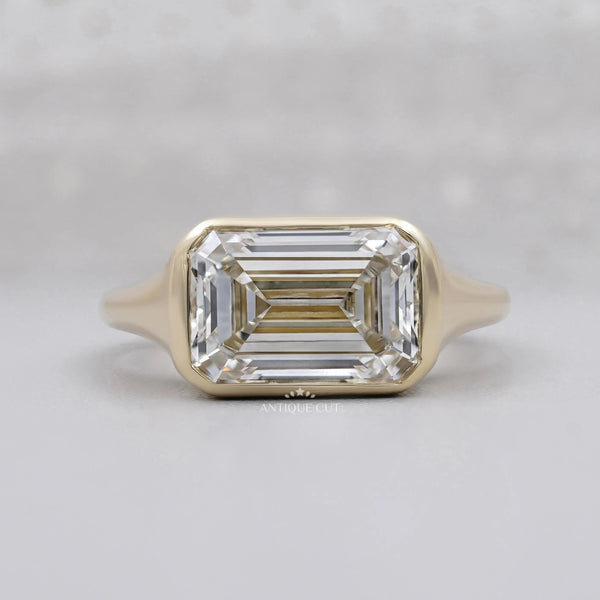
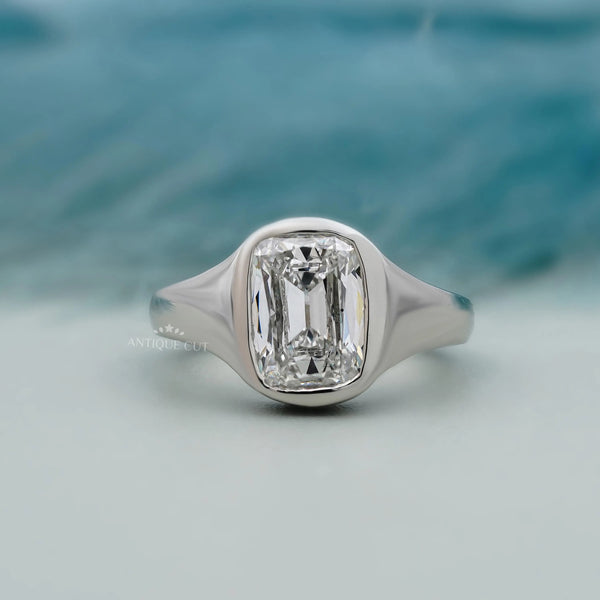
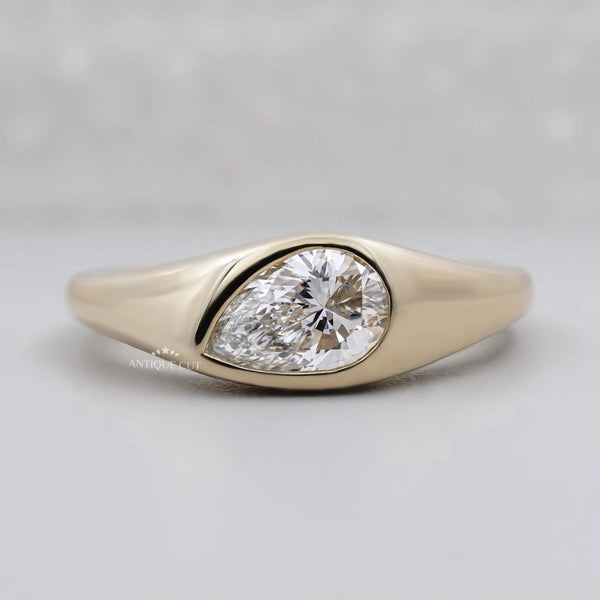
What to Check Before Buying Gold
| No. | What to Check | Why It Matters |
|---|---|---|
| 1 | Gold Origin | Shows where the material came from |
| 2 | New or Recycled | Identifies the type of gold used |
| 3 | Supply Chain | Shows how the material reached the jeweler |
| 4 | Sourcing Policy | Explains the company's approach |
| 5 | Certification | May support specific sourcing claims |
| 6 | Transparency | Helps you compare your options |
The Human Story Behind Gold
When you look at a finished gold ring, it is easy to focus on its design and meaning. Yet its journey began much earlier.
Someone mined the material. Someone transported it. Someone refined it. Someone shaped it into the piece eventually chosen by a customer.
That connection is easy to overlook.
For jewelry representing love, family, or an important milestone, understanding the material behind the piece can add another layer of meaning.
Responsible sourcing is ultimately about recognizing that precious materials come from real places and involve real people.
Final Thoughts
Dirty gold is not simply gold that has become dull or covered in residue. It describes gold associated with harmful, illegal, exploitative, or environmentally damaging sourcing practices.
Illegal mining can affect workers, communities, land, waterways, and ecosystems. Traceability and responsible sourcing can help businesses better understand where their materials come from.
As a shopper, start with simple questions: Where did the gold come from? Is it newly mined or recycled? Can the jeweler explain its supply chain?
Gold may be measured by weight and purity, but its story matters too. Understanding that story can help you choose jewelry with greater confidence.
Design Your Own Jewelry with Antiquecut
FAQs
1. What is dirty gold?
Dirty gold is gold associated with harmful, illegal, exploitative, or environmentally damaging mining and supply-chain practices.
2. Does gold get dirty?
Yes. Gold jewelry can collect oils, dust, lotion, makeup, and other residue through everyday wear. This is different from the term dirty gold.
3. Can gold get dirty over time?
Yes. Frequently worn gold jewelry can develop surface buildup and appear dull. Proper cleaning can remove everyday residue.
4. What is illegal mining?
Illegal mining is mining carried out without required authorization or in violation of applicable laws and regulations.
5. Why is illegal mining harmful?
It can contribute to environmental damage, water pollution, habitat destruction, unsafe working conditions, and labor concerns.
6. What is the difference between ethical gold and dirty gold?
Ethical gold generally refers to gold sourced with consideration for environmental, labor, human rights, and supply-chain concerns. Dirty gold is associated with harmful or irresponsible practices.
7. Is recycled gold ethical?
Recycled gold can reduce the need for newly mined material, but its origin and processing can still be worth investigating.
8. How can I tell if gold is responsibly sourced?
Ask the seller about its origin, supply chain, sourcing policies, and applicable certifications or standards.
9. Can dirty gold enter the jewelry supply chain?
Yes. Gold from problematic sources can enter legitimate supply chains when sourcing and traceability controls are weak.
10. Why should I care where my gold comes from?
Gold mining can affect workers, communities, land, water, and ecosystems. Knowing its source helps you make a more informed purchase.


