


There are dozens of types of semi precious stones used in jewelry, and knowing the difference between them can save you money and help you pick a stone that actually fits how you live. Whether you're shopping for a ring, a pair of earrings, or a pendant, semi precious stones give you color, character, and price options that the four precious stones diamond, ruby, sapphire, and emerald simply can't match. At Antiquecut, we work with dozens of these stones every week, cutting many of them in antique styles like rose cut and old mine cut, and we hear the same question from almost every customer: "What's actually semi precious, and what's just a marketing label?" This article breaks down the most common and rare semi precious stones on the market, how they stack up against precious stones, and what to check before you buy one.
What Are Semi Precious Stones?
The term “semi precious stones” is commonly used for jewelry gemstones other than the four materials traditionally called precious stones: diamond, ruby, sapphire, and emerald. That division is based on older trade language rather than a complete measure of beauty, rarity, quality, or value. Some gemstones placed in the semi precious category can be rarer and more expensive than lower-quality stones from the traditional precious group.
For example, fine Paraíba tourmaline, alexandrite, demantoid garnet, black opal, and red spinel can command high prices. Their value may be influenced by color, geographic origin, transparency, treatment status, size, and limited supply.
A more useful buying approach is to consider:
- The mineral or organic material
- Color quality
- Transparency and inclusions
- Cut and proportions
- Carat weight
- Treatment history
- Durability
- Geographic origin
- Availability
- Laboratory documentation
These factors explain much more about a gemstone than its broad commercial category.
Best Seller Collection
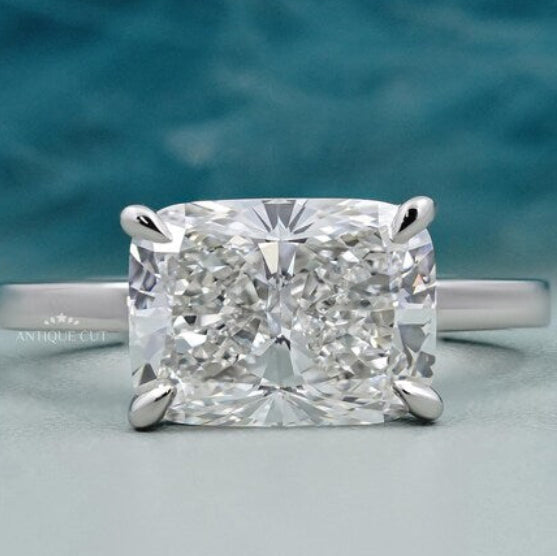
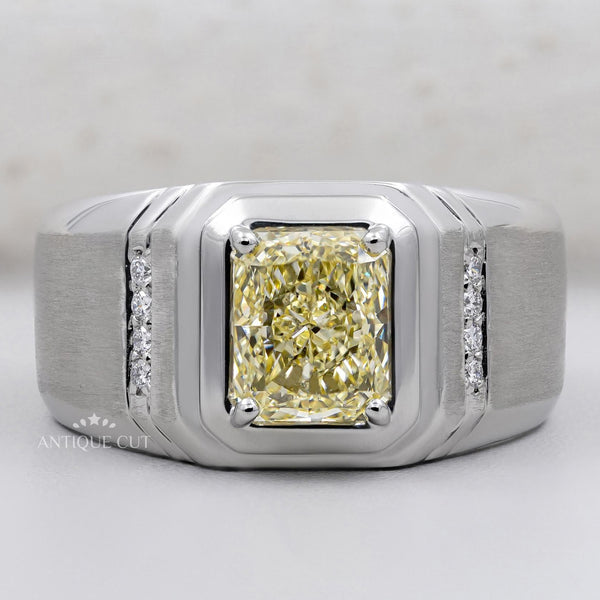
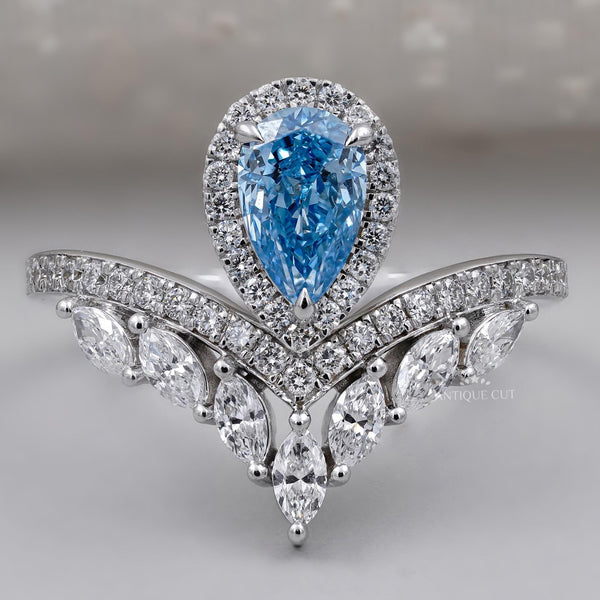
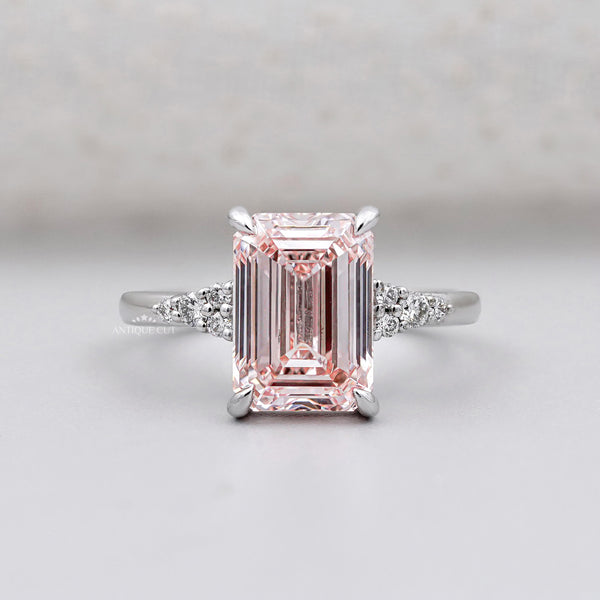
Why Are There So Many Types of Semi Precious Stones?
Gemstones form under different geological conditions. Heat, pressure, mineral content, water, volcanic activity, and chemical changes can all affect how crystals develop.
Small amounts of trace elements may also change a stone’s color. Tourmaline, for example, appears in pink, red, green, blue, yellow, brown, black, and mixed-color combinations. Garnet is often associated with dark red, yet the garnet family also includes orange, green, purple, pink, and color-change varieties.
Other stones gain their appearance through internal structure rather than a single body color. Opal can display shifting patches of spectral color. Moonstone may show a floating glow across its surface. Labradorite can produce blue, green, gold, or orange flashes when viewed from different angles.
This range gives jewelry buyers choices that cannot be found in colorless stones alone.
List of Semi Precious Stones: Quick Comparison Chart
| Stone | Typical Color | Mohs Hardness | Best Suited For |
|---|---|---|---|
| Amethyst | Purple to Violet | 7 | Rings, Earrings, Everyday Wear |
| Citrine | Yellow to Orange | 7 | Rings, Statement Pieces |
| Garnet | Red, Orange, Green | 6.5–7.5 | Rings, Signet Jewelry |
| Aquamarine | Pale Blue | 7.5–8 | Engagement Rings, Daily Wear |
| Topaz | Blue, Pink, Colorless | 8 | Rings with Secure Settings |
| Tourmaline | Pink, Green, Multi-Color | 7–7.5 | Rings, Pendants |
| Opal | Multi-Color Play | 5.5–6.5 | Earrings, Pendants |
| Moonstone | Blue-White Glow | 6–6.5 | Earrings, Pendants |
| Turquoise | Blue to Green | 5–6 | Pendants, Statement Rings |
| Rose Quartz | Soft Pink | 7 | Beaded Jewelry, Everyday Rings |
Rare Semi Precious Stones Worth Knowing About
Tanzanite is found in only one place on earth the Merelani Hills near Mount Kilimanjaro in Tanzania. Its blue-violet color and relative newness to the market (it was only discovered in 1967) have made it one of the most requested colored stones for engagement rings among buyers who want something outside the traditional sapphire-diamond-ruby set. Because the deposit is finite and geologists estimate it could be mined out within a few decades, tanzanite prices have climbed steadily.
Alexandrite is famous for changing color depending on the light source green under daylight, red-purple under incandescent light. Fine alexandrite, mostly sourced from Brazil and Sri Lanka today after the original Russian deposits were depleted, can command prices that rival top-quality sapphire.
Paraiba tourmaline gets its neon blue-green glow from copper content, a combination first discovered in Brazil's Paraiba state in the late 1980s. Because so little of it exists in facetable sizes, prices per carat can exceed many precious stones outright.
Semi Precious Stones for Engagement Rings
Colored stone engagement rings have grown steadily in the US market over the past decade, partly driven by a preference for something that stands out from a traditional diamond solitaire. If you're considering a semi precious stone for a ring you'll wear daily, hardness matters more than it does for earrings or a necklace.
Aquamarine and morganite are two of the most requested options for engagement rings right now, and it's worth comparing them directly. Aquamarine reaches 7.5–8 on the Mohs scale and holds a cool blue tone that pairs well with white or yellow gold. Morganite, a pink beryl, sits in the same hardness range but leans toward a warmer, blush-pink color that has become especially popular for rings paired with rose gold. Both are reasonably priced compared to sapphire, and both hold up to daily wear better than softer stones like opal or moonstone.
Which Semi Precious Stones Are Best for Rings?
Rings experience more contact than earrings and pendants. They may hit desks, door handles, exercise equipment, countertops, bags, and other jewelry. For this reason, selecting a ring stone requires attention to hardness, toughness, cleavage, stability, and setting design.
Stronger Choices for Regular Ring Wear
Spinel, aquamarine, morganite, many garnets, amethyst, citrine, tourmaline, and iolite may work in rings when worn responsibly. A bezel, partial bezel, halo, or protective prong layout can help shield vulnerable edges. Lower-profile settings may also reduce the chance of striking the stone.
Stones That Need More Protection
Opal, moonstone, turquoise, sunstone, labradorite, lapis lazuli, and malachite are better suited to buyers who understand their care requirements. These stones can still be used in rings, but the mounting should protect the stone and the wearer should remove the ring during cleaning, gardening, exercise, lifting, swimming, or household work.
Stones Better Suited to Earrings or Pendants
Very soft, porous, brittle, or fracture-prone materials often last longer in earrings and pendants because those pieces receive fewer direct impacts. Malachite, lapis lazuli, amber, fluorite, and certain opals are examples. Their use is not prohibited in rings; they simply require more careful handling.
How to Choose the Right Semi Precious Stone
Picking a stone usually comes down to three practical questions: how often you'll wear it, what setting you're putting it in, and what budget you're working with. If you're planning a lab grown hidden halo engagement ring, choosing a gemstone that complements the hidden halo setting while matching your lifestyle and budget can help you find a ring you'll enjoy wearing for years.
For daily wear pieces like a ring you won't take off, stick to stones rated 7 or higher on the Mohs scale amethyst, citrine, aquamarine, topaz, garnet, and tourmaline all qualify. Softer stones like opal, moonstone, turquoise, and lapis lazuli are better reserved for earrings, pendants, or rings you'll wear occasionally rather than every single day, since they're more prone to scratching from everyday contact with keys, countertops, and fabric.
Setting style matters too. A stone with a cleavage plane, like topaz, does better in a protective bezel setting than in exposed prongs, which can catch and chip the edge. Color-change stones like alexandrite are worth seeing under different lighting before you buy, since photos rarely capture the full effect.
Caring for Semi Precious Stone Jewelry
Most semi precious stones can be cleaned with warm water, a mild dish soap, and a soft toothbrush. Avoid ultrasonic cleaners for opal, turquoise, lapis lazuli, and emerald-family stones, since the vibrations and heat can worsen internal fractures or damage porous, treated material. Stones like citrine and amethyst can fade with prolonged sun exposure, so it's best to store them away from direct light when not being worn.
Store softer stones separately from harder ones. A diamond or sapphire ring tossed into the same drawer as a turquoise pendant can scratch it in seconds, since anything rated higher on the Mohs scale will damage anything rated lower. This is especially important for jewelry such as diamond two tone rings, as proper storage helps preserve both the precious metal finish and the diamond's appearance. A jewelry box with individual compartments, or even small fabric pouches, is an easy and affordable way to keep every piece protected.
Explore Fine Jewelry Collections at Antiquecut
Finding the right gemstone is just the beginning of creating a piece of jewelry you'll value for years to come. Antiquecut offers a wide selection of beautifully crafted engagement rings, wedding bands, and fine jewelry featuring lab grown diamonds in a variety of cuts and settings. Whether you prefer classic solitaire designs or styles with distinctive details, you'll discover collections designed to suit different preferences and budgets. Explore our jewelry collections to find a piece that reflects your personality and celebrates life's special moments.
Conclusion
The world of types of semi precious stones offers an incredible range of colors, characteristics, and choices for every jewelry lover. From popular gemstones like amethyst, blue topaz, garnet, and peridot to rare semi precious stones such as alexandrite, tanzanite, and tsavorite, each gemstone brings its own appeal. Learning what are semi precious stones and exploring a complete list of semi precious stones helps you compare options based on color, durability, rarity, and personal style.
Whether you're selecting a gemstone for an engagement ring, pendant, earrings, or another meaningful piece of jewelry, understanding these differences makes it easier to choose with confidence. If you're looking for expertly crafted jewelry with exceptional attention to detail, explore the collections at Antiquecut to discover designs that pair beautifully with both lab grown diamonds and colorful gemstones. The right gemstone is one that matches your style, fits your lifestyle, and becomes a cherished part of your jewelry collection for years to come.
FAQs
1. What are semi precious stones, exactly?
Semi precious stones are colored gemstones that fall outside the traditional "precious" category of diamond, ruby, sapphire, and emerald. The term is based on historical pricing and rarity rather than actual mineral quality, and many semi precious stones are just as durable and in some cases just as expensive as precious ones.
2. Are semi precious stones cheaper than precious stones?
Usually, but not always. Common stones like amethyst or citrine are inexpensive, while rare semi precious stones like tanzanite, Paraiba tourmaline, or fine alexandrite can cost more per carat than a mid-quality ruby or sapphire.
3. What is the rarest semi precious stone?
Paraiba tourmaline and tanzanite are generally considered among the rarest, since both come from single, limited deposits. Ammolite and larimar are also mined in only one region each, which keeps their supply tightly controlled.
4. Can semi precious stones be used in engagement rings?
Yes, as long as the stone is hard enough for daily wear. Aquamarine, morganite, garnet, and sapphire-adjacent stones rated 7 or higher on the Mohs scale hold up well in rings. Softer stones like opal or moonstone are better suited to occasional-wear pieces.
5. Is amethyst a semi precious stone?
Yes. Amethyst is one of the most widely available semi precious stones, valued for its purple color and its durability at 7 on the Mohs scale, making it a common choice for rings, earrings, and pendants.
6. Do semi precious stones lose value over time?
Common varieties like citrine or rose quartz tend to hold steady, modest value. Rarer stones from limited deposits tanzanite, Paraiba tourmaline, fine alexandrite have historically appreciated as mines near depletion, though gemstone value should never be treated as a guaranteed investment.


