


Learning how to stack bracelets is easier when you start with balance, comfort, and a clear base piece. A good bracelet stack does not need many pieces. It needs the right order, the right fit, and enough space so each bracelet can be seen without feeling crowded. Whether you like a gold bracelet stack, a silver bracelet stack, a tennis bracelet stack, or mixed stacking bracelets, the best result comes from building around your wrist size, daily routine, and personal taste.
Bracelet stacking can look simple, but small choices make a big difference. Width, metal color, clasp size, chain style, stone setting, and wrist movement all affect how the stack sits on the hand. Too many heavy pieces can feel bulky. Too many thin pieces can look messy. The goal is to create a stack that feels intentional without looking overdone.
At Antiquecut, bracelet styling often starts with one main bracelet and then builds around it. For many people, that main piece is a tennis bracelet, gold chain bracelet, silver link bracelet, paperclip bracelet, bangle, or diamond bracelet. Once the base is chosen, the rest of the stack can be added slowly.
What Is a Bracelet Stack?

A bracelet stack is a group of two or more bracelets worn together on the same wrist. The pieces may match closely, or they may differ in metal, shape, width, or texture. Some stacks are clean and minimal with two pieces, while others use five or more bracelets for a fuller wrist look.
A bracelet stack women often choose may include a tennis bracelet, a small chain bracelet, one bangle, and a personal bracelet with initials, birthstones, or a meaningful charm. A gold bracelet stack may use yellow gold chains with one diamond piece. A silver bracelet stack may use cooler-toned chains, cuffs, and white stones.
Stacking bracelets works best when the bracelets have some relationship to each other. That relationship can come from color, size, shape, or theme. For example, three yellow gold bracelets with different chain patterns can work well because the metal color connects them. A tennis bracelet and a thin gold chain can also work because one adds structure while the other keeps the stack soft and wearable.
Why Bracelet Stacking Is Popular
Bracelet stacking is popular because it lets people wear several pieces without needing each bracelet to stand alone. It also gives flexibility. You can wear one bracelet on a quiet workday, add a tennis bracelet for dinner, or create a fuller stack for a party or trip.
Another reason people like stacking bracelets is that it allows old and new jewelry to work together. A gift bracelet, wedding bracelet, tennis bracelet, travel purchase, or family piece can all become part of one stack. This makes the wrist feel personal, not copied from a display case.
For USA shoppers, bracelet stacks are also practical. Many buyers want jewelry that works across work, weekends, dinners, weddings, and travel. A stack makes that easier because you can add or remove pieces based on the day.


Step 1: Start With One Main Bracelet
The first step in stacking bracelets is choosing one main bracelet. This piece gives direction to the full stack. It may be the most expensive bracelet, the widest bracelet, the bracelet with diamonds, or the piece you wear most often.
Good base pieces include:
- Tennis bracelet
- Gold chain bracelet
- Silver link bracelet
- Bangle
- Cuff bracelet
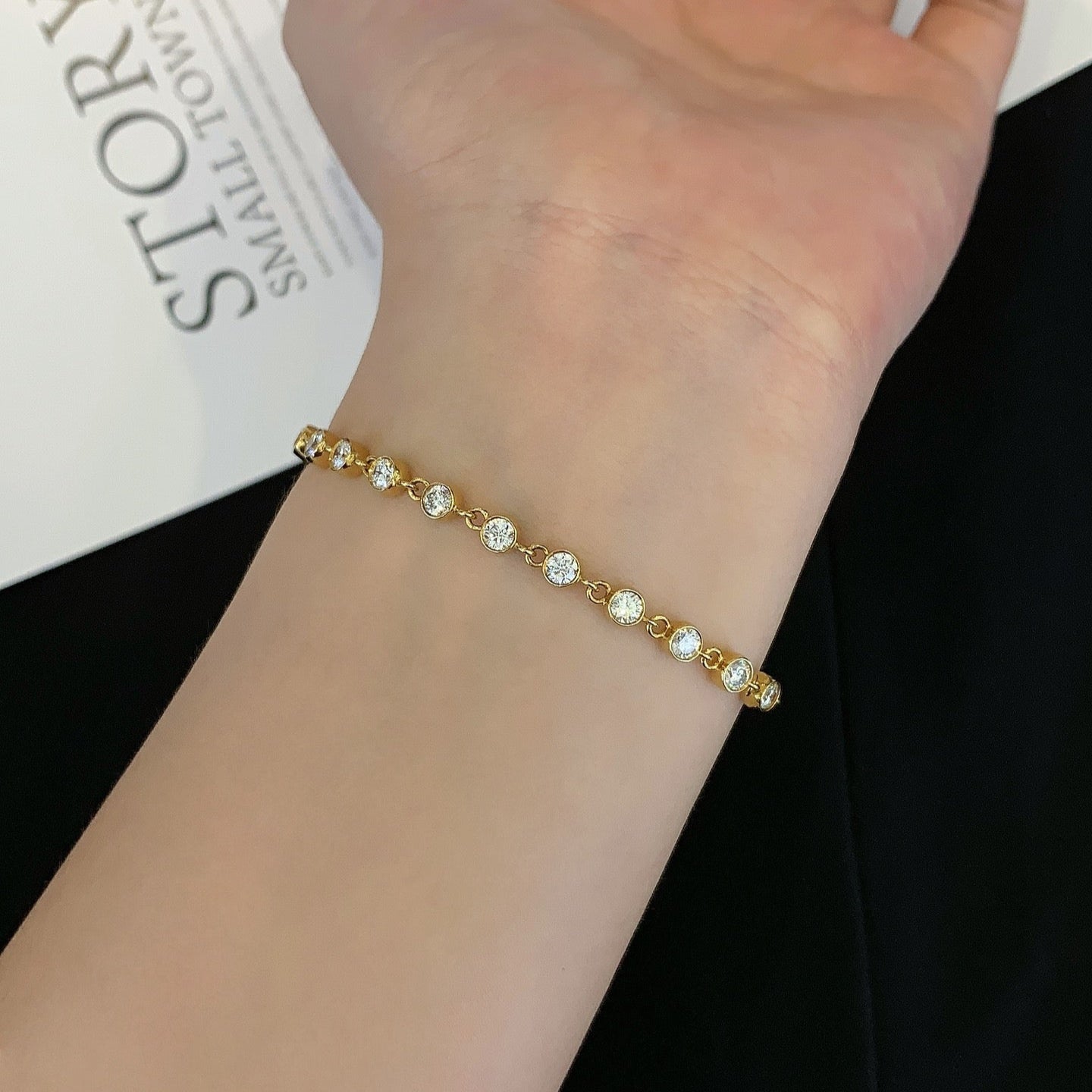
- Bezel diamond bracelet
- Paperclip bracelet
- Name or initial bracelet
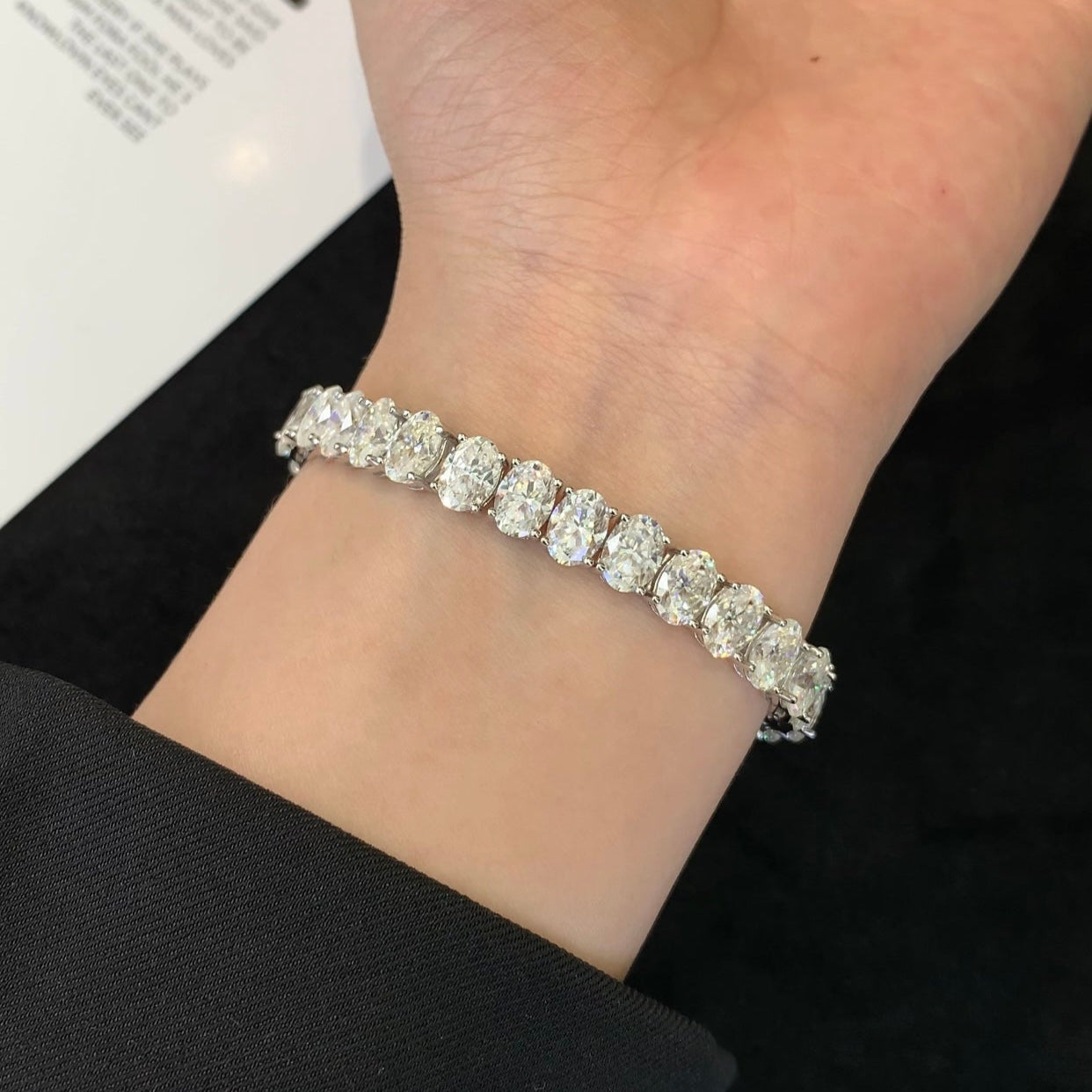
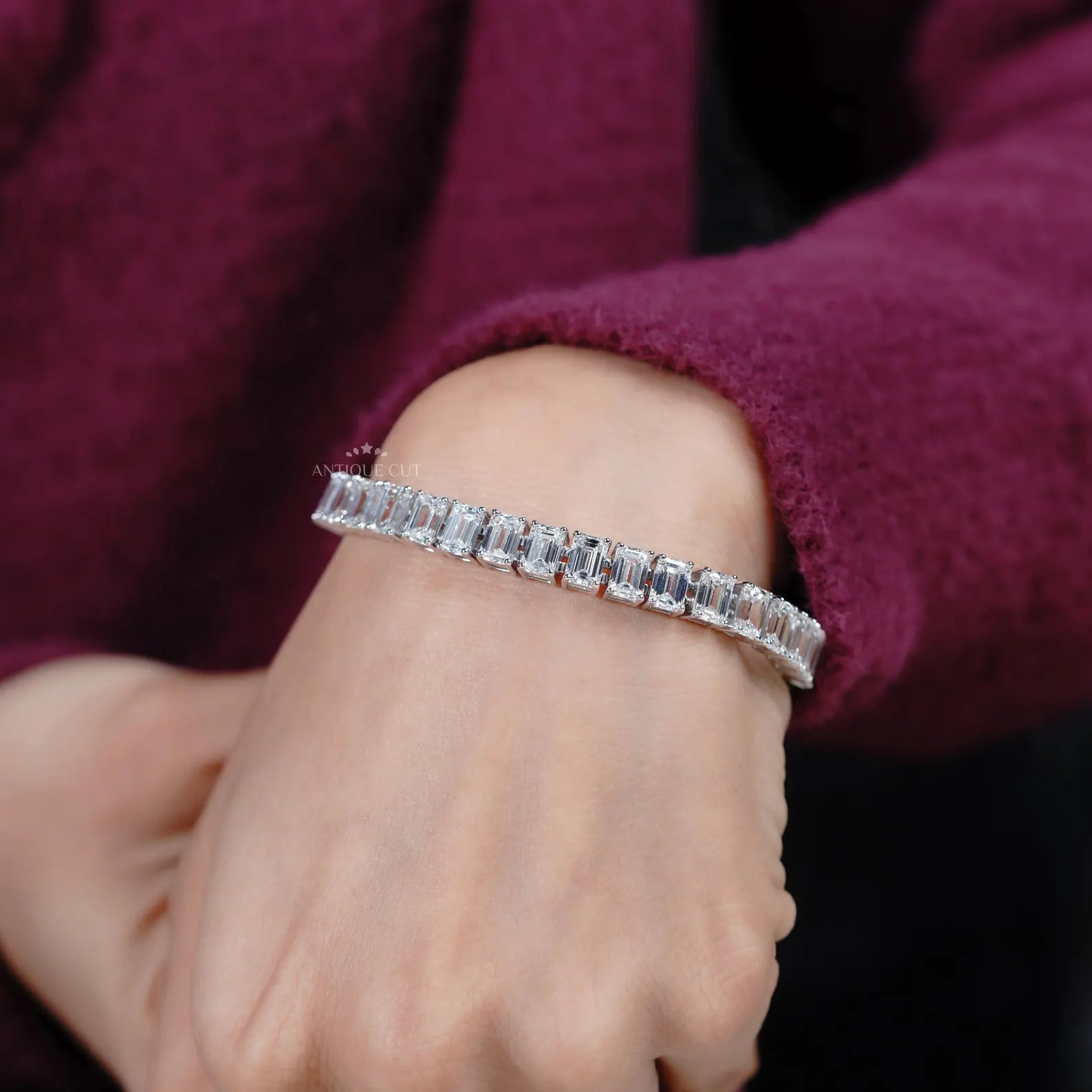
A tennis bracelet stack often starts with the tennis bracelet as the anchor because it has a clear line of stones and a set shape. A gold bracelet stack may start with a medium-width gold chain because it gives the wrist weight. A silver bracelet stack may start with a polished cuff or link bracelet because it creates a clean base.
Once the main piece is selected, add only one or two supporting pieces at first. This helps you see what the stack needs instead of adding too much too quickly.
Bracelet Stack Sizing Table
| Wrist Size | Suggested Bracelet Length | Stack Style That Usually Works | Best For |
|---|---|---|---|
| 5.75–6.0 in | 6.25–6.5 in | Thin chains, small tennis bracelet, slim bangle | Petite wrists |
| 6.0–6.5 in | 6.5–7.0 in | 2–4 piece bracelet stack | Daily wear |
| 6.5–7.0 in | 7.0–7.5 in | Tennis bracelet stack with chain mix | Most women |
| 7.0–7.5 in | 7.5–8.0 in | Wider links, bangles, cuff mix | Fuller wrist look |
| 7.5+ in | 8.0+ in | Adjustable chain, larger links, open cuff | More comfort |
Step 2: Create a Gold Bracelet Stack
A gold bracelet stack can be simple or full, depending on the chain types. Yellow gold has strong color, so the stack does not need many pieces to feel complete.
Start with one gold chain bracelet. Add one slimmer gold bracelet with a different link shape. If you want stones, add a diamond bracelet in yellow gold. If you want a more relaxed look, add a small beaded bracelet in a warm tone.
Good gold bracelet stack combinations include:
- Paperclip bracelet + rope chain + tennis bracelet
- Curb chain + thin cable chain + bangle
- Gold bangle + diamond station bracelet + box chain
- Watch + gold chain + small tennis bracelet
The main thing is link variety. A paperclip chain, rope chain, and curb chain all look different. When mixed carefully, they make the wrist more interesting without needing color.
Step 3: Create a Silver Bracelet Stack
A silver bracelet stack works well for people who wear white gold rings, platinum rings, or cooler wardrobe colors. Silver can also give a clean base for diamond jewelry.
Start with one smooth silver or white gold bracelet. Add a chain with a different link pattern. Then add a tennis bracelet, cuff, or thin bangle. Since silver-toned metals can look similar from a distance, texture becomes more important.
Good silver bracelet stack combinations include:
- Silver box chain + white gold tennis bracelet + slim cuff
- Silver paperclip bracelet + small bangle + diamond station bracelet
- White gold tennis bracelet + silver snake chain + plain link bracelet
- Watch + silver chain + white gold bracelet
If using sterling silver with white gold or platinum, remember that sterling silver may need more cleaning over time. Store pieces separately so they do not rub against each other.
Step 4: Stack Bracelets With a Watch
A watch can become the anchor of a bracelet stack. The easiest way to style it is to choose bracelets that match the watch metal.
If the watch is yellow gold, use yellow gold bracelets. If the watch is silver or stainless steel, use silver, white gold, or platinum-toned bracelets. If the watch is two-tone, you can use both yellow and white metals.
Keep harder bracelets away from watch faces and polished cases, especially if you want to reduce scratches. A soft chain bracelet is often better beside a watch than a hard bangle. A tennis bracelet can work, but it should not hit the watch case too often.
For daily use, wear the watch first and add one bracelet above it. For a fuller look, add one bracelet on each side of the watch.
Step 5: Use Color Carefully
Color can make a bracelet stack feel personal, but too much color can make it harder to style with clothing. If you are new to stacking bracelets, use one color accent at a time.
Colored stones, enamel, beads, birthstones, and cord bracelets can all work in a bracelet stack. The easiest method is to keep metal consistent and let one colored piece stand out. For example, a yellow gold bracelet stack with one green stone bracelet can look planned. A silver bracelet stack with one blue stone bracelet can also work well.
If the stack already includes diamonds, use color lightly. Diamonds and colored stones can work together, but the metal and size should still feel balanced.
Step 6: Match Bracelet Stack to Rings
Bracelets and rings sit close together visually, so they should not fight each other. If you wear a yellow gold engagement ring, a gold bracelet stack usually feels natural. If your ring is white gold, a silver bracelet stack or white gold tennis bracelet stack may work better.
You do not need every piece to match exactly. The connection can be metal color, stone shape, or design feel. For example, a bezel-set diamond ring can pair well with a bezel tennis bracelet. A solitaire ring can pair well with a clean chain stack. A vintage-inspired ring can pair with a bangle, tennis bracelet, or engraved piece.
If your rings are already bold, keep the bracelet stack simpler. If your rings are minimal, the bracelet stack can carry more detail.
Step 7: Think About Daily Wear
A bracelet stack should fit your real life. If you type all day, cook often, care for children, work with fabric, or travel a lot, choose pieces that do not catch or swing too much.
For daily wear, avoid stacks with too many charms, sharp edges, or loose bangles. Thin chains, tennis bracelets with secure clasps, and close-fitting bangles are often easier.
For travel, wear fewer bracelets and choose secure clasps. For work, choose pieces that do not make noise on the desk. For dinner or events, you can add one statement piece or a larger tennis bracelet.
The best stack is one you can actually wear, not just photograph.


How to Choose Quality Stacking Bracelets
When buying stacking bracelets in the USA, check the metal, clasp, stone setting, and return policy. Solid gold, white gold, rose gold, platinum, and sterling silver all have different price points and care needs.
Gold-plated bracelets can be affordable, but the outer layer may wear over time. Solid gold costs more but is better for long-term use. Sterling silver is budget-friendly, but it can tarnish and may need regular cleaning. White gold may need rhodium service over the years, depending on wear.
For diamond bracelets, check stone security. Tennis bracelets should have even settings, a good clasp, and a safety lock if possible. If buying online, review the length, metal type, stone size, and production time before placing the order.
A bracelet stack women plan to wear often should be comfortable first. A beautiful bracelet that scratches, catches, or turns too much may stay in the box.
Final Thoughts
Mastering how to stack bracelets is about developing a sense of balance, proportion, and personal expression. Whether you are building a gold bracelet stack, a silver bracelet stack, or experimenting with a tennis bracelet stack, the key lies in thoughtful layering.
At Antiquecut, every bracelet combination is viewed as a composition of structure and detail, where each piece contributes to a unified wrist design. With practice, stacking becomes a natural part of personal styling, allowing endless combinations that reflect individuality and intention.
FAQs
1. How many bracelets should be in a stack?
Most beginners should start with two or three bracelets. This gives enough layering without making the wrist feel heavy. Once you understand fit and balance, you can add more.
2. Can I mix gold and silver bracelets?
Yes, gold and silver can be mixed. Repeat each metal at least once so the mix looks planned. A two-tone bracelet can also help connect both metals.
3. What bracelet should I start with?
Start with your main bracelet. This can be a tennis bracelet, chain bracelet, bangle, cuff, or watch. Build the rest of the stack around that piece.
4. How do I stack a tennis bracelet?
Place the tennis bracelet where it stays visible and comfortable. Pair it with a thin chain, plain bangle, or small link bracelet. Avoid covering it with too many large pieces.
5. Can I wear a bracelet stack every day?
Yes, but choose comfortable pieces with secure clasps. For daily wear, avoid too many charms, sharp edges, and loose bangles that may catch on clothing or desk surfaces.
6. Should bracelet stacks match my rings?
They do not need to match exactly, but they should feel connected. Matching metal color is the easiest method. You can also connect them through stone shape or setting style.
7. What is the best bracelet size for stacking?
The best size depends on your wrist. Many women wear 6.5 to 7.5 inches, but measuring your wrist is the safest choice. Add a little room for comfort.
8. Is a gold bracelet stack better than a silver bracelet stack?
Neither is better. A gold bracelet stack works well with warm metals and yellow gold rings. A silver bracelet stack works well with white gold, platinum, and cooler-toned jewelry.
9. Can I stack bracelets on both wrists?
Yes, but keep one wrist simpler if the other wrist has a fuller stack. This keeps the overall look balanced and easier to wear.
10. How do I stop bracelets from tangling?
Choose bracelets with slightly different weights and textures. Keep lengths close, but not identical. Avoid wearing too many thin chains together if they twist often.


