


Choosing a gemstone that represents your birth month is a tradition enjoyed by people around the world. A birthstone chart helps you quickly identify the gemstone linked to each month while also explaining its color, history, and symbolism. Whether you're shopping for jewelry, celebrating a birthday, or simply curious about gemstones, understanding birthstones adds another layer of meaning to your purchase.
A birthstones chart is much more than a simple list of gemstones. Every birthstone carries a story that has developed over centuries through different cultures and traditions. Many people believe these gemstones represent qualities such as wisdom, courage, peace, prosperity, protection, and love.
Today, birthstone jewelry has become one of the most popular gift choices because it combines personal meaning with lasting beauty. Whether set in rings, necklaces, bracelets, or earrings, birthstones allow people to celebrate life's special moments in a unique way.
At Antiquecut, we believe every gemstone tells a story. Understanding the birthstone chart by month and meaning helps you choose jewelry that reflects personality, tradition, and individual style.
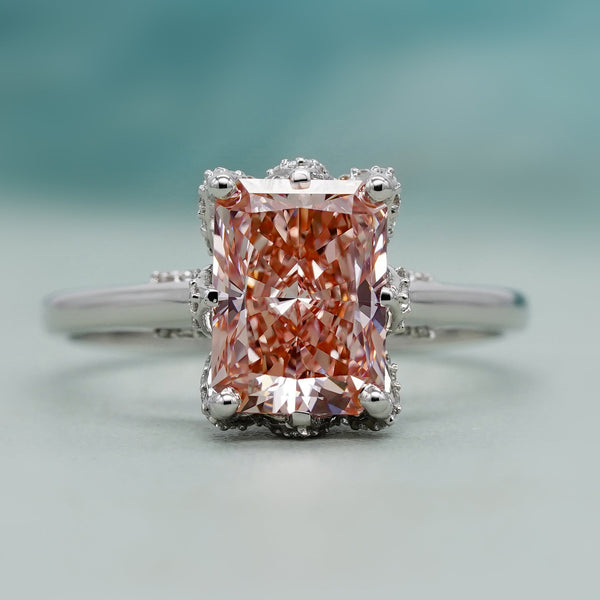

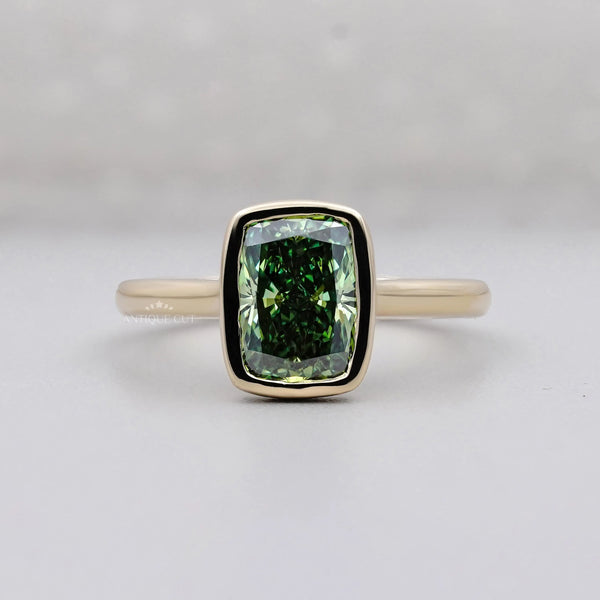
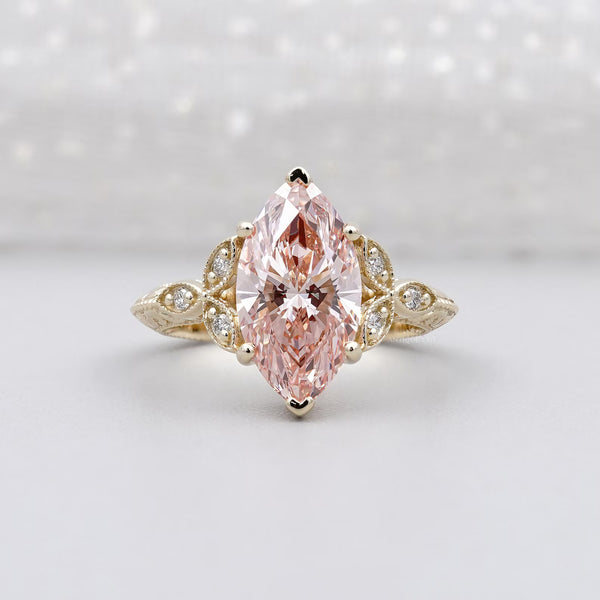
Understanding the Birthstone Chart and Its History
A birthstone chart organizes gemstones according to each month of the year, making it easy to identify the traditional and modern birthstone associated with a person's birthday. Although different cultures have recognized symbolic gemstones throughout history, the modern birthstone list became standardized in the early 20th century and remains widely accepted today.
The tradition dates back thousands of years and is often linked to the twelve gemstones described in the biblical Breastplate of Aaron. Over time, these gemstones became associated with the twelve months of the year, eventually evolving into the monthly birthstones chart we know today. Different civilizations believed these gems offered protection, healing, prosperity, wisdom, and good fortune.
Today, birthstones are worn not only for their beauty but also for their symbolic meanings. Many jewelry enthusiasts choose birthstone jewelry because it creates a deeper emotional connection than ordinary gemstones. Whether you're purchasing a ring, pendant, earrings, or bracelet, understanding the birthstone chart by month helps you make a meaningful and personalized choice.
Birthstone Chart by Month and Meaning
Below is a complete birthstone chart by month and meaning that includes each month's traditional gemstone, its primary color, and symbolic significance.
| Month | Birthstone | Color | Meaning |
|---|---|---|---|
| January | Garnet | Deep Red | Protection, Strength, Friendship |
| February | Amethyst | Purple | Wisdom, Peace, Clarity |
| March | Aquamarine | Light Blue | Courage, Serenity, Health |
| April | Diamond | Clear | Love, Purity, Eternal Strength |
| May | Emerald | Green | Growth, Hope, Prosperity |
| June | Pearl, Alexandrite, Moonstone | White, Color-Changing | Purity, Balance, Luck |
| July | Ruby | Red | Passion, Love, Courage |
| August | Peridot | Green | Happiness, Success, Protection |
| September | Sapphire | Blue | Wisdom, Loyalty, Truth |
| October | Opal, Tourmaline | Multi-Color, Pink | Creativity, Hope, Inspiration |
| November | Topaz, Citrine | Golden Yellow | Abundance, Joy, Confidence |
| December | Turquoise, Tanzanite, Zircon | Blue | Peace, Prosperity, Good Fortune |
Birthstone Chart by Month and Meaning

Each gemstone carries its own symbolism. Let's explore the first four months in detail.
January – Garnet
Garnet features a rich red color that symbolizes loyalty, protection, and lasting friendship. Although red is the most recognized shade, garnets also appear in green, orange, and purple varieties. Many people choose garnet rings and pendants because of their durability.
February – Amethyst
Amethyst is famous for its striking purple color. It represents peace, wisdom, and emotional balance. Therefore, it remains one of the most popular gemstones for everyday jewelry.
March – Aquamarine
Aquamarine displays beautiful ocean-blue shades. Traditionally, it symbolizes courage, honesty, and tranquility. Its soft appearance makes it a favorite choice for necklaces and engagement rings.
April – Diamond
Diamonds are admired for their exceptional hardness and brilliant appearance. They symbolize everlasting love, strength, and commitment. Consequently, diamonds remain one of the most requested gemstones worldwide.
May – Emerald
Emerald is recognized for its rich green color. It represents renewal, prosperity, and wisdom. Because of its vibrant appearance, emerald jewelry stands out in every collection.
June – Pearl, Alexandrite, and Moonstone
June offers three beautiful birthstones.
- Pearl symbolizes purity and sincerity.
- Alexandrite represents transformation because it changes color under different lighting.
- Moonstone reflects balance, intuition, and inner peace.
This variety allows buyers to select a gemstone that suits their personal preferences.
July – Ruby
Ruby is associated with love, confidence, and prosperity. Its vivid red color has made it one of history's most treasured gemstones. Moreover, ruby jewelry creates an eye-catching statement for any occasion.
August – Peridot, Spinel, and Sardonyx
August provides three distinctive birthstones.
- Peridot features a bright green color and represents positivity.
- Spinel appears in several colors while symbolizing strength.
- Sardonyx combines earthy shades and reflects courage and stability.
As a result, August birthdays enjoy plenty of gemstone choices.
September – Sapphire
Sapphire is best known for its royal blue appearance. It represents honesty, wisdom, and loyalty. Besides blue, sapphires naturally occur in several other colors, giving buyers additional options.
October – Opal and Tourmaline
October includes two colorful gemstones.
- Opal displays flashes of multiple colors that make every stone unique.
- Tourmaline appears in pink, green, blue, and bi-color varieties.
Together, they symbolize creativity, optimism, and emotional strength.
November – Topaz and Citrine
Topaz often appears in blue, yellow, and golden shades.
- Citrine is admired for its warm golden-orange color.
Both gemstones represent happiness, success, and positive energy. Therefore, they remain excellent choices for meaningful gifts.
December – Turquoise, Tanzanite, and Zircon
December birthstones feature beautiful shades of blue.
- Turquoise symbolizes protection.
- Tanzanite represents transformation.
- Zircon reflects wisdom and prosperity.
Because each gemstone offers a unique appearance, buyers can easily find one that matches their preferences.
Why Birthstones Continue to Be Popular Today
Birthstones remain one of the most meaningful gemstone traditions because they combine personal identity with timeless beauty. Unlike ordinary jewelry, birthstone pieces celebrate birthdays, milestones, anniversaries, family connections, and memorable life events. Their sentimental value often exceeds their monetary worth.
Modern jewelry designers have embraced birthstones in innovative ways, creating stackable rings, family necklaces, personalized bracelets, mother's rings, and custom engagement rings featuring one or multiple birthstones. This flexibility allows people to create jewelry that tells their unique story while incorporating the symbolism of their favorite gemstones.
Whether you're buying jewelry for yourself or selecting a thoughtful gift, a birthstone chart serves as an excellent guide. Understanding the birthstones chart, the birthstone chart by month, and the birthstone colors by month chart ensures you choose a gemstone that reflects personality, meaning, and style. As trends evolve, birthstones continue to remain timeless symbols of love, celebration, and individuality.
History of the Birthstone Chart
The origins of the birthstone chart date back thousands of years. Many historians connect birthstones to the twelve gemstones described in the Breastplate of Aaron mentioned in the Bible. Over time, different cultures associated these stones with the twelve months of the year and the zodiac signs.
During the eighteenth century, jewelers in Poland popularized the idea of wearing a gemstone according to one's birth month. This custom gradually spread across Europe before becoming common in North America.
In 1912, the American jewelry industry established a standardized list of birthstones for each month. While some updates have been introduced over the years, the overall structure remains familiar today.
Because gemstone discoveries continue and consumer preferences evolve, certain months now feature multiple birthstones. This gives buyers greater flexibility when choosing jewelry.
Birthstone Colors by Month Chart

This birthstone colors by month chart provides an easy way to identify each month's traditional gemstone color while shopping for jewelry.
| Month | Birthstone Color |
|---|---|
| January | Deep Red |
| February | Purple |
| March | Light Blue |
| April | Clear |
| May | Rich Green |
| June | White, Cream, Color-Changing |
| July | Red |
| August | Green, Red, Brown |
| September | Royal Blue |
| October | Multi-Color, Pink |
| November | Golden Yellow, Orange |
| December | Blue, Blue-Green, Blue-Violet |
Tips for Buying Birthstone Jewelry
Whether you're purchasing a gift or treating yourself, keeping a few practical tips in mind can help you make a confident decision.
Check Gemstone Authenticity
Always buy from a trusted jeweler who provides information about the gemstone's origin and quality.
Consider Everyday Wear
Harder gemstones such as diamonds, sapphires, and rubies are better suited for rings worn daily.
Select the Right Metal
Different metals can enhance the appearance of a gemstone.
- White Gold complements blue and white gemstones.
- Yellow Gold pairs beautifully with green, red, and golden stones.
- Rose Gold adds warmth to pink, purple, and soft-colored gemstones.
- Platinum offers durability and a bright finish for almost every birthstone.
Think About Personal Style
Some people prefer bold statement jewelry, while others enjoy minimalist designs. Choose a piece that reflects the wearer's personality and lifestyle.
Set a Budget
Birthstone jewelry is available at a wide range of price points. Comparing gemstones, settings, and metal options can help you find the perfect balance between beauty and value.
How to Care for Birthstone Jewelry
Proper care helps preserve the beauty of your birthstone jewelry for years.
- Clean Regularly
Use warm water, mild soap, and a soft brush to remove dirt and oils.
- Store Properly
Place each jewelry piece in a separate soft pouch or lined jewelry box to prevent scratches.
- Avoid Harsh Chemicals
Remove jewelry before using household cleaners, perfumes, lotions, or swimming in chlorinated pools.
- Schedule Professional Inspections
Have gemstone settings checked periodically to ensure stones remain secure.
- Handle Softer Stones Carefully
Pearls, opals, turquoise, and moonstones require extra care because they are more susceptible to scratches and damage.
Why Choose Antiquecut for Birthstone Jewelry?
Choosing a trusted jeweler is just as important as selecting the right gemstone. At Antiquecut, we focus on exceptional craftsmanship, carefully selected gemstones, and designs made to celebrate life's meaningful moments.
When you shop with Antiquecut, you can expect:
- Carefully selected natural and lab-grown gemstones
- Expert craftsmanship
- High quality precious metals
- Personalized jewelry options
- Excellent customer support
- Beautiful designs for birthdays, anniversaries, and special occasions
Whether you're searching for a birthstone ring, pendant, bracelet, or earrings, Antiquecut offers jewelry that combines quality with personal meaning.
Conclusion
A birthstone chart is much more than a list of gemstones—it represents centuries of tradition, symbolism, and personal expression. Each month is connected to a beautiful gemstone that carries unique meanings, colors, and characteristics. Whether you're exploring the birthstone chart by month and meaning, comparing the birthstones by month chart, or using the monthly birthstones chart to choose meaningful jewelry, understanding these gemstones adds a deeper appreciation for their beauty.
From January's protective Garnet to December's peaceful Turquoise, every birthstone tells a story worth celebrating. Whether you're purchasing a birthday gift, commemorating a milestone, or selecting an engagement ring with personal significance, birthstones offer a timeless way to create lasting memories.
Design Your Own Jewelry with Antiquecut
FAQs
1. What is a birthstone chart?
A birthstone chart lists the official gemstone associated with each birth month along with its color and symbolic meaning.
2. Why do some months have multiple birthstones?
Several months offer alternative birthstones to provide more color choices, availability, and price options.
3. Which birthstone is the hardest?
Diamond, the birthstone for April, is the hardest natural gemstone.
4. Can I wear a birthstone that is not my birth month?
Yes. Many people choose gemstones based on personal preference, family connections, or favorite colors.
5. Which birthstone changes color?
Alexandrite, one of June's birthstones, changes color under different lighting conditions.
6. What is the rarest birthstone?
Alexandrite and fine-quality Tanzanite are considered among the rarest birthstones.
7. Which birthstone represents love?
Ruby and Diamond are commonly associated with love and commitment.
8. Are birthstones suitable for engagement rings?
Yes. Diamonds, sapphires, emeralds, rubies, and other durable birthstones are popular choices.
9. How do I care for birthstone jewelry?
Clean jewelry regularly with appropriate methods, avoid harsh chemicals, and store each piece separately to prevent scratches.
10. Where can I buy high-quality birthstone jewelry?
Antiquecut offers a carefully crafted selection of birthstone rings, necklaces, earrings, bracelets, and personalized jewelry for every birth month.


