


If you're shopping for an engagement ring or wedding band, you've probably heard platinum described as the toughest metal in the jewelry case. So it surprises plenty of buyers when a brand-new band picks up fine lines within the first month. That leads to the question jewelers hear constantly: does platinum scratch? Yes, it does. But what happens when platinum scratches is completely different from what happens to gold, and that difference is the reason jewelers still recommend platinum for rings you plan to wear every single day. This guide covers why platinum ring scratches behave the way they do, how platinum compares to white gold and other metals, and what it costs in the US to fix marks you don't like.
Does Platinum Scratch? The Short Answer
Yes, platinum scratches. In fact, a platinum ring often shows fine surface marks sooner than a 14K white gold ring. The difference is what happens next: when platinum scratches, the metal is pushed aside rather than shaved off, so the ring loses almost none of its weight. Gold sheds a small amount of metal with every scratch and slowly wears thin over the years.
This is where two terms get mixed up: hardness and durability. Hardness is how well a surface resists scratching. Durability is how well the metal holds up over a lifetime of wear. Platinum rings sold in the US are usually 90 to 95 percent pure, which keeps the surface relatively soft. Gold rings are heavily alloyed, since 14K gold is only 58.3 percent gold, and those added metals harden the surface. A white gold band may shrug off light contact a little longer at first, but it pays for it later by losing metal year after year. Platinum keeps nearly all of its mass for decades, which is why estate platinum rings from the 1920s are still being worn today.
The point pushes metal aside. Ridges rise along the groove — the platinum moves, it doesn't leave the ring.
No metal lost — polishes back to full weight
The point carves metal out. Tiny flakes break away — every scratch and every polish removes a little gold.
Metal shaved away — the band thins over years
Why a Platinum Scratch Turns Into Patina
Here's the part most first-time buyers don't expect. As thousands of tiny scratches build up on platinum, they blend into a soft, satin-like finish called patina. Each scratch is displaced metal, little ridges rather than missing grooves, so light spreads across the surface in a muted glow instead of one sharp reflection.
Reactions to patina split ring owners into two camps. Some people love it. The softer surface makes a center diamond stand out more by contrast and gives the ring a worn-in, heirloom character. Others want the mirror shine back. The good news is that patina isn't damage. Any bench jeweler can polish a platinum band back to a high shine in a short visit, and because the metal was moved rather than removed, polishing restores the surface without meaningfully thinning the ring.
Platinum Scratch Resistance vs. Gold
Platinum vs. 14K White Gold
This is the matchup most American engagement ring shoppers weigh, since the two metals look nearly identical when new. 14K white gold has the harder surface, so it resists light scuffs a bit longer out of the box. But white gold isn't naturally white. It's coated in rhodium plating that wears off, letting a faint yellow tone show through. Most US jewelers charge roughly $60 to $120 to replate, and a daily-wear ring needs it every year or two. Platinum is naturally white all the way through, so scratches never expose a different color underneath, and there's no plating bill for the next forty years. For a deeper breakdown, see our platinum vs. white gold guide.
Platinum vs. 18K Yellow Gold
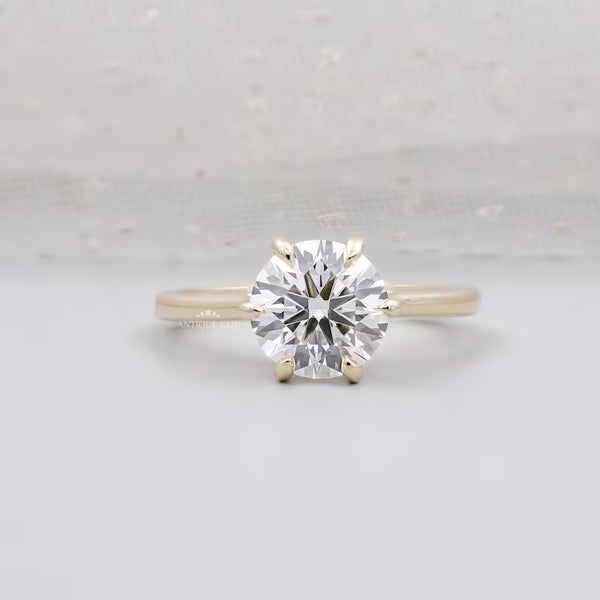
18K gold is 75 percent pure, which makes it noticeably softer than 14K. It scratches more readily than platinum and loses metal at the same time, which is the worst of both problems for an everyday ring. That's why many US jewelers set 18K gold rings with platinum prong heads: gold supplies the warm color while platinum grips the diamond. If you love yellow gold, just plan on more frequent checkups.


How to Prevent Platinum Ring Scratches
You can't stop patina completely, and honestly you shouldn't try, since normal wear is exactly what platinum is built for. What you can do is avoid the deep gouges that need professional attention. A few habits go a long way:
- Take the ring off for the gym, yardwork, and moving furniture. Barbell knurling and garden tools cause the deep marks a quick polish can't erase.
- Never stack it against a diamond band. Diamond is the hardest natural material and will cut into platinum wherever the two rings rub.
- Store it in its own slot or pouch. A jewelry dish where rings pile together is where a lot of mystery scratches come from.
- Clean it with warm water, a drop of dish soap, and a soft toothbrush. Grit trapped in everyday grime acts like sandpaper. Full steps are in our ring cleaning guide.
An annual checkup at a local jeweler covers the rest. They'll tighten the prongs and buff out anything that bothers you in one visit.
Removing Scratches From Platinum: What It Costs in the US
Because scratched platinum still has all of its metal, repair is straightforward. A light machine polish at most American jewelers runs about $25 to $60, and a deeper refinish with texture restoration typically lands between $75 and $150. Before you pay anything, check your paperwork. Many national chains and independent jewelers include lifetime cleaning and polishing with the original purchase, and it is a question worth asking before you buy. This matters even more if you are comparing a platinum band with a diamond ring under 1000, because long-term care costs can change the real value of the ring over time.
One tip from the bench: don't over-polish. A once-a-year shine, or a touch-up before anniversaries and photos, is plenty. Some owners skip the debate entirely by choosing a brushed or satin finish from day one, where light scratches blend in instead of standing out.
Buying Platinum in the USA: What to Check Before You Pay
Flip the ring over and read the stamp. Under FTC jewelry guides, a ring marked simply "Platinum" or "PLAT" in the US should be at least 95 percent pure, while blends between 85 and 95 percent must show the number, such as "900 Pt." Purity matters here because it's the reason the scratch behavior works in your favor.
Still Choosing Between Platinum and White Gold?
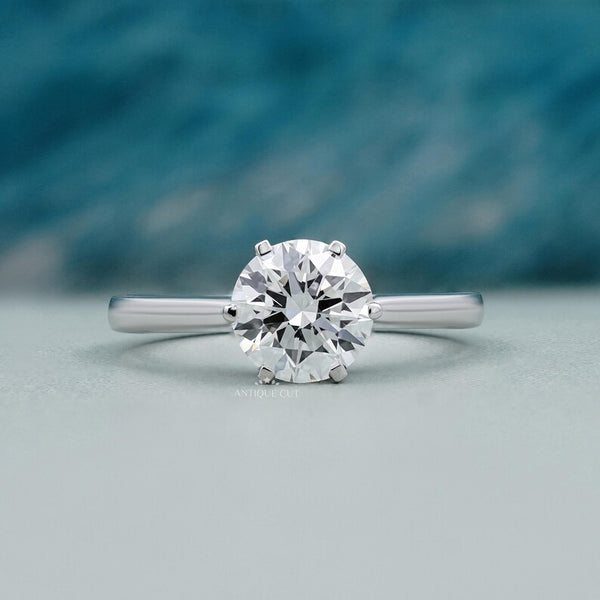
Platinum scratches, but it keeps its metal. If you want a ring made for daily wear, long-term stone security, and a naturally white finish, explore platinum engagement rings from Antiquecut.
Why Buyers Pick Platinum
- No rhodium replating needed
- Holds metal weight over years
- Strong choice for prongs
- Natural white color throughout
Expect the platinum version of a band to cost several hundred dollars more than the same design in 14K white gold, since platinum is denser and the identical ring simply contains more metal. Weigh that against the rhodium replating white gold needs, and the gap narrows over a decade of ownership. Finally, get the ring appraised for insurance, because platinum's weight retention is part of why it holds value so well. If you're still comparing metals, settings, and ring styles, Antiquecut offers helpful engagement ring options that can make the full decision easier before you buy.
The Bottom Line
So, does platinum scratch? Yes, and sometimes faster than buyers expect. But a platinum scratch is a surface story, not a loss story. The metal moves instead of disappearing, patina builds character instead of damage, and a short polish undoes years of wear. For a ring that has to survive daily life for the next fifty years, that's exactly the trade you want.
FAQ:
Does platinum scratch more easily than gold?
It can show fine marks sooner than 14K white gold because platinum alloys are softer at the surface. The difference is that platinum keeps its metal when scratched, while gold loses a little every time. Over ten or more years, platinum holds up better.
Can scratches be removed from a platinum ring?
Yes. A jeweler can polish light marks out in a single short visit, typically for $25 to $60 in the US. Since scratched platinum is displaced rather than lost, polishing restores the finish without meaningfully thinning the band.
Do platinum ring scratches lower its value?
No. Scratches are cosmetic. The ring keeps nearly all of its metal weight, which is the main driver of platinum's material value, and a standard polish brings back the original finish.
Is platinum a good choice for everyday wear?
Yes, and it's arguably the best. It never needs replating, doesn't tarnish, is safe for people with nickel allergies, and its prongs hold stones more securely over decades than gold prongs do
What is platinum patina, and can I get rid of it?
Patina is the satin-gray finish that forms as thousands of micro-scratches build up. Many owners like the look. If you don't, any jeweler can polish the ring back to a mirror shine whenever you want.


