


What is moissanite diamond? This is one of the most common questions people ask when searching for an alternative to natural diamonds. Moissanite has become increasingly popular for engagement rings, wedding jewelry, and everyday wear because it offers impressive durability, brilliance, and value. Many shoppers also wonder is moissanite a real diamond, is moissanite a lab grown diamond, and are moissanite diamonds real. Understanding these differences can help you make a confident buying decision.
At first glance, a moissanite diamond can look very similar to a traditional diamond. However, moissanite is a different gemstone with its own unique properties. It was originally discovered in a meteor crater and is now created in laboratories for jewelry use. Because of its appearance and affordability, moissanite diamond rings have become a popular choice for couples looking for a beautiful center stone without the higher cost of natural diamonds.
In this article, we’ll explain exactly what moissanite is, how it compares to diamonds, whether it is considered a real diamond, and why many buyers choose moissanite for engagement rings and fine jewelry.
What Is Moissanite Diamond?
Moissanite is a gemstone made from silicon carbide, a mineral that was first discovered by French scientist Henri Moissan in 1893. The natural form of moissanite is extremely rare, so nearly all moissanite used in jewelry today is created in laboratories.
When people use the term moissanite diamond, they are usually referring to a moissanite gemstone that resembles a diamond in appearance. Moissanite is not a diamond, but it is designed to offer a similar look with excellent durability and brilliance.
Moissanite became popular because it combines:
- High durability
- Strong brilliance
- Resistance to scratching
- Affordable pricing
- Availability in many shapes and size
Is Moissanite a Real Diamond?
This is one of the most common questions buyers ask: is moissanite a real diamond?
No, moissanite is not a real diamond. Diamonds are made of pure carbon arranged in a crystal structure. Moissanite is made of silicon carbide, which is a different material.
However, moissanite is still a real gemstone. It is not fake glass, plastic, or cubic zirconia. It has its own chemical composition and physical properties.
Are Moissanite a Diamond?
Many shoppers also ask is moissanite a diamond. The answer is again no. Although moissanite can appear similar to a diamond, gemologists can easily distinguish between the two stones.
Some of the main differences include:
| Feature | Moissanite | Diamond |
|---|---|---|
| Composition | Silicon carbide | Carbon |
| Hardness | 9.25 Mohs | 10 Mohs |
| Brilliance | Very high | High |
| Fire (Rainbow Flashes) | Stronger | Less intense |
| Price | Lower | Higher |
Why Are Moissanite Diamond Rings So Popular?

Moissanite diamond rings have become increasingly popular in the United States for several reasons.
1. Lower Cost
One of the biggest advantages is price. A moissanite ring can cost significantly less than a comparable diamond ring.
For example, a 1-carat equivalent moissanite may cost a fraction of the price of a 1-carat natural diamond.
2. Strong Durability
Moissanite ranks 9.25 on the Mohs hardness scale, making it suitable for everyday wear.
For comparison:
- Diamond: 10
- Moissanite: 9.25
- Sapphire: 9
3. Bright Appearance
Moissanite reflects light differently than diamonds. Some people enjoy its stronger rainbow flashes.
4. Larger Stone for the Budget
Many buyers choose moissanite because they can purchase a larger center stone without spending as much as they would on a diamond.
Why Do People Call It Moissanite Diamond?
Many people say “moissanite diamond” because moissanite is often used in the same ring styles as diamonds. A round moissanite solitaire, for example, may look similar to a round diamond solitaire from a distance. Online searches also use this phrase because shoppers are trying to compare the two stones.
However, sellers should be clear. Moissanite should not be sold as a diamond. A trustworthy listing should say moissanite, not diamond, unless the ring actually contains diamonds too.
For example, a ring may have a moissanite center stone with small diamond side stones. In that case, the listing should explain which stones are moissanite and which stones are diamonds. This helps the buyer know exactly what they are getting.
How Moissanite Looks in Engagement Rings

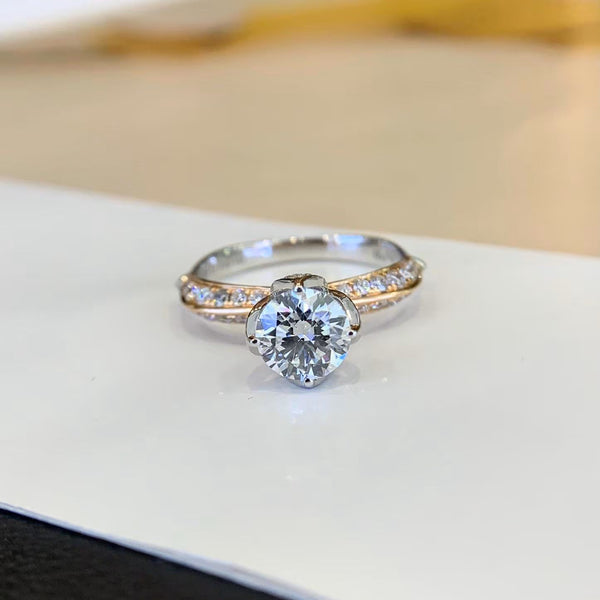
Moissanite diamond rings are often chosen by buyers who want a center stone that looks large and bright without paying diamond prices. Round, oval, cushion, pear, emerald, radiant, and marquise cuts are all common in moissanite rings.
Round moissanite is usually the most diamond-like shape because the cut hides some of the stone’s strong rainbow fire. Oval and cushion moissanite can also look beautiful, but larger sizes may show more colorful flashes. Emerald cut moissanite gives a cleaner, step-cut appearance, though it can look different from an emerald cut diamond because of moissanite’s light behavior.
Ring setting also makes a big difference. A simple solitaire setting puts full attention on the center stone. A halo setting can make the ring look larger. A three-stone ring gives more finger coverage. A hidden halo adds detail from the side view. A bezel setting protects the stone edges and creates a smooth frame.
Moissanite Good for Daily Wear?
Yes, moissanite is good for daily wear because it is hard and resistant to scratching. It ranks 9.25 on the Mohs hardness scale, which makes it one of the stronger gemstones used in rings.
Still, no gemstone is damage-proof. A moissanite ring should be worn with care. Avoid wearing it during heavy gym workouts, cleaning with harsh chemicals, gardening, construction work, or activities where the ring may hit hard surfaces.
The setting matters as much as the stone. A secure prong setting, bezel setting, or well-made basket can help protect the stone. Thin bands and poorly made prongs may create risk over time, even when the center stone is durable.
Regular cleaning also helps. Moissanite can collect oil, lotion, soap, and daily buildup. Cleaning it with warm water, mild dish soap, and a soft brush can restore its clear look. Avoid harsh cleaners unless your jeweler confirms they are safe for the full ring, including the metal and accent stones.
Does Moissanite Look Fake?
Moissanite does not look fake by itself. It is a real gemstone. However, it can look different from diamond, especially in larger sizes or under strong lighting. Some people notice the rainbow fire of moissanite and immediately know it is not a diamond. Others may not see the difference unless they compare the stones side by side.
Smaller moissanite stones can look closer to diamonds. Larger moissanite stones often show more color flashes. Shape also matters. Round moissanite usually looks closer to diamond than some elongated cuts. Emerald cut and step-cut moissanite can show a different visual pattern than emerald cut diamond.
Moissanite Diamond Rings: Why Buyers Choose Them
Moissanite diamond rings are popular because they offer a large look at a lower cost. Many couples are practical about ring budgets and prefer to spend less on the center stone. Moissanite allows them to choose a larger size, a custom setting, or a better metal option without going over budget.
Another reason buyers choose moissanite is durability. It can handle daily wear better than softer stones such as opal, pearl, or morganite. This makes it more practical for engagement-style rings.
Moissanite is also lab created, which appeals to buyers who want a stone made without mining. However, it is important not to confuse this with lab grown diamond. Both may be lab created, but only lab grown diamond is a real diamond.
Find the Right Ring with Antiquecut
Selecting the perfect ring is about more than choosing a beautiful gemstone it's about finding a piece that suits your lifestyle, preferences, and budget. Whether you're comparing a natural diamond, a lab grown diamond, or a moissanite gemstone, understanding the differences between these options helps you make a decision you'll feel confident about.
If you're considering moissanite diamond rings, think about how you plan to wear your jewelry, the style you prefer, and the features that matter most to you. Some buyers value the heritage of natural diamonds, while others appreciate the affordability of moissanite or the identical composition of lab grown diamonds. If you're looking for a distinctive design, a toi et moi lab grown diamond ring offers two complementary stones that represent the union of two individuals, making it a meaningful choice for engagements and anniversaries. There is no single "right" option only the one that best fits your personal style and preferences.
At Antiquecut, we believe every ring should be crafted with attention to detail and designed to be enjoyed for years to come. Our collection includes carefully made engagement rings and fine jewelry featuring premium moissanite and lab grown diamonds in a wide selection of shapes, settings, and precious metals. Whether you're drawn to a classic round cut, a distinctive oval, or a vintage-inspired design, you'll also find beautifully crafted toi et moi lab grown diamond ring styles that combine exceptional craftsmanship with thoughtful design. Explore our collection to compare different gemstone options and discover a ring that reflects your story and celebrates life's meaningful moments.
Conclusion
Understanding what is moissanite diamond makes it easier to decide whether it is the right choice for your jewelry. While moissanite is not a real diamond, it is a genuine gemstone with excellent durability, impressive brilliance, and lasting value. It also differs from a lab grown diamond, making it important to compare each option before making a purchase.
If you're considering moissanite diamond rings, think about your budget, preferred appearance, and long-term expectations. Some buyers prefer the traditional qualities of a natural or lab grown diamond, while others appreciate the benefits that moissanite offers for everyday wear.
At Antiquecut, we believe every ring should reflect your personal style and preferences. Whether you're exploring moissanite or comparing it with other gemstones, taking the time to understand the differences will help you choose a ring you'll enjoy wearing for years to come.
FAQs
Q. Which is better, moissanite or lab grown diamond?
Lab grown diamond is better if you want a real diamond. Moissanite is better if you want a lower price and larger look. The right choice depends on budget, preference, and expectations.
Q. Does moissanite lose its shine?
Moissanite does not usually lose its clear appearance permanently. It can get dirty from daily wear, but cleaning with mild soap, warm water, and a soft brush can help restore its look.
Q. Is moissanite cheaper than diamond?
Yes, moissanite is usually much cheaper than diamond. This is one reason many buyers choose moissanite diamond rings when they want a larger center stone look for less money.
Q. Can a jeweler tell if a stone is moissanite?
Yes, a jeweler can usually identify moissanite using proper tools. Some basic diamond testers may give confusing results, so a specific moissanite tester or gem testing equipment may be needed.
Q. Does moissanite look like diamond?
Moissanite can look similar to diamond, especially in smaller sizes and round cuts. In larger stones, moissanite often shows more rainbow fire, which can make it easier to tell apart from diamond.
Q. Is moissanite a lab grown diamond?
No, moissanite is not a lab grown diamond. Most moissanite used in jewelry is lab created, but it does not have the same chemical structure as diamond. Lab grown diamond is carbon; moissanite is silicon carbide.


