


Choosing between 10kt gold vs 14kt is one of the most important decisions when purchasing jewelry. Whether you're shopping for an engagement ring, wedding band, necklace, bracelet, or everyday jewelry, understanding the differences helps you make a purchase that matches your lifestyle, budget, and long-term expectations.
Gold jewelry is rarely made from pure gold because pure gold is naturally soft. Instead, jewelers mix gold with metals such as silver, copper, zinc, and nickel to increase durability. The percentage of pure gold determines the karat rating.
This detailed comparison explains everything you need to know about 10kt gold vs 14kt, including durability, appearance, value, maintenance, pricing, and which option is better for different types of jewelry.


10kt Gold vs 14kt Gold: What Is the Main Difference?
The main difference between 10kt gold vs 14kt gold is the percentage of pure gold contained in the metal.
Pure gold is 24 karat. However, pure 24kt gold is generally too soft for many ring designs intended for frequent wear. Gold is therefore mixed with other metals to create an alloy.
10kt gold contains 10 parts pure gold out of 24 parts. This equals approximately 41.7% pure gold.
14kt gold contains 14 parts pure gold out of 24 parts. This equals approximately 58.3% pure gold.
The remaining percentage consists of alloy metals. Depending on the gold color and metal formula, these may include silver, copper, zinc, palladium, or other metals used in jewelry production.
Because 14kt gold contains more pure gold, it generally costs more than 10kt gold. The difference in composition can also affect color, hardness, and the way the metal develops signs of wear.
10kt Gold vs 14kt: Quick Comparison
| Feature | 10kt Gold | 14kt Gold |
|---|---|---|
| Gold Content | 41.7% | 58.3% |
| Durability | Higher | Very Good |
| Color | Lighter | Richer |
| Price | Lower | Higher |
| Scratch Resistance | Better | Good |
| Value | Lower | Higher |
| Luxury Feel | Moderate | Premium |
What Is 10kt Gold?
10kt gold contains 41.7% pure gold and 58.3% other metals. It is an affordable and durable choice for everyday jewelry like rings, chains, and earrings. Because it has less pure gold than 14kt or 18kt, it is harder and more resistant to wear, though it can still scratch or dent over time. In yellow gold, 10kt has a lighter yellow color due to its lower gold content.
What Is 14kt Gold?
14kt gold contains 58.3% pure gold and 41.7% alloy metals. It offers an ideal balance of durability, beauty, and value, making it a popular choice for engagement rings and fine jewelry. With a richer yellow color than 10kt gold and greater strength than 18kt, 14kt is well-suited for everyday wear.
Read Also: 14kt Yellow Gold
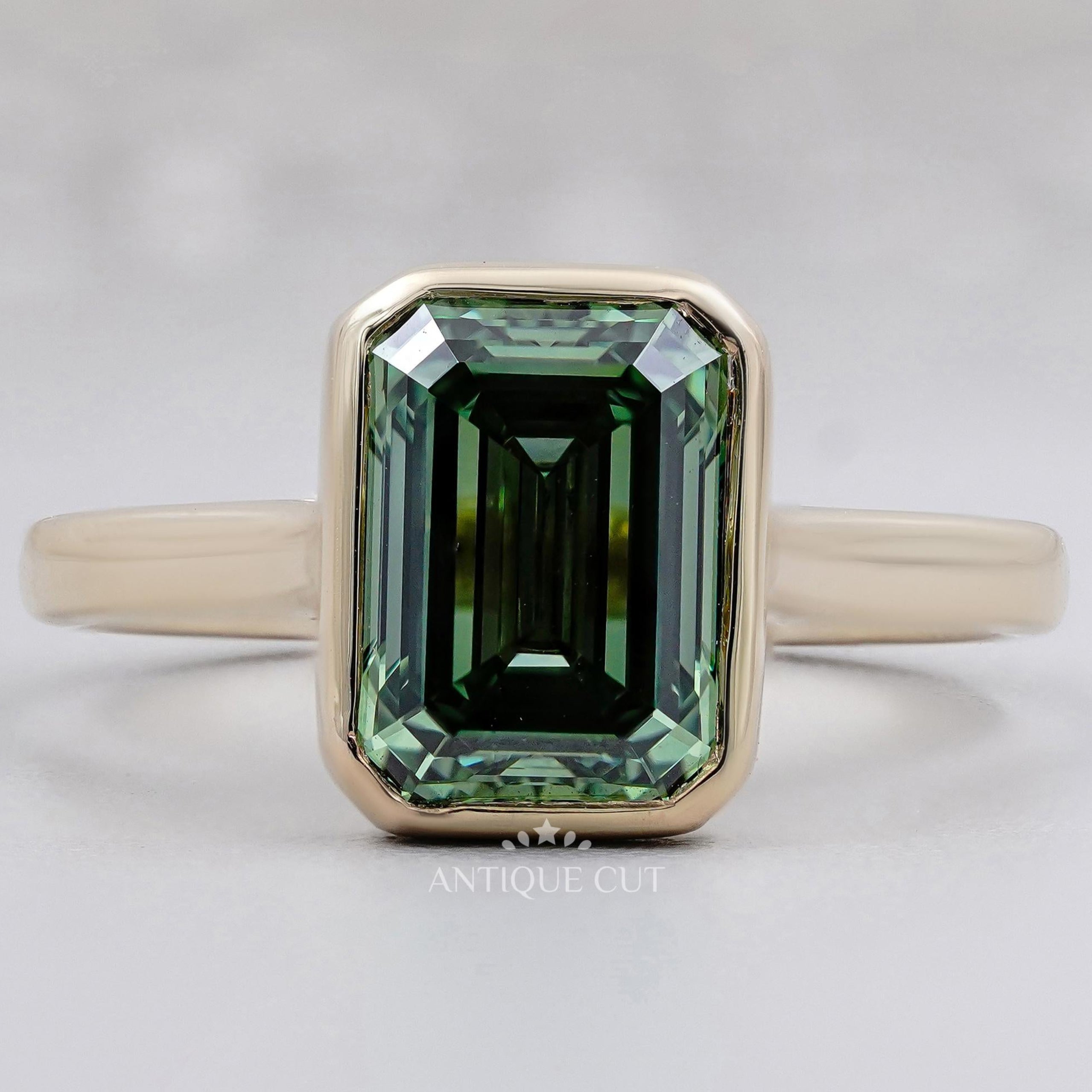
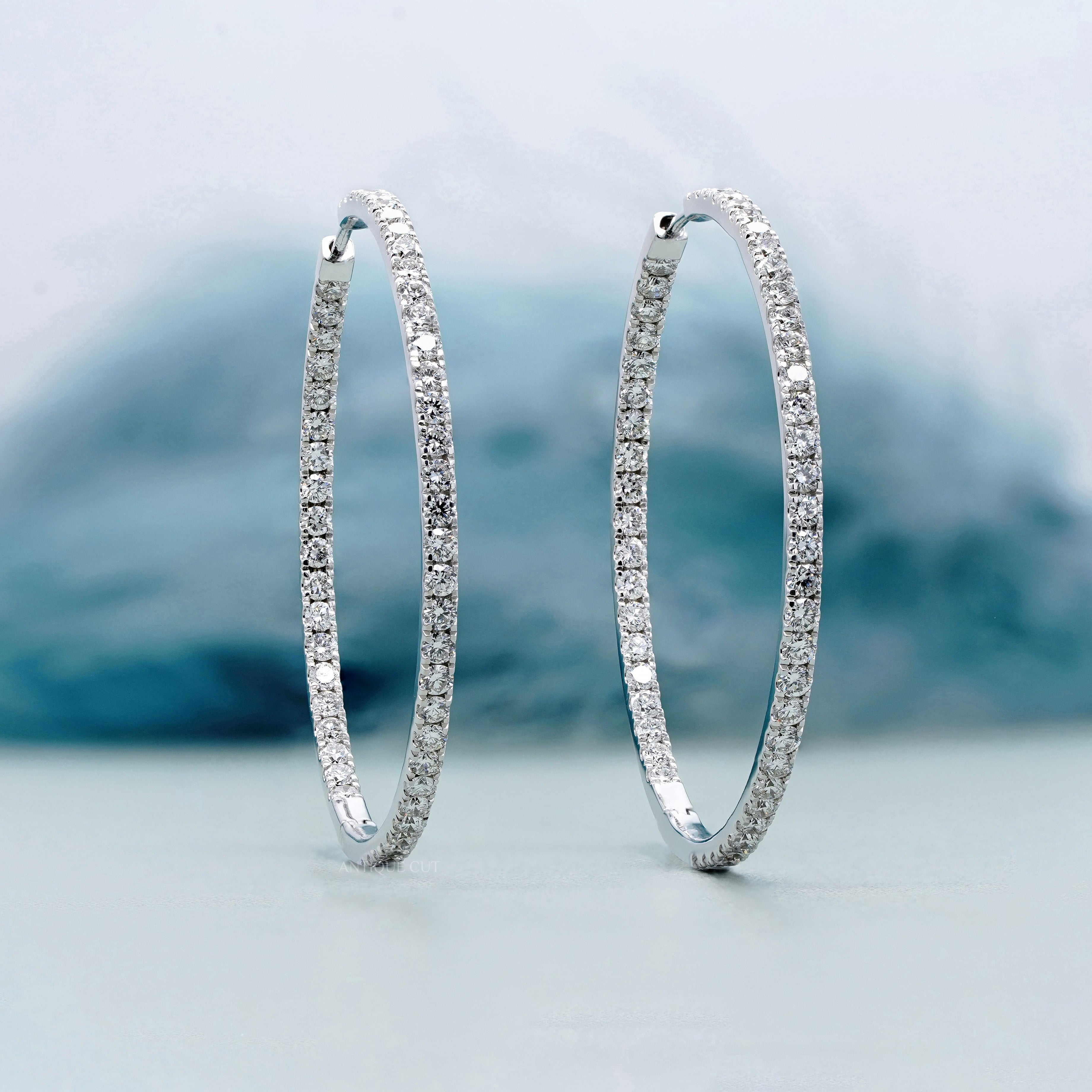
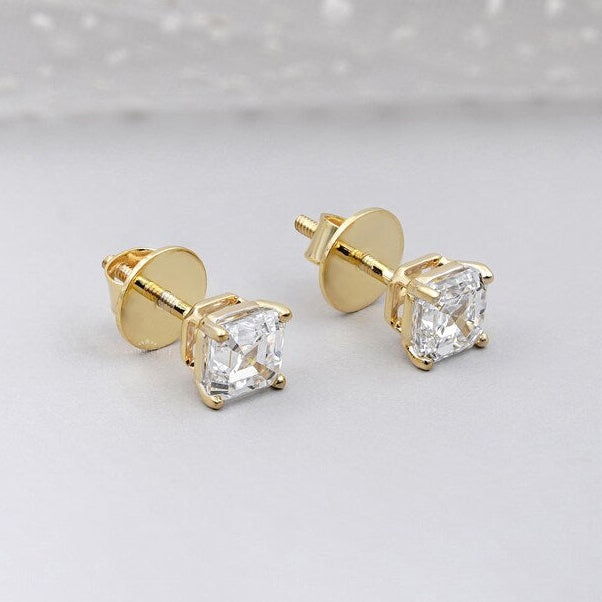

10kt vs 14kt Gold Purity Explained
Understanding 10kt vs 14kt gold starts with gold purity. 10kt gold contains 41.7% pure gold and 58.3% alloy metals, making it one of the most durable choices for everyday jewelry. 14kt gold contains 58.3% pure gold and 41.7% alloy metals, offering a higher gold content with a richer color and greater overall value.
The added alloy metals in 10kt gold increase its hardness, making it more resistant to scratches and daily wear. In contrast, 14kt gold has a warmer, deeper gold tone because it contains more pure gold while still providing excellent durability for rings, necklaces, bracelets, and earrings.
When comparing 10kt gold vs 14kt, neither option is universally better. If you want a budget-friendly metal with outstanding durability, 10kt gold is a practical choice. If you prefer a higher gold content, richer appearance, and stronger long-term value, 14kt gold is often the preferred option. Understanding these purity differences helps you choose the right gold based on your budget, style, and everyday wear needs.

10kt Gold vs 14kt Durability
If durability is your highest priority, 10kt gold has the advantage.
The additional alloy metals create a harder surface that withstands scratches better than 14kt gold. This makes it suitable for people who work with their hands or wear jewelry every day.
Although 14kt gold is slightly softer, it remains highly durable and is commonly used in engagement rings worn daily for years.
Color Difference Between 10kt and 14kt Gold
Gold purity directly affects color.
10kt Gold
- Slightly paler tone
- Less rich yellow appearance
- More influenced by alloy metals
14kt Gold
- Warmer yellow color
- Higher gold richness
- More luxurious appearance
Many buyers notice the color difference when both pieces are placed side by side.
10kt vs. 14kt Yellow Gold
When comparing 10kt and 14kt yellow gold, the most noticeable difference is the depth and richness of the color.
10kt White Gold vs. 14kt White Gold
White gold is created by alloying gold with white metals and then applying a rhodium plating, which gives it a bright white finish.
Because both 10kt and 14kt white gold receive the same rhodium plating, they look almost identical when new. However, there are still some differences beneath the surface.
Which Gold Is Better for Engagement Rings?
Engagement rings are worn every day, so choosing a gold type that offers the right balance of durability, beauty, and value is important.
Many jewelers recommend 14kt gold for engagement rings because it provides an excellent balance of gold purity, strength, and a rich appearance. Its higher gold content gives it a more traditional look while still being durable enough for daily wear.
However, 10kt gold is also a great option for buyers who prioritize affordability and maximum durability. Its higher percentage of alloy metals makes it harder and more resistant to scratches, making it suitable for active lifestyles.
The best choice ultimately depends on your personal priorities, including budget, desired color, durability needs, and preference for gold purity.
Which Is Better?
14kt Gold Is Better for Most Buyers
Engagement rings are worn every day, so choosing a gold type that offers the right balance of durability, beauty, and value is important.
Many jewelers recommend 14kt gold for engagement rings because it provides an excellent balance of gold purity, strength, and a rich appearance. Its higher gold content gives it a more traditional look while still being durable enough for daily wear.
However, 10kt gold is also a great option for buyers who prioritize affordability and maximum durability. Its higher percentage of alloy metals makes it harder and more resistant to scratches, making it suitable for active lifestyles.
The best choice ultimately depends on your personal priorities, including budget, desired color, durability needs, and preference for gold purity.
Final Thoughts
Understanding 10kt gold vs 14kt helps you purchase jewelry with confidence. Both are genuine gold and both offer excellent durability, making them suitable for everyday wear.
If affordability and maximum hardness are your priorities, 10kt is an excellent option. If you value a richer gold color, higher purity, and stronger long-term value, 14kt is often the better choice.
Ultimately, the right decision depends on your budget, personal style, and how you plan to wear your jewelry. By comparing durability, appearance, maintenance, and value, you can choose the gold that best matches your needs.
FAQs
1. What is the main difference between 10kt gold and 14kt gold?
The main difference is pure gold content. 10kt gold contains approximately 41.7% pure gold, while 14kt gold contains approximately 58.3%. This affects price, color, and alloy composition.
2. Is 10kt gold real gold?
Yes. 10kt gold is real gold. It contains 41.7% pure gold mixed with alloy metals. In the USA, 10kt gold is commonly sold for rings and other jewelry.
3. Is 14kt gold better than 10kt gold?
14kt contains more pure gold, but that does not make it the correct choice for every buyer. 10kt may suit someone prioritizing lower cost and a harder alloy. 14kt may suit someone who wants higher gold content.
4. Is 10kt gold stronger than 14kt?
10kt gold is generally harder because it contains a higher percentage of alloy metals. However, both metals can scratch or become damaged through repeated impact and poor ring care.
5. Which is better for an engagement ring, 10kt or 14kt gold?
Both can be used for engagement rings. 10kt may be preferred for budget control, while 14kt is often selected for its higher gold content and richer yellow color.
6. Can you see the difference between 10kt and 14kt yellow gold?
Many buyers can notice a difference when the two metals are placed next to each other. 14kt yellow gold generally has a richer yellow tone, while 10kt may appear lighter.
7. Does 10kt white gold look different from 14kt white gold?
The visible difference may be small, particularly when both rings have rhodium plating. Their main difference is gold purity: 41.7% for 10kt and approximately 58.3% for 14kt.
8. Does 10kt gold last longer than 14kt gold?
Ring life depends on the alloy, setting, maintenance, and wearer's habits. 10kt is generally harder, but it can still scratch or become damaged. Regular jewelry inspection is important for both metals.
9. Is 14kt gold worth more than 10kt gold?
14kt gold generally has greater metal value because it contains more pure gold. However, the value of a complete engagement ring also depends on metal weight, diamonds, design, and other specifications.
10. Should I choose 10kt or 14kt gold for a lab grown diamond ring?
Choose based on your total budget and metal preference. 10kt may leave more room in the budget for a larger lab grown diamond or additional ring details. 14kt offers higher pure gold content and a richer yellow tone in yellow gold.


