


When shopping for an engagement ring, one of the most popular questions buyers ask is: what is a cushion cut diamond? Known for its soft corners and pillow-like appearance, the cushion cut diamond combines classic craftsmanship with exceptional light performance, making it one of the most sought-after diamond shapes in the United States.
Whether you're considering an elongated cushion cut diamond, exploring an antique cushion cut diamond, or shopping for a 3 carat cushion cut diamond ring, understanding the different styles and characteristics of this shape can help you make a confident purchase decision.
In this complete guide, we'll explore the history, characteristics, varieties, pricing, and buying considerations for cushion cut diamonds so you can determine whether this shape is right for your engagement ring.
What Is a Cushion Cut Diamond?
A cushion cut diamond is a diamond shape featuring rounded corners and curved sides, creating an appearance similar to a pillow or cushion. This shape typically combines a square or rectangular outline with brilliant-cut facets designed to maximize light performance.
The cushion cut has been around for more than 200 years and remains one of the most sought-after diamond shapes because it offers:
- Soft, romantic proportions
- Excellent brilliance and fire
- Vintage-inspired appearance
- Various shape options
- Better value compared to some other popular cuts
Unlike round diamonds, cushion cuts do not follow a single standardized formula. This means every cushion cut diamond can look slightly different depending on its proportions, facet arrangement, and length-to-width ratio.
The History Behind Cushion Cut Diamond
The cushion cut diamond originated from the “old mine cut,” which was hand-cut in the 18th and 19th centuries. These early diamonds were not machine-perfect, which gave them a slightly irregular yet charming appearance.
As cutting technology improved, the cushion shape evolved into more symmetrical proportions, allowing better brilliance and fire. Despite modernization, many jewelers still recreate antique cushion cut diamond styles to preserve the vintage identity.
Brands like Antiquecut continue to reinterpret these traditional cuts with modern craftsmanship while keeping their original charm intact.
Evolution of Cushion Cut Diamonds
| Era | Diamond Style | Key Characteristics |
|---|---|---|
| 1700s | Old Mine Cut | Large facets, hand-cut appearance |
| 1800s | Antique Cushion | Softer corners, vintage style |
| Early 1900s | Transitional Cushion | Improved symmetry |
| Modern Era | Brilliant Cushion | Enhanced brilliance and precision |
Why Are Cushion Cut Diamonds So Popular?
The popularity of cushion cut diamonds comes from their versatility. They offer many of the visual benefits of round diamonds while providing a distinctive appearance.
Several factors contribute to their continued demand:
Beautiful Light Performance
Cushion cuts produce strong flashes of colored light, often referred to as fire. Their facet arrangement creates larger light reflections than some other diamond shapes.
Vintage Appeal
Many buyers love the historical connection and softer appearance associated with antique-inspired jewelry.
Shape Variety
Unlike standardized shapes, cushion cuts can vary considerably, allowing buyers to choose a diamond that matches their personal style.
Better Value
Cushion cuts often cost less than comparable round brilliant diamonds, making them attractive for budget-conscious shoppers.
Types of Cushion Cut Diamonds
Understanding the different types of cushion cut diamonds is essential before making a purchase.

How Much Does a Cushion Cut Diamond Cost?
Pricing varies based on several factors.
Approximate pricing ranges:
| Size | Natural Diamond | Lab-Grown Diamond |
|---|---|---|
| 1 Carat | $3,000–$9,000 | $700–$2,500 |
| 2 Carat | $8,000–$25,000 | $1,500–$5,000 |
| 3 Carat | $20,000–$80,000+ | $3,000–$12,000 |
Cushion Cut Diamond vs Other Shapes
When comparing cushion cut diamond styles with other shapes, differences become clearer.

Cushion Cut vs Round Cut
Round diamonds offer maximum brilliance due to symmetrical facets. Cushion cuts, however, provide a softer glow and a more romantic outline.
Cushion Cut vs Princess Cut
Princess cuts have sharp corners and a geometric feel. Cushion cuts are more rounded and gentle in appearance.
Cushion Cut vs Oval Cut
Oval diamonds are more elongated and continuous in flow. Cushion cuts maintain a square base with softened edges, giving a more structured look.
Is a 3 Carat Cushion Cut Diamond Ring Worth It?
A 3 carat cushion cut diamond ring remains one of the most desired engagement ring choices.
Benefits include:
- Significant visual presence
- Strong brilliance
- Greater design flexibility
- Increased rarity
However, pricing varies dramatically based on:
- Natural vs lab-grown origin
- Color grade
- Clarity
- Cut quality
- Certification
A well-cut 3-carat cushion can provide exceptional visual impact while maintaining a softer appearance than similarly sized round diamonds. For those seeking a statement piece, a 3 carat lab grown diamond engagement ring with a cushion cut offers both size and visual appeal.
Cushion Cut Diamond Buying Tips for USA Shoppers
Lab-Grown vs Natural Cushion Cut Diamonds
Many buyers today compare lab-grown and natural cushion diamonds.
Natural Diamonds
Pros:
- Formed naturally
- Greater rarity
- Traditional appeal
Cons:
- Higher price
Lab-Grown Diamonds
Pros:
- Lower cost
- Physically identical
- Larger sizes available
Cons:
- Lower resale value
Both options can provide excellent quality depending on your budget and priorities.
Understanding Cushion Cut Diamond Clarity
Because cushion cuts have larger facets than some diamond shapes, inclusions may be easier to detect.
Recommended clarity grades include:
- VS1
- VS2
- SI1 (carefully selected)
Many eye-clean SI1 diamonds provide excellent value.
Popular Engagement Ring Settings for Cushion Cut Diamonds
The setting can dramatically influence a cushion diamond's appearance.
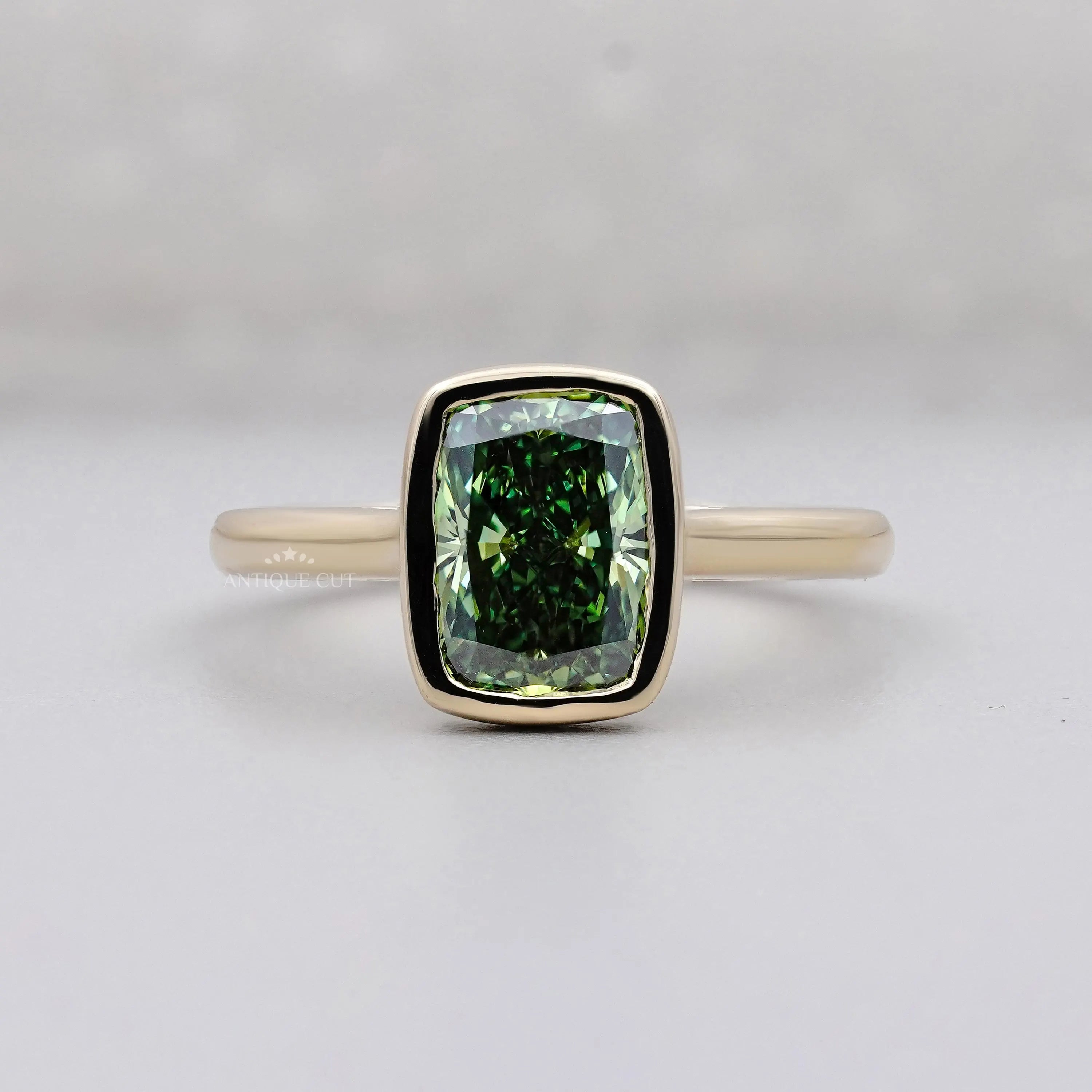
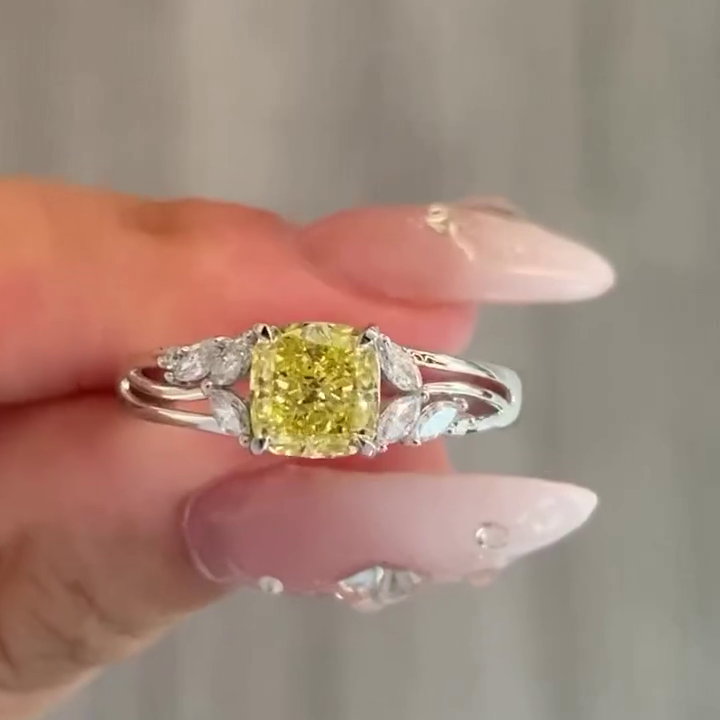
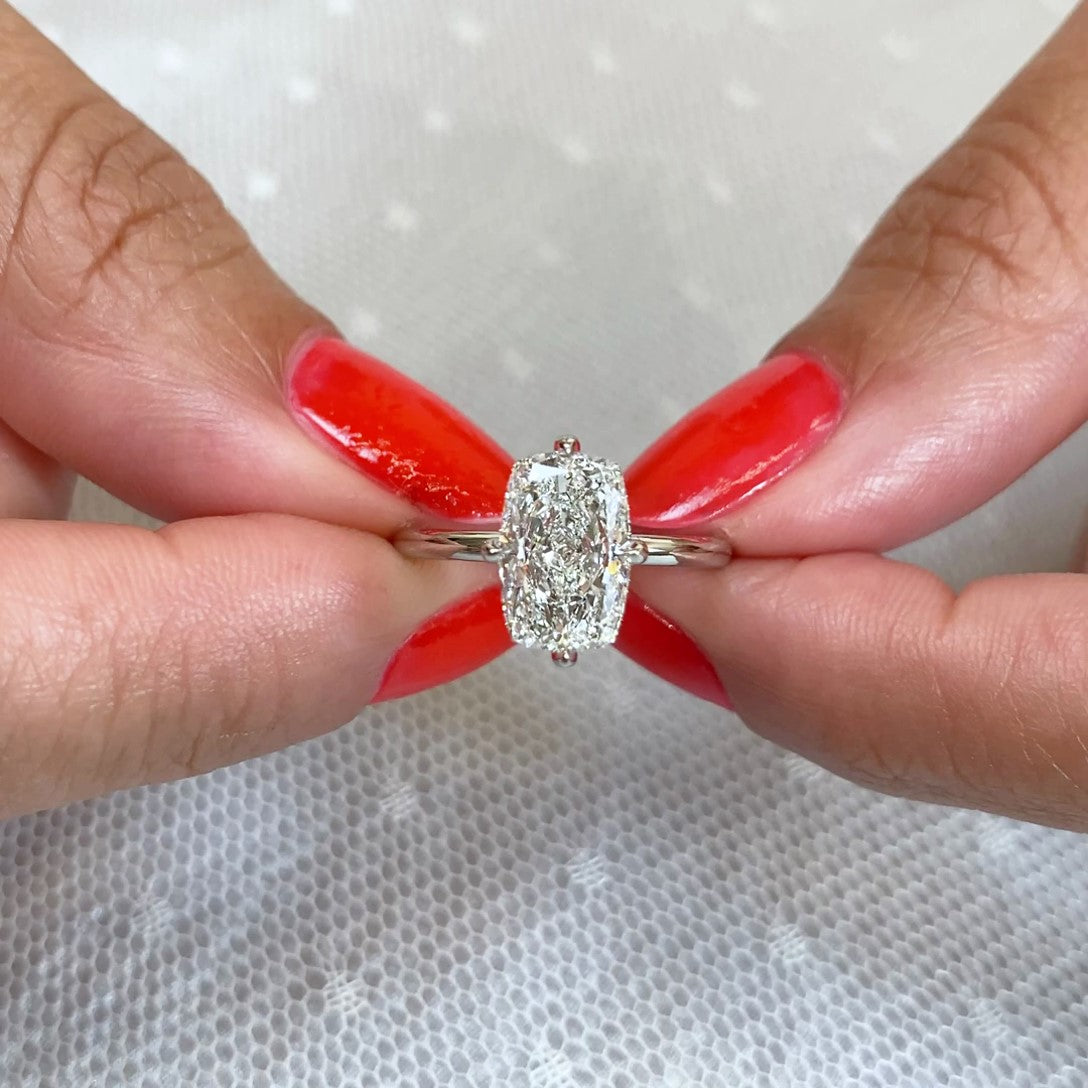
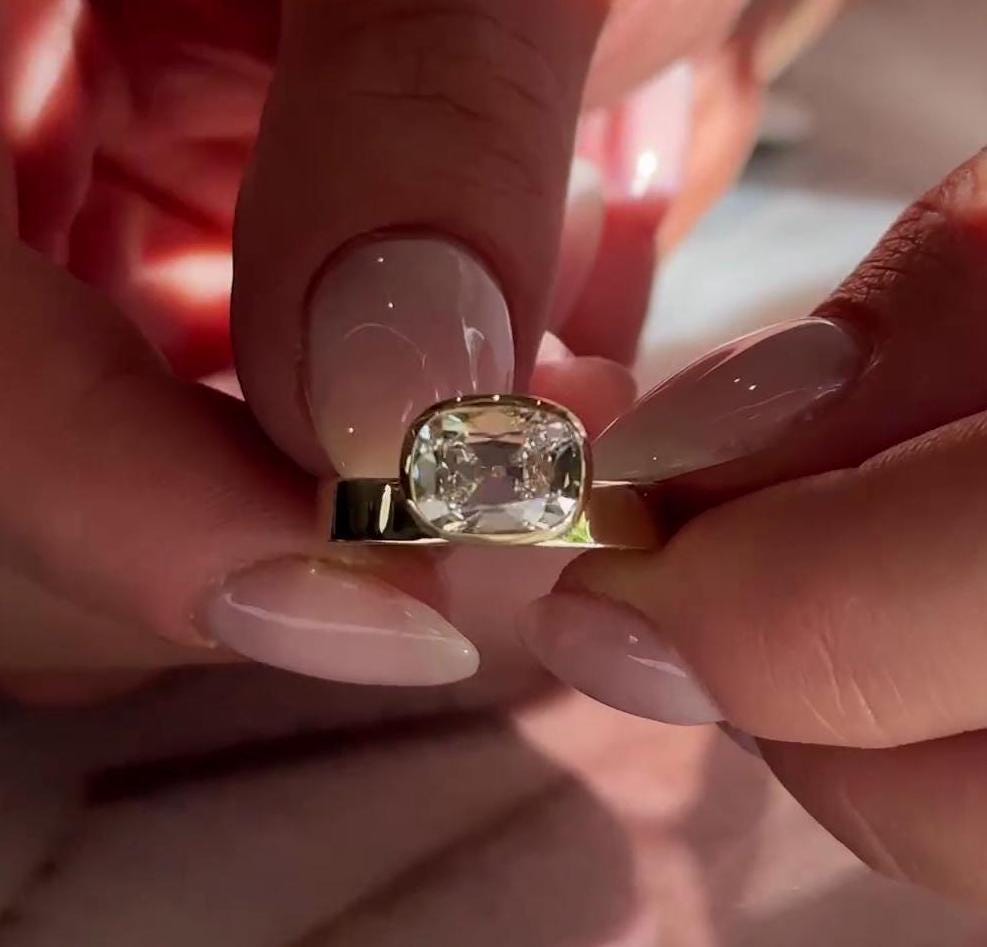
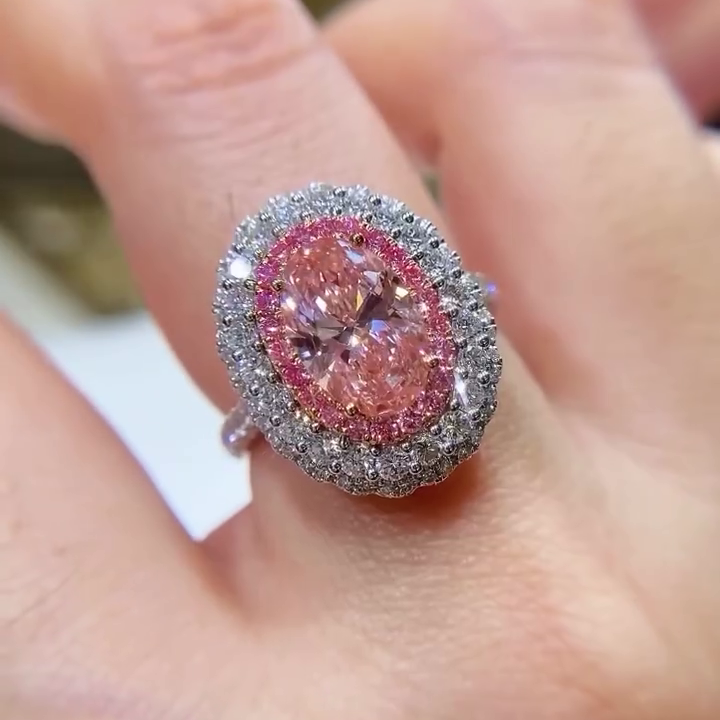
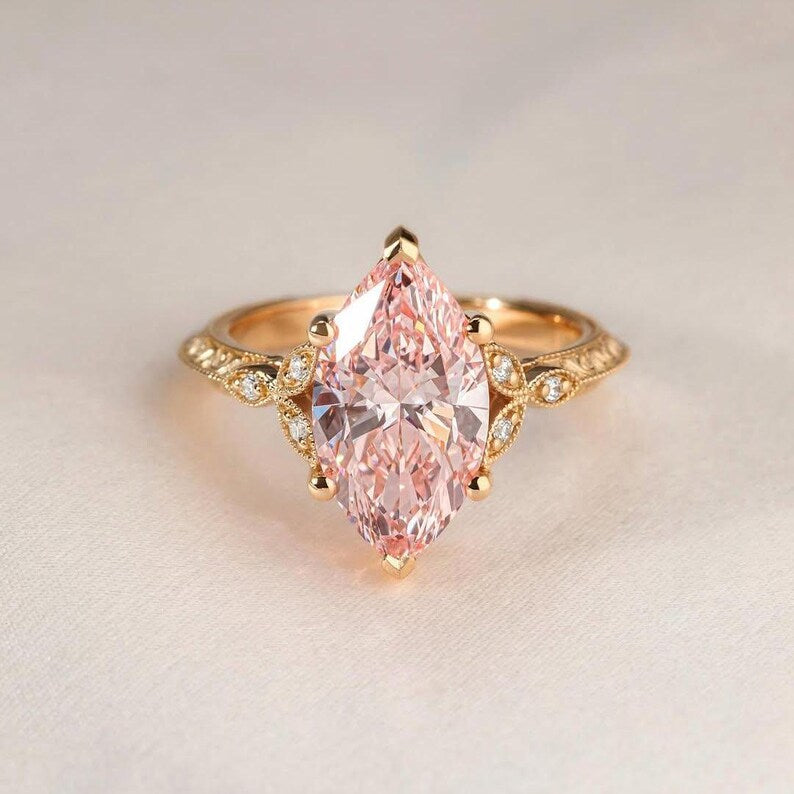
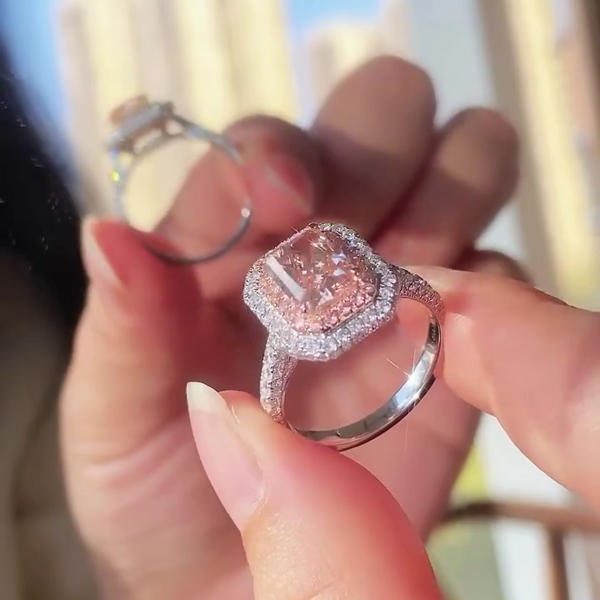
Solitaire Settings
A solitaire setting highlights the diamond itself and remains one of the most popular choices.
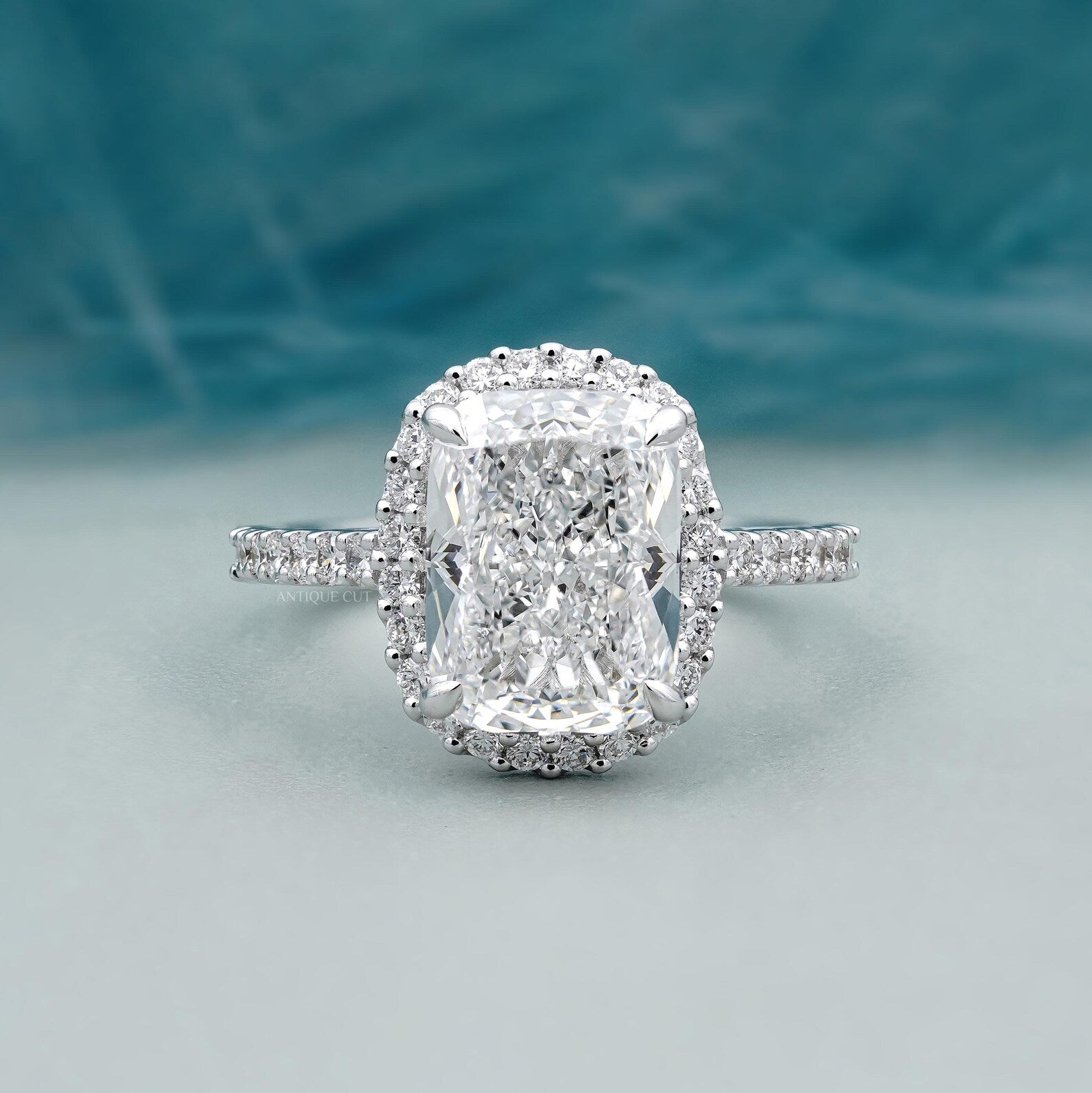
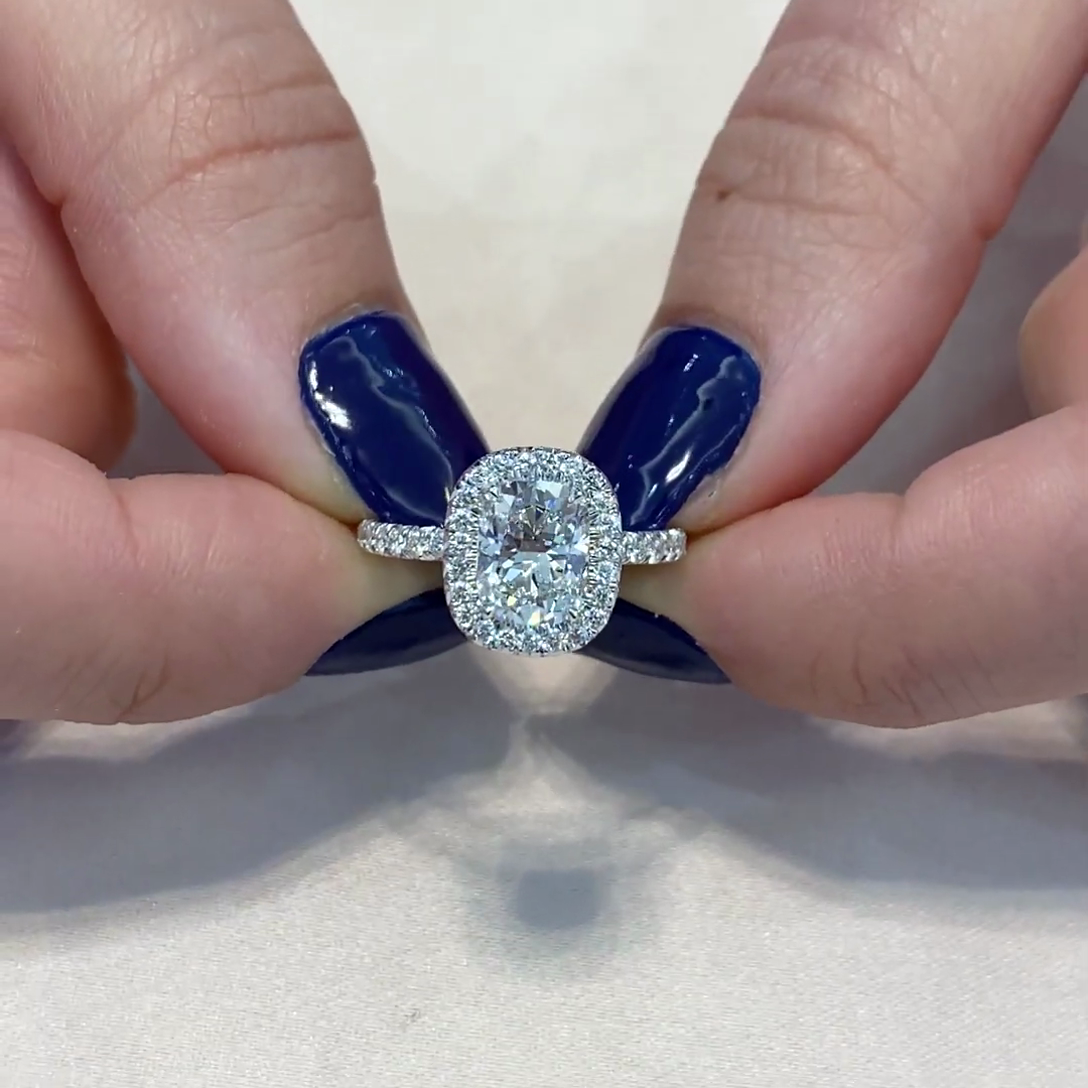
Halo Settings
Halo settings surround the center stone with smaller diamonds, increasing visual size.
Hidden Halo Settings
This contemporary style adds extra brilliance beneath the center stone.
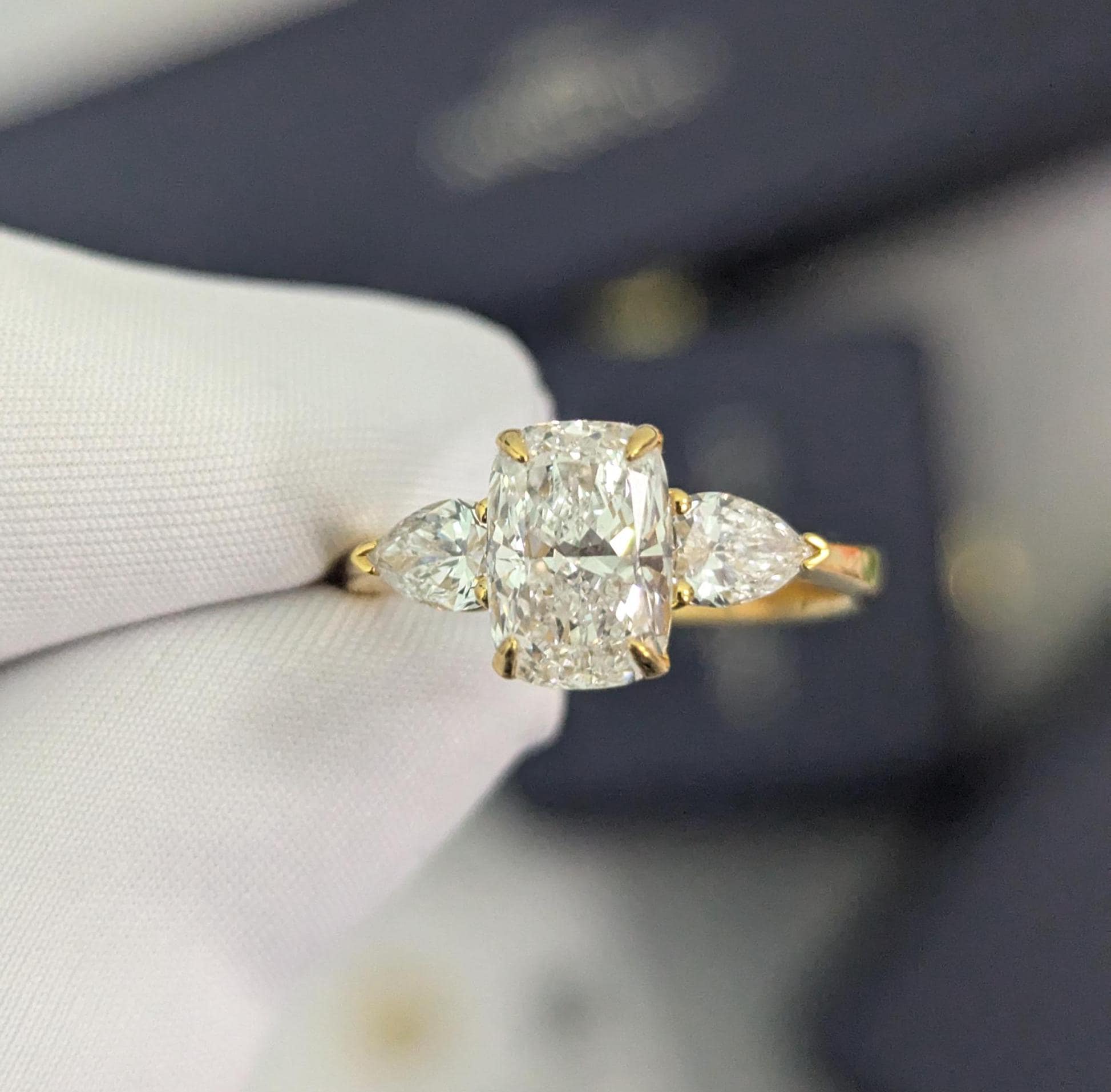
Three-Stone Settings
Three-stone rings symbolize the past, present, and future.
Vintage-Inspired Settings
These pair exceptionally well with an antique cushion cut diamond.
Final Thoughts
Understanding what is a cushion cut diamond can help you make a more informed decision when purchasing an engagement ring. Whether you're drawn to the history of an antique cushion cut diamond, the contemporary appearance of an elongated cushion cut diamond, or the statement-making presence of a 3 carat cushion cut diamond ring, this shape offers versatility that few others can match.
By understanding the different types of cushion cut diamonds, comparing styles carefully, and focusing on visual appearance rather than specifications alone, you'll be better equipped to find a diamond that matches your preferences, budget, and long-term expectations.
FAQs
1. What is a cushion cut diamond?
It is a square or rectangular diamond with rounded corners designed for soft brilliance and balanced shape.
2. What is an elongated cushion cut diamond?
It is a stretched version of cushion cut that creates a longer appearance on the finger.
3. Is antique cushion cut diamond rare?
Yes, antique cushion cuts are less common and often valued for their unique vintage character.
4. What makes cushion cut diamond different?
Its soft corners and mixed brilliance give it a romantic and flexible design identity.
5. Is a 3 carat cushion cut diamond ring expensive?
Yes, it is considered a luxury category due to size and visual impact.
6. Which setting suits cushion cut diamond best?
Halo, solitaire, and three-stone settings are most popular.
7. Why is cushion cut diamond popular in USA?
Because it offers a balance of size, brilliance, and customization options.
8. Does a cushion cut diamond look larger?
Cushion cuts often appear slightly smaller than round diamonds of the same weight, although elongated cushions can create a larger visual impression.
9. What is the best ratio for an elongated cushion cut diamond?
Most buyers prefer ratios between 1.15 and 1.25 for an elongated appearance.


