


A what is a european cut diamond question often comes up when people start exploring antique and vintage engagement rings. This diamond style represents a historic cutting method that was widely used before modern precision cutting techniques became standard. Today, it is highly valued for its character, craftsmanship, and connection to early jewelry-making traditions.
Unlike modern cuts that focus heavily on calibrated precision, the European cut diamond reflects a time when diamonds were shaped by hand with careful observation of light behavior under natural conditions. This gives each stone a slightly individual appearance, which is one of the reasons collectors and engagement ring buyers still appreciate it.
Understanding what is a European cut diamond helps buyers make informed decisions, especially when choosing a European cut diamond engagement ring or exploring antique jewelry collections in the USA. Whether you're shopping for a one-of-a-kind proposal ring or building a vintage jewelry collection, knowing the unique characteristics of this historic diamond cut makes it easier to find a piece that matches your style and long-term investment goals.
The History Behind European Cut Diamonds
European cut diamonds were most popular between the late 1800s and early 1900s. They were the predecessor to today’s modern round brilliant cut.
At that time, diamond cutting was done entirely by hand. Craftsmen relied on visual symmetry rather than mathematical precision. Because of this, every vintage old european cut diamond ring has slight variations, making each piece truly one of a kind.
During the Art Deco period, these diamonds were widely used in engagement rings and fine jewelry. Later, as cutting technology advanced, the modern brilliant cut replaced them due to higher light performance and consistency.
However, antique collectors in the USA and Europe have revived interest in these stones because of their historic charm and handcrafted quality. At the same time, many modern buyers are also exploring options such as an old mine cut lab diamond ring, which recreates the appearance of historic diamond cuts while offering a contemporary alternative for those who appreciate vintage-inspired engagement ring designs.
What Is a European Cut Diamond?
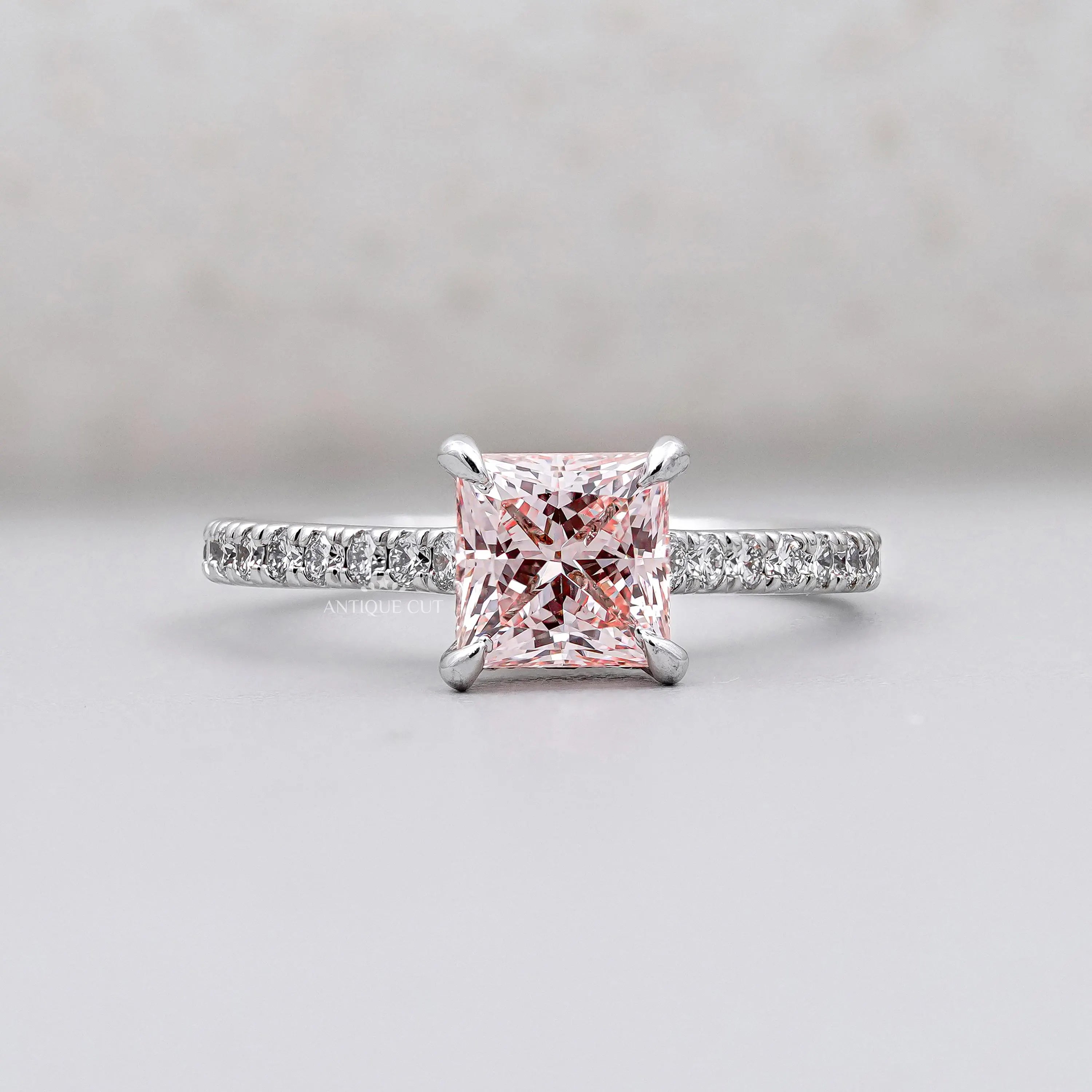
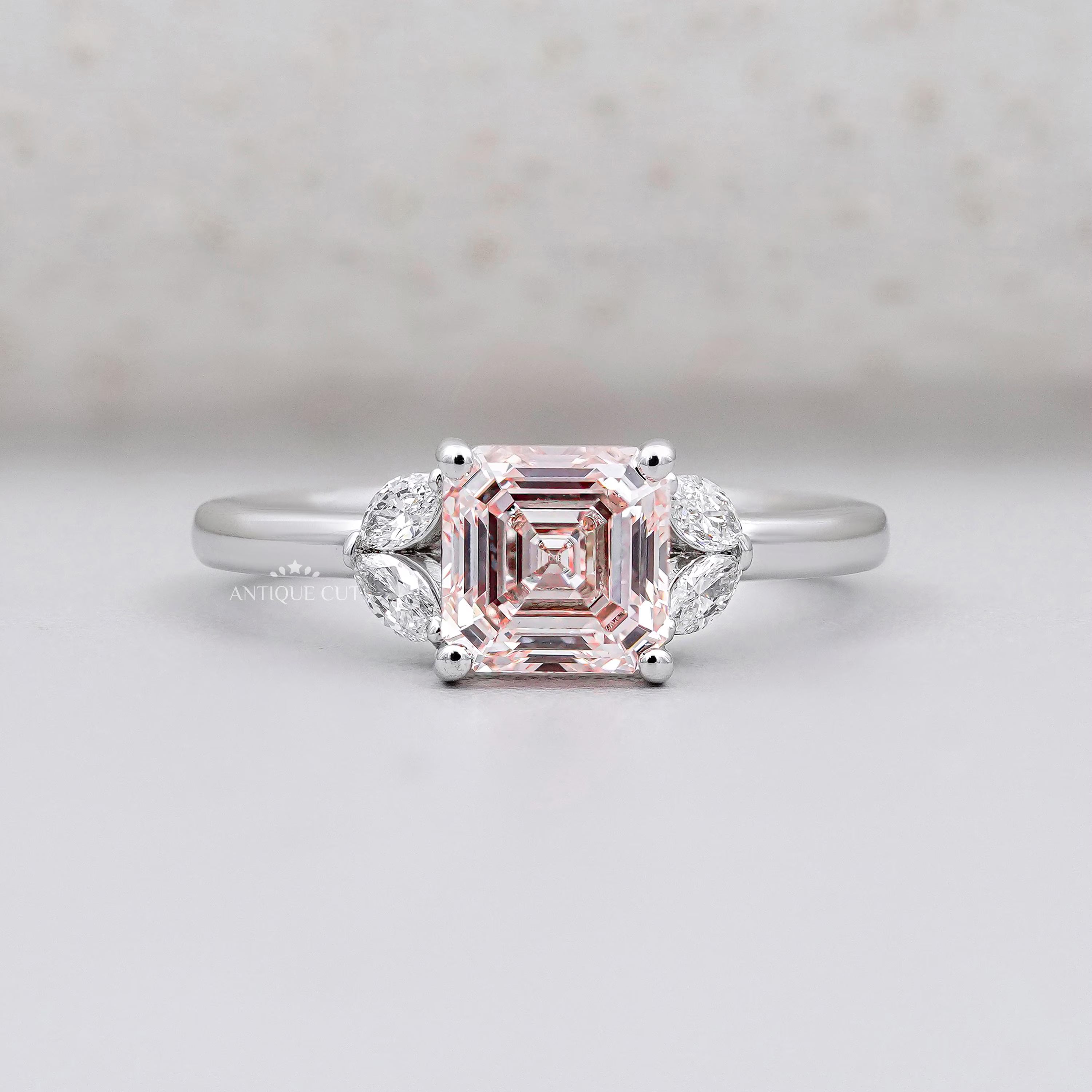
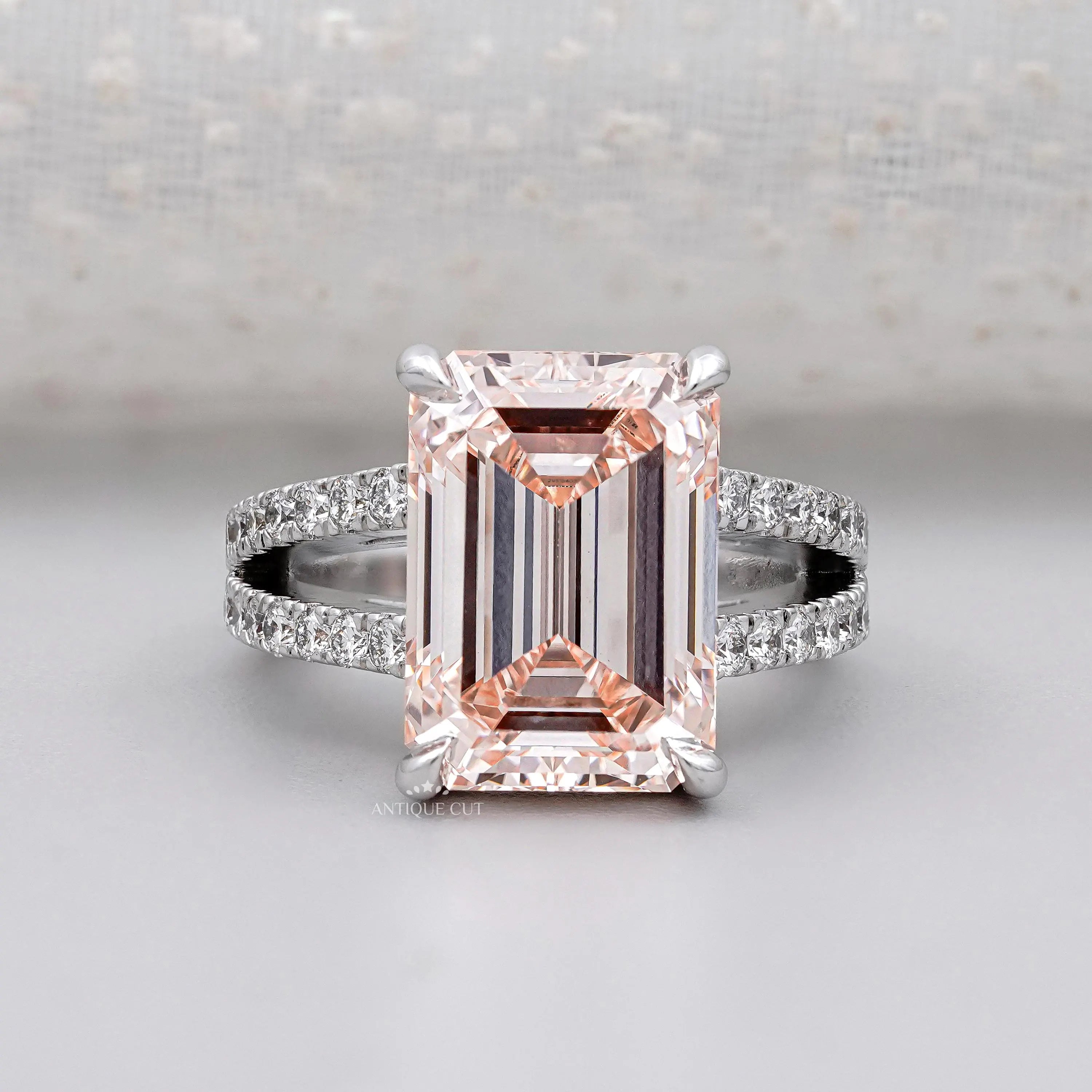
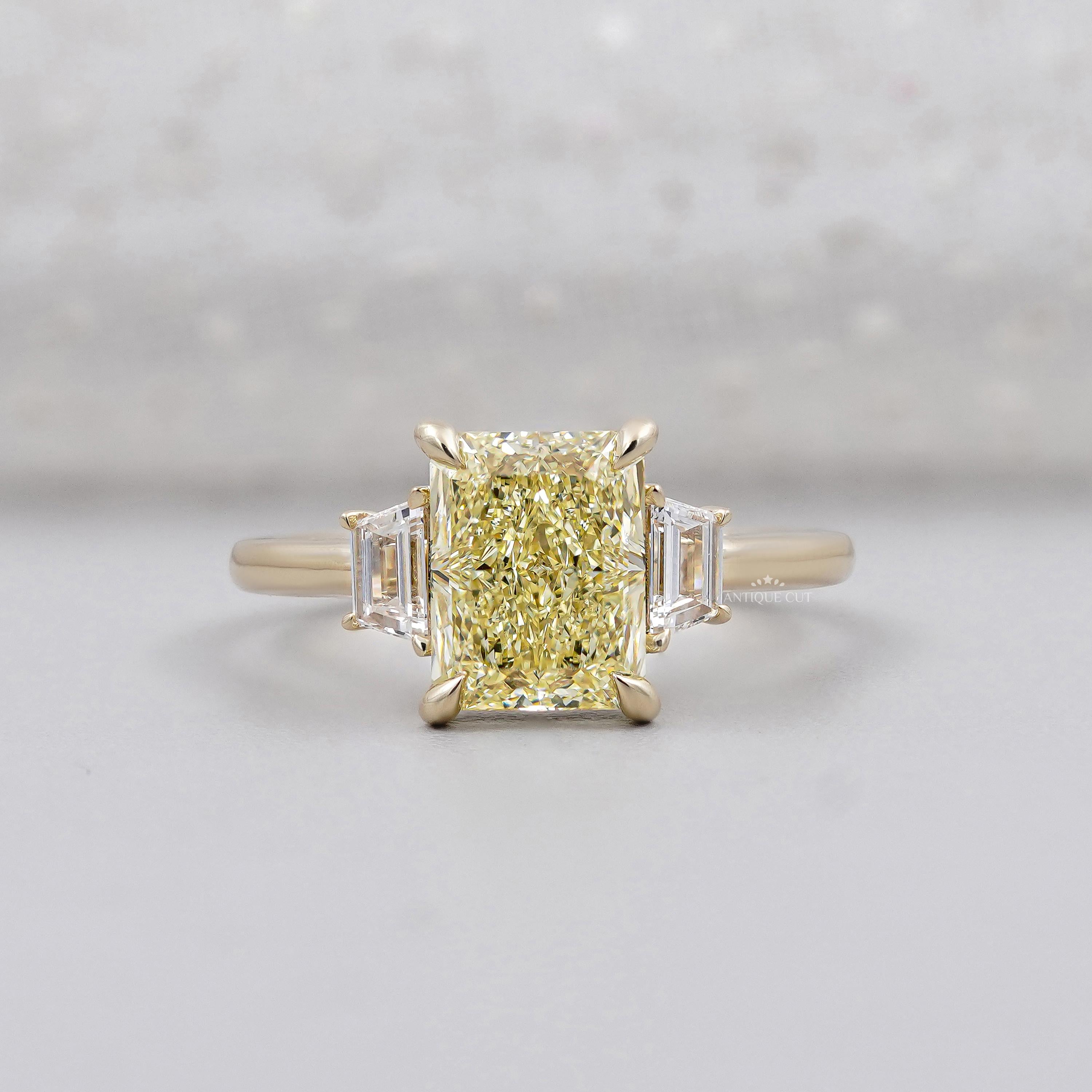
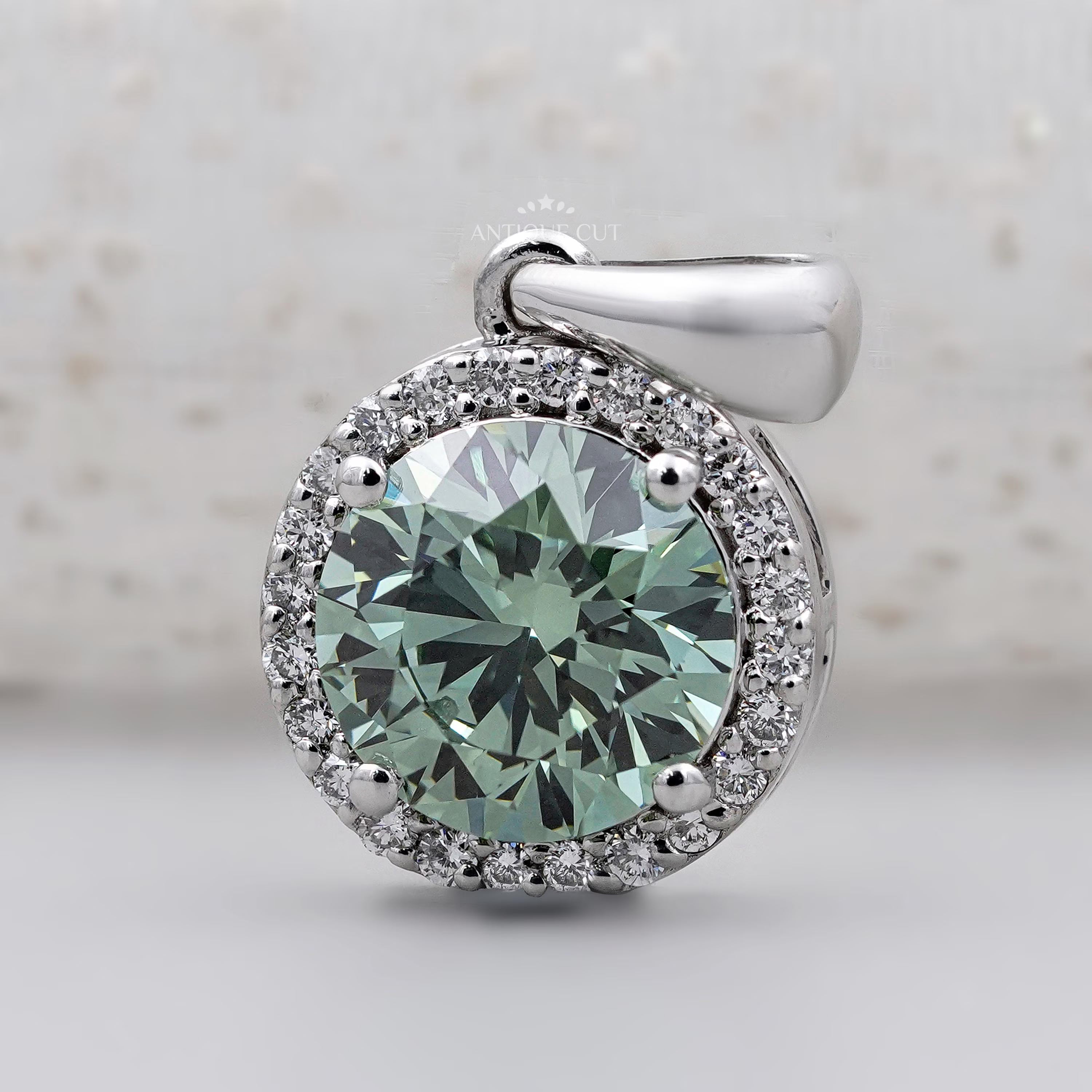
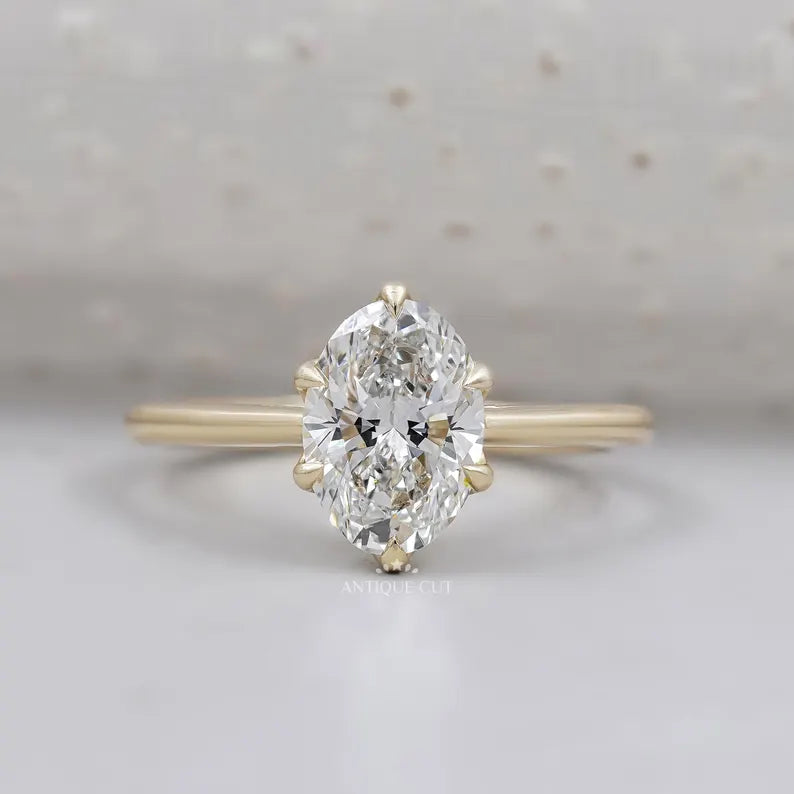
A what is a european cut diamond can be defined as a round brilliant-style diamond cut that was crafted before modern cutting standards were introduced. It is considered a predecessor to today’s round brilliant cut.
The key idea behind this cut is light reflection through larger, fewer facets compared to modern diamonds. This creates a softer and warmer reflection pattern rather than sharp brightness.
Key Characteristics
- Hand-cut symmetry with slight variations
- Smaller table size compared to modern diamonds
- Higher crown and deeper pavilion
- Larger culet (bottom point, often visible)
- Softer light return instead of intense brightness
Because of these characteristics, an antique european cut diamond ring often looks distinct even under different lighting conditions.
Why European Cut Diamonds Are Still Valuable Today
There are several reasons why collectors and engagement ring buyers still choose them:
Historical Significance
Each diamond represents a time when craftsmanship was manual and highly skilled.
Rarity
Since these stones are no longer produced, supply is limited.
Individual Character
No two stones look exactly alike, especially in an antique european cut diamond ring.
Growing Vintage Demand in USA
In the American jewelry market, vintage engagement rings are increasingly popular due to sustainability and uniqueness trends.
Types of European Cut Diamond Rings

European Cut Diamond vs Other Antique Cuts
| Diamond Cut Type | Era | Appearance | Popular Use |
|---|---|---|---|
| Old Mine Cut | 1700s–1800s | Cushion-shaped with deep, chunky facets | Early antique jewelry |
| European Cut | 1890s–1930s | Rounder shape with improved symmetry and larger facets | Engagement rings and vintage jewelry |
| Transitional Cut | 1920s–1940s | Blend of Old European and modern round brilliant features | Art Deco and vintage jewelry |
How European Cut Diamonds Were Made
European cut diamonds were made during a period when diamond cutting was still a highly specialized craft carried out entirely by hand. Long before modern laser technology, computer modeling, and precision-cutting machines existed, skilled artisans relied on experience, eyesight, and simple mechanical tools to transform rough diamonds into finished gemstones. This traditional process is one of the main reasons why an authentic european cut diamond has a character that differs from modern diamonds.
The process began with selecting the rough diamond crystal. A cutter would carefully study the natural shape of the stone, looking for the best way to preserve weight while creating an attractive finished diamond. Because rough diamonds were valuable and difficult to obtain, cutters tried to minimize waste. Unlike modern cutting, which follows highly standardized proportions, early diamond cutting involved many individual decisions made by the craftsman.
Once the rough stone was evaluated, the cutter marked the areas where it would be cleaved or shaped. Early tools included hand-powered polishing wheels coated with diamond powder, metal holders called dop sticks, and simple measuring instruments. The diamond was gradually rounded and shaped before the facets were added. Each facet had to be placed manually, and the cutter constantly checked the stone from different angles to maintain visual balance.
Antique European Cut Diamond Ring Value
The value of an antique European cut diamond ring extends far beyond its diamond grading. While factors like carat weight, color, clarity, and condition are important, collectors also look at the ring's age, rarity, craftsmanship, historical significance, and originality. Because European cut diamonds were shaped by hand during the late 1800s and early 1900s, each stone has its own unique proportions and character. This individuality is one of the reasons these rings continue to attract buyers who appreciate vintage jewelry.
An authentic antique ring with its original European cut diamond and period setting is often more valuable than a piece that has been significantly altered. Handcrafted details such as filigree work, milgrain edges, engraved patterns, and original platinum or gold settings can increase both collectibility and market value. Rings from the Victorian, Edwardian, and Art Deco eras remain especially desirable because they showcase the craftsmanship of their time.
At Antiquecut, the focus is on preserving the beauty and heritage of historic diamond cuts while helping customers find jewelry that reflects timeless craftsmanship. Whether you're searching for an authentic antique-inspired design or a carefully crafted European cut diamond ring, choosing a piece with quality materials and attention to detail can provide lasting value for years to come.
Conclusion
Understanding what is a European cut diamond helps you appreciate why these historic diamonds continue to hold a special place in the jewelry world. Their hand-cut craftsmanship, distinctive proportions, and connection to the late Victorian, Edwardian, and Art Deco eras make them different from modern diamond cuts. Rather than focusing only on precision, a European cut diamond offers individuality and a sense of history that many buyers value.
Whether you're considering an antique European cut diamond ring, an old European cut diamond ring, or a vintage old European cut diamond ring, it's important to evaluate the diamond's authenticity, condition, craftsmanship, and overall quality before making a purchase. These factors contribute not only to the ring's value but also to its long-term appeal as a collectible or heirloom. If you're comparing antique diamonds with contemporary options like lab grown diamond solitaire rings, understanding the differences in history, craftsmanship, and appearance will help you choose the right engagement ring for your style, budget, and long-term preferences.
FAQs
1. What is a European cut diamond?
A European cut diamond is a hand-cut diamond style that became popular between the late 1800s and early 1900s. It features a high crown, a small table, a deep pavilion, and a larger culet, giving it a distinctive vintage appearance.
2. How is a European cut diamond different from a modern round brilliant diamond?
A European cut diamond was shaped by hand and has slightly less precise symmetry than a modern round brilliant diamond. It also has a smaller table and deeper proportions, creating a softer pattern of light reflection.
3. Is a European Cut Diamond Worth More?
A European cut diamond can be worth more than a modern diamond in certain situations, but its value depends on several factors rather than the cut alone.
4. Are antique European cut diamond rings valuable?
Yes. The value of an antique European cut diamond ring depends on factors such as the diamond's quality, rarity, age, craftsmanship, condition, and whether the original setting has been preserved.
5. Why do people choose a European cut diamond ring?
Many buyers choose a European cut diamond ring because it offers a unique vintage style, handcrafted details, historical significance, and a look that differs from modern mass-produced jewelry.
6. How can I identify a genuine European cut diamond?
A genuine European cut diamond typically has a round shape, a high crown, a small table, a deep pavilion, larger facets, and an open culet. A professional jeweler or gemologist can help verify its authenticity.
7. Is an antique old European cut diamond ring suitable for everyday wear?
Yes, provided the ring is in good condition. Before wearing an antique old European cut diamond ring daily, it's a good idea to have the setting inspected by a professional jeweler to ensure the diamond is secure.
8. Are vintage old European cut diamond rings a good choice for engagement rings?
Absolutely. A vintage old European cut diamond ring is a popular engagement ring choice for couples who appreciate timeless design, historic craftsmanship, and jewelry with a unique story.
9. What Does a European Cut Diamond Mean?
A European cut diamond refers to a historic diamond cutting style that was widely used from the late 19th century through the early 20th century, before the modern round brilliant cut became the industry standard.
10. How do I care for a European cut diamond ring?
Clean your ring regularly using warm water, mild soap, and a soft brush. Avoid harsh chemicals, store it separately from other jewelry, and have it professionally inspected once a year to maintain the condition of both the diamond and its setting.


