


Chameleon diamonds are among the most unusual diamonds available to collectors and jewelry buyers. Unlike diamonds that maintain a consistent body color, these natural diamonds can change color temporarily when exposed to heat or after being kept in darkness for a period of time. This unusual behavior makes them particularly interesting for people who want a diamond with characteristics that differ from traditional white or fancy-color stones.
At Antiquecut, we recognize that selecting an unusual diamond requires attention to more than appearance alone. A chameleon diamond can involve questions about color, rarity, certification, treatment, origin, cut, and pricing.

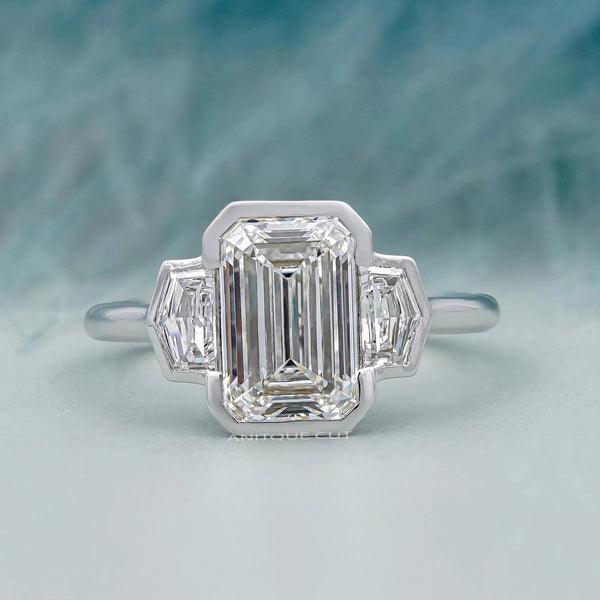


What Are Chameleon Diamonds?
Chameleon diamonds are natural diamonds with a distinctive color-changing property. They are generally found in shades that can include yellowish, greenish-yellow, grayish-green, or olive-related colors. Under particular conditions, their visible body color may shift toward a stronger yellow or brownish-yellow tone.
The term “chameleon” refers to this ability to change appearance rather than to a specific diamond cut or shape. A chameleon diamond can therefore be round, oval, cushion, radiant, emerald, pear, or another popular shape.
One of the most interesting characteristics of this engagement ring is that the diamond’s color can change through heating or prolonged storage in darkness. When exposed to normal conditions again, the diamond can gradually return toward its original color.
How Do Chameleon Diamonds Change Color?
The color-changing behavior is connected to specific features within the diamond crystal. Diamond is made primarily from carbon atoms arranged in a crystal lattice. However, natural diamonds can contain trace elements and structural irregularities.
In chameleon diamonds, these characteristics can affect how light is absorbed. The stone may display one color under ordinary conditions and a different color after particular environmental changes.
Heat and darkness are especially important when discussing this phenomenon. Some chameleon diamonds become more strongly colored after being stored in darkness for a period of time. Once exposed to light, their appearance can gradually return toward its usual state.
The Main Colors of Chameleon Diamonds
Color is one of the most important parts of understanding a chameleon diamond. Many examples are associated with yellow, yellow-green, olive-yellow, or brownish-yellow appearances.
Some stones may look more muted in ordinary lighting and become more intense after darkness or heat. Others can show a comparatively small change.
The final appearance depends on the individual stone's characteristics, lighting conditions, cut, and setting.
| Appearance | General Character |
|---|---|
| Yellow | Warm and noticeable |
| Yellow-green | Often associated with chameleon behavior |
| Olive-yellow | Earthy appearance |
| Brownish-yellow | Deeper and warmer visual character |
| Greenish tones | Can occur in certain unusual stones |
Because color terminology can vary between laboratories and sellers, it's wise to examine the exact grading report associated with a stone before purchasing it.
Why Is a Chameleon Diamond Rare?
Rarity is one of the biggest reasons these diamonds attract attention. Naturally occurring diamonds with unusual color behavior are far less common than standard colorless diamonds.
Several characteristics can contribute to rarity. The diamond needs to have the right combination of crystal structure and optical properties to display the recognized chameleon effect.
Natural fancy color diamonds are already a specialized part of the diamond market. A diamond that also demonstrates reversible color behavior occupies an even narrower category. For those seeking a distinctive engagement ring, this rare combination offers an exceptional choice.
However, rarity doesn't automatically mean a diamond will have a particular resale price. Market demand, documentation, appearance, carat weight, cut quality, and buyer preferences all influence value.
Chameleon Diamond Price
The chameleon diamond price can vary significantly. There isn't one standard price because each stone is different.
Several factors influence the cost:
- Carat weight
- Color strength
- Color-change characteristics
- Cut quality
- Clarity
- Shape
- Origin
- Laboratory documentation
- Market demand
- Overall rarity
A larger stone isn't automatically worth more than a smaller one. A smaller diamond with an unusual and desirable color characteristic may command significant interest.
Likewise, two diamonds with similar carat weights can have very different prices if their color, clarity, cut, or documentation differs.
Buyers should compare diamonds based on their complete specifications rather than focusing only on price per carat.
Chameleon Diamonds vs Other Fancy Color Diamonds
Chameleon diamonds differ from many other fancy color diamonds because their appearance can change under particular conditions.
A traditional yellow diamond generally has a stable yellow appearance. Pink, blue, green, and other fancy color diamonds can also have stable color characteristics.
Chameleon diamonds add another dimension because their color behavior itself becomes part of their appeal.
This makes them particularly interesting for people who enjoy unusual gemological properties. Instead of selecting only for color intensity, buyers can also consider how the stone responds to environmental conditions.
The comparison can be summarized as follows:
| Feature | Chameleon Diamond | Typical Fancy Color Diamond |
|---|---|---|
| Color | Can change under specific conditions | Usually remains stable |
| Rarity | Very uncommon category | Varies by color |
| Documentation | Highly useful | Highly useful |
| Collector interest | Can be high | Depends on stone |
| Appearance | May vary | Generally consistent |
How to Evaluate a Chameleon Diamond
When evaluating a chameleon diamond, we recommend considering several characteristics together rather than focusing only on carat weight.
Color
Examine the diamond under consistent lighting and note its original body color. If a color-change response has been documented, ask for information about the conditions under which it occurs.
Color Change
The strength and nature of the transformation are important. Buyers should understand whether the diamond changes after heating, darkness, or both, and how long the effect generally lasts.
Clarity
Clarity describes the presence of inclusions and blemishes. Some inclusions are difficult to see without magnification, while others can affect the stone's appearance.
Cut
Cut affects how effectively a diamond returns light to the viewer. A well-proportioned stone can have a strong visual presence even when it is not exceptionally large.
Carat Weight
Carat measures weight rather than visual size. Two diamonds with the same carat weight can have different face-up dimensions depending on their proportions.
Certification
A reputable independent gemological report can provide valuable information about a diamond's identity, color, clarity, treatments, and other characteristics.
Choosing the Right Chameleon Diamond Shape
The diamond shape can significantly affect the appearance of a chameleon stone.
Round diamonds offer a classic outline and can work well in solitaire settings.
Oval diamonds provide an elongated appearance and can make the finger appear longer.
Cushion diamonds combine rounded corners with a broader shape and can complement warmer diamond colors.
Emerald-cut diamonds emphasize clarity and broad, clean facets, making clarity selection particularly important.
Radiant-cut diamonds combine an elongated or rectangular outline with numerous facets that can create strong visual contrast.
Pear-shaped diamonds provide a distinctive silhouette and can be particularly attractive in asymmetric or three-stone settings.
The best shape ultimately depends on the individual diamond's proportions and the design of the ring
Why Choose Antiquecut?
Antiquecut focuses on creating jewelry that brings together carefully selected diamonds, distinctive designs, and attention to the details that matter when choosing a meaningful piece. Whether you are looking for a chameleon diamond ring, engagement ring, or another diamond jewelry piece, Antiquecut offers a range of styles designed for different tastes and occasions. Each piece is selected with attention to the diamond’s characteristics, setting, proportions, and overall presentation, helping you make a confident choice based on what matters most to you.
With Antiquecut, you can explore different diamond shapes, ring settings, and jewelry styles in one place while comparing options based on your preferences and budget. The focus is on offering thoughtfully designed jewelry with clear product information, giving shoppers a straightforward way to find a piece that suits their personal style.
Conclusion
Chameleon diamonds stand apart because their color is not simply a fixed visual characteristic. These rare natural diamonds can temporarily shift between greenish, olive, yellow, and related hues when exposed to heat or periods of darkness, depending on the stone. GIA research has identified distinctive fluorescence, phosphorescence, absorption characteristics, and other features that help gemologists distinguish genuine chameleon diamonds from other colored diamonds.
Design Your Own Jewelry with Antiquecut
FAQs
1. What are Chameleon Diamonds?
Chameleon Diamonds are rare diamonds that can temporarily change color under certain conditions.
2. Why do Chameleon Diamonds change color?
Heat or prolonged darkness can cause their color to change temporarily.
3. What colors can Chameleon Diamonds show?
They can show green, olive, yellow, and brownish tones.
4. Are Chameleon Diamonds rare?
Yes, natural Chameleon Diamonds are considered rare and unusual.
5. What is a Chameleon Ring?
A Chameleon Ring features a diamond with natural color-changing properties.
6. Are Chameleon Diamonds suitable for engagement rings?
Yes, they can make a distinctive choice for engagement rings.
7. How much does a Chameleon Diamond cost?
The Chameleon Diamond price depends on its size, color, clarity, cut, and rarity.
8. How can I check a Chameleon Diamond?
A professional diamond grading report can help verify its characteristics.
9. What affects Chameleon Diamond value?
Carat weight, color, clarity, cut, rarity, and certification can affect its value.
10. Why choose Antiquecut for Chameleon Diamonds?
Antiquecut offers carefully selected diamond jewelry and distinctive ring designs for shoppers looking for something special.


