


The idea of wearing a painite ring every day sounds exciting, especially when you consider how rare this gemstone is. For many collectors and jewelry lovers, owning a painite gemstone feels less like buying jewelry and more like holding a piece of geological history. But daily wear raises practical questions. Is the stone durable enough? Will it scratch easily? Does it require extra care compared to other gemstones?
These are important concerns because a ring worn every day faces constant contact with hard surfaces, water, dust, heat, and accidental impact. A gemstone can look stunning in a display box, but behave very differently once it becomes part of your daily routine.
In this guide, we’ll explore whether a painite ring truly works as an everyday accessory, how the stone compares with other popular gems, and what you should know before investing in painite jewelry.
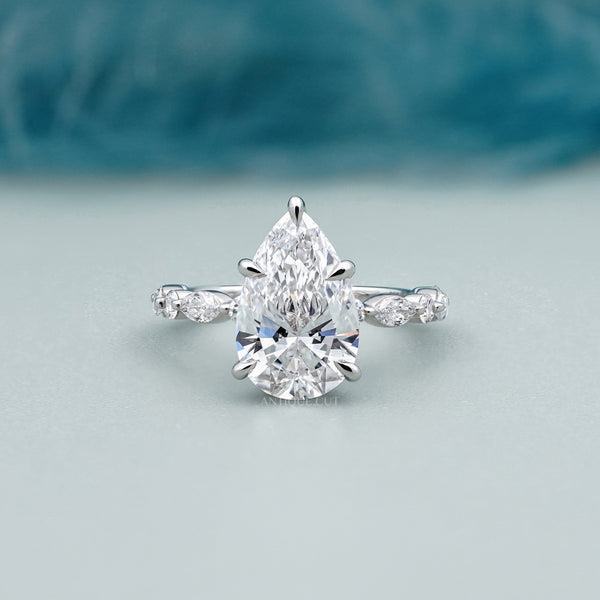
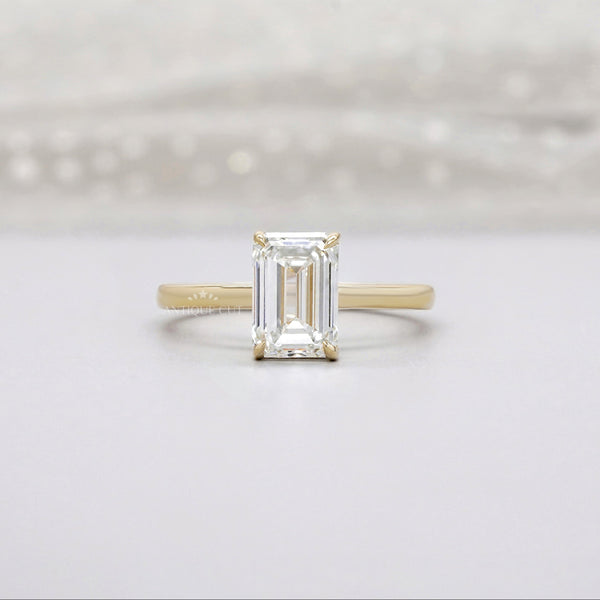
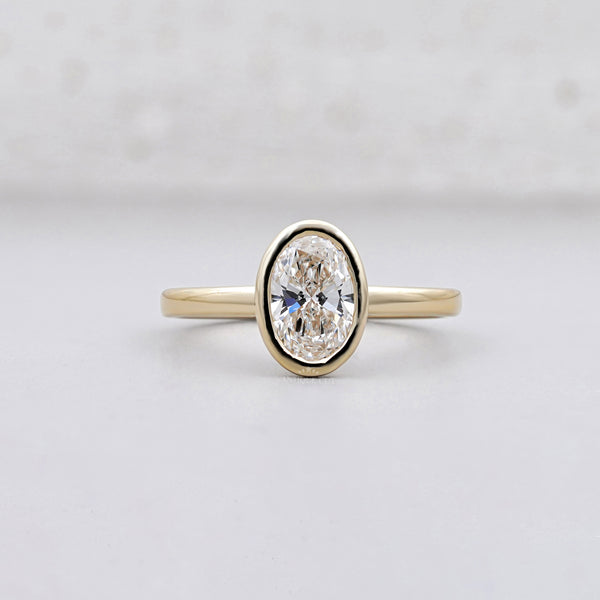
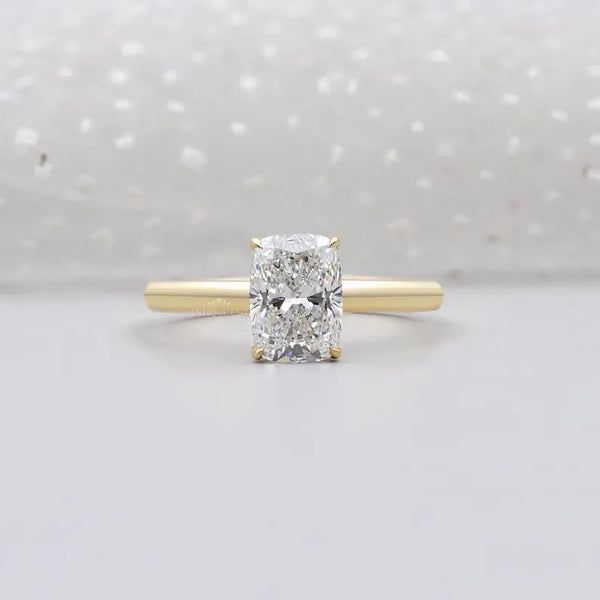
What Is Painite?
Painite is one of the rarest minerals ever discovered. It was first identified in Myanmar during the 1950s by British gemologist Arthur Charles Davy Pain, from whom the stone gets its name.
For decades, very few samples existed, making the gem almost impossible to find. At one point, it was even listed among the rarest gemstones on Earth. Although additional deposits have been discovered over time, fine-quality stones remain difficult to source.
The gem is known for its rich reddish-brown to orange-red color. Some stones also display hints of pink, copper, or deep amber tones depending on lighting conditions and mineral composition.
Unlike mainstream gemstones such as diamonds or sapphires, a painite stone is usually purchased by collectors, gemstone enthusiasts, or buyers who want something uncommon rather than widely recognised.
Why Is Painite Rare?
The rarity of painite gemstone material comes from a combination of geological conditions and limited mining locations. The stone forms under very specific circumstances involving rare minerals like zirconium and boron. These conditions do not occur often in nature.
Another reason for its rarity is that most gem-quality crystals are relatively small. Finding a clean stone large enough for jewelry cutting is uncommon.
Several factors contribute to its limited availability:
- Restricted mining regions
- Low production quantities
- Small crystal sizes
- Collector demand
- Limited commercial jewelry use
Even though more stones are available today compared to decades ago, high-quality painite gem pieces remain difficult to find in standard jewelry stores.
Can a Painite Ring Be Worn Every Day?
The short answer is yes, but with caution.
A painite ring can be worn daily if the setting is protective and the wearer understands the limitations of the stone. However, it is not considered the most practical gemstone for highly active lifestyles.
Unlike diamonds, which are known for exceptional hardness, painite requires more mindful handling. If you frequently work with your hands, visit gyms, handle heavy objects, or perform outdoor activities, daily wear may increase the risk of scratches or accidental damage.
That doesn’t mean the gemstone is fragile. It simply means it performs best when treated with reasonable care.
Many people choose to wear painite jewelry for office settings, dinners, events, or moderate day-to-day activities rather than rough environments.
Durability of Painite Stone
Durability is one of the biggest factors when choosing a gemstone for everyday wear. Like many stones used in diamond rings under 1000, durability affects how well a gem handles daily use over time.
Painite ranks around 8 on the Mohs hardness scale, which gives it fairly good scratch resistance. This places it above several popular gemstones but below diamonds.
Here’s where it becomes important: hardness only measures scratch resistance. It does not fully determine how resistant a stone is to cracking or chipping from impact.
A painite stone may still develop surface wear over time if exposed to repeated friction or hard contact.
Common Risks for Daily Wear
| Risk Factor | Impact on Painite |
|---|---|
| Hard surface contact | Possible scratches |
| Sudden impact | Risk of chipping |
| Household chemicals | Surface dullness |
| Heat exposure | Potential structural stress |
| Improper storage | Surface abrasion |
This is why ring design matters. A protective bezel setting or halo design can help shield the stone better than an exposed prong setting.
Painite Comparison Table
| Gemstone | Hardness | Rarity | Common Colors | Daily Wear Suitability | Price Range |
|---|---|---|---|---|---|
| Painite | 8 | Extremely Rare | Red, brownish-red, orange-red | Moderate | Very High |
| Ruby | 9 | Rare | Deep red, pink-red | Excellent | High |
| Sapphire | 9 | Moderately Rare | Blue, pink, yellow | Excellent | Moderate to High |
| Tanzanite | 6–7 | Rare | Blue-violet | Moderate to Low | Moderate |
This comparison shows why many collectors admire painite gemstone pieces. Its rarity often exceeds that of stones already considered valuable in the jewelry market.
Pros and Cons of Buying a Painite Ring
Styling Ideas for Painite Jewelry
The warm reddish tones of painite jewelry pair well with both casual and formal outfits.
Best Metal Pairings
| Metal Type | Why It Works |
|---|---|
| Rose Gold | Enhances warm red tones |
| Yellow Gold | Creates vintage-inspired contrast |
| White Gold | Gives a sharper modern appearance |
| Platinum | Adds a cooler, balanced finish |
Casual Styling
A smaller painite ring can work beautifully with neutral clothing tones like black, beige, cream, or dark brown.
Formal Styling
For evening events, larger stones paired with gold settings create a bold statement without looking overly flashy.
Layering Jewelry
Because painite already carries strong colour depth, it pairs best with simpler complementary jewelry rather than heavily layered gemstone combinations.
Investment Potential of Painite Gemstones
Collectors often ask whether a painite gemstone is a good investment. While gemstone investment is never guaranteed, rarity plays a major role in long-term demand. Since fine-quality stones remain difficult to source, interest among collectors of rare gems and lab grown colored diamond rings continues to stay strong.
However, investment value depends on several factors:
- Color quality
- Clarity
- Carat weight
- Certification
- Origin
- Overall cut quality
Certified stones from trusted gemological labs generally hold stronger resale appeal.
Buyers interested in investment should prioritise authenticity and documentation over size alone.
How to Identify Authentic Painite

Because the gem is rare, authenticity matters greatly.
Signs of a Genuine Painite Stone
- Certification from a recognised gem lab
- Deep reddish-brown tones
- Strong transparency in higher-quality stones
- Natural inclusions under magnification
- Reliable seller reputation
Always ask for gemological reports before purchasing expensive painite jewelry.
Final Thoughts
Wearing a painite ring every day is possible, but it works best for people willing to give the gemstone proper care and attention. Its rarity alone makes it stand apart from most gemstones available today, and that uniqueness is exactly what attracts collectors and jewelry enthusiasts.
The stone offers strong visual character, unusual history, and genuine scarcity. While it may not be the easiest gemstone for rough daily activity, it remains a fascinating option for buyers who want jewelry that feels uncommon and personal.
If rarity, individuality, and gemstone collecting appeal to you, a well-crafted piece of painite jewelry can become far more than just another accessory.
FAQs About Painite Jewelry
Q. Is painite more valuable than diamonds?
Certain high-quality painite gemstone pieces can be extremely expensive because of their rarity. However, pricing depends on quality, size, and market demand.
Q. Can a painite ring scratch easily?
Painite has decent hardness, but it can still scratch over time if exposed to rough surfaces or harder gemstones.
Q. Is painite suitable for engagement rings?
Yes, but protective settings and careful wear are recommended for long-term durability.
Q. How should I clean painite jewelry?
Use mild soap, lukewarm water, and a soft cloth. Avoid harsh chemicals and ultrasonic cleaners.
Q. Why is painite considered rare?
The gemstone forms under unusual geological conditions and is found in limited locations.
Q. Does painite hold investment value?
Rare gemstones may attract collectors, especially certified stones with strong color and clarity.
Q. What colours does painite come in?
Most stones display reddish-brown, orange-red, or copper-red tones.
Q. How can I tell if a painite stone is real?
Always request certification from a recognised gemological laboratory before purchase.
Q. Can painite jewelry be worn daily?
Yes, though careful handling is recommended to reduce the risk of scratches or impact damage.
Q. How does painite compare to ruby and sapphire?
Painite is rarer, while ruby and sapphire generally offer better durability for everyday wear.


