


A solitaire ring is one of the most recognized ring styles in fine jewelry. It features a single center diamond or gemstone as the main focal point without surrounding accent stones dominating the design. Its simple structure allows the center stone to receive complete attention, making it a preferred choice for proposals, anniversaries, and meaningful milestones.
Whether you are purchasing your first solitaire engagement ring or comparing different styles before making a decision, understanding every aspect of this classic design helps you invest with confidence. From diamond shapes and settings to metal choices and carat weight, every detail contributes to the overall appearance and value of the ring.
At Antiquecut, we believe selecting a ring should be based on craftsmanship, quality, and personal preference rather than passing trends.
What Is a Solitaire Ring?

A solitaire ring setting is designed to showcase a single center diamond, making it the main highlight of the ring. Unlike halo or multi-stone designs, there are no large side diamonds competing for attention, allowing the center stone to stand out on its own. The band is usually plain or features minimal detailing, creating a clean and balanced look. The word "solitaire" is derived from the Latin solitarius, meaning "alone," which reflects the ring's single-stone design.
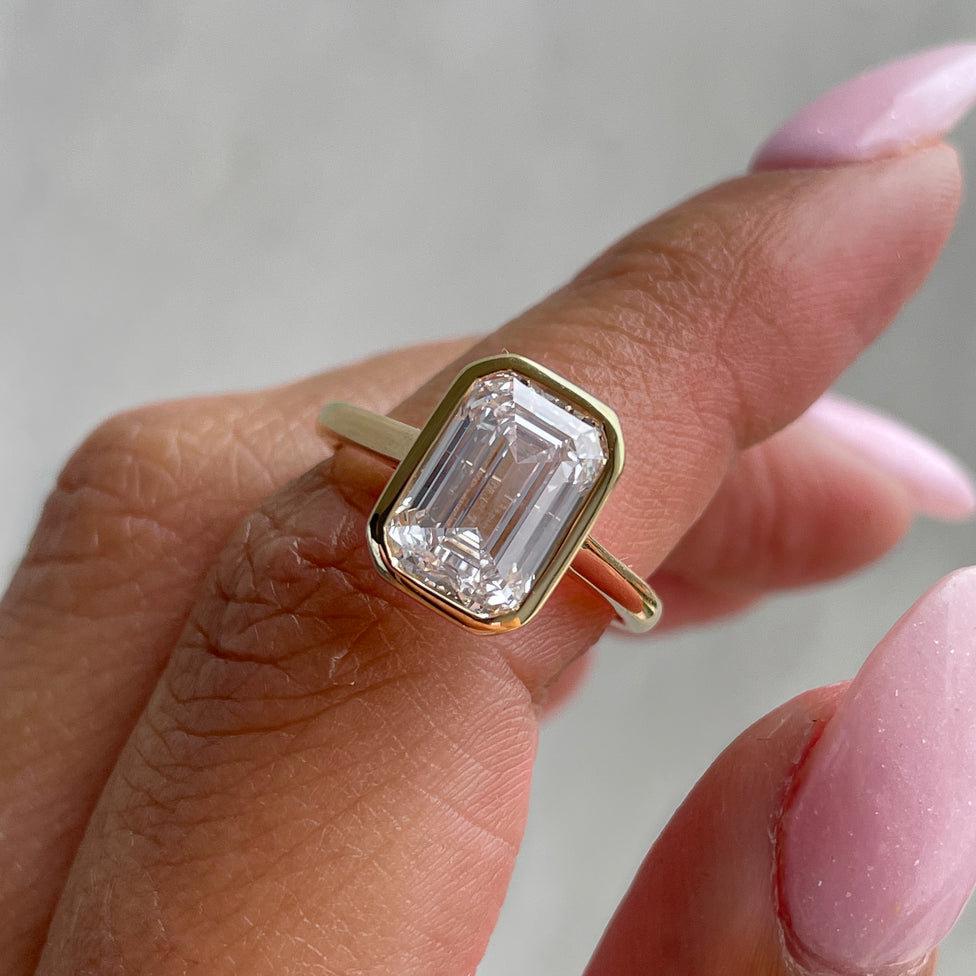
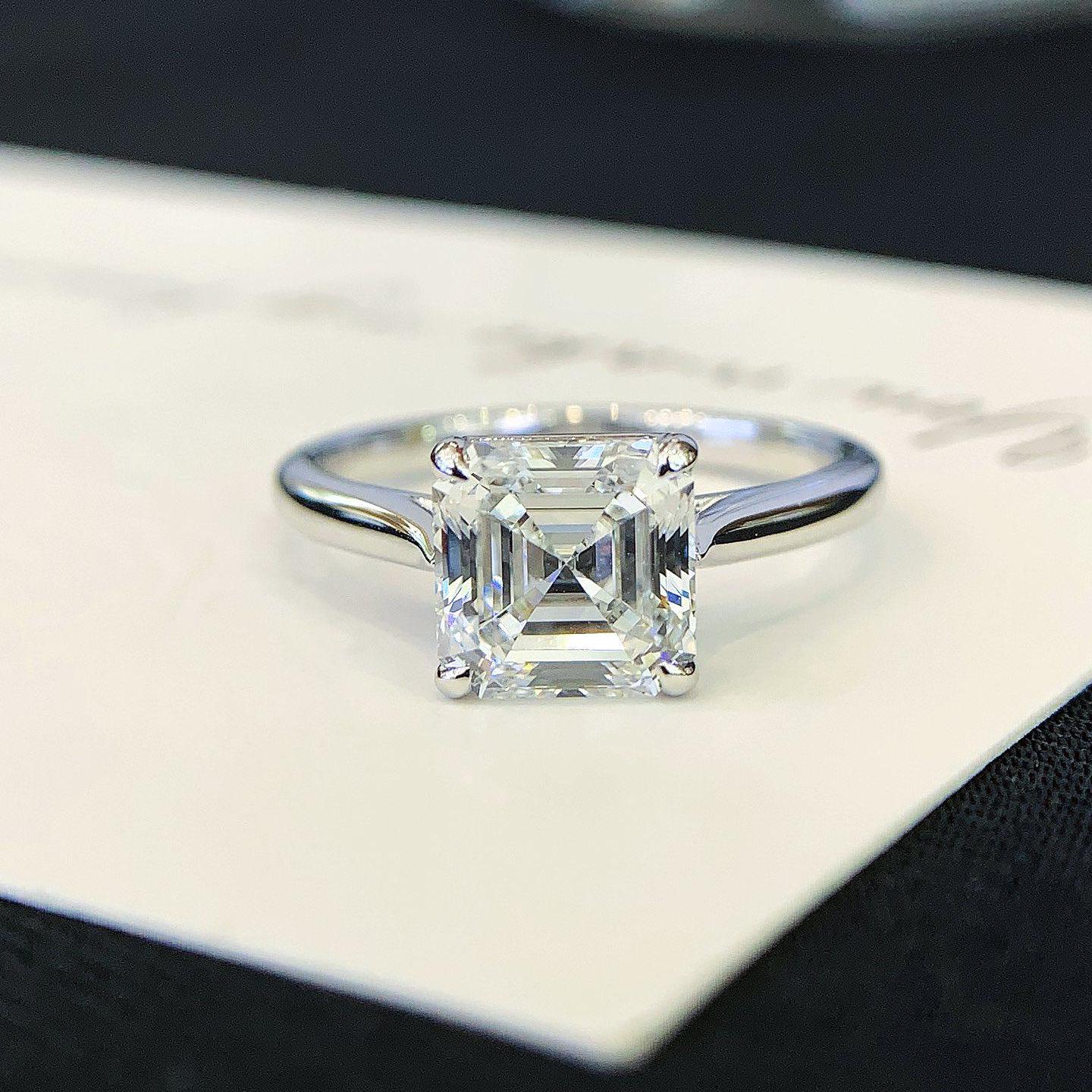
Most solitaire rings use four- or six-prong settings to securely hold the diamond while allowing plenty of light to reach it. Depending on the desired style and level of protection, the center stone can also be placed in a bezel, cathedral, or tension-style setting, each offering a distinct appearance while maintaining the focus on the diamond.
Choosing a Diamond Shape for a Solitaire Ring
No single shape works for every hand. The right choice depends on personal taste, finger width, desired face-up size, budget, and the protection required by the stone’s corners or points.
Round Cut
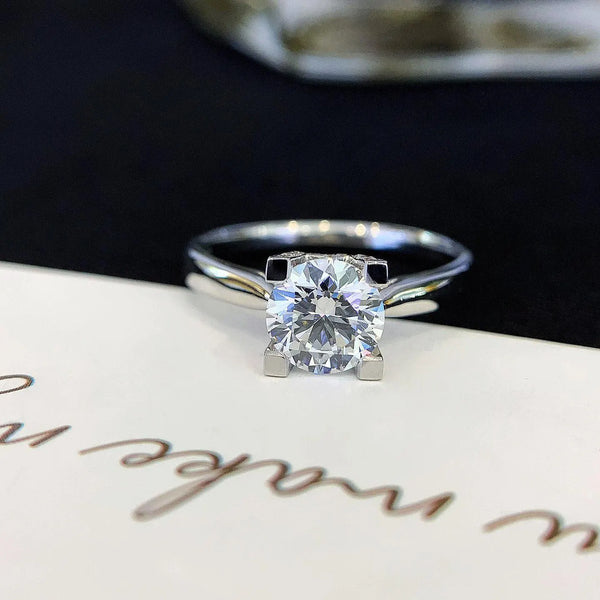
Round is the most popular choice for a solitaire diamond ring because of its balanced shape and exceptional light performance. It pairs beautifully with four-prong, six-prong, bezel, cathedral, and low-basket settings. While six prongs enhance the round outline, four prongs reveal more of the diamond's edge. Buyers looking for an ethical and budget-friendly option often choose round cut lab grown diamond rings, which offer the same visual appeal with excellent value.
Oval Cut
Oval diamonds feature an elongated shape that often appears larger than other diamonds of the same carat weight. Their length-to-width ratio influences the overall look, while a well-balanced bow-tie effect enhances the diamond's appearance. This flattering shape has made the oval diamond engagement ring a popular choice for buyers seeking a distinctive yet classic design.
Cushion Cut
Cushion diamonds combine a square or rectangular outline with rounded corners. Their facet patterns, depth, and spread can vary, so two diamonds with the same carat weight may appear different in size. Comparing millimeter measurements along with carat weight helps you make a better choice. A cushion cut lab diamond ring is a popular option for buyers who appreciate this soft, balanced shape while maximizing value.
Emerald and Radiant Cuts
Emerald cuts use long step facets and clipped corners, producing broad flashes and a structured look. Their open pattern can make inclusions easier to see, so clarity often deserves closer review.
Radiant cuts also have clipped corners but use a brilliant-style facet pattern. They suit buyers who want a rectangular or square outline with a busier internal pattern. For both shapes, compare length, width, depth, corner shape, and actual video.
Pear and Marquise Cuts
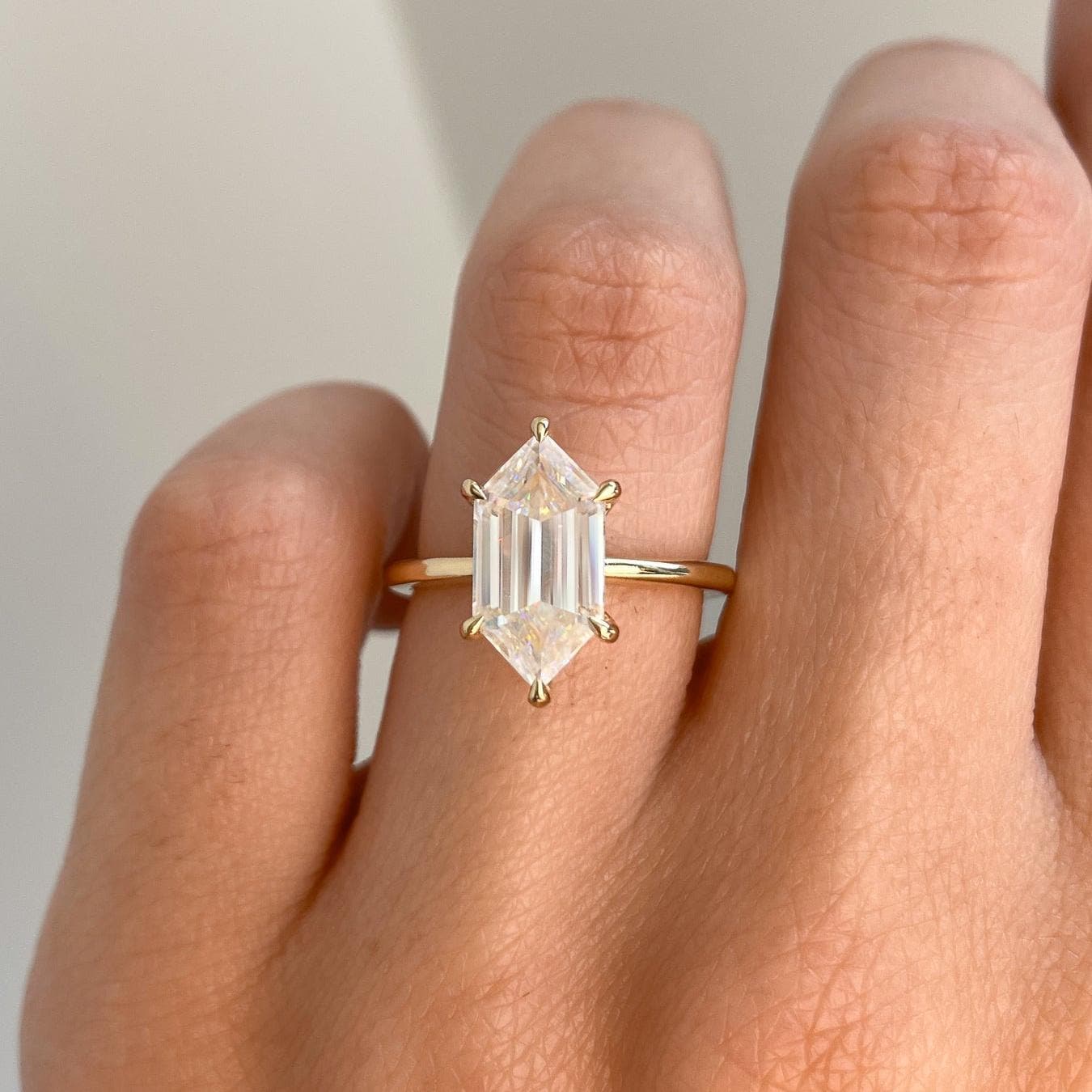
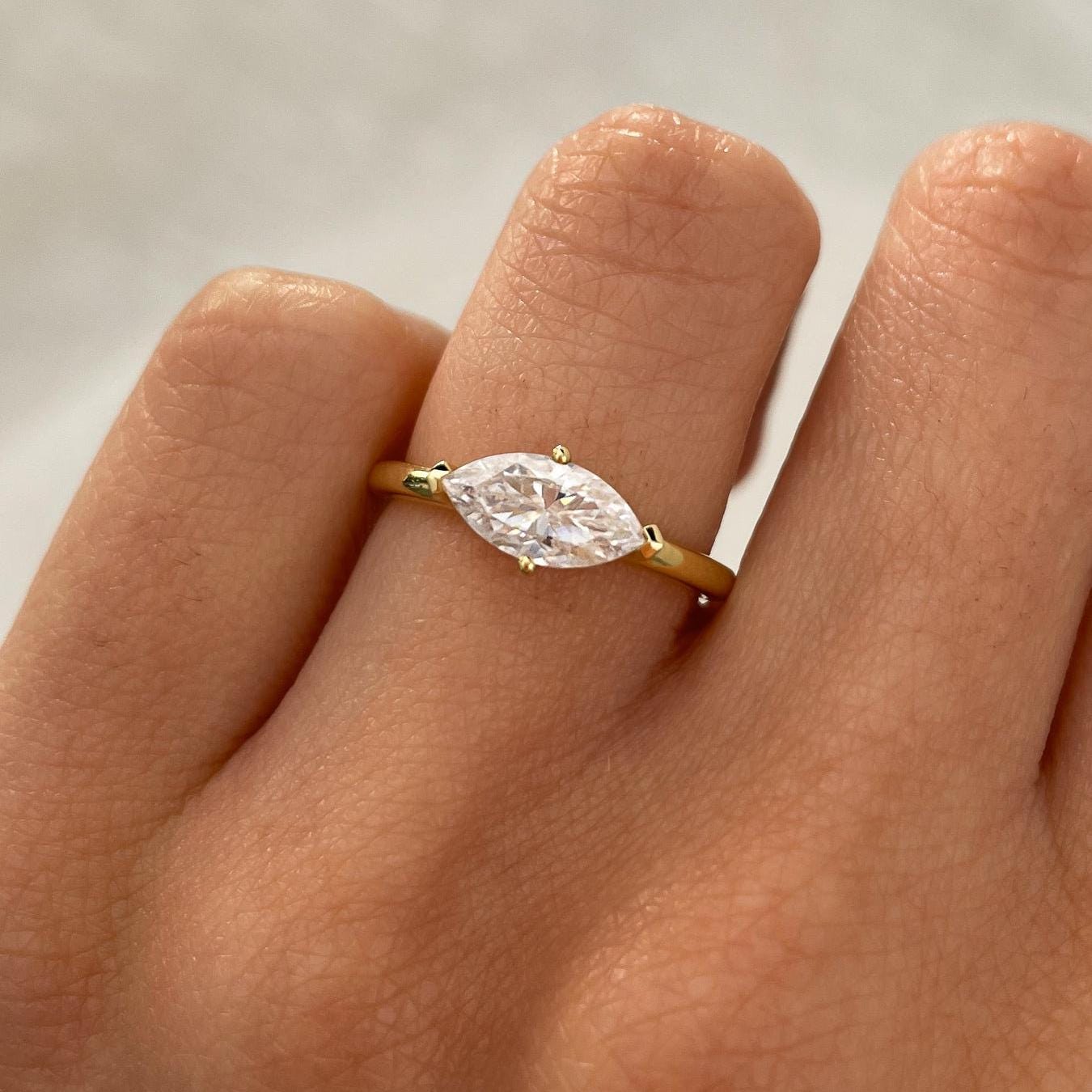
Pear and marquise diamonds add length to the finger. Their pointed ends require secure protection through V-prongs, tip prongs, or bezel sections. Orientation also changes the look. A pear can point toward or away from the hand, while a marquise can be placed north-south for length or east-west for width.
Choosing the Setting for a Solitaire Engagement Ring
| Setting Type | Features | Best For |
|---|---|---|
| Four-Prong Setting | Holds the center diamond with four prongs for maximum light exposure. | Round, oval, cushion, and princess-cut diamonds |
| Six-Prong Setting | Uses six prongs for added support and security. | Round and oval diamonds |
| Bezel Setting | A metal rim fully or partially surrounds the diamond. | Active lifestyles and everyday wear |
| Cathedral Setting | Raised shoulders lift the center stone for a prominent profile. | Buyers who prefer a higher-set diamond |
| Hidden Halo Setting | Small diamonds are placed beneath the center stone for extra detail. | Those wanting a solitaire look with added brilliance |
Understanding the 4Cs in a Solitaire Design
Every diamond should be evaluated according to the internationally recognized 4Cs.
Cut
Cut determines how efficiently the diamond reflects light.
An excellent cut produces superior brightness and visual appeal.
Color
Diamond color ranges from colorless to light yellow.
Higher color grades generally appear whiter.
Clarity
Clarity measures natural internal and external characteristics.
Most buyers select eye-clean diamonds that offer an excellent balance between appearance and value.
Carat Weight
Carat refers to the weight of the diamond.
Higher carat weights generally increase price, but cut quality often has an even greater impact on visual size.
How Much Does a Solitaire Ring Cost in the USA?
As of 2026, a solitaire ring in the USA can cost anywhere from about $1,000 to over $10,000, depending on the diamond's origin, carat weight, cut, color, clarity, setting, and metal. Buyers looking for engagement rings 1000 to 2000 can find many beautiful options, particularly with lab-grown diamonds, which offer excellent size and quality while staying within budget.
| Solitaire Ring Type | Estimated USA Price |
|---|---|
| Setting Only | $650–$2,000+ |
| 1 Carat Lab-Grown Diamond Ring | $1,500–$5,000 |
| 1 Carat Natural Diamond Ring | $4,000–$10,000+ |
| 2 Carat Lab-Grown Diamond Ring | $2,000–$7,500+ |
| 2 Carat Natural Diamond Ring | $8,000–$25,000+ |
Is a Solitaire Ring Right for You?
A solitaire suits someone who wants one central stone to define the ring. It works well for buyers who care about diamond shape, want flexibility with wedding bands, and prefer personalization through proportion, metal, and setting rather than many extra stones.
Compare finished rings from the top and side, check how they sit beside a band, and imagine how the setting will work during an ordinary week. A ring should not only photograph well; it should also suit the wearer’s routine.
Conclusion
So, what is a solitaire ring? It is a ring centered on one main stone, with the band and setting designed to support that single visual focus. Its clean structure makes each decision more noticeable: diamond shape, measurements, cut quality, prongs, band width, metal, height, and fit.
A thoughtful purchase does not require the highest carat, color, or clarity grade. It requires balance between appearance, comfort, durability, and budget. Review the actual stone video, grading report, measurements, setting profile, return terms, and production schedule before ordering.
FAQs
1. What is a solitaire ring in simple words?
A solitaire ring has one main stone as its central feature. In engagement jewelry, it is usually a diamond set on a plain or lightly detailed band.
2. Does a solitaire ring have to use a diamond?
No. It can hold a sapphire, ruby, emerald, moissanite, or another gemstone. The word solitaire refers to the single-stone layout.
3. Can a solitaire engagement ring have diamonds on the band?
Yes. Small accent diamonds may appear on the shank as long as one center stone remains visually dominant.
4. Is a hidden halo considered a solitaire?
Often, yes. A hidden halo sits below the center stone and is not the main feature from above. Retailer definitions can vary.
5. Which diamond shape is best for a solitaire ring?
Round is widely chosen, but oval, cushion, emerald, radiant, pear, marquise, princess, and Asscher shapes all work. The best one depends on taste, finger proportions, budget, and setting needs.
6. Is a 1 carat solitaire diamond ring large enough?
For many wearers, one carat provides noticeable presence. Its appearance depends on diamond shape, measurements, finger size, band width, and setting style.
7. Are solitaire engagement rings less expensive?
The setting may cost less than a design with many accent stones, but the total price depends mainly on the center diamond and metal. A large high-grade stone can make a solitaire more expensive than a detailed ring with a smaller center.
8. Is four prongs or six prongs better?
Four prongs expose more of the stone. Six provide additional contact points and can emphasize a round outline. Security also depends on workmanship and maintenance.
9. Can a solitaire sit flush with a wedding band?
Some can. Low or wide settings may require a curved band or leave a small gap. Check the side profile before buying the pair.
10. What should I check before buying online?
Review the actual diamond video, grading report, measurements, setting height, band thickness, ring size, production time, insured shipping, return terms, resizing policy, and after-sales support.


