


Shopping for classic engagement rings can feel like standing in front of a hundred doors, each one promising the "right" choice. Between diamond shapes, metal colors, and setting styles, it's easy to get stuck before you even start comparing prices. The good news is that a classic engagement ring follows a fairly predictable set of rules once you know what they are, and understanding them will save you time, money, and a lot of second-guessing. This article walks through exactly what to look for so you can buy with confidence, whether you're picking the ring yourself or shopping with your partner's input.
At Antiquecut, we work with couples every week who want a ring that will still look right in twenty years, not just on the day of the proposal. That long-term thinking is really what "classic" means in the jewelry world, and it's the lens we'll use throughout this piece.
What Makes Classic Engagement Rings Different?
Not every engagement ring is considered classic. A classic design focuses on simplicity, balance, and quality rather than decorative details that may become less popular over time.
Most classic rings include features such as:
- A single center diamond
- Balanced proportions
- Traditional prong settings
- White gold, yellow gold, rose gold, or platinum
- Comfortable bands suitable for everyday wear
Instead of following short-term fashion, these rings focus on craftsmanship and clean design.
Some couples prefer highly detailed settings, while others appreciate the understated appearance of a traditional ring. Both options are beautiful, but classic designs are often easier to pair with wedding bands and remain suitable for many years.
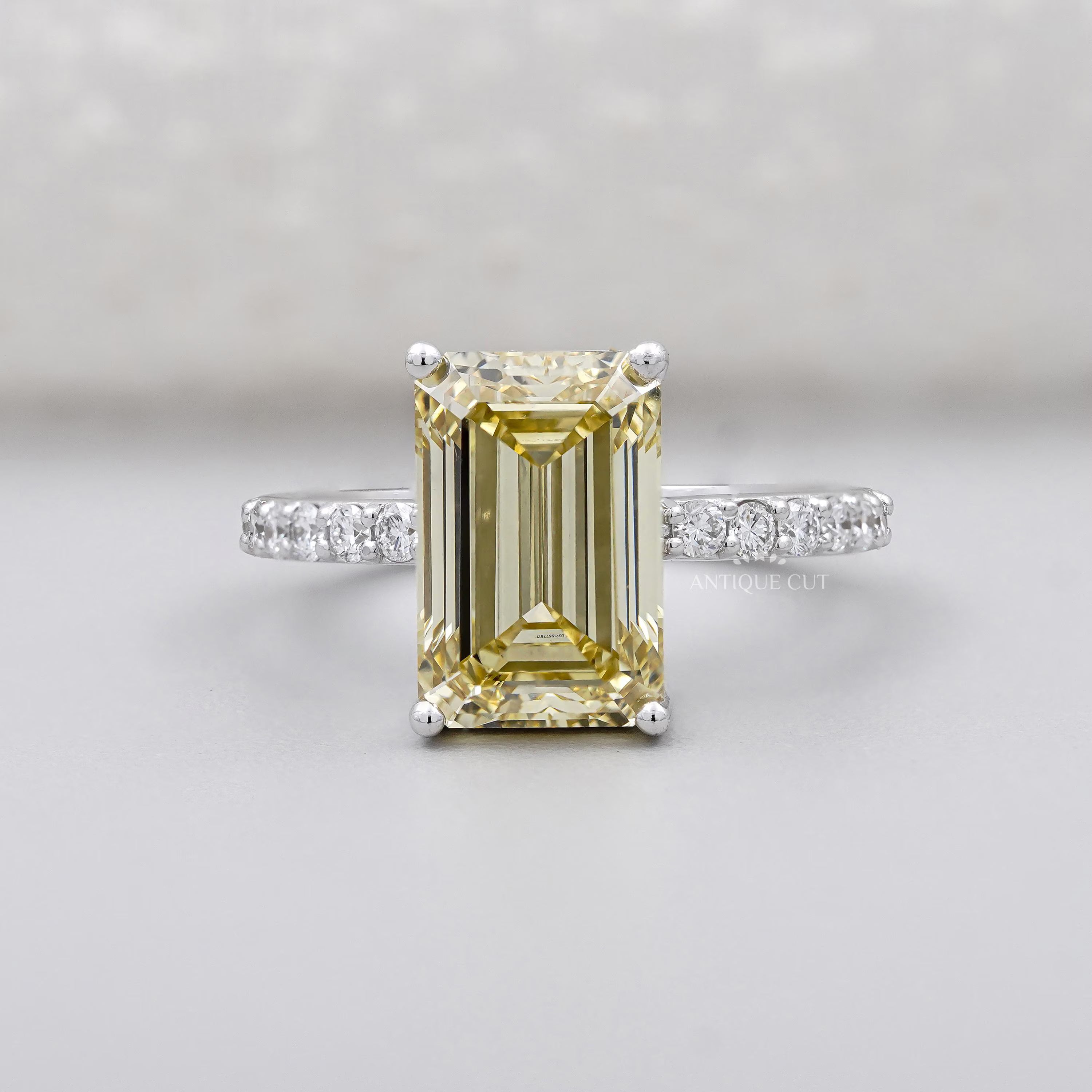
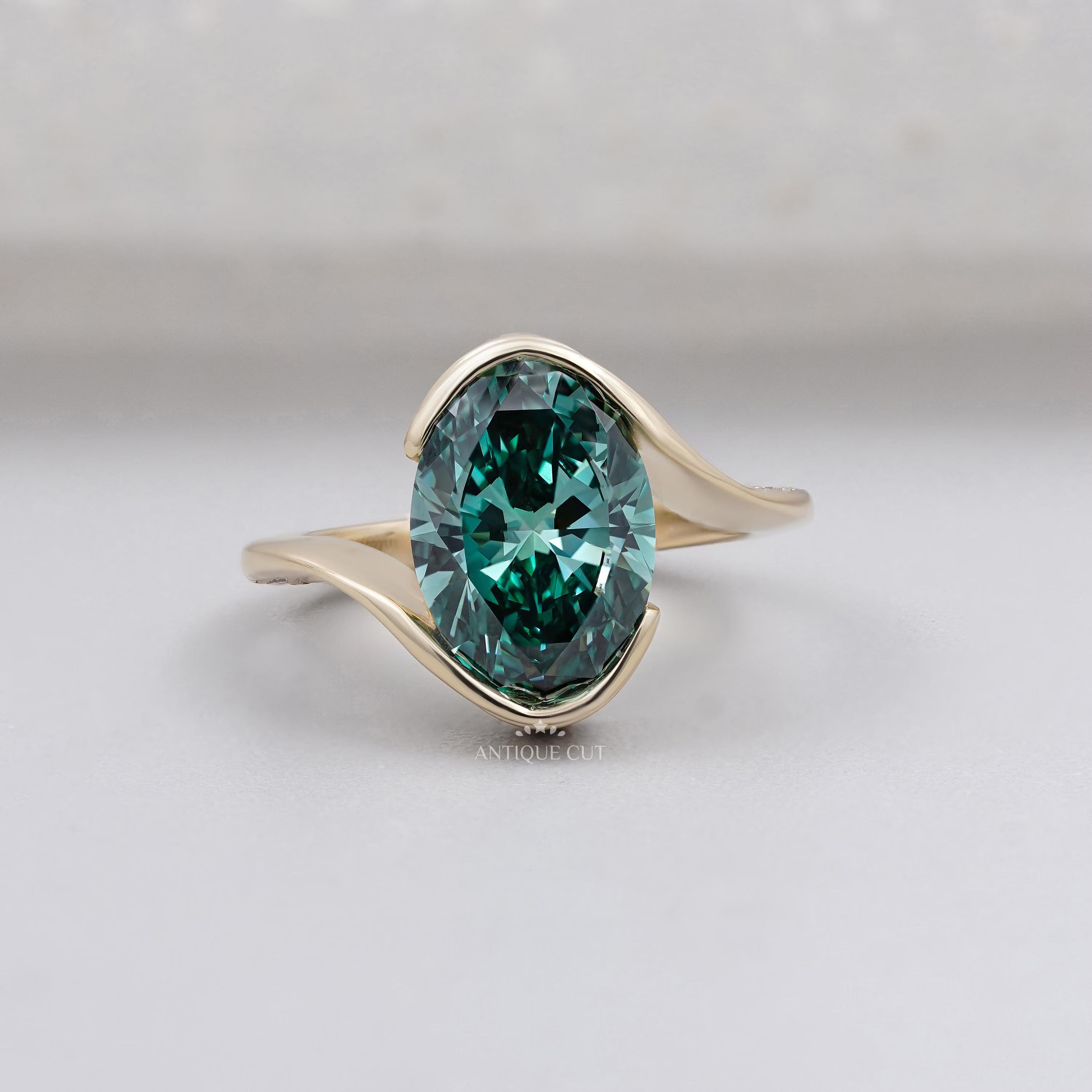
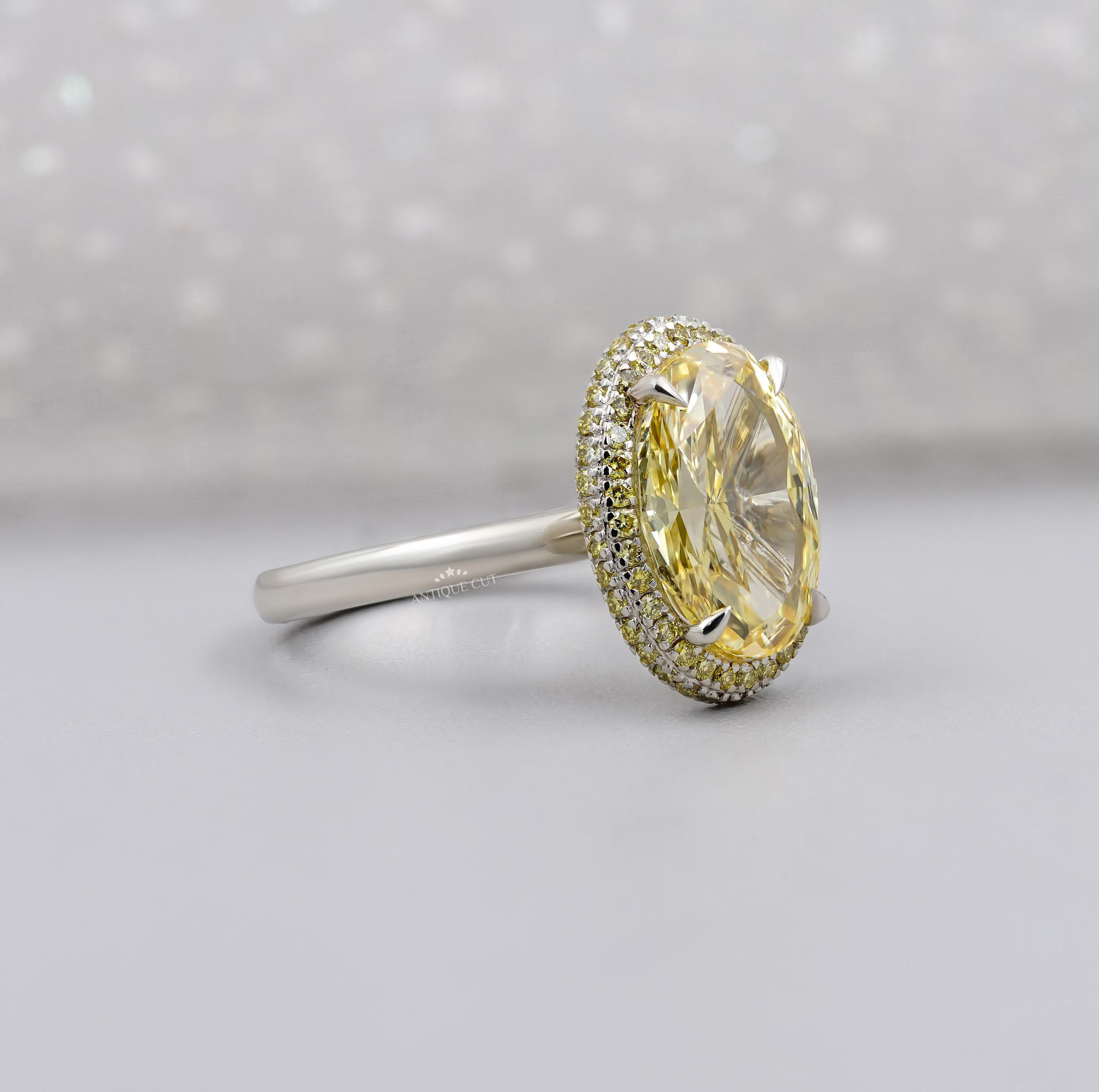
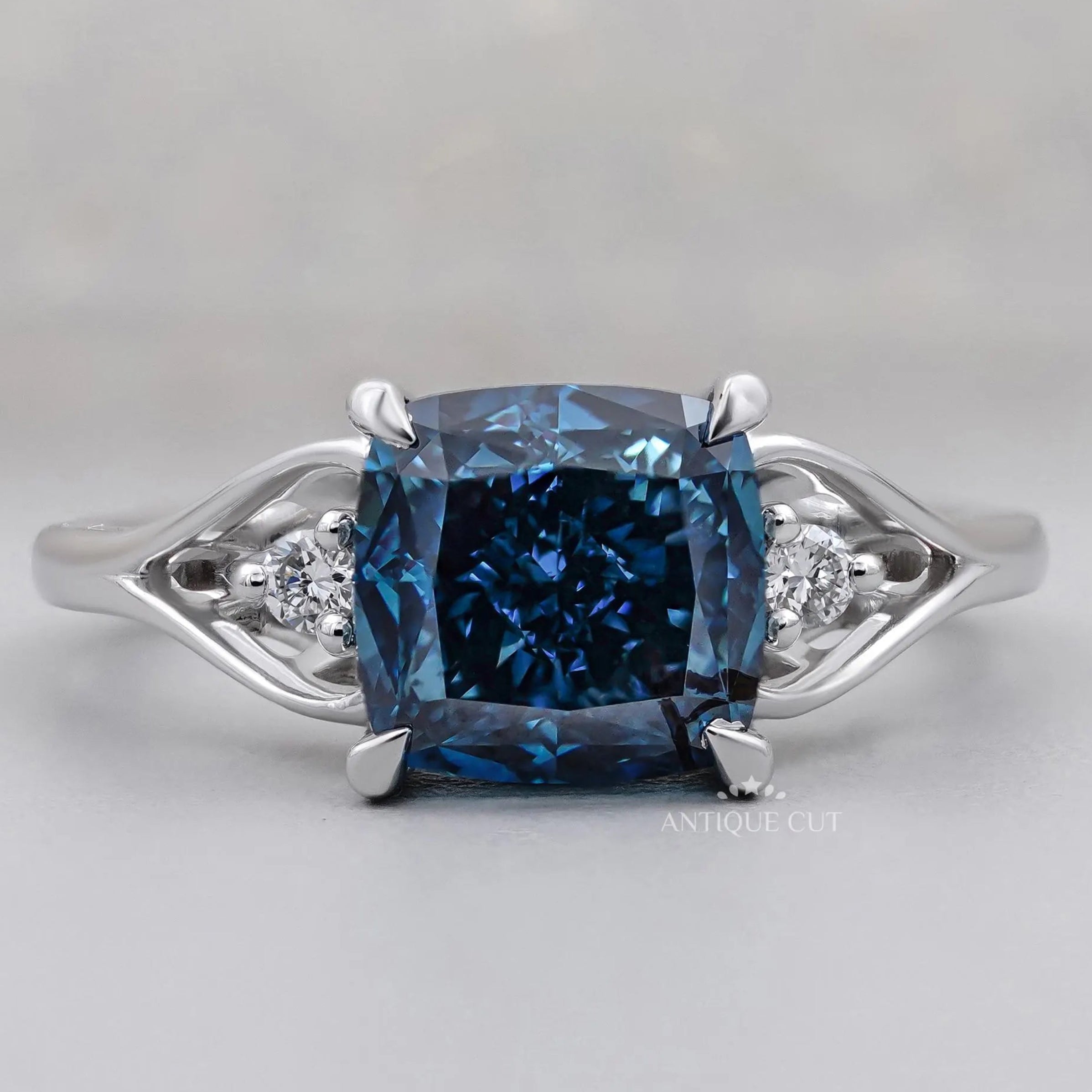
Classic Engagement Ring Styles to Consider
There are several classic engagement ring styles available today. While each offers a different appearance, they share one important quality simplicity in design that places emphasis on the center stone.
Classic Solitaire Rings
The classic solitaire engagement ring remains one of the most recognized styles worldwide. Featuring a single center diamond, solitaire rings allow maximum visibility of the stone while maintaining a clean appearance.
Popular solitaire settings include:
- Four-prong settings
- Six-prong settings
- Cathedral settings
- Basket settings
- Knife-edge bands
Solitaire designs work exceptionally well with round, oval, emerald, cushion, and radiant cut diamonds.
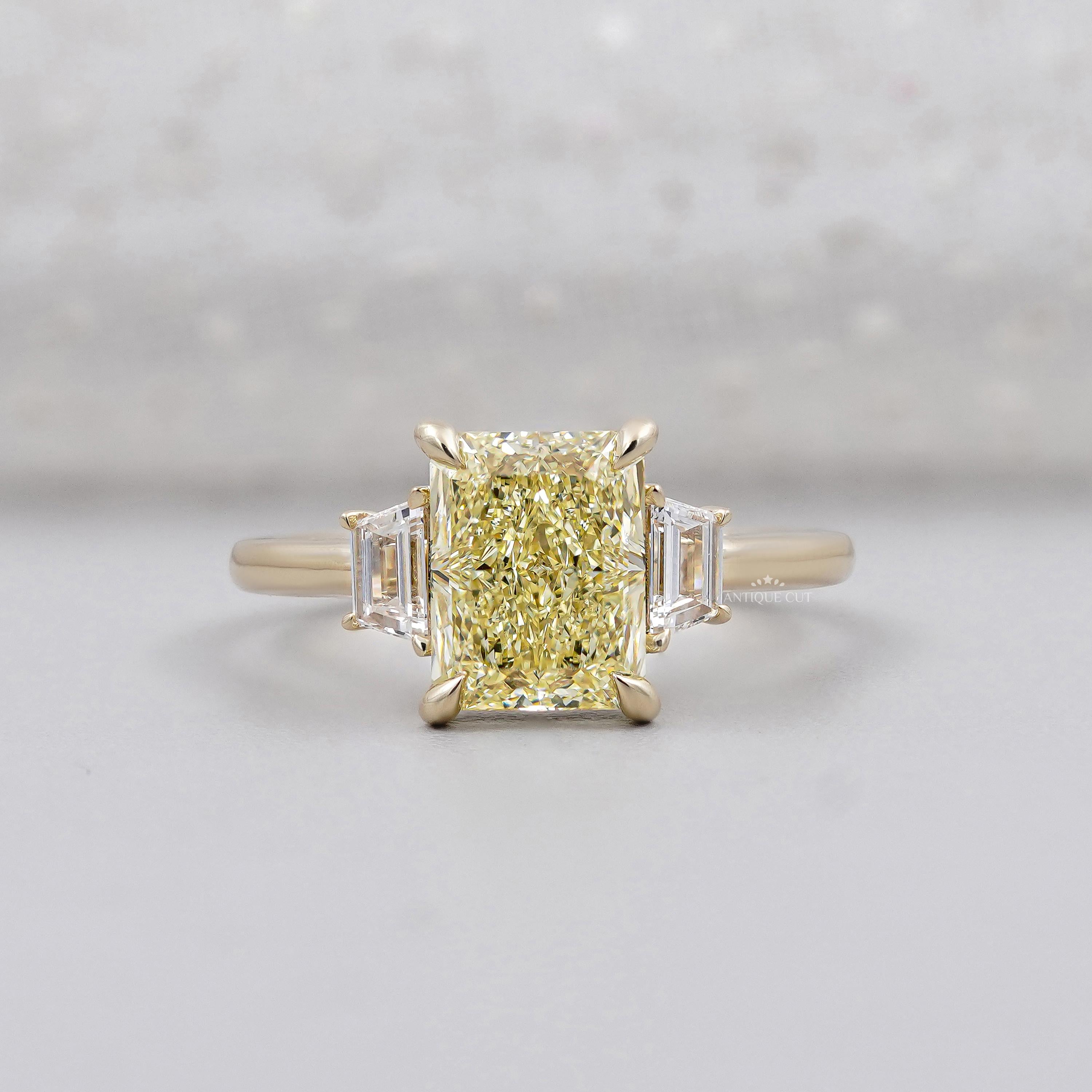
Three Stone Rings
Three-stone rings symbolize the past, present, and future of a relationship. They provide additional visual presence without appearing overly decorative.
Popular side stone combinations include:
- Round diamonds
- Tapered baguettes
- Trapezoid diamonds
- Pear-shaped side stones
Cathedral Settings
Cathedral settings feature arches that rise gracefully toward the center diamond. These designs provide additional support while creating greater height for the stone.
Many classic engagement ring styles incorporate cathedral shoulders because they enhance the overall profile of the ring.
Hidden Halo Designs
Hidden halo rings place smaller diamonds beneath the center stone rather than surrounding it from the top view. This approach provides additional brilliance without significantly changing the traditional appearance of the ring.
Choosing the Right Diamond Shape
Diamond shape significantly influences the appearance of an engagement ring. Some shapes appear larger than others despite having identical carat weights.
| Diamond Shape | Appearance | Best For |
|---|---|---|
| Round | Maximum brilliance | Traditional designs |
| Oval | Longer finger appearance | Solitaire settings |
| Emerald | Clean step-cut facets | Sophisticated styles |
| Cushion | Soft corners | Vintage-inspired designs |
| Radiant | Brilliant faceting | Modern-classic combinations |
| Pear | Distinctive silhouette | Halo and solitaire settings |
| Princess | Sharp geometric lines | Contemporary classic rings |
Round diamonds remain the most requested option for classic engagement rings because of their versatility and exceptional light performance.
Oval diamonds have also become increasingly popular among buyers looking for elongated proportions without sacrificing brilliance.
Selecting the Best Metal for Your Ring
The metal you choose contributes significantly to both durability and appearance.
14K White Gold
14K white gold is one of the most popular options in the United States because it offers:
- Excellent durability
- Bright white appearance
- Competitive pricing
- Suitable everyday wear
18K White Gold
Buyers seeking a higher gold content often choose 18K white gold. It offers:
- Richer precious metal composition
- Slightly warmer white tone
- Premium feel
Yellow Gold
Yellow gold continues to complement classic diamond engagement ring designs beautifully. It pairs particularly well with:
- Oval diamonds
- Cushion cuts
- Emerald cuts
- Round brilliant diamonds
Rose Gold
Rose gold provides a warm appearance and works well with both colorless and fancy-colored diamonds.
Platinum
Platinum remains highly valued for engagement rings because of its density and durability. It naturally develops a patina over time while retaining its precious metal content.
Understand Diamond Quality Without Overspending
Diamond quality depends on cut, color, clarity, and carat weight. These factors should be balanced based on appearance and budget.
Cut
Cut affects how well a diamond reflects light. Focus on proportions, symmetry, and face-up appearance rather than carat weight alone.
Color
Near-colorless diamonds can appear white once set, especially in yellow or rose gold. White metals may make color differences easier to notice.
Clarity
Choose an eye-clean diamond instead of paying more for inclusions that are only visible under magnification. Step-cut diamonds may need a higher clarity grade.
Carat Weight
Carat measures weight, not visible size. Compare millimeter dimensions and consider slightly lower weights, such as 0.90 instead of 1.00 carat, to save money.
Why Antiquecut Is a Good Place to Start Your Search
Antiquecut offers a carefully selected range of classic engagement ring styles, including solitaire, halo, and three-stone designs crafted with natural and lab-grown diamonds. Every design focuses on quality craftsmanship and everyday wear.
Start by setting your budget, prioritize diamond cut quality, and choose a style that suits your partner's preferences. Comparing different designs can make finding the right ring much easier.
Explore Engagement Rings →Conclusion
Choosing the right engagement ring involves balancing beauty, practicality, and personal preference. From selecting the ideal diamond shape to comparing metals and settings, every detail contributes to creating a meaningful piece of jewelry.
Classic engagement rings continue to remain among the most popular choices because they complement changing tastes while maintaining their appeal across generations. Whether you prefer a classic solitaire engagement ring or a three-stone design, thoughtful selection ensures that your ring reflects both craftsmanship and individuality.
FAQs
What is considered a classic engagement ring?
A classic engagement ring usually has a balanced design that places attention on the center diamond. Solitaires, cathedral settings, three-stone rings, plain bands, and traditional prong settings are common examples.
What is the most popular classic diamond shape?
Round-cut diamonds are among the most widely selected shapes for classic designs. Oval, emerald, cushion, and princess cuts are also common choices.
Is a solitaire ring a good choice for daily wear?
Yes, a solitaire can be suitable for daily wear, especially when the setting height, prongs, band thickness, and wearer’s routine are considered carefully.
Should I choose four prongs or six prongs?
Four prongs allow more of the diamond edge to remain visible. Six prongs provide two additional contact points and create a more enclosed appearance. The best option depends on diamond shape, size, and preferred look.
What metal is best for a classic engagement ring?
White gold, yellow gold, rose gold, and platinum can all work well. The choice should depend on preferred color, maintenance expectations, budget, durability, and skin sensitivity.
How much should I spend on an engagement ring in the USA?
There is no required amount. Choose a budget that does not interfere with emergency savings, housing costs, debt payments, wedding plans, or other financial priorities.
Are lab-grown diamonds suitable for classic engagement rings?
Yes. Lab-grown diamonds can be used in solitaire, cathedral, bezel, three-stone, halo, and other classic settings. They can also offer more size or higher grades within a set budget.
Which diamond shape makes the finger look longer?
Oval, pear, marquise, and emerald-cut diamonds have elongated outlines that may make the finger appear longer.
Can a wedding band sit flush with a solitaire ring?
It depends on the basket and setting height. A higher basket may allow a straight band to sit close, while a low setting may require a curved or contoured wedding band.
Is a bezel setting considered classic?
Yes. Bezel settings have been used for many years and can create a clean, secure frame around the diamond. They are especially useful for buyers who want added edge protection.
What clarity grade is best for a classic diamond ring?
The best value is often an eye-clean diamond rather than the highest possible clarity grade. Inclusion type, size, color, and location matter more than the grade alone.
How wide should a solitaire band be?
Many solitaire bands fall between approximately 1.8 mm and 2.5 mm, but the best width depends on ring size, diamond size, metal, and setting construction.
Should I insure an engagement ring?
Insurance can help protect against theft, loss, or damage, depending on the policy. Buyers should compare jewelry-specific insurance with scheduled coverage under a homeowners or renters policy.


