


When you hold a gleaming white gold engagement ring or a bright silver pendant, the brilliant, reflective finish you see is not actually the gold or silver itself. Instead, you are looking at one of the rarest, most expensive, and most resilient precious metals on Earth: rhodium.
For fine jewelry collectors and those shopping for an engagement ring, understanding what is rhodium is essential to keeping your jewelry looking spectacular for years to come. At Antiquecut, we believe that knowing the materials behind your favorite pieces helps you make better buying decisions and take proper care of your collection.
This guide breaks down what this extraordinary metal is, why it is used, the dipping process, expected costs, and how to maintain that signature bright look.
What Is Rhodium?

Rhodium is a chemical element (atomic symbol Rh, atomic number 45) and an ultra-rare member of the platinum group of metals. Discovered in 1803 by English chemist William Hyde Wollaston, it is exceptionally hard, naturally silvery-white, and highly reflective.
What Is Rhodium Plated Jewelry?

- Aesthetic Enhancement: It masks the natural, slightly warm yellowish tint of white gold or the duller gray of sterling silver, replacing it with a mirror-bright, cold-white surface.
- Durability and Shielding: It acts as a hard outer barrier that resists everyday scratches, scuffs, and tarnish, significantly extending the life of the metal underneath.
What Is Rhodium Used For?
While the jewelry industry relies on this metal for its mirror-like finish, jewelry is actually a secondary market.
- Catalytic Converters: Over 80% of global production is used in the automotive industry to reduce toxic exhaust emissions.
- Industrial and Chemical Equipment: Its high melting point and corrosion resistance make it ideal for laboratory crucibles, aircraft spark plugs, and searchlight reflectors.
- Fine Jewelry: Jewelers use it to coat white gold and sterling silver engagement rings, bands, earrings, and necklaces to maximize light reflection, prevent tarnishing, and protect sensitive skin from allergens like nickel.
The Professional Rhodium Plating Process

The plating process is a precise chemical procedure called electroplating. Because even a tiny speck of dust or fingerprint oil can ruin the bond, the preparation is just as important as the dipping itself.
The Professional Rhodium Plating Process
The plating process is a precise chemical procedure called electroplating. Because even a tiny speck of dust or fingerprint oil can ruin the bond, the preparation is just as important as the dipping itself.
Polishing and Buffing
Surface PreparationThe jeweler polishes the jewelry to remove scratches, scuffs, and old plating layers. The surface must be completely smooth because electroplating highlights imperfections rather than covering them.
Ultrasonic and Electro-Cleaning
DecontaminationThe jewelry is placed in an ultrasonic cleaning tank to loosen residual polishing compounds. It then undergoes electro-cleaning in an alkaline bath to remove invisible oils, dirt, and fingerprints.
Acid Rinse
Surface ActivationA brief dip in a mild acid solution neutralizes remaining cleaning chemicals. This treatment activates the base-metal surface and prepares it to accept the new rhodium coating.
The Electroplating Bath
The Rhodium DipThe jewelry is suspended in a heated solution containing dissolved rhodium ions. A controlled electrical current bonds the ions evenly to the surface, usually within 30 to 60 seconds.
Rhodium Plating Cost: What to Expect
Because this is one of the most expensive raw commodities on Earth, many wonder about the rhodium plating cost. In the raw metals market, it regularly trades at several times the price of gold per ounce.
However, because only a micro-thin layer is used per piece, re-plating a piece of jewelry is quite affordable.
- Average Cost: A professional jewelry store in the United States typically charges between $50 and $150 to re-plate a standard engagement ring or wedding band.
- Influencing Factors: The price depends on the size of the jewelry piece, the complexity of its design (which requires more meticulous hand-polishing beforehand), and the current market price of the raw metal.
At Antiquecut, we recommend factoring this small maintenance cost into your long-term care plans when purchasing white gold rings. Visit the Antiquecut Best Sellers collection to explore our best-selling lab grown diamond engagement rings.
How Long Does Rhodium Plating Last?
The protective layer is not permanent. Over time, friction from daily wear, skin oils, soap, and cosmetics will gradually wear it down, exposing the warm white gold or silver underneath.
The lifespan of the plating depends heavily on how the jewelry is worn:
- Engagement Rings and Wedding Bands: Typically last 1 to 2 years with daily wear before showing signs of warmth on the bottom of the band.
- Earrings and Pendants: Can easily last 5 to 10 years or more, as they experience minimal direct friction.
- Special Occasion Jewelry: May never require re-plating if worn only a few times a year.

Final Thoughts
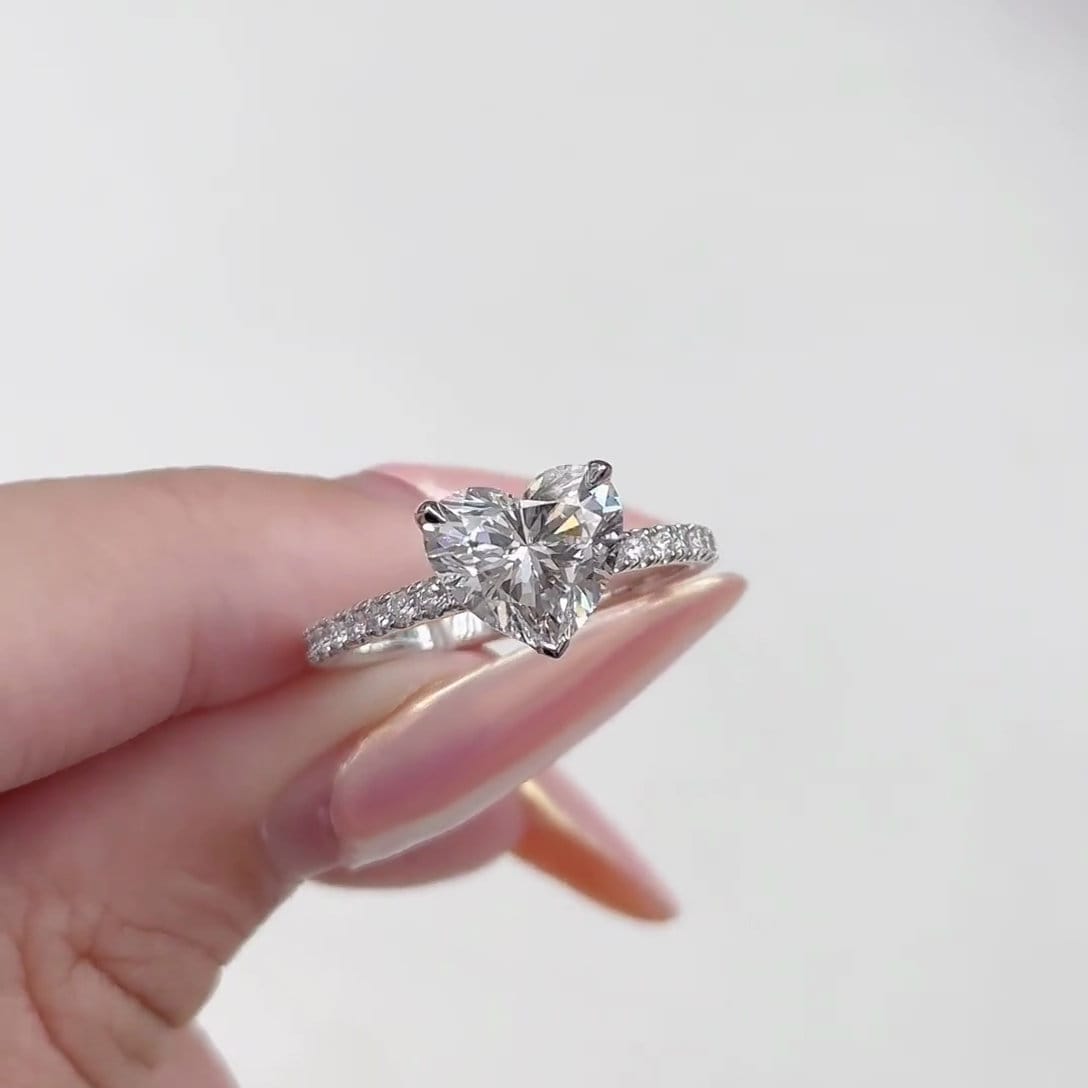
Understanding what is rhodium? helps you make better decisions when buying or maintaining jewelry. While rhodium is not the main metal used to create a ring or necklace, its thin outer layer has a noticeable effect on appearance. It gives many pieces a brighter white finish, improves surface reflectivity, and is commonly used on white gold to achieve the look many shoppers expect.
FAQs
1. What is rhodium in simple terms?
Rhodium is a rare precious metal used in jewelry as a bright white finishing layer, especially on white gold and silver pieces.
2. What is rhodium plated jewelry?
Rhodium-plated jewelry is made from a base metal covered with a thin layer of rhodium. The coating gives the piece a brighter white colour and helps protect the surface from tarnish and light wear.
3. Is rhodium the same as white gold?
No. White gold is an alloy made by mixing gold with pale-coloured metals. Rhodium is a separate metal applied to the surface of many white gold pieces to create a brighter white finish.
4. What is the natural rhodium colour?
The natural rhodium colour is cool silvery white. It has a bright, reflective appearance that can make white gold look whiter and more uniform.
5. Does rhodium plating wear off?
Yes. Rhodium plating gradually wears away through friction, contact with chemicals, regular cleaning, and daily use. Rings usually show wear sooner than earrings or pendants.
6. How often should a white gold ring be rhodium plated?
A frequently worn white gold ring may need replating every one to three years. Some people replate sooner when the warmer base metal becomes visible, while others wait until the colour difference is more noticeable.
7. What is the rhodium plating process?
The rhodium plating process usually includes inspecting, cleaning, polishing, and preparing the jewelry. The piece is then placed in a rhodium solution, where an electrical current deposits a thin coating onto the surface.
8. How much does rhodium plating cost?
Rhodium plating cost depends on the jewelry type, size, condition, design details, gemstones, location, and whether cleaning or polishing is included. Rings with repairs or detailed settings usually cost more than plain bands.
9. Can yellow gold be rhodium plated?
Yes, yellow gold can be rhodium plated to create a white appearance. However, the yellow base becomes more noticeable when the coating wears away, so regular maintenance may be required.
10. Can sterling silver be rhodium plated?
Yes. Rhodium plating is often applied to sterling silver to create a brighter white finish and help reduce tarnishing. Once the coating wears through, the exposed silver may begin to darken.


