


What is palladium, and why does this rare metal matter to car manufacturers, electronics companies, investors, jewelers, and engagement ring shoppers? Palladium is a naturally white precious metal with the chemical symbol Pd and atomic number 46. It belongs to the platinum-group metals, a small family that also includes platinum, rhodium, ruthenium, iridium, and osmium. Its value comes from a useful combination of corrosion resistance, catalytic performance, limited supply, and demand across several industries.
This article explains what palladium is, what palladium is used for, what color palladium has, what palladium may be worth, how its market price is calculated, and what USA buyers should check before purchasing palladium jewelry or bullion.
Where Does Palladium Come From?

Most of the world's palladium is mined in Russia and South Africa, which together account for the large majority of global output. Smaller amounts come from Canada, the United States, and Zimbabwe. Unlike gold or silver, palladium is rarely mined on its own it's typically recovered as a byproduct of nickel and platinum mining, which means its supply is closely tied to how much of those other metals gets pulled out of the ground in a given year.
This byproduct relationship matters for pricing. When nickel or platinum mining slows down for reasons that have nothing to do with palladium demand, palladium supply tightens too, and prices can move sharply. The same attention to material availability is also considered when choosing precious metals for jewelry designs, including an engagement ring hidden halo setting where the choice of metal can influence durability, appearance, and long-term value. This link between supply and unrelated mining decisions is one reason palladium has experienced some of the most volatile price swings of any precious metal over the past decade.
What Is Palladium Used For?
The question what is palladium used for has more than one answer. Most palladium is used because it can speed up chemical reactions without being consumed in the same way as ordinary raw materials. It also conducts electricity, resists corrosion, works in specialized dental and jewelry alloys, and can allow hydrogen to pass through it under controlled conditions.
The U.S. Geological Survey identifies catalytic converters, electronics, and chemical catalysts as major uses and includes palladium on the United States’ 2025 critical minerals list.
What Color Is Palladium?
Palladium is naturally silver-white, with a bright, cool tone that looks close to platinum straight out of the ground. This is one of its biggest selling points in jewelry. White gold, by contrast, starts out with a faint yellowish cast because gold itself is yellow, and jewelers typically plate it with rhodium to give it that bright white finish. Over time, that rhodium layer wears down and the yellow tint starts to show through again, which means white gold jewelry usually needs to be re-plated every year or two.
Palladium doesn't have that problem. Because it's white all the way through, there's no plating to wear off and no underlying color to reappear. A palladium ring looks the same on the day you take it off as it did on the day you bought it, aside from ordinary surface wear from daily use. Compared to platinum, palladium has a very slightly grayer, less bright cast when the two are placed side by side, though most people would struggle to tell them apart without direct comparison under strong light. Under typical indoor lighting, both metals photograph and wear almost identically, which is part of why palladium became such a popular substitute once buyers realized they didn't have to compromise on color to save on cost.
What Is Palladium Metal Used For in Jewelry?
In jewelry, palladium is mostly used for wedding bands, engagement ring settings, and other pieces where a durable white metal is preferred over yellow or rose gold. Jewelers usually work with palladium at 950 purity, meaning 95% pure palladium alloyed with other metals for strength, marked with a "Pd950" or "950Pd" hallmark the same stamping convention used for 950-purity platinum.
Palladium became a serious jewelry metal in the United States starting around 2004, when the platinum group metal industry began marketing it as a more affordable alternative to platinum without giving up the white color or the durability. It caught on quickly with couples shopping for wedding bands, since it let them get a similar look and feel for meaningfully less money. It's also notably lighter than platinum a palladium ring in the same design and size as a platinum one will weigh close to half as much, since palladium has roughly half the density of platinum. Some people prefer that lighter feel on the hand; others find they actually prefer platinum's heft, so it's worth trying both in person before deciding.
Palladium vs Platinum vs White Gold
| Feature | Palladium | Platinum | White Gold |
|---|---|---|---|
| Natural Color | Bright silver-white | Bright silver-white | Pale yellow (plated white) |
| Typical Purity | 950 (95%) | 950 (95%) | 585 or 750 (14k/18k) |
| Density | Lighter, about 12 g/cm³ | Heavy, about 21.5 g/cm³ | Moderate, about 15–16 g/cm³ |
| Hypoallergenic | Yes, generally nickel-free | Yes, generally nickel-free | Depends on alloy; some contain nickel |
| Plating Required | No | No | Yes, rhodium plating needed periodically |
| Typical Price Position | Lower than platinum | Highest of the three | Lower than palladium and platinum |
| Scratch Behavior | Develops a soft patina | Develops a soft patina | Shows scratches more sharply once plating wears |
What Is Palladium Worth? Current Price Per Ounce
Like gold, silver, and platinum, palladium is priced on the commodities market by the troy ounce, and that spot price changes throughout each trading day based on industrial demand, mine supply, and investor activity. As of late July 2026, palladium has been trading in the range of roughly $1,250 to $1,300 per troy ounce, according to commodity market data.
That figure looks modest next to palladium's history. The metal hit an all-time high above $3,400 per ounce in March 2022, driven by fears of a supply shortage tied to sanctions on Russian exports, since Russia is one of the two dominant producers. More recently, palladium spiked again to roughly $2,000 per ounce in January 2026 before pulling back sharply over the following months. Much of that pullback has been attributed to the growing share of electric vehicles on the road, since EVs don't need catalytic converters and therefore don't need palladium, along with automakers substituting cheaper platinum into gasoline engine catalysts where the chemistry allows it. For buyers comparing precious metal options, understanding these price changes can also help when exploring jewelry choices such as engagement rings under $3000, where selecting the right metal can balance budget, durability, and design preferences.
Why Palladium Is Used for Engagement Rings and Wedding Bands
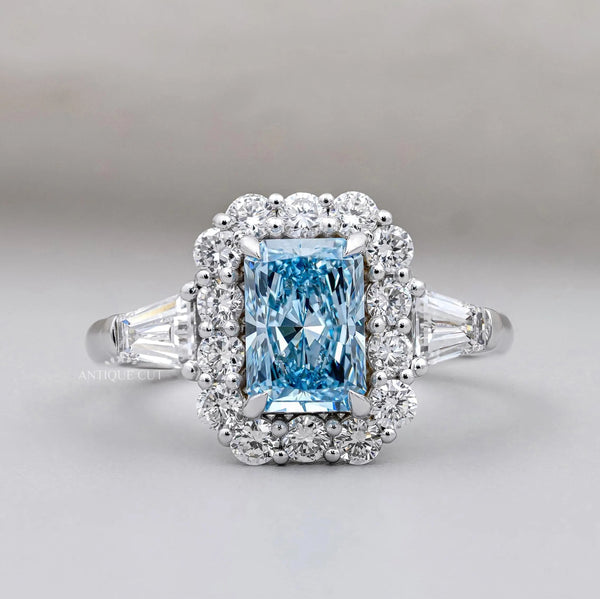
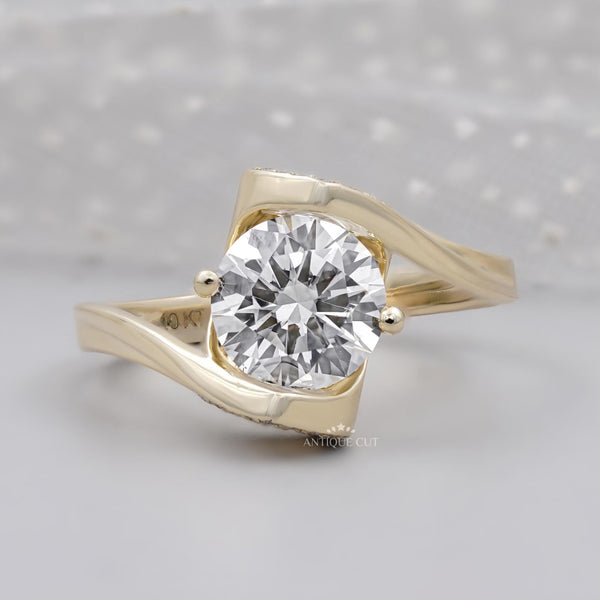
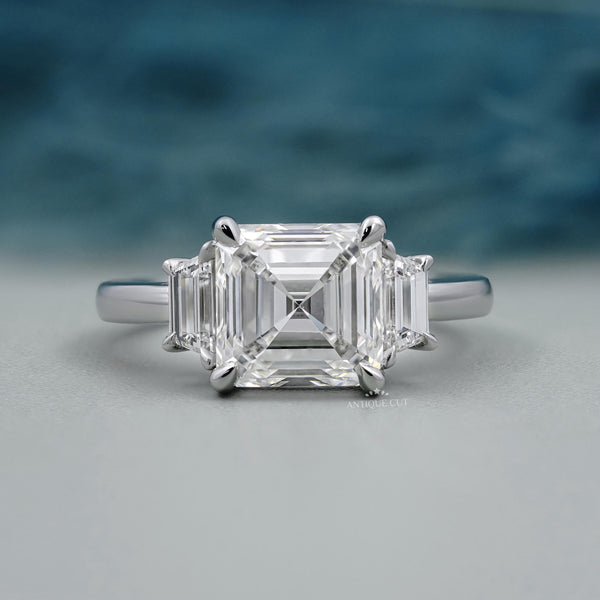
Palladium appeals to buyers who want a naturally white precious metal but prefer a lighter feel than platinum. It can be used for solitaire settings, halo settings, three-stone rings, wedding bands, and selected custom designs. Availability depends on the jeweler because palladium requires suitable casting, fabrication, polishing, repair, and sizing experience.
Weight is another reason some buyers consider palladium. A broad platinum band can feel noticeably heavy. Palladium can provide a similar white-metal direction with less mass. Some people enjoy the substantial feel of platinum, while others prefer a lighter ring for daily wear. Neither preference is automatically better.
Is Palladium a Good Choice for Jewelry?
For most people shopping for a wedding band or an everyday ring, palladium is a solid choice, and here's why it tends to hold up well against the alternatives. It's naturally hypoallergenic for most wearers, since reputable 950 palladium alloys don't contain nickel, which is the metal most commonly responsible for skin reactions in jewelry. It's also durable enough for daily wear, resisting tarnish and corrosion the way platinum does, and it develops a soft surface patina over years of wear rather than looking dull or damaged.
In the US market, it's worth knowing that the Federal Trade Commission regulates how jewelers can label precious metal content, so a ring stamped "Pd950" is required to actually contain at least 95% palladium by weight. When you're comparing rings between retailers, checking for that hallmark is a quick way to confirm you're getting what you're paying for. It's also worth asking whether the piece comes with a warranty or a sizing guarantee, since reputable US jewelers typically offer at least one free resizing within the first year, and some offer lifetime cleaning and inspection.
Is Palladium a Good Investment?
Whether palladium is a suitable investment depends on individual financial goals, risk tolerance, and investment strategy. Unlike jewelry purchases, investment decisions should focus on market conditions, long-term objectives, and portfolio diversification. For those considering a personalized jewelry purchase, options like a custom lab grown diamond ring involve different factors, such as design preferences, metal selection, diamond quality, and personal value, rather than focusing only on metal market performance.
Some reasons investors consider palladium include:
- Limited global supply
- Strong industrial demand
- Long-term use in advanced manufacturing
- Recognition as a precious metal
However, palladium prices can experience larger swings than gold, meaning values may rise or fall more quickly over shorter periods.
Conclusion
Understanding what is palladium helps you see why this rare precious metal has earned a place in both the jewelry industry and many essential industrial applications. Its naturally white color, lightweight feel, resistance to tarnish, and durability make it an excellent choice for engagement rings, wedding bands, and other fine jewelry.
Beyond jewelry, palladium plays an important role in automotive technology, electronics, dentistry, and chemical manufacturing. These widespread applications, combined with limited global supply, are key reasons many people ask what is palladium worth and what is the current price of palladium before making a purchase or investment.
Whether you're shopping for a meaningful piece of jewelry or simply learning more about this remarkable metal, palladium continues to stand out for its unique qualities and practical benefits. If you're exploring beautifully crafted lab-grown diamond jewelry, Antiquecut offers a range of designs that pair perfectly with premium precious metals, helping you find a piece that suits your personal preferences for years to come.
FAQs
1. Is palladium rarer than gold?
Palladium is scarce and its mine supply is geographically concentrated. “Rarer” can refer to crustal abundance, annual production, reserves, or market availability, so comparisons should define the measure being used.
2. Is palladium suitable for daily wear?
Palladium can be used for daily-wear jewelry when the design is properly made and maintained.
3. How can you tell real palladium jewelry from fake?
Look for a "Pd950" or "950Pd" hallmark stamped inside the band. In the US, this stamp is regulated by the Federal Trade Commission, so a legitimate stamp means the piece contains at least 95% palladium.
4. What is palladium in simple words?
Palladium is a rare, naturally white precious metal with the symbol Pd and atomic number 46.
5. What is palladium used for most?
Its largest widely recognized use is in catalytic converters for gasoline vehicles. Palladium helps convert harmful exhaust components into less harmful gases.
6. Is palladium heavier than platinum?
No. Palladium is much less dense than platinum, so comparable ring designs are usually lighter in palladium.
7. Why did palladium prices drop after 2022?
Palladium's all-time high in March 2022 was driven largely by fears over Russian supply.


