


Choosing an engagement ring no longer means selecting a traditional white diamond by default. Many couples are exploring colourful gemstones, distinctive cuts, symbolic materials, and nontraditional settings that better reflect their personal taste. So, what are alternative engagement rings? They are rings that move away from the standard mined white diamond solitaire through a different centre stone, design, material, colour, or overall approach.
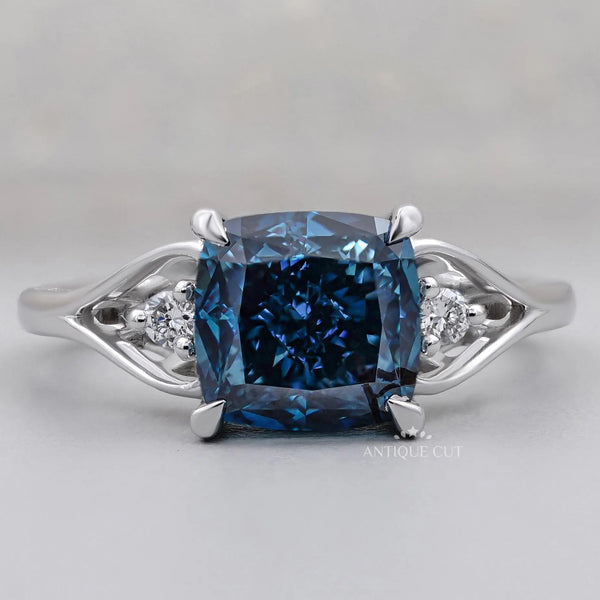
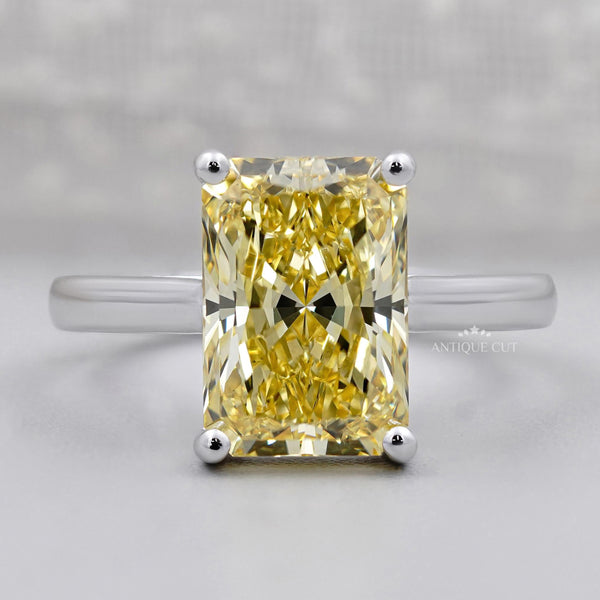
An alternative ring may feature moissanite, sapphire, ruby, emerald, morganite, aquamarine, spinel, garnet, or another gemstone. It may also use a lab-grown diamond, an antique-cut centre stone, a coloured diamond, a cluster design, or a ring without any gemstone at all. These choices allow buyers to focus on individuality, meaning, durability, and budget rather than following a single tradition. However, every gemstone behaves differently. Some are suitable for daily wear, while others require more careful handling.
What Are Alternative Engagement Rings, Exactly?
An alternative engagement ring simply swaps the traditional mined diamond center stone for something else. That "something else" falls into a few groups: natural colored gemstones like sapphire or emerald, lab-grown diamonds (chemically identical to mined diamonds but created in a controlled facility), diamond simulants like moissanite and cubic zirconia, and repurposed heirloom stones passed down through a family.
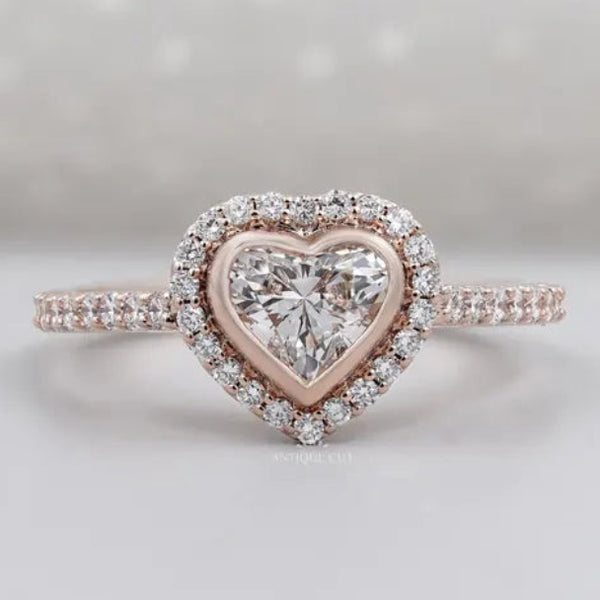
It's worth remembering that diamonds only became the default engagement stone in the last century. Before the 1930s and '40s, when a well-known marketing campaign linked diamonds to romance, couples regularly chose rubies, sapphires, garnets, and other stones for their rings. So in a sense, choosing an alternative stone isn't a break from tradition; it's closer to how engagement rings looked for most of history. While styles like pave diamond rings became popular for their detailed diamond accents, many couples continue exploring unique gemstones that reflect personal taste and meaning.
Do Engagement Rings Have To Be Diamond?
A common question among buyers is do engagement rings have to be diamond? The answer is no. Diamonds have been a popular choice for many years, but they are only one option among many gemstones available today.
An engagement ring represents a promise between two people. The meaning comes from the relationship behind the ring, not only from the gemstone selected. Many couples choose alternative stones because they prefer a specific color, want a larger-looking center stone within their budget, or simply want something different.
Diamond alternatives can provide:
- More gemstone variety
- Different colors and appearances
- Flexible price options
- Personalized ring choices
- Unique designs that stand apart
The best choice depends on personal preference, lifestyle needs, and the type of ring experience a couple wants. For those looking for a distinctive layout, styles like an east west diamond ring offer a unique horizontal orientation that creates a different visual balance while still allowing couples to choose a design that matches their personal style.
Why More Couples Are Choosing Alternatives to Diamond Engagement Rings
Cost is the reason most people mention first, and it's a real one. A one-carat mined diamond of solid clarity can run $5,000 or more, while a moissanite or morganite of the same size might cost a tenth of that. For couples saving for a wedding, a house, or just trying to avoid debt right out of the gate, that difference is hard to ignore.
Sourcing is the second reason, and it comes up more with every year that passes. Buyers want to know where a stone came from, whether it was mined responsibly, and whether the process behind it matches their values. Lab-grown diamonds and lab-created gemstones sidestep the mining question entirely, since nothing is pulled from the ground. Natural stones can still be sourced responsibly, but it takes more homework asking a jeweler for origin documentation and any chain-of-custody paperwork.
Color is the third driver, and maybe the most personal one. A diamond, by design, is meant to be as colorless as possible. Sapphire, morganite, emerald, and ruby give a buyer an actual palette to choose from, which matters to people who want a ring that stands out from a row of look-alike solitaires at the mall. For those who prefer a balance between classic diamond appeal and a distinctive shape, a radiant cut diamond ring offers a unique option with its bright faceting and versatile appearance.
What Are Some Alternative Engagement Ring Stones?
| Stone | Mohs Hardness | Typical Price (per carat, USD) | Best Suited For |
|---|---|---|---|
| Diamond (mined) | 10 | $2,000–$15,000+ | Maximum durability, resale value |
| Lab-Grown Diamond | 10 | $1,000–$6,000 | Same durability as mined, lower cost |
| Moissanite | 9.25 | $300–$800 | Budget-conscious buyers, everyday wear |
| Sapphire | 9 | $500–$4,000+ | Color variety, active lifestyles |
| Ruby | 9 | $400–$1,500 | Bold color, strong durability |
| Morganite | 7.5–8 | $300–$700 | Soft color palette, lower cost |
| Emerald | 7.5–8 | $500–$3,000+ | Deep green tone, careful daily handling |
| Opal | 5.5–6.5 | $200–$1,000 | Unique color play, careful handling |
How to Pick the Right Stone for Your Ring
Start with how the ring will actually be worn. Someone who works with their hands a nurse, a contractor, a chef should lean toward stones rated 8 or higher on the Mohs scale, since softer stones chip more easily under daily impact. Budget matters too: moissanite and lab-grown diamonds tend to stretch further than natural colored stones of comparable size, while a fine natural sapphire or ruby can climb close to diamond pricing at larger carat weights.
Setting style plays a bigger role with alternative stones than most buyers expect. A bezel setting, where a rim of metal wraps around the stone's edge, adds real protection for softer gems like morganite or opal and works well for anyone with an active job. A prong setting shows off more of the stone but leaves the edges more exposed, which is fine for harder stones like sapphire or moissanite but worth a second thought for anything below 8 on the Mohs scale. Halo settings, where small accent stones circle the center gem, are popular with colored stones because the surrounding metal and accent stones make the center color read more strongly against skin tone.
Alternative Engagement Rings Compared With Diamond Rings

Diamonds remain a popular engagement ring choice, but alternative stones offer different advantages. Diamond rings are valued for their hardness and traditional appeal. Alternative gemstones provide more variety in colors, price ranges, and personal expression.
The choice between a diamond and another gemstone depends on what matters most to the buyer. Some couples prioritize durability, while others focus on color, budget, or individuality. There is no single correct answer when choosing an engagement ring. The best ring is the one that reflects the relationship and preferences of the couple.
Popular Alternative Engagement Ring Styles
Alternative gemstones can be used in many different ring styles.
Solitaire Designs
A solitaire style places attention on one main gemstone. This design works well for buyers who want the center stone to be the main feature.
Halo Designs
Halo styles surround the center stone with smaller stones, creating additional detail around the main gemstone.
Three Stone Designs
Three stone diamond rings often represent a couple’s past, present, and future. They allow buyers to combine different gemstones or create a balanced appearance.
Vintage Inspired Designs
Some buyers prefer designs inspired by earlier jewelry periods. These styles often include detailed metalwork and unique gemstone arrangements.
Are Lab-Grown Diamonds Considered an Alternative?
Lab-grown diamonds are real diamonds produced in controlled facilities rather than mined from the earth. They have the same basic crystal structure, hardness, and chemical composition as natural diamonds. Whether they are considered alternative engagement rings depends on the buyer’s definition. They are not an alternative gemstone because they are diamonds. However, they are an alternative source choice for couples comparing price, origin, and supply methods.
A lab-grown diamond may provide a larger carat weight or higher colour and clarity grade within a fixed budget. Buyers exploring blue lab diamond rings should still review the cut, proportions, certification, fluorescence, measurements, and setting quality to ensure they choose a well-balanced piece.
Conclusion
Choosing an engagement ring is a personal decision that reflects your relationship, preferences, and budget. Understanding what are alternative engagement rings allows couples to explore options beyond traditional diamond choices and discover gemstones that match their unique style. From moissanite and sapphire to emerald, ruby, and other gemstone options, alternative engagement rings provide different colors, characteristics, and price ranges. The right choice depends on factors like durability, lifestyle, design preference, and the meaning you want your ring to represent.
At Antiquecut, couples can explore thoughtfully designed engagement rings that offer a variety of gemstone and lab-grown diamond options. Whether you prefer a classic look or something more distinctive, selecting a ring that feels personal will make the moment even more meaningful. Take time to compare different stones, understand their qualities, and choose an engagement ring that represents your story for years to come.
FAQs
1. Are alternative engagement rings less valuable?
Alternative engagement rings can have different values depending on the gemstone, craftsmanship, materials, and design.
2. What are alternatives to diamond engagement rings?
Popular alternatives include moissanite, sapphire, ruby, spinel, emerald, morganite, aquamarine, garnet, topaz, and amethyst.
3. Do engagement rings have to be diamond?
No. An engagement ring can contain any gemstone or no gemstone at all. The right choice is the one that matches the couple’s preferences, budget, symbolism, and daily needs.
4. Are alternative engagement rings cheaper than diamond rings?
Usually, yes, though it depends on the stone. Moissanite, morganite, and lab-grown diamonds tend to cost significantly less per carat than mined diamonds.
5. Are alternative engagement rings a good choice?
Alternative engagement rings can be an excellent choice for couples who want a meaningful ring that matches their preferences and lifestyle.
6. Can an engagement ring have a gemstone instead of a diamond?
Yes. Many engagement rings feature gemstones such as sapphire, emerald, ruby, and moissanite instead of diamonds.


