


Victorian era engagement rings are more than just jewelry—they are a reflection of 19th-century design, craftsmanship, and symbolism. Created during the reign of Queen Victoria between 1837 and 1901, these rings reveal the personal and cultural tastes of the period. For those seeking cushion cut vintage Victorian era engagement rings or antique-inspired reproductions, understanding the history, design elements, and practical considerations is essential. This guide also focuses on USA buyers, offering comparisons, care advice, and buying insights to ensure a thoughtful selection.
The Victorian Era: Jewelry in Three Phases
Victorian jewelry reflects the social and cultural shifts of the era. Historians often divide the period into three phases, each influencing engagement ring design in unique ways.
Early Victorian (1837–1860)
-
Metal: Predominantly yellow gold
-
Gemstones: Garnet, pearl, amethyst
-
Designs: Heart shapes, bows, floral patterns
- Characteristics: Rings were romantic and symbolic, often handmade with simple settings.
Mid Victorian (1861–1885)
-
Metal: Yellow and rose gold
-
Gemstones: Garnet, onyx, diamonds
-
Designs: Mourning jewelry influenced darker tones; intricate engraving and motifs became popular.
- Characteristics: Rings were larger, with heavier detailing, reflecting Queen Victoria’s personal mourning period.
Late Victorian (1885–1901)
-
Metal: Platinum and white gold appeared more frequently
-
Gemstones: Diamonds gained prominence alongside sapphires
-
Designs: Cushion cut diamonds became popular; delicate filigree and engraving were common.
- Characteristics: Lighter designs, often more refined, marking a transition to early Edwardian aesthetics.
Explore our collection of vintage bezel set engagement rings, each designed to capture classic beauty and enduring charm.
Features of Victorian Era Engagement Rings
Victorian engagement rings are recognized for their distinctive combination of metals, gemstones, and intricate decoration. Yellow and rose gold were standard, while platinum appeared later in the era. Diamonds, garnets, amethysts, and pearls were selected for both their appearance and symbolic significance. Many rings featured detailed engraving, filigree, and milgrain, adding depth and texture. Motifs such as hearts, bows, and flowers often conveyed messages of love, loyalty, and commitment. Collectors and buyers alike value these rings for the care and artistry evident in each piece.
Buying Victorian Era Engagement Rings in the USA
When purchasing a Victorian engagement ring in the United States, several factors should be considered. First, it is essential to confirm that any diamonds or gemstones are certified, preferably through IGI or GIA. Buyers should also decide whether they want to maintain the original metals, such as yellow or rose gold, or upgrade to platinum or white gold for enhanced durability. Engagement rings are available in a variety of setting styles, from solitaire and halo designs to multi-stone arrangements. Certified reproductions are also widely available, allowing buyers to acquire cushion cut vintage Victorian era engagement rings with lab-grown or ethically sourced diamonds that respect the period’s aesthetic.
Shop by Styles
Discover Styles
Discover diverse engagement ring styles, each embodying a distinct symbol of love & devotion
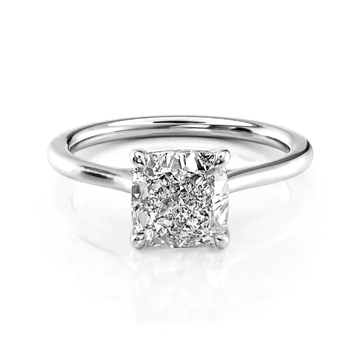
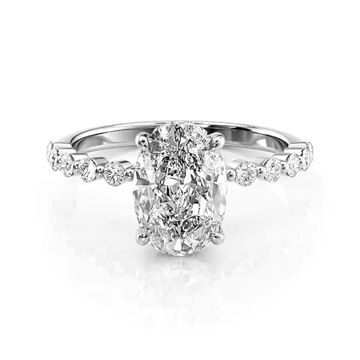
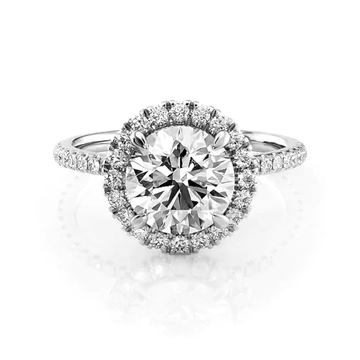
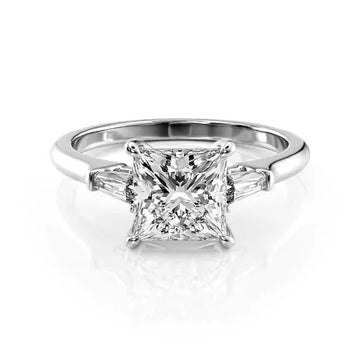
It is important to note that antique rings may require resizing or repair. Buyers should confirm maintenance options with the jeweler before purchase. By understanding these considerations, USA buyers can make informed decisions and ensure that their investment in a Victorian ring is both meaningful and practical. Discover stunning engagement rings under $2000 that combine exquisite design with exceptional value.
Victorian vs Edwardian Rings: A Clear Comparison
| Feature | Victorian Rings (1837–1901) | Edwardian Rings (1901–1910) |
|---|---|---|
| Build & Weight | Heavy and substantial, designed to make a statement. | Light, delicate, refined for intricate detailing. |
| Design Motifs | Heart motifs, bows, floral patterns, symbolic engraving. | Filigree, lace-like openwork, subtle decorative motifs. |
| Metals | Yellow gold, rose gold, late use of platinum. | Platinum, white gold for a sophisticated finish. |
| Gemstones | Garnets, pearls, early diamonds. | Diamonds and sapphires, emphasizing clarity and brilliance. |
| Design Purpose | Reflects social and cultural values of the period. | Focused on visual impact and airy, intricate design. |
| Overall Style | Bold antique charm with pronounced detail. | Refined, airy elegance with intricate craftsmanship. |
Victorian rings (1837–1901) were substantial, featuring hearts, bows, and floral motifs in yellow or rose gold with garnets, pearls, or diamonds. Edwardian rings (1901–1910) were lighter, crafted in platinum or white gold with filigree and lace-like patterns, highlighting diamonds and sapphires.
Explore Our Vintage Engagement Rings
Discover exclusive Victorian and Edwardian styles, crafted with lab-grown diamonds and IGI certification. Find your perfect symbol of love today.
Shop NowCaring for Victorian Era Rings
Victorian rings require careful handling to maintain their condition. It is advisable to avoid exposure to harsh chemicals, as these can damage the metal or gemstones. Rings should be stored individually to prevent scratching and other damage. Regular inspection of prongs and settings is necessary, particularly for older diamonds or intricate designs. Cushion cut diamonds may benefit from occasional professional polishing to maintain shape and clarity. Proper care ensures that these historical pieces remain visually appealing and structurally sound.
Conclusion
Victorian era engagement rings are a reflection of history, artistry, and personal expression. Whether acquiring an original antique or a certified reproduction from Antiquecut, especially cushion cut vintage Victorian era engagement rings, understanding the era’s features, maintenance requirements, and USA buying considerations ensures a well-informed choice. This knowledge helps buyers select rings that honour the legacy of the Victorian era while providing practical value and aesthetic appeal.
FAQ
Q1: What defines a Victorian era engagement ring?
A Victorian engagement ring was made between 1837 and 1901 and typically features period-specific designs such as floral, heart, or bow motifs. Metals such as yellow or rose gold were commonly used, and gemstones like diamonds, pearls, or garnets were selected for both beauty and symbolism.
Q2: Are cushion cut Victorian rings authentic?
Cushion cut diamonds became popular in the late Victorian period. Modern reproductions often replicate the style while using certified diamonds to maintain historical accuracy.
Q3: Can Victorian rings be worn every day?
Yes, with proper care. Avoid exposure to chemicals, remove rings during strenuous activities, and periodically inspect prongs and settings.
Q4: How can I distinguish Victorian rings from Edwardian rings?
Victorian rings are heavier and feature prominent motifs, whereas Edwardian rings are lighter, usually platinum, with delicate filigree and lace-like patterns.


