


Gold is more than just a metal. For many people, it holds memories, emotions, and value that goes beyond money. Whether you're buying your first ring or investing for the future, understanding the different types of gold can help you make the right choice.
What is 24K Gold?
When people think of gold, they usually imagine that rich, glowing yellow shine — and that’s exactly what 24 karat gold is all about. It’s the purest form of gold you can find, made up of 99.9% gold with almost no other metals mixed in. Because of this purity, it has a deep, warm color that instantly feels luxurious and valuable.
But purity comes with a small trade-off. 24K gold is very soft, which means it can bend or scratch easily. That’s why you won’t often see it used for everyday jewelry like rings or bracelets that go through daily wear and tear. Instead, it’s loved more for investment purposes, like gold bars or coins, where its true value can shine without getting damaged.
If you’re someone who wants gold for long-term security or savings, 24K gold is a beautiful and reliable choice. It may not always be practical to wear, but when it comes to true worth and purity, nothing really compares to it. If you're planning a proposal and looking at options like engagement rings 4000, knowing the right type of gold becomes even more important so you get both beauty and durability within your budget.
Key Features of 24 Karat Gold:
- Extremely soft and flexible – It can bend or scratch easily, so it needs careful handling.
- Rich, bright yellow shine – Its natural color looks deep, warm, and luxurious.
- High market value – Because it is almost 100% pure, it holds strong value as an investment.
- Not suitable for daily wear – Its softness makes it less durable for regular jewelry use.
This makes 24K gold perfect for storing wealth, but not the best choice for everyday jewelry pieces.
Different Colors of Gold:
Gold isn’t naturally available in many colors. Jewelers create different shades by mixing gold with other metals. This not only changes the color but also affects strength and durability.
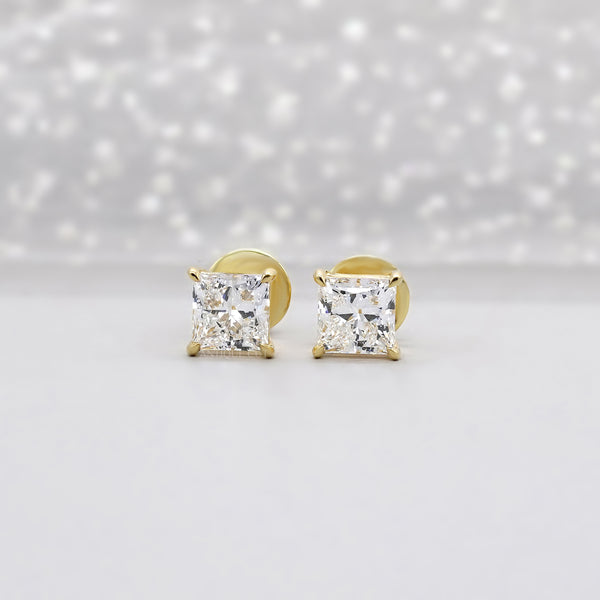
What is Yellow Gold?
Yellow gold is what most of us imagine when we hear the word “gold.” It’s rich, warm, and deeply connected to tradition.
- Looks like natural gold
- Easy to maintain over time
- Perfect for traditional and cultural jewelry


Why people love it: It feels familiar and emotional—something passed down through generations.
What is White Gold?
White gold has a sleek, silver-like finish that feels modern and elegant.
- Mixed with metals like nickel or palladium
- Often coated with rhodium for extra shine
- Popular in engagement rings and contemporary jewelry
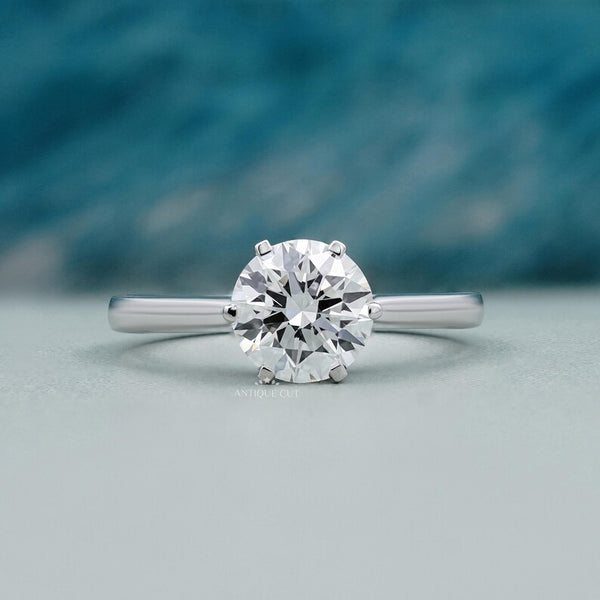
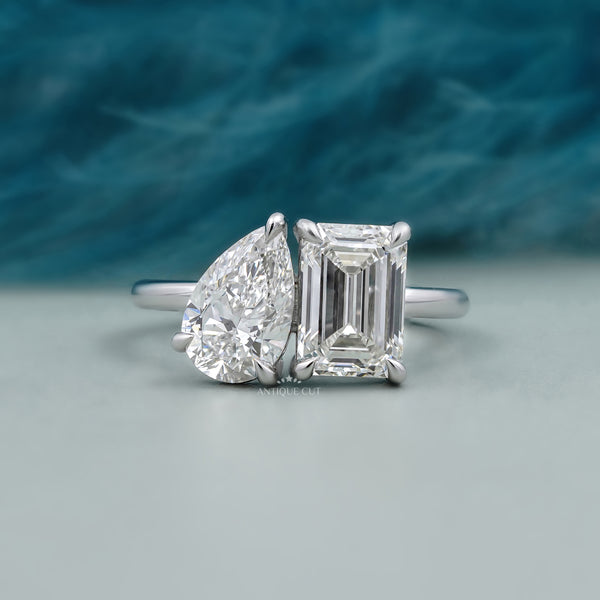
Why people love it: It looks stylish and pairs beautifully with diamonds.
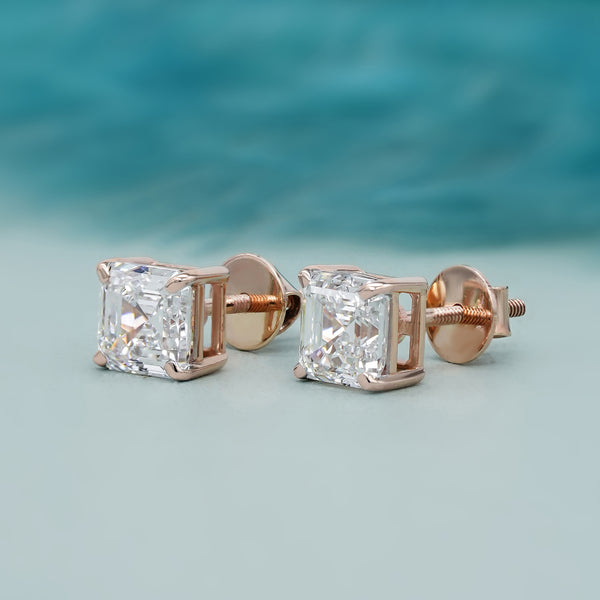
What is Rose Gold?
Rose gold stands out with its soft pink tone. It’s warm, unique, and a little different from the rest.
- Made by adding copper to gold
- Stronger and more durable
- Trendy and eye-catching

Hidden Halo

Engagement Ring
Why people love it :It feels romantic and gives a fresh, trendy vibe.
Quick Comparison:
| Feature | Yellow Gold | White Gold | Rose Gold |
|---|---|---|---|
| Color | Warm yellow | Silver-white | Soft pink |
| Made With | Gold + copper + zinc | Gold + nickel/palladium | Gold + copper |
| Look & Style | Traditional & classic | Latest & simple | Trendy & unique |
| Durability | Medium | Strong | Stronger (due to copper) |
| Maintenance | Easy | Needs re-coating (rhodium) | Low maintenance |
| Best For | Cultural & daily jewelry | Engagement rings | Fashion & statement pieces |
| Why People Like It | Feels familiar | Clean and stylish | Different and eye-catching |
Types of Gold by Karats:
Gold purity is measured in karats (K). The higher the karat, the purer the gold — but also softer. Lower karat gold is mixed with other metals, making it stronger and more durable.
24K Gold:
- Purity: 99.9% gold
- Best for: Investment, coins, and bars
- Feel: Rich, bright yellow, and luxurious
24K gold is the purest form of gold you can get. It’s soft and delicate, which makes it less suitable for everyday jewelry. But when it comes to value and investment, nothing beats its purity.
Think of it as gold in its most honest form.
22K Gold:
- Purity: 91.6% gold
- Best for: Traditional jewelry
- Feel: Warm, classic, and culturally rich
22K gold is widely used in countries like India for weddings and festivals. It balances purity and strength, making it perfect for beautiful, detailed jewelry.
This is the gold that tells stories of culture and celebration.
18K Gold:
- Purity: 75% gold
- Best for: Daily wear, designer jewelry
- Feel: Elegant, trendy , and durable
18K gold is a favorite for those who want both beauty and strength. It’s often used in premium jewelry, especially with diamonds.
Perfect if you want luxury you can wear every day.
14K Gold:
- Purity: 58.3% gold
- Best for: Everyday use
- Feel: Strong, affordable, and reliable
14K gold is popular because it’s tough and budget-friendly. It doesn’t scratch easily, making it great for people who wear jewelry all the time.
It’s gold for real life — simple, strong, and dependable.
Read Also
10K vs 14K Gold: What’s the Difference?10K Gold:
- Purity: 41.7% gold
- Best for: Affordable jewelry
- Feel: Strongest, but less rich in color
10K gold has the least amount of pure gold but is the most durable. It’s a good option if you want something affordable and long-lasting.
Types of Gold in Jewelry
Gold jewelry comes in different forms based on how much real gold is actually used. Knowing this can save you money and help you make smarter choices.
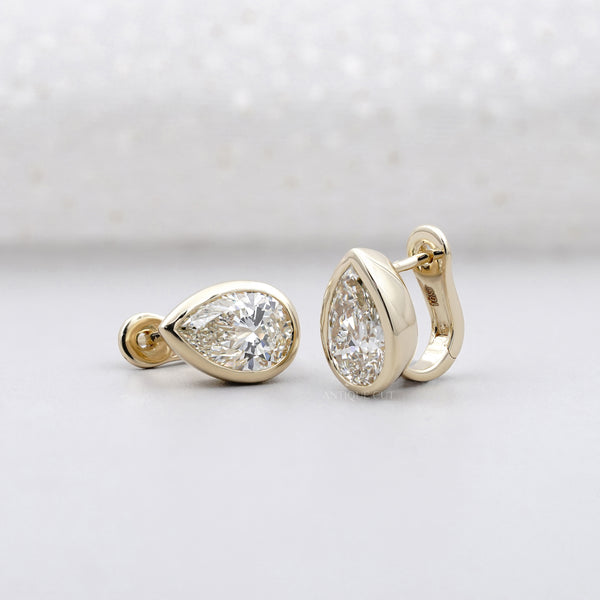
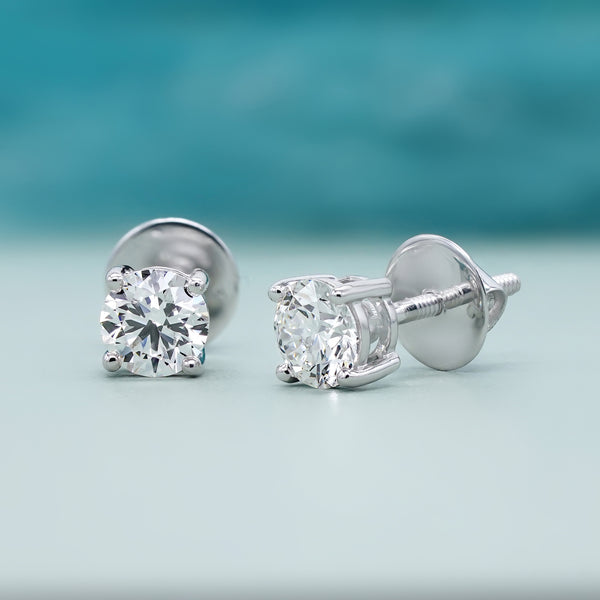
Solid Gold:
This is what most people think of when they hear “real gold.”
- Made entirely of gold mixed with small amounts of other metals (to make it stronger)
- Doesn’t fade or lose its color over time
- Can last for generations
Best for: Long-term investment, daily wear, heirloom jewelry Yes, it’s expensive—but it’s also something you keep forever.
Gold-Plated
This is the most budget-friendly option.
- A very thin layer of gold is added over another metal (like brass or copper)
- Looks shiny and beautiful at first
- Can fade, tarnish, or wear off with time
Best for: Occasional wear, trendy styles. It’s perfect if you want the look of gold without spending too much—just don’t expect it to last forever.
Gold-Filled:
Think of this as the middle ground.
- Has a much thicker layer of gold than gold-plated jewelry
- More durable and resistant to fading
- Can last years with proper care
Best for: Everyday wear on a budget It gives you better quality without the high price of solid gold.
Gold Vermeil :
A premium version of gold-plated jewelry.
- Gold is layered over sterling silver (not cheap metal)
- Better quality and safer for sensitive skin
- More durable than regular gold-plated pieces
Best for: Stylish jewelry with better quality. It’s a great choice if you want something that feels a little more special without going all-in on solid gold.
Read Also
Gold Vermeil: Definition & MeaningWhat Does “Gold Finish” Really Mean?
A gold finish is the final touch given to the surface of gold jewelry. It doesn’t change the value of the gold, but it completely changes how it looks and feels.
It’s like choosing between glossy and matte paint — same base, different vibe.
Polished Finish:
A polished finish gives gold its classic shine, the kind that instantly catches the light and draws attention. It feels smooth and luxurious, perfect for those who love a timeless and elegant look that never goes out of style.
Matte Finish
A matte finish offers a softer, more subtle beauty. It doesn’t reflect much light, which makes it feel calm and latest —ideal for someone who prefers understated elegance over sparkle.
Satin Finish
Satin finish sits gently between shiny and matte, giving gold a delicate glow with a slight texture. It feels refined and unique, adding just enough character without being too bold or too simple.
Hammered Finish
Hammered gold has a completely different charm, with tiny patterns pressed into its surface that create a textured, handcrafted look. It feels artistic and raw, like each piece has its own story to tell.
In the end, the finish of gold is not about its value, but about how it makes you feel. Whether you love shine, softness, or texture, the right finish is the one that reflects your personal style and connects with you.
Simple Ways to Care for Your Gold Jewelry:
- Gold jewelry is more than just a metal—it holds memories, emotions, and special moments that last a lifetime.
- Store gold pieces separately in a soft pouch or lined jewelry box to prevent scratches.
- Avoid contact with perfumes, lotions, and harsh chemicals, as they can dull the shine.
- Clean gently using mild soap and water to restore its natural brilliance.
- Remove jewelry during heavy work or activities to prevent bending or damage.
- Handle with care and attention to keep it looking beautiful for years.
Conclusion:
Gold may look the same at first glance, but each type has its own purpose and value. Whether it’s pure 24 karat for investment or stronger alloys for daily wear, the right choice depends on what fits your life.
When you understand these differences, buying gold becomes easier and more meaningful. In the end, the best gold is the one that not only shines but also feels right for you.
FAQs
Can gold be recycled?
Yes! Gold can be melted and reused without losing its purity, making it highly recyclable and sustainable.
Does gold tarnish or rust?
Pure gold (24K) doesn’t tarnish or rust, but lower karat gold or alloys can slightly discolor over time due to the other metals.
Is gold safe for sensitive skin?
Pure gold is hypoallergenic, but some alloys, like nickel in white gold, may cause irritation in sensitive individuals.
What is ethical or fair-trade gold?
Ethical gold comes from mines that follow environmental and labor regulations, ensuring responsible sourcing.
Can gold jewelry be resized or repaired?
Yes, solid gold jewelry can usually be resized or repaired, but 24K gold requires careful handling due to its softness.
How does gold purity affect weight?
Higher purity gold is softer, so jewelry may weigh slightly more if mixed with heavier metals to increase durability.
What’s the difference between gold and gold vermeil?
Gold vermeil is gold layered over sterling silver, giving the appearance of gold while being more affordable than solid gold.
Does gold conduct electricity?
Yes! Gold is an excellent conductor of electricity and is used in electronics and connectors.
Can gold be engraved?
Yes, all types of gold can be engraved, but softer gold like 24K requires more delicate handling to prevent scratches.
Does the color of gold affect its value?
Not directly. Value depends on purity (karat) and weight, but certain colored gold, like rose or white, may cost more due to alloy metals or plating.


