


Walk into any jewelry store or scroll through an online catalogue and the types of chains on offer can feel confusing fast. Cuban link, Figaro, rope, box, wheat — each one looks different, wears differently, and holds up differently over the years. The chain you choose decides how a necklace sits on your neck, whether it can safely carry a pendant, and what you pay at checkout. This guide covers the most common types of chain necklaces sold in the USA, compares them side by side, and helps you match the right one to your style, budget, and daily routine.
Why Chain Style Matters Before You Buy
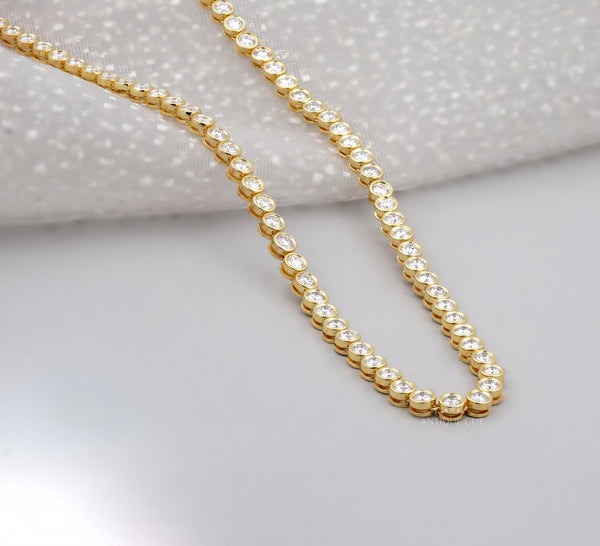
A chain takes more wear than any other part of a necklace — it rubs against collars, catches on zippers, and gets pulled during daily activities like workouts. Some chain styles are built to handle this stress, while delicate designs like herringbone and snake chains can kink permanently after one sharp bend. The same applies when choosing a diamond tennis necklace, where durability, craftsmanship, and setting style play an important role in long-term wear. Two necklaces with similar gold weight can have very different prices because certain patterns and stone settings require more time and skill to produce. Understanding these details before buying helps you choose a piece that stays beautiful and avoids costly replacements after only a short period.
The Most Popular Types of Chains, Explained
Cable Chain
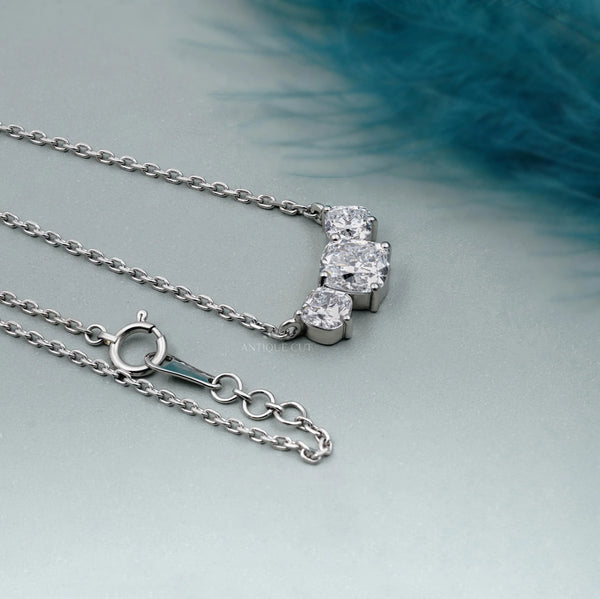
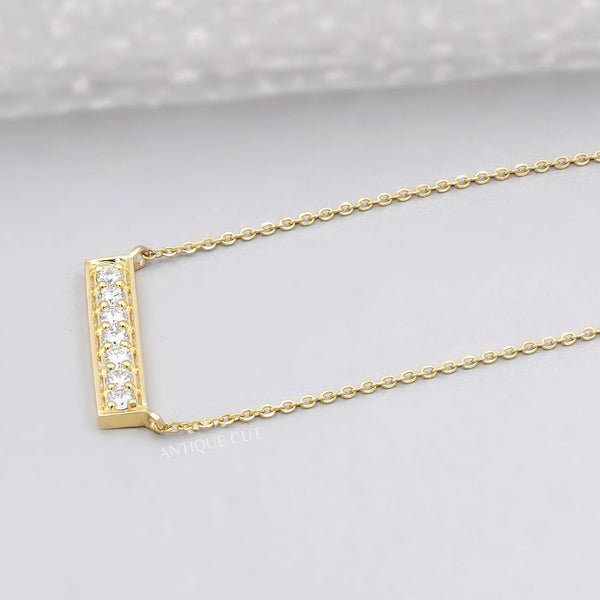
The cable chain is the workhorse of American jewelry counters: uniform round or oval links joined one after another. It's affordable, easy to repair since a jeweler can replace a single link, and it lets pendants slide freely. For everyday charms and small pendants, start here.
Curb Chain
Curb links are twisted and flattened so the chain lies flat against the body. It's a classic men's style in the USA, though thinner versions suit anyone. Curb chains are easy to clean, hard to break, and sold at every price point from sterling silver up to solid gold.
Cuban Link Chain
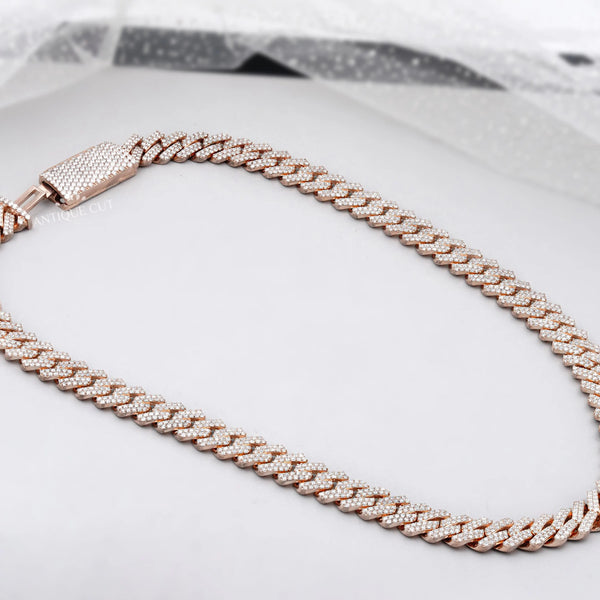
The Cuban link, often called the Miami Cuban, is a thicker, tighter take on the curb chain with rounded interlocking links. It became a hip-hop staple and remains one of the most requested men's chains in the country. Solid versions are heavy, which makes them durable — and expensive, since gold is priced by weight.
Figaro Chain
The Figaro is an Italian pattern that alternates two or three short links with one long one. That rhythm gives it more character than a plain curb chain without raising the price much. It works for men and women alike, worn bare or with a small pendant.
Rope Chain
Rope chains twist strands of metal into a spiral that catches light from every angle. For its weight, a solid rope is one of the strongest chains you can buy — a long-time favorite for crosses, dog tags, and medallions across the USA.
Box Chain
Box chains connect small square links into a smooth, even line. They're stronger than they look, they resist kinking, and a broken link can be swapped out instead of scrapping the whole piece. Jewelers often steer pendant buyers toward box chains for exactly those reasons.
Snake Chain
A snake chain uses tightly joined curved plates that form a smooth, flexible tube. It looks sleek and holds slider pendants perfectly still. The trade-off: bend it sharply and it can kink for good, so it suits careful wearers better than rough daily use.
Wheat Chain
Also called a Spiga chain, the wheat chain braids four strands into a pattern that looks like a wheat stalk. It sits smooth on the skin, holds its shape, and rarely kinks. If you like the texture of a rope chain but want something quieter, wheat is the answer.
Herringbone Chain
Herringbone chains lay flat, slanted links in a V pattern that moves like fabric. It's striking worn on its own; pendants tend to slide around and bend it. This is also the style most prone to kinking, so treat it as a dress-up piece rather than a 24/7 chain.
Franco Chain
The Franco stacks curb-style links into a dense, four-sided chain. It's strong, sits well on the neck, and is popular in the USA for carrying heavier pendants that would strain lighter styles. Plenty of buyers land on a Franco when a solid Cuban link runs over budget.
A Few More Styles Worth Knowing
Beyond the big ten, you'll also see the mariner or anchor chain, with a bar across each oval link; the twisted Singapore chain; and the bead or ball chain familiar from military dog tags. Each fills a niche, but the styles above cover most of what American retailers stock.
Which Chain Type Gold Buyers Choose Most
Gold dominates the American chain market, and shoppers often compare different jewelry styles based on durability, value, and long-term appeal. The same approach applies when exploring lab-grown diamond rings under $1000, where understanding materials, craftsmanship, and design choices helps buyers make a smarter decision. Once you choose a style, important factors like metal quality, diamond specifications, setting type, and overall construction determine the final value. Just as a solid gold chain offers better durability than a hollow alternative, a well-made ring with a quality lab-grown diamond can provide lasting beauty without exceeding your budget. Considering these details before purchasing ensures you select a piece that delivers the right balance of design, strength, and affordability.
How to Pick Between Different Types of Chains
Start with purpose. If the chain will carry a pendant, lean toward cable, box, rope, or wheat, and check that the pendant's bail fits over the clasp. A fine cable chain holding a solitaire pendant also pairs well with an engagement ring for anniversary and milestone gifts. If the chain is the whole show, thicker Cuban, Figaro, and herringbone styles carry themselves.
Next, think about your day. Someone who lifts weights, works with their hands, or sleeps in jewelry needs the solid, kink-resistant styles. Office wear and occasional nights out open the door to snake and herringbone.
Then handle the details American shoppers face at checkout. Length runs in inches here: 18 to 20 inches is standard for women's pendants and 20 to 24 inches for men — see our chain length guide for how each length sits. A lobster clasp outlasts a spring ring, and if you're buying online, confirm whether a listing says solid, hollow, or plated before comparing prices, because those are three different products. Timing helps too: US retailers raise prices around Christmas and Valentine's Day, so shopping a few weeks early usually lands a better deal.
Chain Comparisons Buyers Ask About Most
Cuban link vs. Figaro: Both come from the curb-chain family, so the mix-up is common. The Cuban is tighter, rounder, and heavier, which means more durability and a much higher price in solid gold. The Figaro's alternating pattern gives it personality at a fraction of the cost. Pick the Cuban for a statement built to last decades; pick the Figaro for daily wear on a working budget.
Rope vs. wheat: Both are braided, strong, and pendant-friendly. The rope has deeper grooves, so it reflects more light and reads flashier, while the wheat sits smoother against the skin and snags less on sweaters. Flashy versus low-key is really the whole decision.
Box vs. snake for pendants :The box chain wins for anything worn daily, since it resists kinks and individual links can be replaced. The snake chain looks smoother and locks slider pendants in place, but one sharp bend can end it. Keep the snake in lighter rotation.
Final Thoughts
There is no single winner among the different types of chains — only the best match for how you'll actually wear one. Daily wearers do well with box, wheat, curb, and Cuban styles, while occasional dressers can enjoy herringbone and snake without worry. Settle the solid-versus-hollow question before comparing prices, buy the best karat your budget allows, and the chain you pick this year should still be going strong many years from now.
Design Your Own Diamond Necklace
Create a necklace made around your vision. Choose your diamond shape, metal, setting, and design details to create a personalized piece that represents your unique style.
FAQ
What is the strongest type of chain?
Solid Cuban link, Franco, rope, and wheat chains are the strongest everyday options. Past a certain point, width and solid construction matter more than the pattern — a 5mm solid curb will outlast a 2mm chain of any style.
Which chain type is best for a pendant?
Cable, box, rope, and wheat chains are the standard picks because they're strong for their weight and let the bail move freely. Skip herringbone and thin snake chains here, since pendant weight causes bending and kinks.
What type of chain doesn't kink or tangle?
Box, wheat, curb, and Cuban chains hold their shape best. Herringbone kinks the easiest, followed by snake. A jeweler can sometimes ease a kink out, but flat styles rarely recover completely.
Is 10k or 14k gold better for a chain?
In the USA, 14k is the most popular choice because it keeps a warm color while staying durable for daily wear. 10k is harder and costs less, which suits rough use. 18k is softer and better saved for occasional wear.
How long should a chain necklace be?
For women, 18 inches sits at or just below the collarbone and works with most pendants. For men, 20 to 22 inches is the everyday standard, with 24 inches and up for layering or larger pendants. When layering, leave about two inches between chains.
Are hollow gold chains worth buying?
They cost less and feel lighter, which is comfortable in bigger sizes, but they dent easily and are hard to repair. For a chain worn daily over years, solid gold is the better spend, and a quick gold jewelry care routine keeps it looking new.


