


If you have ever pulled a ring out of an old jewelry box, picked something up at an estate sale, or wondered about a piece you bought online, you have probably asked yourself how to tell if jewelry is real gold. It is a fair question, because gold-colored metal is everywhere, and not all of it is what it claims to be. The good news is that you do not need a lab to get a reasonable answer. With a few household items, a little patience, and an understanding of what to look for, you can check most pieces yourself and know when it is time to bring something to a professional.
This article walks through the checks jewelers themselves start with, the home tests that actually hold up, the ones that are mostly myth, and how to think about gold jewelry when you are buying something with history behind it, like an antique ring or a vintage chain.
Why It Matters to Know If Your Jewelry Is Real Gold
Real gold does not tarnish, does not rust, and holds its value the way a fine metal should. Costume pieces, gold-plated items, and gold-filled jewelry can look nearly identical when they are new, but they behave very differently after a few years of wear. This is especially important when purchasing valuable pieces like a diamond necklace, where the gold setting is just as important as the gemstones themselves. Knowing what you actually own affects three things: what you should pay for it, how you should care for it, and what you can expect if you ever decide to sell or insure it.
Knowing how to tell if gold jewelry is real also protects you from overpaying for a piece that only looks the part. This matters even more with older jewelry. Rings, brooches, and lockets from past decades were sometimes handmade or produced by small workshops with less consistent marking practices than large manufacturers use today. A piece can be genuinely old, genuinely valuable, and still missing a clear stamp. On the flip side, plenty of newer costume jewelry is designed to imitate the warm color of gold almost exactly, which is why relying on a single glance is not enough.
Designed to Be Chosen Again and Again
Browse our most popular engagement rings featuring premium lab grown diamonds, refined settings, and exceptional attention to detail. Every Antiquecut ring is created to deliver remarkable quality and lasting value.
Explore Collections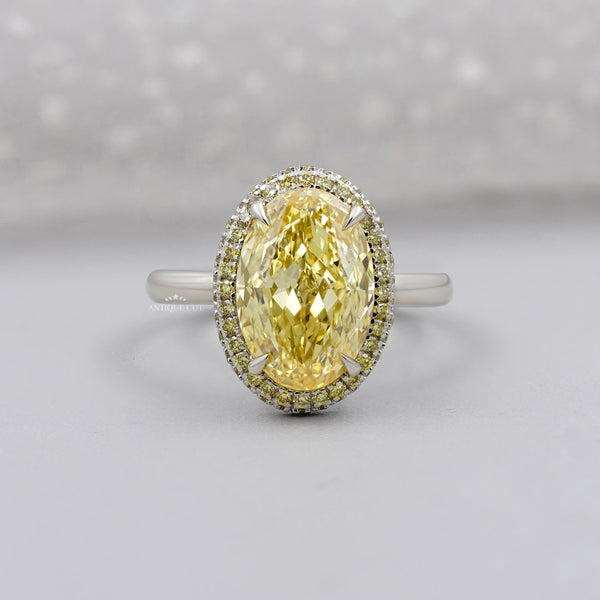
How to Tell If Jewelry Is Real Gold Before Testing It
Before using magnets, liquids, or testing tools, inspect the jewelry carefully in good lighting. Many pieces reveal useful information through their stamps, surface condition, weight, and construction.
Real gold jewelry often has a smooth, consistent color and a solid feel for its size. It may also have a purity mark near the clasp, inside the band, behind a pendant, or on the post of an earring. These details do not guarantee authenticity, but they provide a useful starting point.
Use a magnifying glass or the camera zoom on your phone to inspect small areas. Look closely at edges, prongs, clasps, solder joints, and places that regularly touch the skin. These areas often show signs of plating wear or a different base metal beneath the surface.
Simple At-Home Tests to Check Gold Jewelry

Check the Gold Hallmark or Purity Stamp
A hallmark is one of the first things to examine when you want to know how to tell if gold jewelry is real. It may indicate the gold purity, manufacturer, assay office, or country of origin.
Common karat marks include:
- 10K or 417
- 14K or 585
- 18K or 750
- 22K or 916
- 24K or 999
The letter “K” refers to karat purity. Pure gold is divided into 24 parts, so 18K gold contains 18 parts gold and 6 parts other metals. A three-digit number shows the amount of pure gold per thousand parts. For example, 585 means the item contains approximately 58.5% pure gold.
Understand Marks That Do Not Mean Solid Gold
Some jewelry includes gold-related letters that describe a layer of gold rather than solid gold construction.
Common markings include:
- GP: Gold plated
- GEP: Gold electroplated
- HGE: Heavy gold electroplate
- GF: Gold filled
- RGP: Rolled gold plate
- 925: Sterling silver, sometimes covered with gold
- Vermeil: Sterling silver coated with a gold layer
A piece marked “14K GP” is not solid 14K gold. It normally means a base metal has been covered with a 14K gold layer. Similarly, “18K over 925” generally means an 18K gold surface has been applied over sterling silver.
Visual Signs That Tell You Gold Jewelry Is Real
Beyond the tests above, your eyes can catch a lot if you know what to look for. Real gold does not develop a dull, cloudy film over time the way many base metals do, so a piece that looks noticeably duller than when it was new is worth a closer look. Check the underside of stone settings and the backs of pendants, since these areas are harder to plate evenly during manufacturing and often show the base metal first if the piece is not solid.
Also pay attention to how the color behaves in different lighting. Real gold holds a warm, consistent tone whether you view it in daylight, under a lamp, or in shade. Plated jewelry can sometimes look slightly different depending on the angle, almost like the coating is thinner in certain spots and thicker in others. This unevenness is easy to miss at first, but once you notice it on one piece, it becomes easier to spot on others.
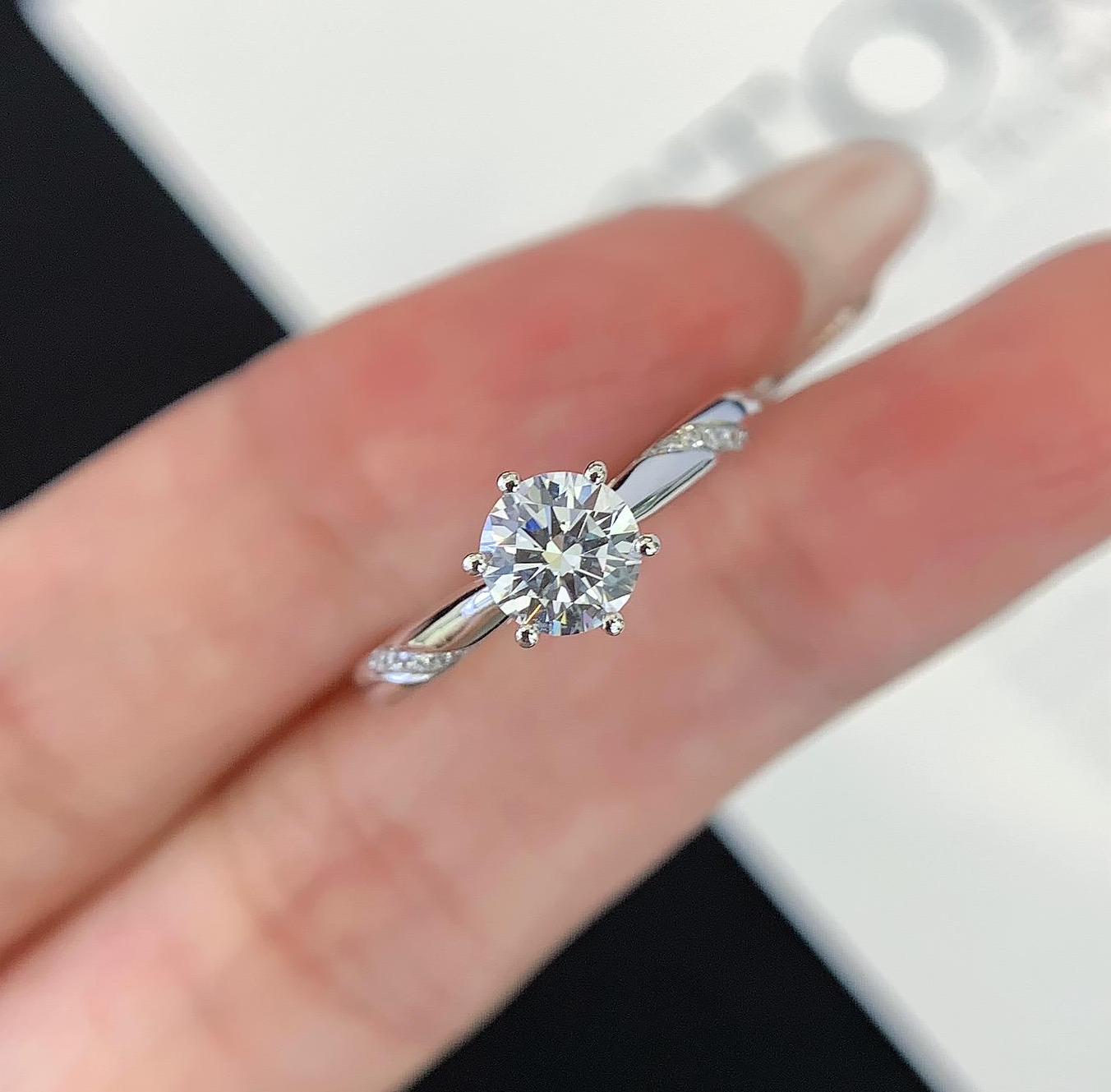
Our Most Popular Engagement Rings
Discover the engagement rings that define Antiquecut. Featuring carefully selected lab grown diamonds and expertly crafted settings, these customer favorites combine beauty, precision, and everyday wearability.
View Our CollectionsMistakes to Avoid When Testing Gold at Home
The most common mistake is relying on one test and treating the result as final. Every home test described above has a blind spot, and using two or three together gives a far more dependable picture than trusting any single check.
Another mistake is assuming that a strong reaction to a magnet is the only warning sign to worry about. Because brass, copper, and many other common fakes are not magnetic, a piece that ignores a magnet completely can still be fake for other reasons. Similarly, some people rely on the old trick of biting the metal, based on the idea that pure gold is soft enough to show tooth marks. This is not a reliable test for jewelry karats in everyday use, it can damage both the piece and your teeth, and it should be skipped entirely.
It also helps to weigh the item, either with a kitchen scale or a small jewelry scale, and compare that weight to what you would expect for a piece of that size in solid gold. A ring that feels unusually light for its size is worth a second look, even if it passed a float or magnet test. This method can be useful when checking pieces such as an old mine cut bezel ring, as solid gold settings generally have a noticeable weight compared to gold-plated or hollow alternatives.
When to Get Your Jewelry Professionally Tested
Home tests are useful for a quick read on a piece, but they are not a substitute for professional testing when real money is involved, when a piece has no visible marking at all, or when you are dealing with something that has sentimental or historical value you do not want to risk damaging.
A jeweler or appraiser has access to more precise tools than anything available at home. An acid test involves scratching a small, hidden area of the piece onto a testing stone and applying a drop of nitric acid, which reacts differently depending on the karat of gold present. This is fast, inexpensive, and widely used in jewelry stores and pawn shops across the US. For higher-value pieces, many appraisers now use an XRF machine, which reads the exact elemental composition of the metal without damaging the piece at all. This is the standard many insurance companies and auction houses expect before assigning a formal value to a piece.
Final Thoughts
Knowing how to tell if jewelry is real gold begins with careful inspection. Check the hallmark, understand purity numbers, look for plating marks, examine worn areas, and use a strong magnet as an initial filter. Vinegar, ceramic, weight, and density checks may add supporting evidence, but they should not be used as the only proof.
Antiquecut recommends checking the complete metal description and supporting documents before buying fine jewelry. A clear understanding of karat purity, plating terms, weight, and testing methods makes it easier to compare products and protect your purchase.
FAQs
How can you tell if a ring is real gold without a hallmark?
Look at the color consistency across the whole ring, check the weight against what you would expect for its size, and run a float test along with a magnet test. If the ring passes those checks but still has no visible stamp, a jeweler can confirm the karat with an acid test in a few minutes.
Does real gold turn your skin green or black?
Not usually, but lower-karat gold jewelry, which contains a percentage of other alloyed metals, can occasionally cause mild discoloration on some people depending on skin chemistry, humidity, or lotion use. This test is helpful as one data point, but it should not be used as your only way of checking a piece.
Will real gold float or sink in water?
Real gold is dense and sinks steadily in water without floating or drifting on the surface. If a piece floats or bobs, it is likely hollow or made mostly from a lighter base metal, though small gold-filled pieces can still sink, so this test works best alongside others.
Is gold-plated jewelry the same as real gold?
No. Gold-plated jewelry has a thin layer of real gold applied over a base metal, usually brass or copper. It is not fake, since the surface layer is genuine gold, but the coating can wear away over time and expose the metal underneath, unlike solid karat gold, which stays consistent all the way through.
Can a magnet test alone tell you if jewelry is real gold?
Not reliably. A strong pull toward the magnet is a warning sign, since gold itself is not magnetic. However, many common fakes, including brass and copper alloys, are not magnetic either, so a piece that does not react to a magnet still needs additional checks before you can call it real.
How do jewelers test gold jewelry in person?
Most jewelers start with a visual check of the stamp, then move to an acid test on an inconspicuous spot if needed. For higher-value pieces, many now use an XRF machine, which measures the exact metal composition without scratching or damaging the item at all.


