


Choosing the right necklace is not only about design—it’s also about fit. Understanding how to measure necklace length ensures that your jewelry sits exactly where you want it to, complements your outfit, and feels comfortable throughout the day. Whether you are buying a new piece online or styling what you already own, knowing the correct measurement makes a noticeable difference.
This detailed guide covers everything from basic measuring techniques to styling advice. You’ll also find a necklace length chart, tips for selecting the ideal fit, and insights into both men’s and women’s standard sizes.
Why Measuring Necklace Length Properly Matters
A necklace can completely change how an outfit looks, but only if it sits at the right position. Measuring correctly helps you:
- Avoid buying a necklace that feels too tight or too long
- Match your jewelry with different necklines
- Achieve balanced proportions based on your body type
- Layer multiple necklaces without overlap issues
- Ensure comfort for everyday wear
Improper measurement often leads to returns or unused pieces. Taking a few minutes to measure properly saves both time and effort. This method works great when comparing sizes before buying a new lab grown diamonds necklace online.
Quick Necklace Length Chart: Standard Sizes at Antiquecut
Understanding standard sizes is the first step in selecting the right fit. Below is a simplified necklace length chart for reference:
Women’s Necklace Length Guide
| Necklace Length | Style Name | How It Sits |
|---|---|---|
| 14 inches | Choker | Sits tightly around the neck |
| 16 inches | Collarbone | Rests just above the collarbone |
| 18 inches | Princess | Falls on the collarbone (most common) |
| 20–24 inches | Matinee | Sits between collarbone and bust |
| 28–36 inches | Opera | Falls below the bust |
| 36+ inches | Rope | Can be doubled or layered |
Standard Men’s Necklace Lengths
| Necklace Length | How It Sits |
|---|---|
| 18 inches | Tight around the base of the neck |
| 20 inches | Sits at the collarbone (most popular) |
| 22 inches | Falls slightly below the collarbone |
| 24 inches | Mid-chest length |
| 26–30 inches | Lower chest or statement length |
These sizes serve as a starting point, but personal preference and body structure also play a role.
Step-by-Step: How to Measure Your Current Necklace Properly
If you already own a necklace that fits well, measuring it is the easiest way to determine your ideal length.
What You Need
- A flat surface
- A ruler or measuring tape
Steps
-
Lay the Necklace Flat
Place the necklace on a flat surface without any twists. -
Measure from End to End
Use a measuring tape and measure from one end of the clasp to the other. -
Note the Total Length
This number represents the full length of your necklace. -
Compare with a Necklace Length Chart
Use the measurement to identify where it sits on your body.
Tips: If your necklace includes a pendant, remember that the pendant adds extra drop. Measure the chain separately for accuracy.
How to Measure Your Neck for a New Necklace
If you don’t have a necklace to measure, you can determine your ideal size by measuring your neck.
Method 1: Using a Measuring Tape
- Wrap a soft measuring tape around your neck
- Keep it slightly loose—not tigh
- Add 2 to 4 inches depending on how you want it to sit
Method 2: Using a String
- Wrap a string around your neck
- Mark the point where it meets
- Measure the string with a ruler
- Add extra length based on preference
General Rule
- Add 2 inches for a fitted style
- Add 4–6 inches for a relaxed look
This method works well when learning how to choose the right necklace length for daily wear.
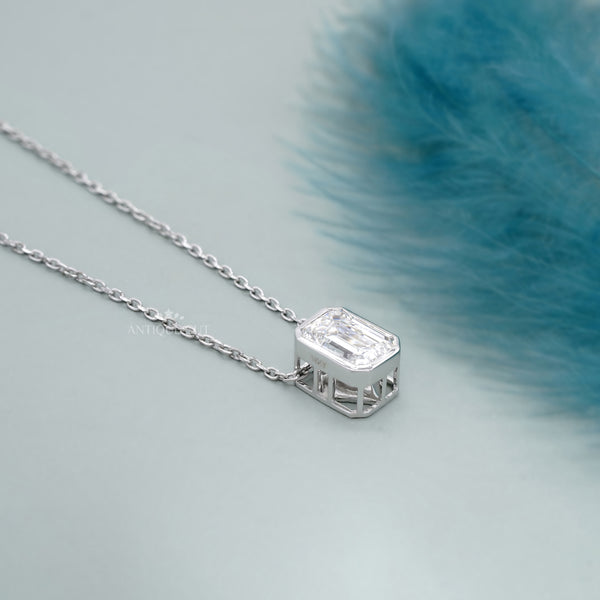
Choosing Necklace Length for Body Type, Height & Face Shape
Your body proportions influence how a necklace looks. The same length may appear different on different individuals.
Body Type Considerations
- Petite Frame: Shorter lengths like 16–18 inches work best
- Tall Frame: Longer lengths such as 20–30 inches create balance
- Fuller Body Type: Medium to longer lengths avoid a crowded neckline
Height Influence
- Shorter individuals benefit from shorter necklaces
- Taller individuals can experiment with longer styles
Face Shape Guide
- Round Face: Longer necklaces create a lengthening effect
- Oval Face: Most lengths work well
- Square Face: Rounded necklace styles soften angles
- Heart-Shaped Face: Medium lengths balance proportions
Selecting the right necklace length enhances overall appearance without requiring multiple adjustments.
Necklace Lengths & Neckline Pairing
Matching your necklace with your outfit creates a cohesive look.
Common Pairings
- V-Neck: Pendant necklaces that follow the neckline
- Crew Neck: Shorter necklaces like chokers or collar styles
- Off-Shoulder: Chokers or shorter chains highlight the neckline
- High Neck: Longer necklaces create contrast
- Button-Down Shirts: Medium-length chains work best
Layering Tips
- Use varying lengths (e.g., 16", 18", 22")
- Avoid similar lengths to prevent overlap
- Keep pendants at different levels
A well-paired necklace enhances your outfit without overpowering it.
Special Considerations: Men’s Chains & Layering
When it comes to men’s jewelry, proportions and personal style play a key role.
Average Length of Men’s Necklace
- Most men prefer 20–22 inches for everyday wear
- Shorter lengths sit closer to the neck
- Longer lengths create a more noticeable look
Standard Men's Necklace Lengths
- 20 inches: Balanced and widely preferred
- 22 inches: Slightly relaxed fit
- 24 inches: More casual appearance
Layering for Men
- Combine 2–3 chains with different lengths
- Avoid excessive thickness in multiple layers
- Maintain spacing between each chain
Choosing the right average length of men's necklace ensures both comfort and style.
Average Women's Necklace Length
Women typically choose lengths based on occasion and outfit.
- 16–18 inches: Everyday wear
- 20–24 inches: Formal or layered looks
- 28 inches and above: Statement styling
The average women's necklace length is around 18 inches, as it sits naturally on the collarbone and suits most outfits.
How to Choose the Right Necklace Length
Selecting the right length involves combining measurement, style, and occasion.

Practical Tip
Try measuring multiple lengths using a string before purchasing. This gives a clear idea of placement.
Common Mistakes When Measuring Necklace Length
Even small errors can affect how a necklace fits. Choose a slightly longer chain (18–20”) for custom designs to highlight the pendant beautifully — only at Antiquecut.
Mistakes to Avoid
- Measuring only the front portion
- Ignoring clasp length
- Not accounting for pendants
- Choosing length without considering neckline
- Assuming all lengths look the same on every body type
How to Fix Them
- Always measure full length
- Use a mirror when testing string measurements
- Refer to a necklace length guide before buying
Final Thoughts
Understanding how to measure necklace length helps you make better purchasing decisions and improves how your jewelry looks when worn. From using a simple string to referring to a necklace length chart, small steps can ensure a perfect fit.
Whether you are selecting a daily chain, layering multiple pieces, or choosing a statement necklace, proper measurement remains the foundation. With the right approach, finding the ideal necklace length becomes simple and reliable.
Frequently Asked Questions
1. How to measure necklace length at home?
To measure necklace length at home, use a soft measuring tape or a piece of string. Wrap it around your neck to your desired position, mark the length, and measure it with a ruler. This gives you an accurate idea of how the necklace will sit.
2. What is the most common necklace length for women?
The average women's necklace length is 18 inches, often called the princess length. It sits comfortably on the collarbone and works well with most outfits.
3. What is the standard necklace length for men?
The standard men's necklace lengths usually range between 20 to 24 inches. A 20-inch chain sits at the collarbone, while 22–24 inches fall slightly lower for a relaxed fit.
4. How do I choose the right necklace length?
To choose the right necklace length, consider your neck size, outfit neckline, and personal style. Shorter lengths suit high necklines, while longer chains work better with open or deep necklines.
5. What is a necklace length chart?
A necklace length chart is a guide that shows standard necklace sizes and where they sit on the body. It helps you understand how different lengths like choker, princess, or opera will look when worn.
6. How long should a necklace be for layering?
For layering, choose necklaces with at least 2–4 inches difference in length (for example, 16", 18", and 22"). This prevents overlapping and creates a balanced look.
7. How do I measure my neck for a necklace?
Wrap a measuring tape around your neck and add 2–4 inches depending on how loose you want the necklace. This method is helpful when buying a new chain.
8. What necklace length is best for everyday wear?
For daily use, 16–18 inches for women and 20–22 inches for men are considered comfortable and versatile options.
9. Does pendant size affect necklace length?
Yes, pendant size can affect how a necklace sits. Larger pendants hang lower, so you may need a slightly shorter chain to maintain the desired position.
10. What are common mistakes when measuring necklace length?
Common mistakes include measuring only part of the chain, ignoring the clasp, and not testing how the length sits on your neck. Always measure the full length and try it on if possible.
11. What is the difference between choker and princess length?
A choker (14–16 inches) fits closely around the neck, while a princess length (18 inches) sits on the collarbone and offers a more relaxed fit.
12. Can necklace length look different on different people?
Yes, necklace length can appear different depending on body type, neck size, and height. The same length may sit higher or lower on different individuals.


