


luxury gemstone discussions in 2026 due to the extreme rarity and collector demand associated with these stones. A red diamond is not just a gemstone; it is one of the rarest natural formations in the world of jewelry. Unlike traditional diamonds, red diamonds are found in extremely limited quantities, which directly impacts their valuation in the global market.
The value of these stones is influenced by color intensity, origin, carat weight, clarity, and certification. In today’s market, both investors and collectors actively seek natural red diamonds and high-quality red diamond rings, including engagement and wedding designs crafted by premium jewelers such as Antiquecut.
What Makes a Red Diamond So Expensive?
If diamonds already have a reputation for high value, red diamonds take that reputation and quietly multiply it by a factor that feels almost unfair.
To understand how much is a red diamond worth, you need to understand what creates that price.
1. Extreme scarcity
Natural red diamonds are so rare that most jewelers will never handle one in their entire career. They are mostly found in:
- Australia (Argyle mine, now closed)
- Very limited secondary sources
The closure of major sources has pushed availability even lower.
When supply drops to near zero but demand stays high among collectors, prices behave in a way that makes economists raise eyebrows.
2. Color formation mystery
Unlike other colored diamonds, red diamonds don’t get their color from impurities like nitrogen or boron.
Instead, their color comes from a structural distortion in the crystal lattice. Basically, the diamond’s internal structure is “stressed” in a very specific way during formation.
Nature accidentally created something extremely rare and impossible to reproduce consistently.

3. Collector psychology
Collectors of rare gems are not buying jewelry. They are buying:
- exclusivity
- historical ownership value
- investment positioning
- bragging rights (let’s be honest)
That emotional layer pushes prices far beyond material value.
Best sellers ring
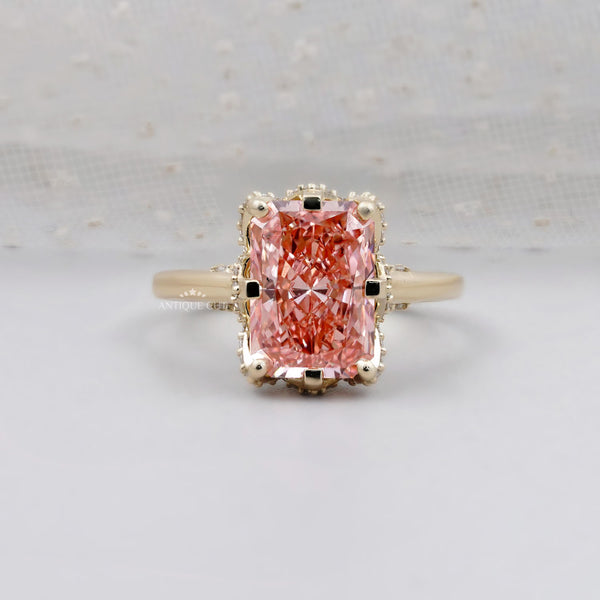


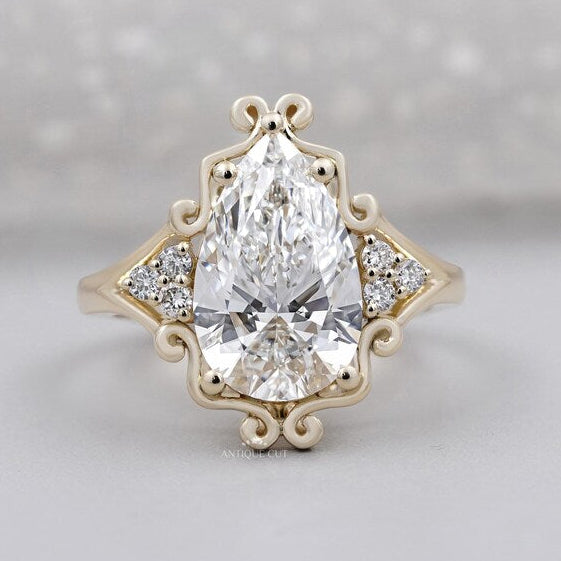


How much is a natural red diamond worth in 2026?
Let’s get more specific.
In 2026, the value of natural red diamonds depends heavily on carat size and color intensity. The pricing scale is not linear. It escalates aggressively.
Here’s a realistic breakdown:
| Carat Weight | Estimated Value Range (2026) |
|---|---|
| 0.1 – 0.3 ct | $100,000 – $500,000 |
| 0.3 – 0.5 ct | $500,000 – $1.5 million |
| 0.5 – 1.0 ct | $1.5 million – $3 million |
| 1.0+ ct | $3 million – $7 million+ |
Now here’s the twist: most natural red diamonds are under 1 carat. Anything above that is extremely rare and often ends up in private collections rather than public auctions.
Auction houses like Sotheby’s and Christie’s have reported red diamonds selling at record-breaking per-carat prices, sometimes exceeding blue diamonds.
Red Diamond Ring Value and Market Demand
The demand for red diamond ring designs has increased in 2026 due to luxury collectors and high-net-worth buyers seeking exclusive jewelry pieces.
Red Diamond Engagement Ring Pricing
A red diamond engagement ring is one of the rarest jewelry categories available. Pricing includes both the diamond and craftsmanship:
- Entry-level natural red diamond rings: $1.5M+
- High-quality designer pieces: $3M–$10M+
- Auction-level collector rings: $10M–$20M+
Natural Red Diamond Ring Value
A natural red diamond ring is valued significantly higher than standard diamond rings due to rarity. Settings in platinum or high-purity gold further enhance overall market pricing.
Why Red Diamond Rings Are Not “Regular Luxury” Jewelry
Most luxury jewelry is about beauty and status. A red diamond ring takes things further into collector territory, standing among the most sought-after fancy colored diamond rings due to its exceptional rarity and strong demand from gemstone enthusiasts and investors alike.
Here’s what separates it:
1. Emotional rarity overload
Owning one feels less like shopping and more like acquiring something that “should not exist in your possession.”
2. Investment behavior
Some buyers treat it like:
- art
- rare wine
- historic coins
They expect long-term appreciation rather than emotional wear.
3. Auction-driven pricing
Unlike mass-market diamonds, red diamonds don’t have stable retail pricing. Each sale becomes a reference point for the next.Why Red Diamond Rings Are Not “Regular Luxury” Jewelry
Ruby vs Red Diamond Ring Confusion: Are They the Same or Different?
| Feature | Ruby | Red Diamond |
|---|---|---|
| Gemstone Type | Corundum mineral (not a diamond) | True diamond (pure carbon crystal) |
| Formation | Forms from aluminum oxide with chromium traces | Forms under extreme earth pressure with crystal lattice distortion |
| Color Origin | Chromium impurities | Structural deformation of crystal lattice |
| Rarity | Rare but available in market | Extremely rare, only a few known stones worldwide |
| Price Level | Moderate to high depending on quality | Ultra high, often millions per carat |
| Market Availability | Widely available | Very limited, mostly auction-based |
Investment Perspective: Is a Red Diamond Worth Buying in 2026?
From an investment standpoint, red diamonds remain one of the strongest-performing gemstone categories due to scarcity.
Reasons investors target red diamonds:
- Extremely limited global supply
- High auction demand
- Long-term value retention
- Strong collector interest across international markets
However, liquidity is low, meaning resale may require specialized auction channels or private buyers.
Antiquecut Perspective on Red Diamond Jewelry Crafting
Within the high jewelry sector, Antiquecut focuses on precision craftsmanship for rare gemstone settings, including red diamonds. Each piece is structured to highlight the natural depth of color while maintaining structural integrity for long-term wear.
Designs often include:
- Platinum-based settings for durability
- Micro-set accent diamonds to enhance contrast
- Custom cuts designed to preserve carat weight
-
These design approaches ensure that every red diamond ring maintains both aesthetic value and long-term structural stability.
Conclusion
So, how much is a red diamond worth in 2026? The answer depends on factors such as carat weight, color intensity, clarity, certification, and overall rarity. While small natural red diamonds can command hundreds of thousands of dollars, exceptional specimens may sell for several million dollars per carat, placing them among the most valuable gemstones in the world.
The fascination surrounding red diamonds goes far beyond their price. Their limited availability, unique formation process, and strong collector demand have established them as some of the most sought-after stones in the fine jewelry market. Whether featured in a red diamond ring, red diamond engagement ring, or red diamond wedding ring, these gemstones represent a level of exclusivity that few other jewels can offer.
For buyers exploring alternatives, a lab grown red diamond ring provides a more accessible way to enjoy the striking appearance of a red diamond. However, natural stones continue to hold a distinct position among collectors due to their extraordinary rarity.
FAQs
1. Why are red diamonds more expensive than other colored diamonds?
Red diamonds are considered the rarest diamond variety in the world. Their extreme scarcity, limited supply, and strong collector demand make them significantly more valuable than pink, yellow, or even many blue diamonds.
2. How much is a 1-carat natural red diamond worth in 2026?
A 1-carat natural red diamond can be worth anywhere from $1 million to over $5 million, depending on its color intensity, clarity, cut quality, and certification.
3. Are red diamond engagement rings a good investment?
Yes. Natural red diamond engagement rings are often viewed as investment-grade jewelry because of their rarity and long-term appreciation potential. However, value depends on stone quality and market demand.
4. What is the difference between a natural red diamond ring and a lab grown red diamond ring?
A natural red diamond ring contains a naturally formed diamond that developed its color over millions of years, while a lab grown red diamond ring is created in a controlled environment. Natural stones are dramatically rarer and more valuable.
5. Can I buy a red diamond wedding ring for everyday wear?
Yes, red diamond wedding rings can be worn daily. Diamonds are among the hardest materials on Earth, making them suitable for regular use when set securely in high-quality jewelry.
6. How rare is a natural red diamond compared to a pink diamond?
Natural red diamonds are significantly rarer than pink diamonds. Only a handful of pure red diamonds are known to exist, making them one of the most sought-after gemstones among collectors worldwide.
7. Do red diamonds increase in value over time?
Historically, natural red diamonds have shown strong value appreciation due to their limited supply and growing global demand. While no investment is guaranteed, rare colored diamonds have generally performed well over the long term.
8. What metal looks best with a red diamond ring?
Platinum and 18K white gold are popular choices because they enhance the rich red color of the diamond. Rose gold can also create a distinctive and luxurious appearance.
9. Is a ruby red diamond ring the same as a ruby ring?
No. A ruby red diamond ring contains a red-colored diamond, while a ruby ring features a ruby gemstone. Although both are red, they are completely different gemstones with different rarity levels and values.
10. How can I verify that a red diamond is genuine?
Always request certification from a respected gemological laboratory such as the GIA. Certification confirms whether the stone is natural or lab-grown and provides details about color, clarity, cut, and carat weight.


