


Many people assume bigger always means better. In reality, the best carat weight depends on your budget, finger size, lifestyle, and personal taste. A well-cut 1-carat diamond can look more attractive than a poorly cut 2-carat diamond, while a smaller diamond with the right setting can appear much larger.
In 2026, buyers are paying closer attention to value rather than simply chasing the highest carat number. They want a ring that looks beautiful, fits comfortably, and stays within budget.
This guide explains everything you need to know, including the average carat size engagement ring, how different carat weights look, and whether a 7 carat diamond engagement ring is the right choice.
What Does Carat Mean?
Many people think carat means the size of a diamond, but it actually measures weight, not size.
1 carat = 200 milligrams (0.2 grams)
Two diamonds with the same carat weight can look different in size because of their cut, shape, and proportions.
Shapes like oval, marquise, pear, and emerald often appear larger than a round lab grown diamond ring of the same carat weight.
When choosing an engagement ring, don't focus only on carat. Looking at the cut, shape, and overall appearance will help you find a diamond that looks its best and fits your budget.

What Is the Average Carat Size for an Engagement Ring?
Many people ask about the average carat size engagement ring because they want to know what most buyers choose before making a decision. While there isn't one perfect size, recent buying trends show that around 1 carat is the average diamond size for an engagement ring in many markets. However, the right carat weight depends on your budget, personal style, and the quality of the diamond—not just its size.
| Budget Range | Common Carat Weight |
|---|---|
| Under $1,000 | 0.50–0.75 ct |
| $1,000–$3,000 | 0.75–1.25 ct |
| $3,000–$6,000 | 1–2 ct |
| $6,000+ | 2 ct and above |
How Many Carats Should an Engagement Ring Be?
Choosing the right carat weight is one of the most important parts of buying an engagement ring, but it is also one of the most misunderstood. Many people believe a bigger diamond is always the better choice, while others assume there is a standard carat weight that everyone should buy. In reality, there is no single answer. The right carat weight depends on your budget, personal style, finger size, and the balance between the diamond's cut, shape, and setting.
Instead of asking, "What is the best carat weight?", a better question is, "What carat weight is right for me?" The answer depends on several factors, including:
-
Your budget and how much you want to spend on the ring.
-
Finger size, since the same diamond can look different on different hand sizes.
-
Diamond shape, as some shapes appear larger than others at the same carat weight.
-
Cut quality, which affects how bright and noticeable the diamond looks.
-
Ring setting, because certain settings can make a diamond appear larger.
Everyday comfort, especially if the ring will be worn daily.
In this guide, you'll learn what diamond carat weight really means, the average carat size people choose for engagement rings, how different carat weights compare, and the factors that can help you decide which size is the best fit for your budget and lifestyle. This will help you make an informed decision based on facts rather than common myths or trends.
Explore 5–7 Carat Lab Diamond Rings
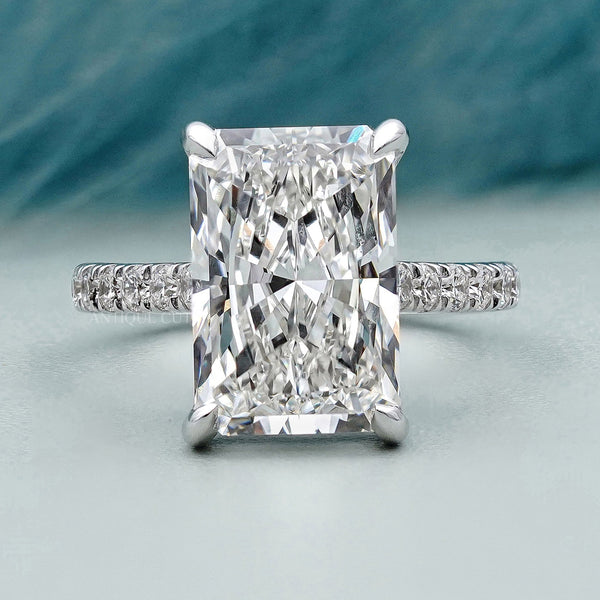
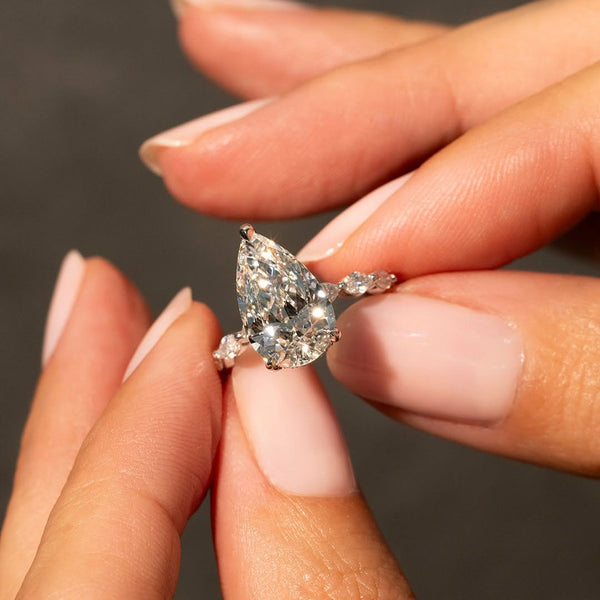
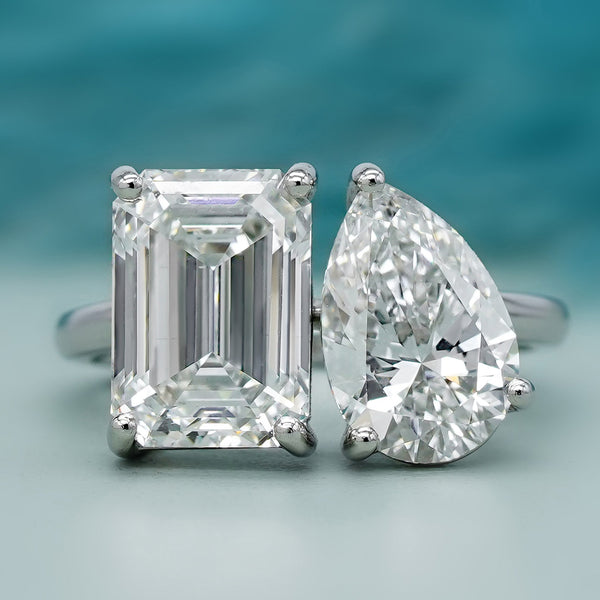
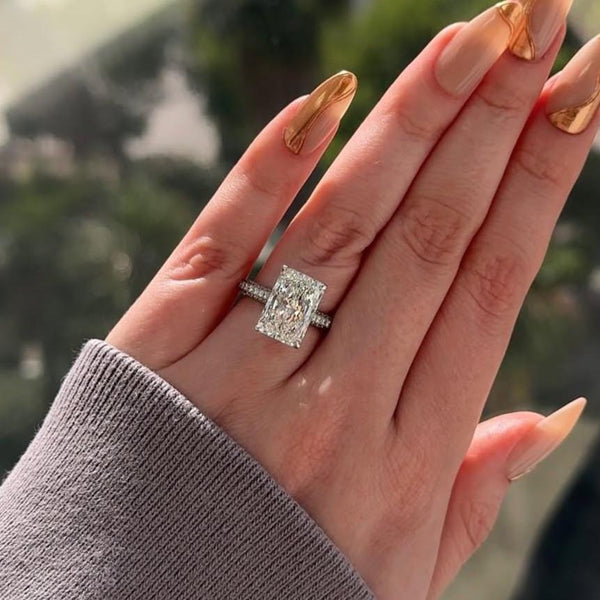
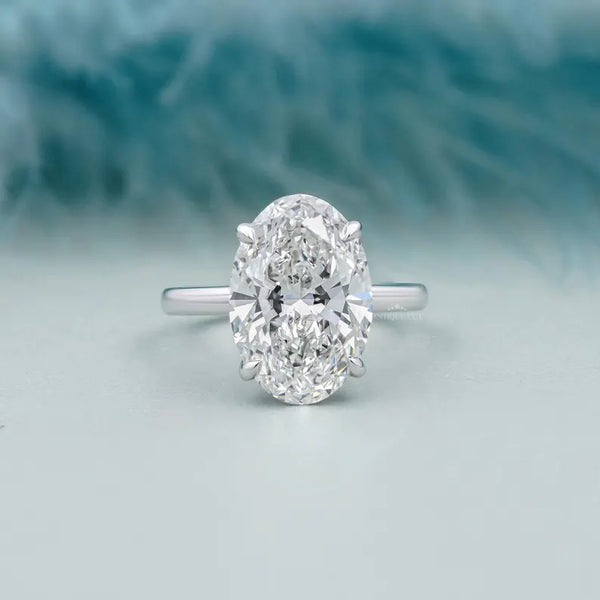
Is a 7 Carat Diamond Engagement Ring Worth It?
A 7 carat diamond engagement ring is a premium choice that offers an impressive look, but it isn't the right fit for everyone. Its rarity makes it much more expensive than smaller diamonds, and it also requires a secure setting, regular care, and insurance.
Before buying, think about your budget, comfort, and lifestyle. A ring of this size is heavier and attracts more attention, so it's important to choose something you'll enjoy wearing every day.
If you're looking for a bold statement piece and the price fits your budget, a 7 carat diamond can be a great option. However, many buyers find that a smaller diamond with an excellent cut offers a better balance of beauty, comfort, and value.

Does Diamond Shape Affect How Large It Looks?
Yes, it does.
Two diamonds can have the same carat weight but still look different in size once they are set in a ring. This is because carat measures a diamond's weight, not how large it appears from the top. The shape of the diamond changes how much of its surface is visible, which affects its visual size.
Some diamond shapes have a longer outline and a larger face-up area, making them look bigger than their actual carat weight. These include:
-
Oval cut lab grown diamond ring – Its stretched shape covers more finger space and often looks larger than a round diamond of the same weight.
-
Marquise cut lab grown diamond ring – The pointed ends create extra length, giving the diamond a bigger appearance.
-
Pear cut lab grown diamond ring – A mix of round and marquise, this shape looks longer and can appear larger on the hand.
-
Emerald cut lab grown diamond ring – Its large, open table makes more of the diamond visible from above.
- Radiant cut lab grown diamond ring – The rectangular version of this cut usually has a larger face-up appearance than many square shapes.
On the other hand, round diamonds often appear slightly smaller because more of their weight is distributed in the depth of the stone rather than across the top surface. While they are the most popular choice, they may not give the largest visual appearance for the same carat weight.
Tips for Choosing the Right Carat Weight
A larger diamond is not always the best choice. Focus on finding a carat weight that fits your budget, feels comfortable, and matches what you enjoy wearing every day.
Set Your Budget First
Knowing your budget before you start shopping makes it easier to compare diamonds and choose the best value without feeling pressured.
Compare Different Carat Sizes
If possible, view several carat weights together. Small differences on paper can look very different when you see the rings in person.
Think About Your Finger Size
The same diamond can look larger or smaller depending on finger size. Choosing a balanced look is often more important than choosing the biggest diamond.
Pay Attention to Cut Quality
A well-cut diamond usually looks brighter and can even appear larger than another diamond with the same carat weight but a lower-quality cut.
Choose a Shape You Like
Different shapes create different visual sizes. Pick the shape that suits your taste instead of focusing only on the carat number.
Keep Comfort in Mind
If you plan to wear the ring every day, choose a size and setting that feels comfortable during regular activities.
Buy a Ring You'll Enjoy Wearing
The right carat weight is the one that fits your lifestyle, budget, and personal preference. A thoughtful choice is more important than simply choosing a larger size.
Conclusion
So, how many carats should an engagement ring be? For most buyers, 1 to 2 carats is the most common choice because it offers a good balance of size and budget. The average carat size engagement ring is around 1 carat, but the right carat weight depends on your budget, finger size, lifestyle, and personal preference. Choose the ring that feels right for you rather than simply following what's most popular.
Design Your Own Jewelry with Antiquecut
FAQ
1. Is a 1 carat diamond big enough for an engagement ring?
Yes. A 1 carat diamond is one of the most popular choices for engagement rings because it offers a good balance between size and price. With a well-cut diamond and the right setting, a 1 carat ring can look impressive for everyday wear.
2. Is a 2 carat engagement ring considered large?
A 2 carat engagement ring is generally considered larger than average. It provides a noticeable look while remaining practical for daily wear. The overall appearance also depends on the diamond's shape, cut, and setting.
3. Which diamond cut looks the biggest?
Elongated diamond shapes usually appear larger than round diamonds of the same carat weight. Oval, marquise, pear, and emerald cuts often create the impression of a bigger stone because they have a larger face-up surface.
4. Does a higher carat diamond always cost more?
In most cases, yes. As carat weight increases, the price usually rises because larger diamonds are rarer. However, the final price also depends on cut, color, clarity, certification, and whether the diamond is natural or lab-grown.
5. Can a diamond look bigger without increasing the carat weight?
Yes. Choosing an elongated diamond shape, a thinner band, or a setting that exposes more of the diamond can make it appear larger without increasing its actual carat weight.
6. Is it better to choose a higher carat or a better cut?
For most buyers, choosing a better cut is often the smarter decision. A well-cut diamond reflects light more effectively and can appear brighter than a larger diamond with a poor cut.
7. Does the ring setting affect how large a diamond looks?
Yes. The ring setting can change the diamond's visual appearance. Solitaire, halo, and thin-band settings can make the center stone look larger, while heavier settings may make it appear smaller.
8. Should I choose a natural or lab-grown diamond for a larger carat size?
If your goal is to maximize carat weight within a fixed budget, a lab-grown diamond is often the better option because it typically costs less than a natural diamond of similar quality. This allows many buyers to choose a larger stone without increasing their budget.


