


Lab grown diamonds have become a major part of the jewelry market, especially for buyers looking for value and transparency. Whether you're considering lab grown diamond rings or comparing lab grown vs natural diamond, understanding how these diamonds are created helps you make an informed decision.
This guide explains everything in detail—from the science behind production to the differences between CVD vs HPHT diamonds, along with buying insights.
What Is a Lab Grown Diamond Made Of?
A lab grown diamond is made of the exact same material as a natural diamond: pure carbon arranged in a crystal structure.
There is no chemical difference between lab and mined diamonds. Both have:
- Identical hardness (10 on Mohs scale)
- Same optical properties
- Same crystal structure
- Same brilliance and durability
The only difference is how and where they are formed.
Natural diamonds form deep inside the Earth over billions of years. Lab grown diamonds are created in controlled environments within weeks.
This is why discussions around natural vs lab grown diamonds often focus on origin rather than composition.
How Are Lab Diamonds Made?
Lab diamonds are created by replicating the natural diamond formation process using advanced technology. There are two primary methods:

Both methods start with a small diamond seed and use carbon to grow a larger diamond crystal.
Where Are Lab Diamonds Made?
Lab grown diamonds are produced in specialized facilities across the world. Major production hubs include:
- United States
- India
- China
- Singapore
Many companies manufacturing the best lab grown diamonds use advanced labs with strict quality control systems.
These facilities simulate the natural conditions required for diamond formation, either through pressure or controlled gas environments.
CVD vs HPHT Diamonds
Understanding CVD vs HPHT diamonds is essential when comparing quality, cost, and appearance.
| Feature | CVD Diamonds | HPHT Diamonds |
|---|---|---|
| Made of real carbon diamond | ✔ | ✔ |
| Growth Speed | Slower | Faster |
| Clarity level | ✔ Often higher | ✖ May contain inclusions |
| Color quality | Can require treatment | ✔ Naturally closer to colorless |
| Cost efficiency | ✔ Usually lower | ✖ Slightly higher |
Are They Visually Different?
No. Even experts need specialized equipment to tell them apart.
This is why many buyers choose lab grown diamond rings without concern about appearance.
Why Choose Lab Grown Diamond Rings?
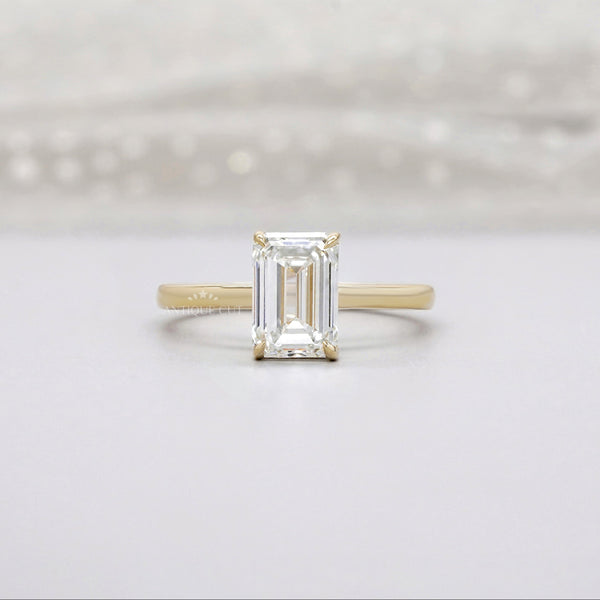
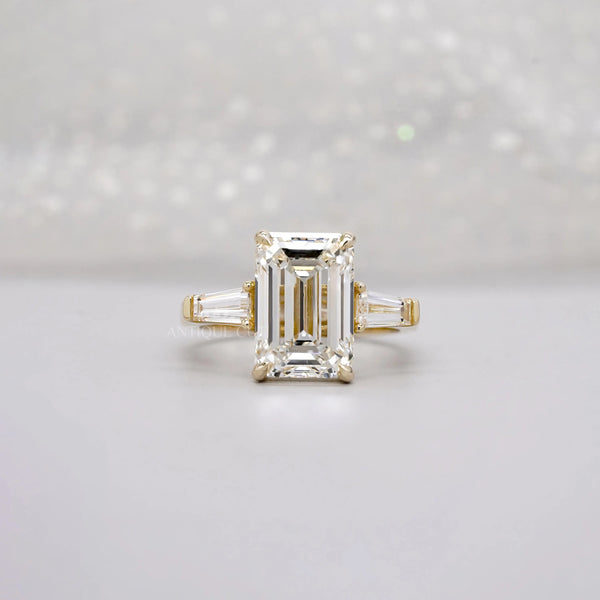
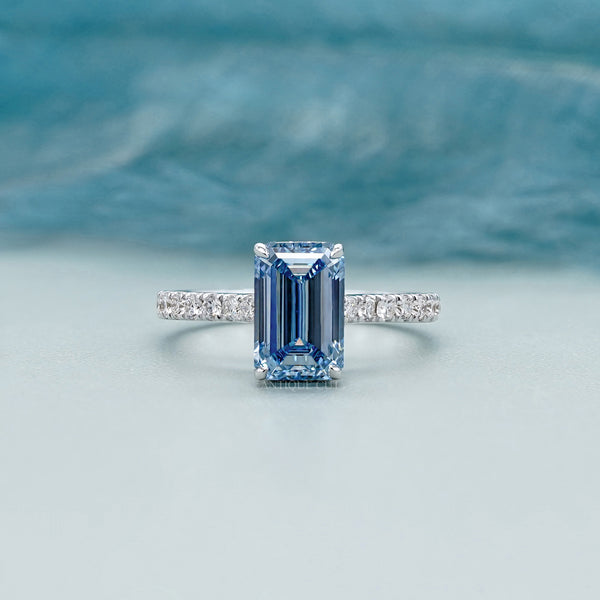
Lab grown diamonds are increasingly popular for engagement and fine jewelry.
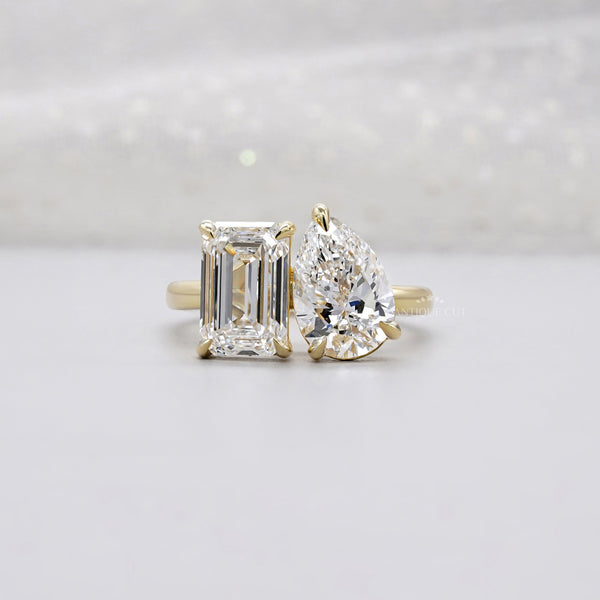
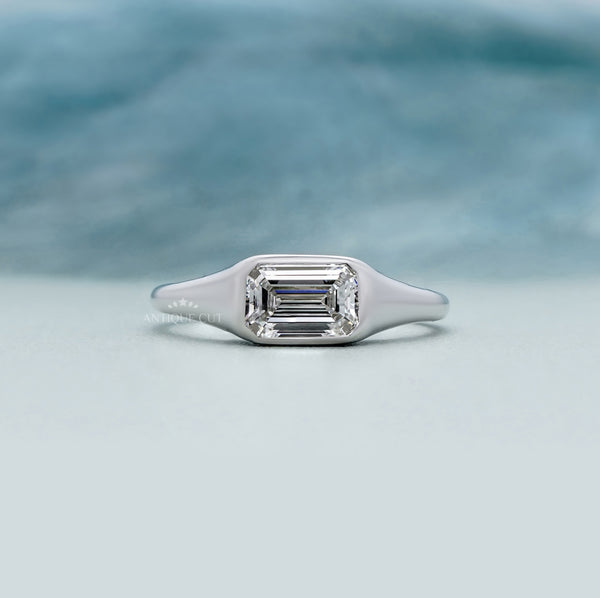
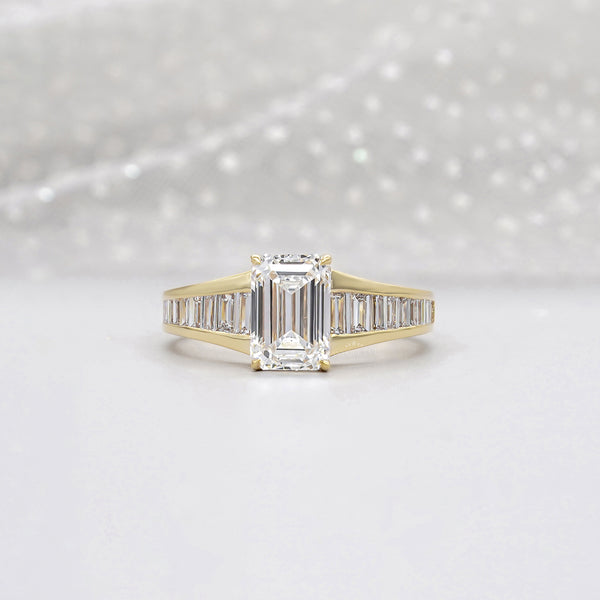
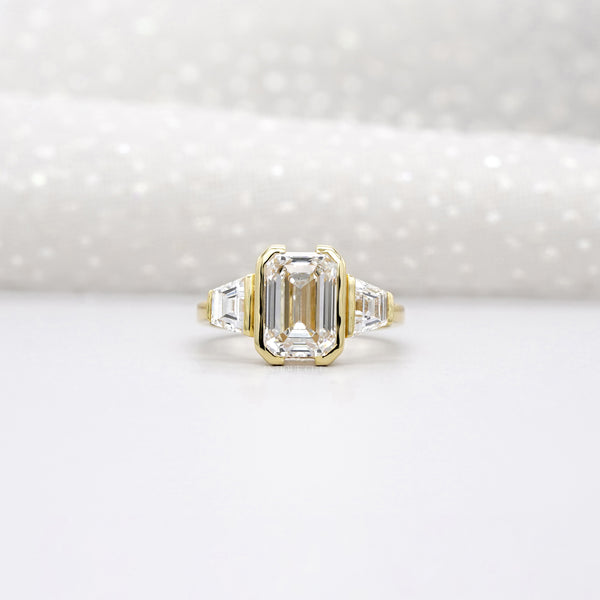
Benefits
- Lower cost compared to natural diamonds
- Ethical sourcing
- Wide design availability
- High-quality stones within budget
For buyers comparing lab grown vs natural diamond, cost and accessibility are often deciding factors. Many buyers today are choosing lab grown engagement rings under 1000 as a smart way to get high-quality diamonds within a budget.
Are Lab Grown Diamonds Real?
Yes, lab grown diamonds are 100% real diamonds.
They are not:
- Cubic zirconia
- Moissanite
- Artificial imitations
They are certified and graded using the same standards as natural diamonds.
Are Lab Grown Diamonds Cheaper?
Yes, lab grown diamonds typically cost 30%–70% less than natural diamonds.
Reasons include:
- No mining costs
- Faster production
- Controlled supply
This price difference allows buyers to choose larger or higher-quality stones.
Do Lab Grown Diamonds Pass a Diamond Tester?
Yes, they pass standard diamond testers.
Because they are made of carbon, they conduct heat just like natural diamonds.
Only advanced gemological tools can distinguish them.
How to Clean a Lab Grown Diamond
Cleaning lab grown diamonds is simple and similar to natural diamonds.

Steps
- Use warm water and mild soap
- Soak for 15–20 minutes
- Gently scrub with a soft brush
- Rinse and dry with a lint-free cloth
- Avoid harsh chemicals to maintain the setting and finish.
Where to Buy Lab Grown Diamonds
You can purchase lab grown diamonds from:
- Antiquecut
- Jewelry brands
- Local jewelers
When searching for the best lab grown diamonds, look for:
- Certification (IGI or GIA)
- Clear grading reports
- Return policies
- Customer reviews
Conclusion
Understanding how lab diamonds are made helps you evaluate their quality and value. Whether created using Chemical Vapour Deposition (CVD) or High Pressure High Temperature (HPHT), both methods produce real diamonds with the same physical and chemical properties as mined stones.
When comparing natural vs lab grown diamonds, the decision often comes down to budget, sourcing preferences, and availability. For many buyers, lab grown diamonds offer a practical and high-quality alternative, especially for engagement rings and everyday jewelry.
FAQs
1. Are lab grown diamonds certified?
Yes, lab grown diamonds are certified by gemological labs like IGI and GIA with detailed grading reports.
2. Do lab grown diamonds lose value over time?
They may have lower resale value compared to natural diamonds due to higher supply.
3. Can you insure lab grown diamond rings?
Yes, they can be insured just like natural diamond jewelry.
4. Are lab grown diamonds environmentally friendly?
They generally have a lower environmental impact than mined diamonds, though energy use varies by producer.
5. Do lab diamonds come in different colors?
Yes, they are available in colorless, near-colorless, and fancy colors like yellow, blue, and pink.
6. How long does it take to grow a lab diamond?
It typically takes a few weeks to grow a diamond in a lab.
7. Are lab grown diamonds durable for daily wear?
Yes, they are just as durable as natural diamonds and suitable for everyday use.
8. Can jewelers tell the difference between lab and natural diamonds?
Only with specialized equipment, not by visual inspection alone.
9. Are lab grown diamonds good for engagement rings?
Yes, they are widely used in engagement rings due to affordability and quality.
10. Do lab diamonds have inclusions?
Yes, like natural diamonds, they can have inclusions, but many are eye-clean.


