


When two people decide to spend their lives together, rings often become part of that journey. But many people still feel confused about an engagement ring vs. a wedding ring. Are they the same? Do you need both? Which one comes first?
If you’ve ever wondered about a wedding ring vs an engagement ring, this guide will help you understand everything simply and clearly.
What is an Engagement Ring?
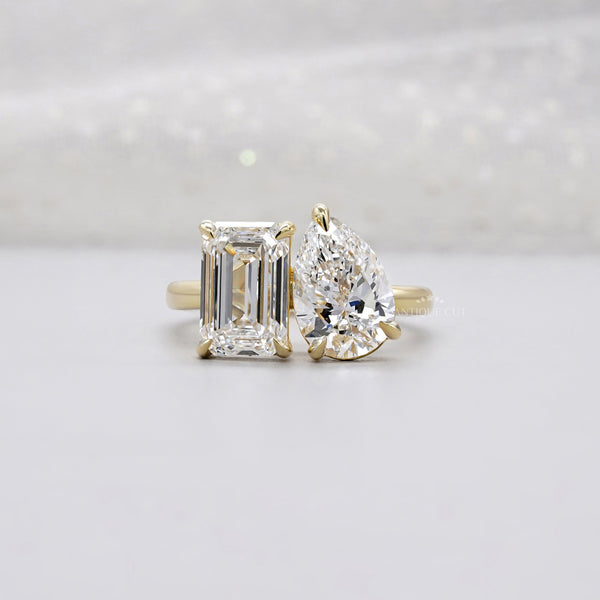
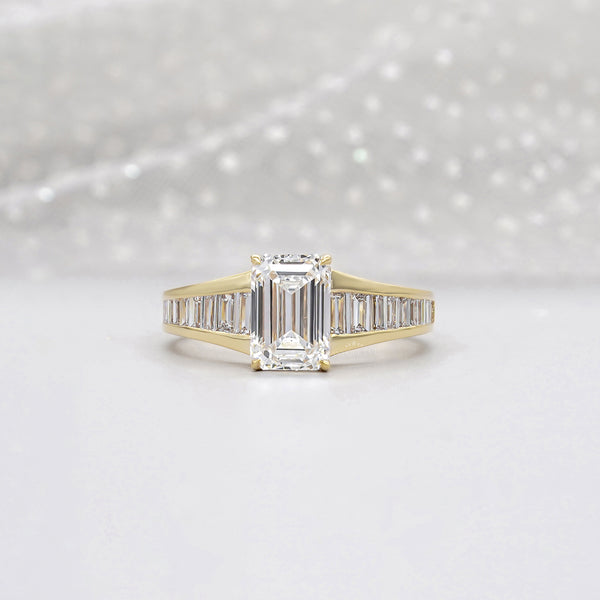
An engagement ring is more than a piece of jewelry—it marks a life-changing moment between two people. It is given during a proposal, often when one partner asks the other to spend their life together. That moment, filled with nervous excitement and hope, becomes attached to the ring forever.
For many, the ring becomes a daily reminder of that decision. Every time it is worn, it reflects the beginning of a shared journey—one built on trust, understanding, and commitment.
Unlike gifts given on birthdays or celebrations, an engagement ring carries emotional weight. It represents a promise that goes beyond words—a silent agreement to move forward together, even through uncertainty.
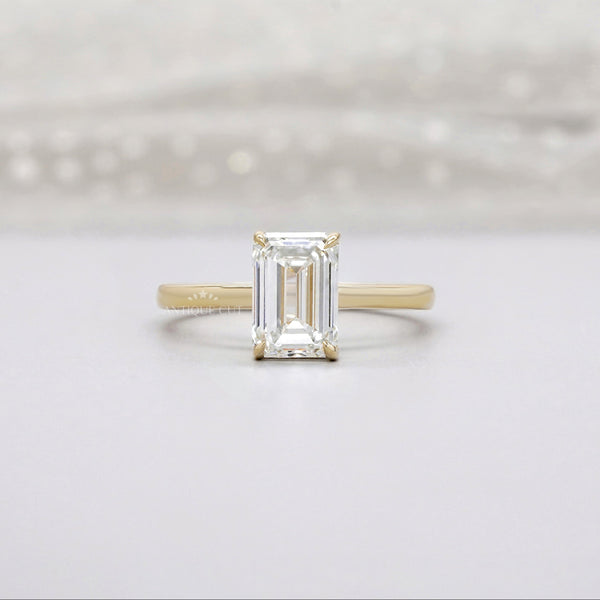
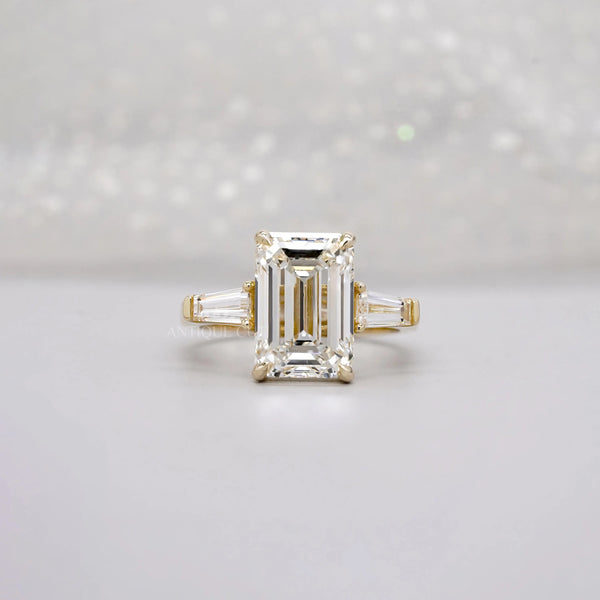
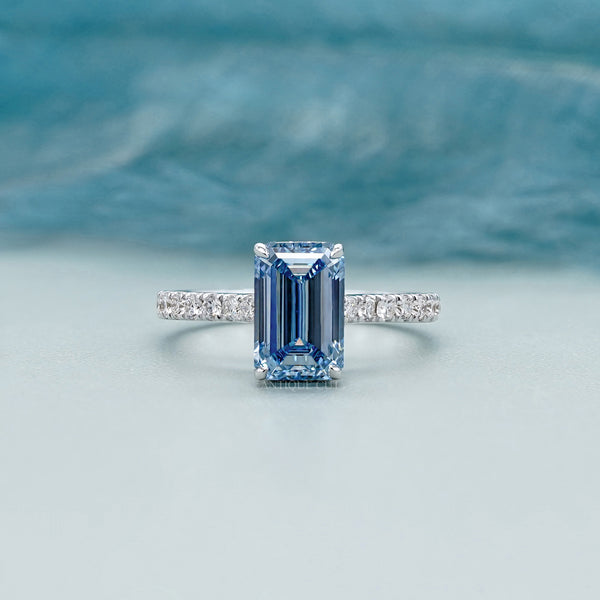
History & Origin
The engagement ring tradition began as a symbol of agreement rather than love. In ancient times, especially in Rome, rings were given to show a formal commitment between families. These early rings were simple and represented a promise that a marriage would take place.
Over time, the meaning changed. One important moment came in 1477 when Archduke Maximilian of Austria gave a diamond ring during a proposal, influencing future traditions.
By the modern era, engagement rings became a symbol of personal choice and emotional commitment. Today, they represent love, trust, and the decision to build a future together—making their meaning far more personal than their origin.
What Is a Wedding Ring?
A wedding ring is more than just a piece of jewelry—it is a quiet promise worn every day. Exchanged during the wedding ceremony, it marks the moment when a relationship moves from intention to commitment. Unlike the engagement ring, which often comes as a surprise from one partner, wedding rings are usually shared between both individuals, making the bond mutual and visible.
When the ring is placed on the finger, it represents acceptance, trust, and the decision to walk through life together. It doesn’t need to be grand or expensive to carry meaning. Its value comes from what it stands for—a lifelong connection.
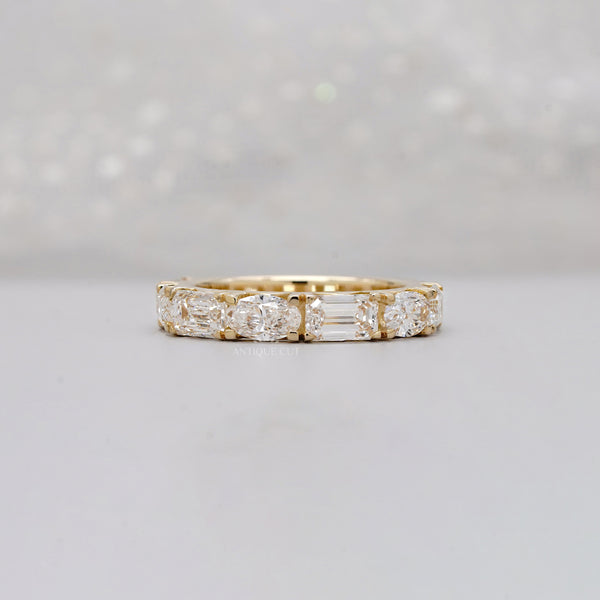
History & Origin
The idea of wedding rings goes back thousands of years. Early civilizations believed that the circular shape had no beginning and no end, which made it a natural symbol of continuity. This simple form carried a powerful message: a bond that doesn’t break.
There was also a belief that a vein in the ring finger connects directly to the heart. While this idea isn’t scientifically proven, it added emotional depth to the tradition. Placing the ring on that finger became a way of saying, “This connection comes from the heart.”
Over time, cultures and styles have changed, but the meaning has stayed close to its roots. Today, a wedding ring still represents a shared life, built on trust, patience, and understanding. It’s a small object, but it carries a story that continues every day after the ceremony ends.
Engagement vs. Wedding Ring: What Are the Differences?
Understanding engagement vs wedding ring becomes easy when you look at these key points:
| Feature | Engagement Ring | Wedding Ring |
|---|---|---|
| Purpose | Represents a proposal and the intention to get married | Represents the official bond of marriage and lifelong commitment |
| Cultural Variations | Common in Western traditions, but practices differ worldwide | Found in most cultures, though styles and traditions vary |
| Design | Typically includes a center gemstone such as a diamond or other stone | Usually a simple band, sometimes with small or no gemstones |
| Shopping Considerations | Focus on design, center stone, setting, budget, and lifestyle suitability | Focus on comfort, metal type, matching with the engagement ring, and daily wear |
| Cost | Generally higher due to the gemstone and detailed design | Usually more affordable, but the price can vary depending on the material and design |
Do You Need Both an Engagement Ring and a Wedding Ring?
Some couples choose both rings because they value the tradition. For them, having two separate rings helps mark two different milestones — the proposal and the marriage ceremony.
Others prefer to keep things simple and go with just one ring. There are a few common reasons for this:
- Comfort : Wearing two rings daily may feel inconvenient for some people.
-
Budget : Rings can be expensive, and many couples prefer to invest that money elsewhere, such as in travel or plans.
- Lifestyle : If someone works with their hands a lot or has an active routine, a single ring may be more practical.
Some couples combine both ideas by choosing one ring that works for both the engagement and the wedding.
How to Wear an Engagement Ring and Wedding Ring
Traditionally, the wedding ring is worn first on the ring finger, sitting closest to the heart, with the engagement ring placed above it. This order is followed to symbolically keep the wedding band—representing the commitment of marriage—at the base. During the ceremony, many people move the engagement ring to the other hand so the wedding ring can be placed directly, then switch it back afterward.
However, there’s no strict rule you have to follow. Some people choose to wear their rings in a different order, on separate hands, or only wear one daily, depending on comfort and lifestyle. What matters most is choosing a way that feels right for you and fits naturally into your routine.
Popular Styles for Engagement Rings
1. Solitaire Rings (Single Stone)
Simple and easy to wear every day without hassle, a lab grown solitaire diamond ring is a popular choice for its clean and timeless look.
Requires less maintenance and is easier to manage over time.
2. Halo Rings
Surrounding stones make the center look bigger and more noticeable, especially with a hidden halo on ring design that adds subtle sparkle from underneath. Needs a bit more care due to multiple small stones.
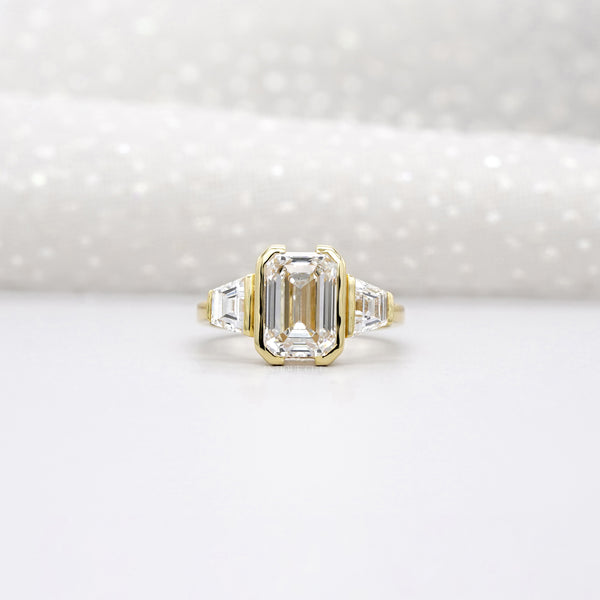
3. Three-Stone Rings
Often chosen for its personal meaning and balanced design. Slightly more detailed but still comfortable for daily use.
4. Pavé Rings
Small stones along the band add extra detail to the ring, and a pave lab diamond ring gives a refined, elegant finish.
Requires regular cleaning to keep it looking neat.
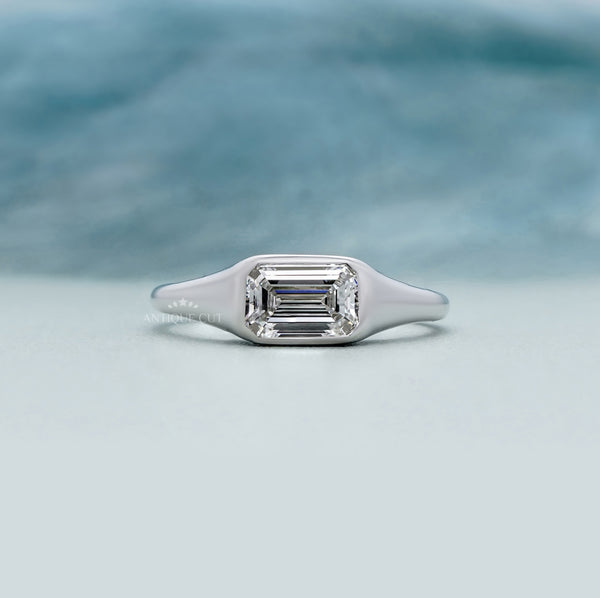
5. Bezel Setting Rings
Holds the stone securely, making it a durable option. A bezel set lab grown diamond ring is especially suited for those who prefer a modern and practical style.
Good choice for people with active or hands-on routines.
Popular Styles for Wedding Rings
Wedding rings are usually more practical than engagement rings because they are worn every day. The design is kept simple so it feels comfortable during daily activities.
Plain metal bands are the most common choice. They don’t include stones or heavy designs, which makes them easy to wear and maintain. Many people choose this style because it is durable and doesn’t go out of style over time.
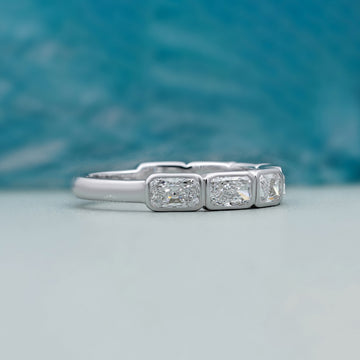
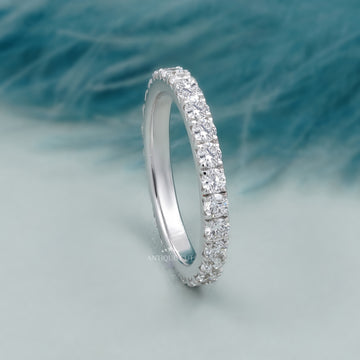
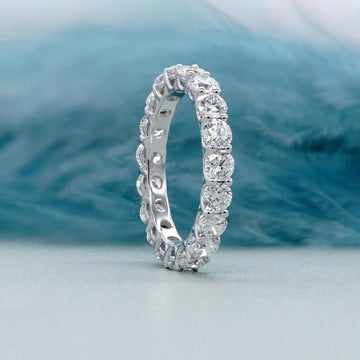
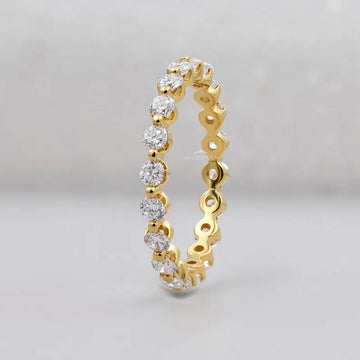
Diamond bands include small stones placed across the ring instead of one large center stone. This adds detail without making the ring bulky, so it still feels comfortable for regular use.
Textured bands come with finishes like matte, brushed, or patterned surfaces. These designs give the ring a different look without adding extra weight, and they can also hide small scratches better.
Matching bands are chosen by couples who want both rings to look similar. The design may be the same or slightly adjusted, but it creates a sense of connection between partners.
In the comparison of engagement rings vs. wedding rings, wedding bands are mainly designed for comfort and long-term wear rather than appearance.
Matching Engagement and Wedding Rings
Some couples choose matching engagement and wedding rings because they are designed to sit together comfortably and follow a similar pattern. This creates a balanced look and is often a practical choice for daily wear, especially when exploring affordable engagement rings under $2000 that come in coordinated sets.
Others prefer mixing different styles to reflect their personal taste. They might pair a detailed engagement ring with a simple band or choose contrasting designs for a more individual look, even within the range of affordable engagement rings under $2000.
There’s no fixed rule here. The decision depends on what feels right—whether that’s a matching set or a combination that represents personal style while staying within budget.
Final Thought
The difference between an engagement ring and a wedding ring is not just in when you wear them, but what they represent.
FAQ
1. What is the main difference between an engagement ring and a wedding ring?
The engagement ring is given during the proposal, while the wedding ring is exchanged during the marriage ceremony.
2. Can you use the same ring for engagement and wedding?
Yes, some people use one ring for both to keep things simple.
3. Which ring is more important?
Both have different meanings. One represents a promise, the other represents the marriage itself.
4. Do both partners wear engagement rings?
Traditionally, no, but many couples now choose to do so.
5. Are wedding rings always simple?
Not always. While many are simple, some include small stones or designs.
6. Which comes first, engagement or wedding ring?
The engagement ring comes first.
7. Can I wear my engagement ring after marriage?
Yes, most people wear both rings together.
8. Is it okay to not have a wedding ring?
Yes, it depends on personal choice and comfort.
9. How do I choose between wedding band vs engagement ring styles?
Think about daily comfort for wedding rings and personal style for engagement rings.
10. Do engagement and wedding rings have to match?
No, they can be completely different if you prefer.


