


Does gold scratch? Yes, every type of gold jewelry can develop scratches through normal use. Gold is naturally a soft metal, and its surface can be marked by harder materials, contact with other jewelry, repeated friction, or everyday activities. However, the speed at which scratches appear depends on the gold karat, alloy mixture, surface finish, jewelry design, and how the item is worn. A small scratch does not usually mean a gold ring, bracelet, necklace, or pair of earrings is damaged beyond repair. Fine surface marks are a normal part of wearing gold. Many can be reduced through professional polishing, while deeper marks may require refinishing or repair.
Understanding how gold reacts to daily wear can help you choose the right karat, care for your jewelry properly, and avoid unnecessary damage. This is particularly important for engagement rings and wedding bands because these pieces are worn for long hours and regularly come into contact with desks, door handles, bags, gym equipment, and household surfaces.
Does Gold Scratch Easily?
Gold can scratch more easily than metals such as platinum, titanium, tungsten, or stainless steel. Pure gold is particularly soft, which is why most jewelry is made from gold mixed with other metals. The term “scratch” describes a line or mark created when a harder material moves across the surface. A scratch may only affect the outer finish, or it may cut deeper into the metal. Light marks are usually cosmetic, while deep scratches can alter the shape of a band or weaken a thin area.
Gold jewelry may collect small surface lines even when the wearer is careful. A ring can rub against a metal drawer handle, another ring, a stone countertop, or keys inside a bag. Over time, these contacts create a worn surface. This does not mean gold is unsuitable for daily jewelry. It means that the karat, construction, and care routine should match how the piece will be used. The same care applies whether you wear a classic gold band or a pink diamond ring, as proper handling helps reduce everyday scratches and keeps your jewelry looking its best.
How Soft Is Gold?
Pure gold measures approximately 2.5 to 3 on the Mohs scale of mineral hardness. The Mohs scale measures how well one material resists being scratched by another. A higher number indicates better scratch resistance. For comparison, a fingernail is around 2.5 on the Mohs scale, glass is usually around 5.5, quartz is 7, and diamond is 10. This means many common materials are hard enough to mark pure gold.
The Mohs scale is not a direct measurement of how difficult it is to bend or break an object. Gold can resist corrosion and remain chemically stable while still being soft enough to scratch or dent. Pure gold is also highly malleable. It can be shaped, pressed, and stretched without immediately breaking. This quality has made gold valuable for jewelry making for thousands of years, but it also explains why pure 24k gold is not the first choice for many engagement rings.
Gold Karat and Scratch Resistance Comparison
| Gold Type | Pure Gold Content | General Scratch Resistance | Best Use | Important Consideration |
|---|---|---|---|---|
| 10K Gold | 41.7% | Higher among common gold options | Work-friendly rings and budget-focused jewelry | Lower gold content and a lighter gold color. |
| 14K Gold | 58.3% | Good for daily wear | Engagement rings, wedding bands and bracelets | Can still collect surface marks over time. |
| 18K Gold | 75% | Moderate | Fine rings, earrings, pendants and necklaces | Softer than 14K because of its higher gold content. |
| 24K Gold | About 99.9% | Low | Cultural jewelry, investment pieces and limited-wear designs | Can scratch, bend and dent more easily. |
| White Gold | Depends on karat | Moderate to good | Engagement rings and wedding bands | Rhodium coating can wear over time and reveal the alloy beneath. |
Is 14k Gold Better Than 18k for Daily Wear?
A 14k gold ring is generally more resistant to scratching and bending because it contains a higher percentage of alloy metals. It may be a useful choice for someone who works with their hands, travels frequently, exercises regularly, or plans to wear an engagement ring throughout most of the day.
An 18k gold ring contains more pure gold, giving yellow gold a stronger yellow colour. It may also be preferred by buyers who value higher gold content. The trade-off is that 18k gold is usually softer and may collect surface marks sooner than 14k gold.
For example, compare two people wearing plain yellow gold wedding bands. One band is 14k and the other is 18k. After the same period of daily wear, the 18k band may show more visible scuffs. However, the result will also depend on band width, thickness, finish, work routine, and care.
Why Pure 24K Gold Scratches So Easily
24k gold is 99.9% pure, which is exactly why jewelers avoid using it for rings, bracelets, and other pieces worn daily. Pure gold has almost no resistance to pressure. Press a fingernail into a bar of 24k gold and you can actually leave a mark. This is also why 24k gold jewelry, common in parts of Asia and the Middle East for its investment value, is often reserved for special jewelry sets, coins, and bars rather than everyday rings.
If you've ever wondered why wedding bands and engagement rings are almost never sold in 24k, this is the reason. A ring made from pure gold would bend out of shape and pick up marks within weeks of regular wear.

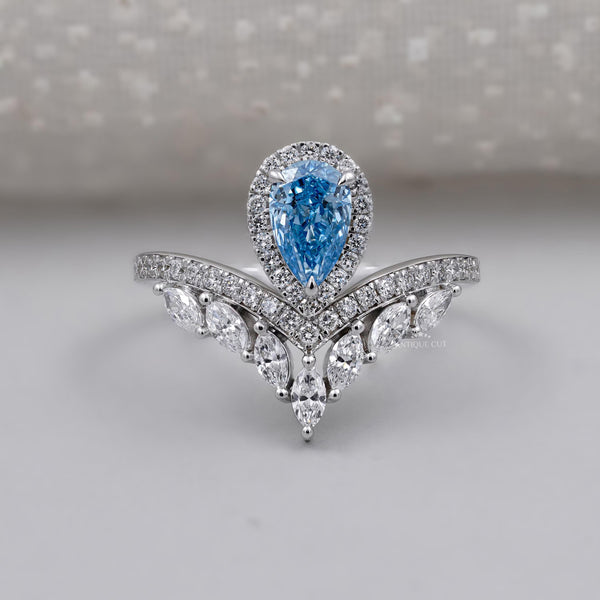
Does White Gold Scratch Easily?
Does white gold scratch easily? Yes, and in most cases the base metal underneath scratches at roughly the same rate as yellow gold of the same karat, since white gold is usually 14k or 18k gold alloyed with white metals like palladium or nickel. What makes white gold look extra bright and untouched when it's new is a thin rhodium plating applied over the surface.
Rhodium sits much higher on the hardness scale (around 6) than the gold underneath, so the plating itself resists scratching quite well while it's intact. The problem is that rhodium plating wears down over one to two years of regular wear, and once it thins out, the softer white gold alloy underneath becomes exposed and starts to show marks more clearly. This is why a white gold ring that looked flawless in year one can look duller and slightly marked by year two it's not that the gold got softer, it's that the hard outer layer wore away.
Does Real Gold Scratch More Than Gold-Plated Jewelry?
Does real gold scratch more than gold-plated pieces? Not exactly the comparison isn't really fair to begin with, because the two are built differently. Gold-plated jewelry is a base metal (often brass, copper, or stainless steel) with a very thin layer of gold, sometimes less than one micron thick, applied on top. Real solid gold, by contrast, is gold all the way through.
In the short term, plated jewelry can actually look less scratched because the base metal underneath is harder than gold. But once that thin gold layer wears through from friction, which can happen in months rather than years, you're left with visible base metal, discoloration, or a dull patch that can't be polished back to gold. Solid gold, on the other hand, can be scratched, but a jeweler can polish out light surface marks because the gold content runs all the way through the piece, not just on the surface. This is especially beneficial for jewelry designed for regular wear, such as a half bezel set ring, where maintaining the metal's appearance over time is an important consideration.
What Causes Scratches on Gold Jewelry
Most scratches on gold jewelry come from ordinary daily contact rather than any single accident. A few common causes stand out:
- Contact with harder materials such as keys, coins, countertops, and tools
- Friction from other jewelry pieces rubbing together in a jewelry box or drawer
- Everyday tasks like typing, gardening, cleaning, or working out while wearing rings
- Sand and dust, which contain quartz a mineral that sits at a 7 on the Mohs scale and can mark gold quickly
- Rough handling during activities like sports, home repairs, or heavy lifting
None of these are unusual behaviors. They're just part of daily life, which is exactly why gold jewelry accumulates fine marks over time no matter how careful you are.
Conclusion
So, does gold scratch? Yes, every type of gold can develop scratches over time because gold is naturally a soft metal. However, the level of scratching depends on the gold's purity, alloy composition, and how often the jewelry is worn. While higher-karat gold offers richer gold content, lower-karat options such as 14K are generally better suited for everyday wear because they are more resistant to surface marks.
Simple habits like removing jewelry before strenuous activities, storing each piece separately, and cleaning it properly can help maintain its appearance for years. Minor scratches are a normal part of wearing gold jewelry and can often be reduced with professional polishing when needed.
Whether you are shopping for an engagement ring, wedding band, or another meaningful piece, understanding gold durability helps you choose the right option for your lifestyle. At Antiquecut, you can find carefully crafted jewelry designed to balance beauty, comfort, and everyday wear, making it easier to select a piece you'll enjoy for years to come.
FAQs
1. Does 14 carat white gold scratch easily?
Yes, 14 carat white gold can scratch, but it does not scratch as easily as higher-karat gold because it contains a higher percentage of other metals that make it harder and more durable.
2. Is it normal for gold to have scratches?
Yes, it is normal for gold to have scratches, especially on jewelry that is worn frequently. Gold is a soft metal, so everyday activities such as touching surfaces, handling objects, or wearing rings daily can create small marks over time.
3. Is scratched gold worth less?
No, scratched gold is usually not worth less simply because it has scratches. Scratches only affect the surface appearance of gold jewelry and do not reduce the actual gold content, purity, or metal value.
4. How to fix scratched up gold?
If your gold jewelry is scratched, the best way to fix it depends on how deep the scratches are. Light surface marks can often be improved at home, while deeper scratches usually require professional polishing.
5. Does 24K gold scratch easily?
Yes, 24K gold scratches easily compared with lower-karat gold because it is almost completely pure gold.
6. Does platinum scratch easier than gold?
Whether platinum scratches easier than gold depends on the type of gold you are comparing it with.


