


A ring setting is the foundation of any ring design. It is the structure that holds your diamond or gemstone securely in place while shaping the overall look, feel, and performance of the piece. While most people focus on the center stone, the setting plays an equally important role in both aesthetics and functionality.
A well-designed setting does three key things:
- Keeps the gemstone secure over years of wear
- Enhances the stone’s brilliance by allowing light to pass through
- Defines the style of the ring, whether classic, modern, or vintage
There are several types of ring settings, including bezel, pavé, halo, and tension settings. However, the prong setting remains the most popular choice for engagement rings because it balances security with maximum sparkle.
Within prong settings, one of the most common debates is claw prongs vs round prongs. Understanding this difference can help you choose a ring that not only looks beautiful but also suits your lifestyle.
Understanding Prong Settings
Prong settings use small metal tips to hold a gemstone in place. These prongs are carefully shaped and positioned around the diamond, gripping it securely while leaving most of the surface exposed to light. This style is especially popular in affordable lab grown diamond engagement rings, where maximizing brilliance and visibility is a key focus.
Typically, engagement rings feature:
- 4 prongs for a more open, modern look
- 6 prongs for added security and a rounder appearance
- More prongs for larger or uniquely shaped stones

The beauty of prong settings lies in their ability to maximize brilliance. Since minimal metal covers the diamond, light can enter from multiple angles, enhancing sparkle.
But not all prongs are created equal. The shape of the prong tip plays a big role in both appearance and durability. This is where claw vs round prongs becomes an important decision.
All About Claw Prongs
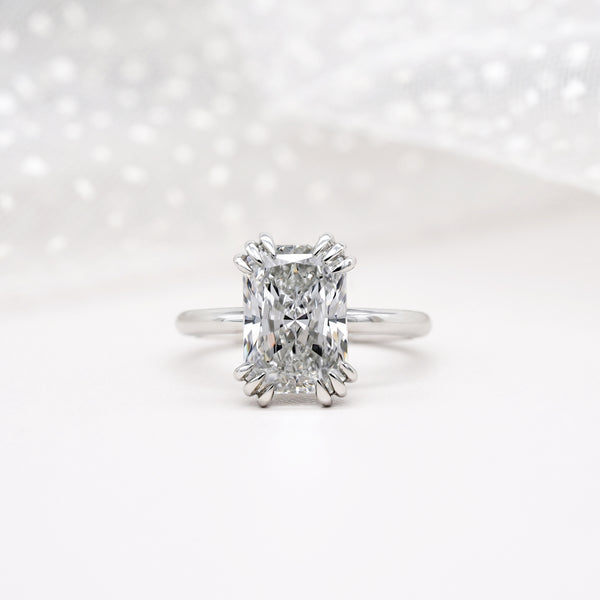
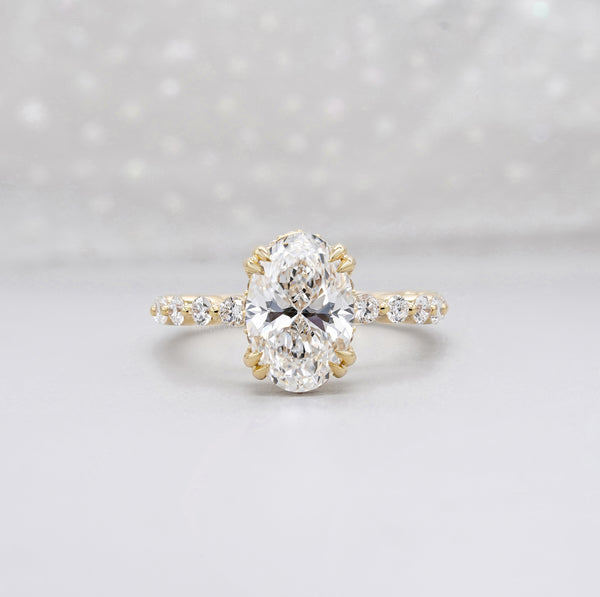
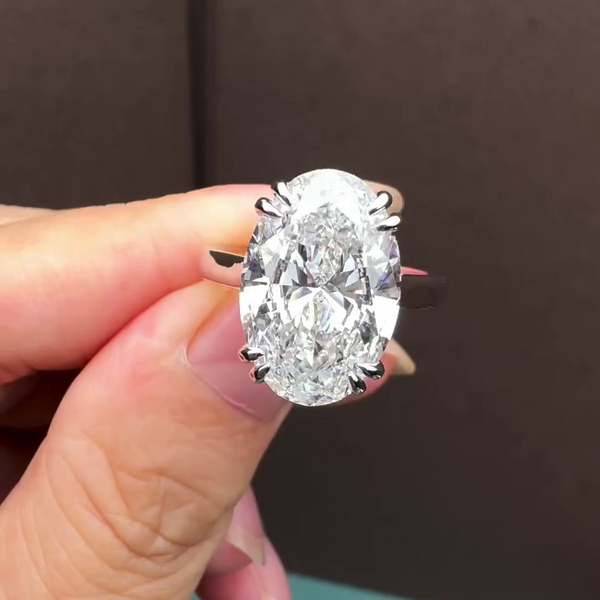
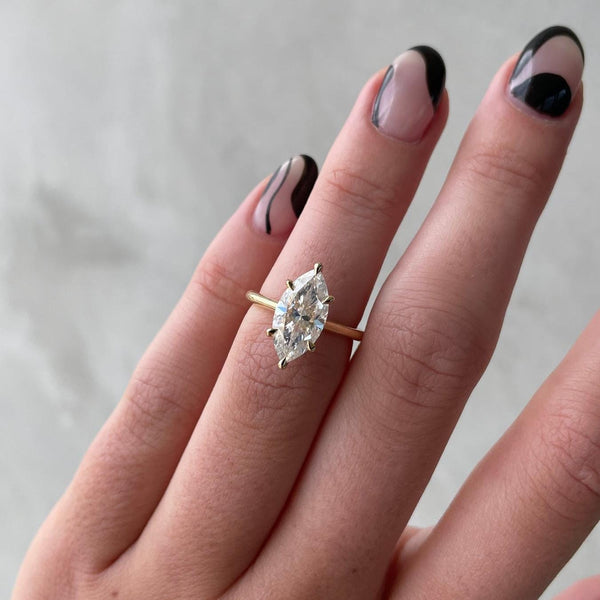
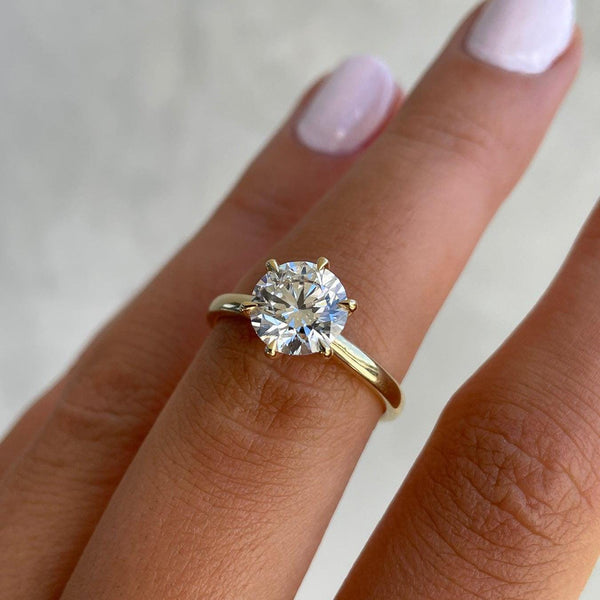
Claw prongs, also known as talon prongs, are designed with a pointed tip that curves slightly over the diamond. They resemble delicate claws gripping the stone, which is where the name comes from.
This style has become increasingly popular in modern engagement rings, especially in high-end and custom designs.
Benefits of Claw Prongs
1. Maximum Diamond Visibility : Claw prongs are slimmer and more refined than traditional prongs. Because of this, they cover very little of the diamond’s surface, allowing more of the stone to be seen.
2. Enhanced Sparkle : Less metal means more light enters the diamond. This increases brilliance and fire, making the stone appear more vibrant.
3. Makes the Diamond Look Bigger : Since claw prongs are less noticeable, the diamond visually dominates the setting. This creates the illusion of a larger stone.
4. Elegant and High-End Look : Claw prongs are often associated with luxury designs. They give rings a refined, delicate, and slightly dramatic appearance.
5. Ideal for Fancy Shapes : Claw prongs work exceptionally well with shapes like oval, pear, marquise, and cushion cuts, where precise placement enhances the stone’s silhouette.

Considerations for Claw Prongs
1. Requires More Maintenance : Because claw prongs are thinner and more delicate, they can wear down faster over time. Regular inspections are important.
2. Potential Snagging: If not properly finished, the pointed tips can catch on clothing or hair.
3. Craftsmanship Matters : Claw prongs need to be perfectly shaped and polished. Poor workmanship can lead to discomfort or reduced security.
4. Slightly Less Durable : Compared to round prongs, claw prongs are more vulnerable to bending or damage if the ring is hit against hard surfaces.
What Are Round Prongs?
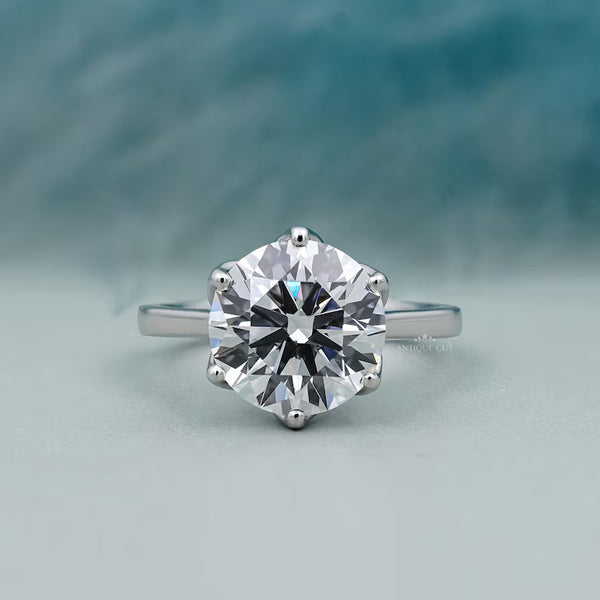
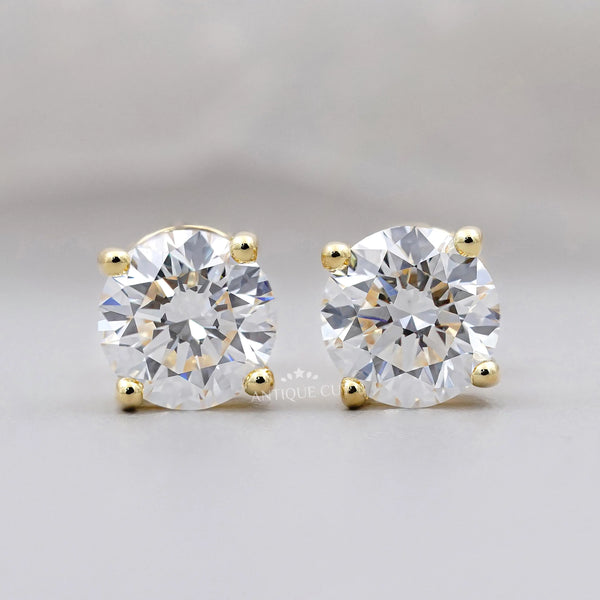
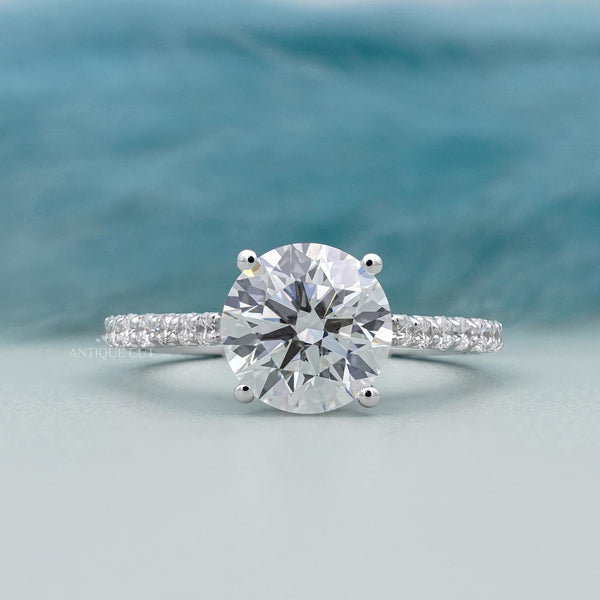
Round prongs are the traditional choice in prong settings. They feature smooth, rounded tips that gently secure the diamond, making them a perfect match for vintage-inspired styles like an old mine cut lab diamond ring.
This style has been used for decades and remains one of the most trusted and widely preferred options for engagement rings.


Benefits of Round Prongs
1. Superior Durability : Round prongs are thicker and sturdier than claw prongs. This makes them more resistant to wear and tear.
2. Better for Everyday Wear : Their smooth edges make them less likely to snag on clothing, making them ideal for daily use.
3. Secure Hold : Round prongs provide a strong grip on the diamond, reducing the risk of loosening over time.
4. Classic Appeal : They offer a timeless look that never goes out of style. Perfect for those who prefer traditional designs.
5. Low Maintenance : Compared to claw prongs, round prongs typically require less frequent upkeep.

Considerations for Round Prongs
1. More Visible Metal : Round prongs are slightly bulkier, so they cover more of the diamond.
2. Less Dramatic Look : They don’t create the sharp, refined appearance that claw prongs offer.
3. Slight Impact on Perceived Size : Because they cover more surface area, the diamond may appear marginally smaller.
Key Differences Between Claw and Round Prongs
Claw Prongs vs Round Prongs
| Feature | Claw Prongs | Round Prongs |
|---|---|---|
| Appearance | Sharp, pointed tips with a sleek, modern feel | Smooth, rounded tips with a classic look |
| Diamond Visibility | Minimal metal, shows more of the diamond | Covers slightly more of the diamond |
| Sparkle | Maximum light exposure, higher brilliance | Slightly reduced light exposure (minimal difference) |
| Perceived Size | Makes diamond appear larger | Diamond may appear slightly smaller |
| Durability | More delicate, needs care | Stronger and more durable |
| Security | Secure if well-crafted, needs checks | Very secure for long-term wear |
| Comfort | Can feel sharp if poorly finished | Smooth and comfortable |
| Snagging Risk | Higher chance of snagging | Low snagging risk |
| Maintenance | Requires regular inspection | Low maintenance |
| Best For | Fancy shapes & modern designs | Round diamonds & classic styles |
| Lifestyle Fit | Occasional wear / careful use | Daily wear / active lifestyle |
How Prong Choice Affects Different Diamond Shapes
Your choice between round prongs vs claw prongs can also depend on the shape of your diamond.
Round Brilliant Cut
- Round prongs are most common
- Claw prongs can add a modern twist
Oval Cut
- Claw prongs enhance the elongated shape
- Make the diamond appear larger
Pear Shape
- Claw prongs protect the pointed tip while maintaining elegance
Marquise Cut
- Claw prongs highlight the sharp ends beautifully
Cushion Cut
- Both styles work well depending on design preference
Lifestyle Considerations: Which One Fits You Best?
When deciding between claw prongs vs round prongs, your lifestyle matters just as much as aesthetics.
Choose Claw Prongs If:
- You prioritize maximum sparkle and diamond visibility
- You want a refined, high-end designer look
- You’re comfortable with occasional maintenance
- You wear your ring with care in daily use
Choose Round Prongs If:
- You live an active lifestyle and need durability
- You want a secure, long-lasting setting
- You prefer low-maintenance jewelry
- Comfort for everyday wear is your priority
Cost and Maintenance Comparison
Another important factor in the claw vs round prongs debate is long-term cost.
Claw Prongs
- May require re-tipping sooner
- Slightly higher maintenance cost over time
- Worth it for aesthetics
Round Prongs
- Lower maintenance costs
- Longer lifespan before repair
- Better for long-term practicality
Expert Tips Before You Choose
Here are a few practical tips to help you make the right decision:
- Always check prong symmetry and finishing
- Ensure prongs are evenly placed and secure
- Ask your jeweler about maintenance frequency
- Consider trying both styles in person
- Think long-term, not just initial appearance
Final Thoughts
The choice between claw prongs vs round prongs ultimately comes down to your priorities.
If you want a sleek, modern ring that maximizes diamond visibility, claw prongs are an excellent choice. They elevate the overall look and make your stone stand out beautifully.
If you prefer durability, comfort, and timeless design, round prongs are the safer and more practical option.
Both styles are beautiful in their own way. The key is choosing what fits your lifestyle, taste, and how you plan to wear your ring every day.
Read Also
What does gold plated mean?Frequently Asked Questions
Are claw prongs better than round prongs?
Neither is universally better. Claw prongs are more aesthetic-focused, while round prongs prioritize durability.
Do claw prongs make diamonds look bigger?
Yes, because they use less metal, making the diamond appear larger.
Which prong type is more secure?
Round prongs are generally more secure due to their thickness and strength.
Do claw prongs snag easily?
They can, especially if not properly finished, but high-quality craftsmanship minimizes this issue.
Can I switch from round prongs to claw prongs later?
In many cases, yes. A jeweler can modify the setting, depending on the ring design.


