


The precious stone citrine is a warm, golden-yellow gemstone that belongs to the quartz family. Known for its bright, sun-like glow, citrine has long been associated with positivity, wealth, and success.
Often referred to as the “merchant’s stone,” citrine is believed to attract prosperity and good fortune. Unlike many gemstones, citrine is widely available, making it a popular choice for both everyday jewelry and meaningful gifts.
Citrine Stone Meaning
The citrine stone meaning is deeply tied to energy, abundance, and positivity. Historically, it has been linked with:
- Wealth and financial success
- Joy and emotional balance
- Confidence and personal power
- Creativity and clarity
In many cultures, citrine is seen as a stone that carries the energy of the sun. It is believed to uplift mood and remove negative energy, making it a favorite among those who value both beauty and symbolism.
Citrine Stone Benefits
The citrine stone benefits go beyond aesthetics. Many people wear citrine for its believed emotional and spiritual effects.
Key Benefits of Citrine Stone
| Benefit Type | Description |
|---|---|
| Emotional Balance | Helps reduce stress and negative thoughts |
| Wealth Attraction | Associated with prosperity and financial growth |
| Confidence Boost | Encourages self-belief and motivation |
| Energy Cleansing | Believed to remove negative energy |
| Creativity | Supports fresh ideas and mental clarity |
While these benefits are not scientifically proven, citrine remains popular in wellness and spiritual practices.
What Is the Color of Citrine Stone?
If you’re wondering, what is the color of citrine stone, the answer is simple but varied.
Citrine typically appears in shades of:

The most valuable citrine stones usually have a rich, deep golden hue with excellent clarity.
How to Choose the Best Citrine Stone
When selecting a citrine stone, focusing on a few key factors can help you make a better choice, especially if you’re planning to use it in fine jewelry like engagement rings with hidden halo settings where detail and brilliance really matter:
Color:
Look for a rich, warm golden tone. The best stones have a balanced color that isn’t too pale or too dark, giving them a lively and attractive appearance.
Clarity:
Choose a stone that appears clean to the eye. High-quality citrine usually has minimal inclusions, which allows more light to pass through and enhances its shine.
Cut:
Pay attention to how the stone is shaped. Popular cuts like oval, cushion, and emerald are designed to maximize brilliance and bring out the natural glow of citrine.
Origin:
Understand whether the stone is natural or heat-treated. Natural citrine is rarer, while heat-treated stones are more widely available and often more affordable, without compromising on beauty.
Overall Appearance:
Always look at how the stone appears as a whole. A well-balanced combination of color, clarity, and cut will stand out more than focusing on just one factor.
Citrine Stone Price Guide
Understanding the price of a citrine stone helps you make a smarter purchase, especially if you're comparing different qualities or ring designs.
Price Per Carat
Citrine is one of the more affordable gemstones. On average:
- Lower quality: $5–$15 per carat
- Medium quality: $15–$40 per carat
- High-quality natural citrine: $40–$100+ per carat
Large stones are quite common with citrine, so size doesn’t increase the price as sharply as it does with diamonds or sapphires.
Natural vs Heat-Treated Price Difference
There’s a noticeable difference between natural citrine and heat-treated stones:
- Natural citrine is rarer and tends to be more expensive
- Heat-treated citrine (usually from amethyst) is widely available and more budget-friendly
Most citrine in the market today falls into the heat-treated category, and while it still looks beautiful, collectors often prefer natural stones.
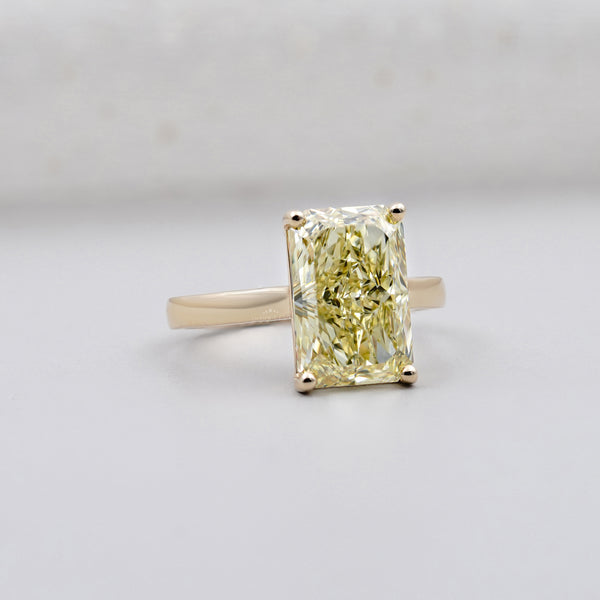
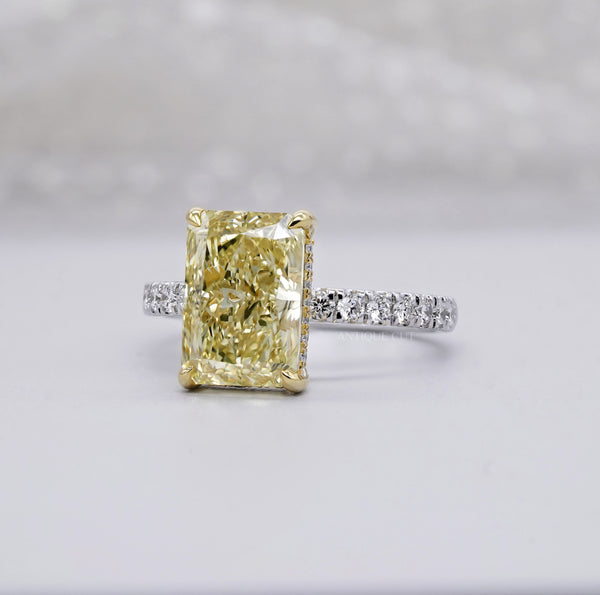
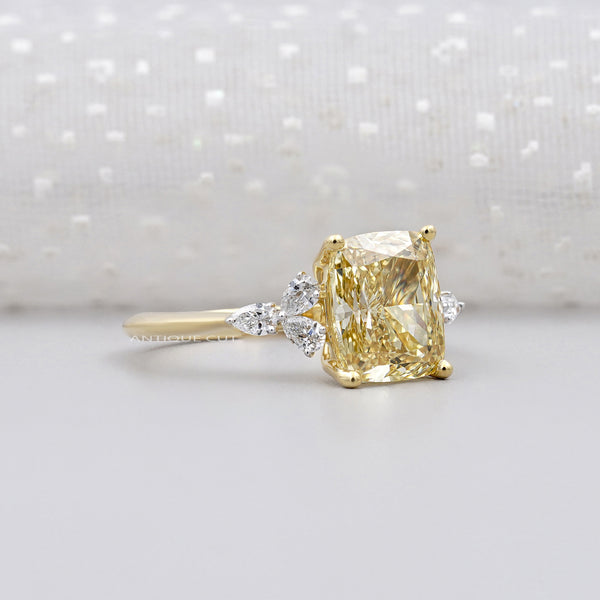
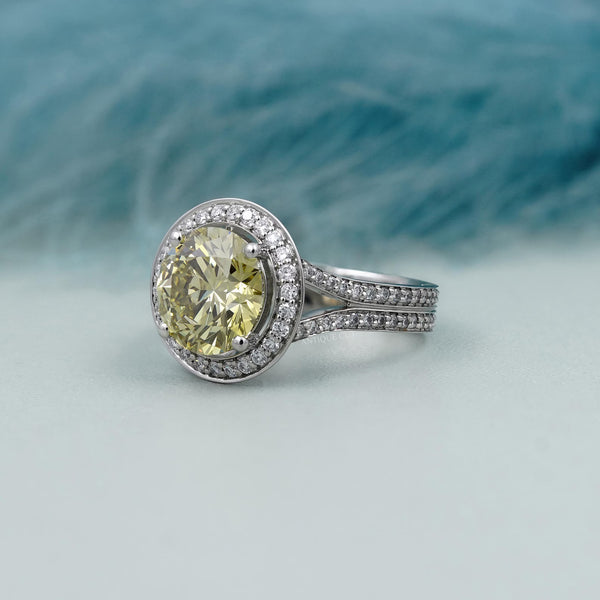
Why Some Citrine Looks Cheap
If you come across citrine that feels unusually inexpensive, there’s usually a reason:
- Color is too pale or too dark
- Stone lacks clarity or brilliance
- It’s heavily heat-treated with a burnt orange tone
- Poor cutting that reduces sparkle
A good citrine should have a warm, rich glow, not a dull or overly brownish look.
Citrine Stone for Ring: Is It a Good Choice?
Yes, choosing a citrine stone for ring designs is a great option, especially if you want something unique yet affordable.
Why Citrine Works Well for Rings
- Durable enough for occasional daily wear
- Eye-catching warm color
- Affordable compared to diamonds or sapphires
- Symbolic meaning (wealth, happiness)
However, citrine ranks around 7 on the Mohs hardness scale, so it should be handled with care to avoid scratches.
Gold Ring with Citrine Stone
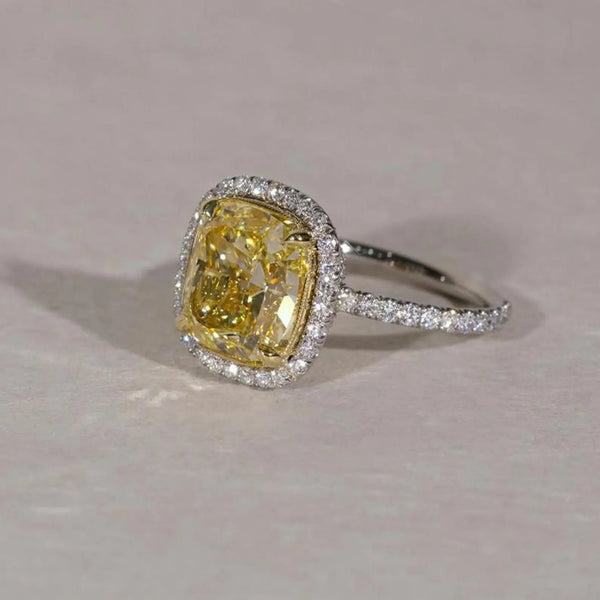
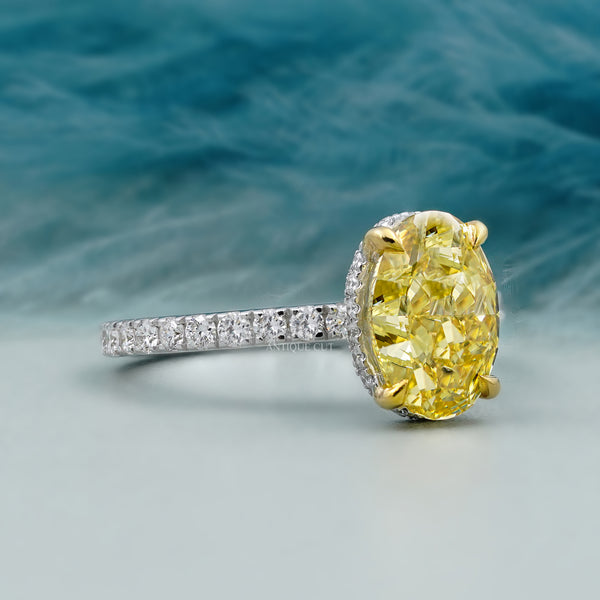
A gold ring with citrine stone is one of the most popular jewelry choices. The warm tones of gold perfectly complement the yellow-orange hues of citrine.
Popular Styles
- Solitaire citrine rings
- Vintage-inspired gold settings
- Halo designs with diamonds
- Minimal modern bands
Yellow gold enhances citrine’s natural glow, while white gold offers a more modern contrast.
How to Identify Real Citrine Stone
Buying citrine can feel confusing at first, but a few simple checks make it easier.
Natural citrine is rare
Most stones on the market aren’t naturally formed citrine. That doesn’t make them fake, but it’s worth knowing if you’re paying a higher price.
Most citrine is heat-treated
Many citrine stones start as Amethyst and are heated to achieve a yellow or orange color. This is common in the industry.
Color clues matter
- Natural: light yellow to soft golden
- Heat-treated: deeper orange or reddish tones
- Very dark or “burnt” shades often indicate treatment
Natural stones usually have a softer, more even color.
Who Should Wear Citrine Stone
Citrine suits a wide range of people, especially those drawn to its warm, uplifting feel. Many people exploring gemstone jewelry through antiquecut collections are often attracted to citrine for both its beauty and meaning.
Zodiac signs
Often associated with Sagittarius, Pisces, and sometimes Leo, especially for boosting confidence and creativity.
For wealth and confidence
Known as the “merchant’s stone,” citrine is often chosen by people focused on growth, success, and better decision-making.
For business owners
Many entrepreneurs wear or keep citrine as a symbol of steady income and positive energy.
Who Should Not Wear Citrine Stone?
The question who should not wear citrine stone often comes up in astrology and gemstone beliefs.
While citrine is generally considered safe and beneficial, some traditions suggest avoiding it if:
- You are overly aggressive or impulsive (it may amplify energy)
- Your astrological chart conflicts with Jupiter-related stones
- You prefer calming stones like moonstone or amethyst instead
That said, there are no strict rules. Most people can wear citrine without any issues.
Are Citrine and Amethyst the Same Stone?
A common question is: are citrine and amethyst the same stone?
The answer is both yes and no.
Key Differences
| Benefit Type | Description |
|---|---|
| Emotional Balance | Helps reduce stress and negative thoughts |
| Wealth Attraction | Associated with prosperity and financial growth |
| Confidence Boost | Encourages self-belief and motivation |
| Energy Cleansing | Believed to remove negative energy |
| Creativity | Supports fresh ideas and mental clarity |
Both are part of the quartz family, and interestingly, some citrine stones are actually heat-treated amethyst.
Final Thoughts
The precious stone citrine is a perfect blend of beauty, meaning, and affordability. Whether you’re drawn to its warm glow, symbolic benefits, or versatility in jewelry, citrine is a gemstone that suits many styles and personalities.
From understanding the citrine stone meaning to exploring citrine stone benefits and choosing the perfect gold ring with citrine stone, this gem offers something for everyone.
If you’re looking for a gemstone that feels both luxurious and uplifting, citrine is definitely worth considering.
FAQ
Is citrine a birthstone?
Yes, citrine is the birthstone for November. It’s often given as a gift for birthdays during this month.
Can citrine be worn daily?
It can be worn regularly, but not ideal for rough daily use. Occasional wear is better to maintain its shine and avoid scratches.
Does citrine fade over time?
Yes, prolonged exposure to strong sunlight can cause the color to fade slightly. It’s best to store it away from direct light when not in use.
Is citrine lucky?
Citrine is widely considered a lucky stone, especially in terms of money and success. Many people wear it as a symbol of positivity and growth.
What is citrine stone meaning in astrology?
The citrine stone meaning in astrology is linked to prosperity, confidence, and growth. It is often associated with the planet Jupiter and is believed to support financial stability and personal development.
Is a gold ring with citrine stone good for engagement?
A gold ring with citrine stone can be a unique and meaningful engagement ring choice. It stands out due to its warm color and symbolizes happiness and prosperity, though it is softer than diamonds.
What is the color of citrine stone in natural form?
If you're wondering what is the color of citrine stone, it ranges from pale yellow to deep golden and orange hues. The most valuable stones typically have a rich golden color.
Is citrine a natural or treated gemstone?
Citrine can be both natural and heat-treated. Natural citrine is rare, while most stones in the market are heat-treated amethyst that achieve a similar golden color.
Which finger should I wear a citrine stone ring on?
Traditionally, citrine rings are worn on the index finger of the right hand, especially in astrology. However, you can wear it on any finger based on comfort and style.


