


For years, many believed that mixing metals was a style mistake. Gold was paired with gold, silver with silver, and anything else felt out of place. Today, that idea has shifted. Personal style now leans toward expression rather than strict rules, and wearing gold and silver together has become a thoughtful way to create contrast, depth, and individuality.
So, can you wear mixed metals? Yes—and not only is it acceptable, it can elevate your entire look when done right. This guide explores everything you need to know, from benefits and styling techniques to choosing between metals and building a cohesive jewellery collection.
Understanding the Shift in Jewellery Styling
Jewellery trends have evolved alongside fashion. Where once coordination meant uniformity, now it reflects balance and intention. Mixing metals allows you to combine pieces that hold meaning rather than limiting yourself to one tone.
The rise of curated jewellery stacks, layered necklaces, and mixed-tone watches has contributed to this shift. People are no longer asking if they should mix metals—they are learning how to do it well. For those looking for an affordable yet luxurious option, lab grown engagement rings under $1000 offer a sustainable and stylish choice, aligning perfectly with the trend of mixing metals without breaking the bank.
Can You Wear Mixed Metals?
Breaking the Old Myth
Yes, you can wear mixed metals—and it works across all jewellery categories:
- Rings
- Necklaces
- Bracelets
- Earrings
- Watches
The key is not simply combining gold and silver randomly, but ensuring the overall look feels connected.

Why It Works
Gold brings warmth, while silver offers a cooler tone. When combined thoughtfully, they create visual contrast that enhances both metals rather than competing.
Benefits of Wearing Gold and Silver Together
1. Greater Versatility
Mixing metals allows you to wear more of your collection without worrying about matching tones. You are not restricted to one category of jewellery.
2. Adds Depth to Your Look
A single metal can sometimes feel flat. Combining gold and silver creates layers that make your jewellery stand out more naturally.
3. Effortless Transition Between Occasions
Mixed metals work well in both casual and formal settings. A simple combination of a gold chain with a silver bracelet can adapt across different outfits.
4. Enhances Personal Style
It reflects confidence in styling choices. Rather than following strict coordination, it shows a more curated approach.
5. Works With Any Outfit
Mixed metals pair well with different fabrics, colors, and textures. Whether your outfit leans warm or cool, your jewellery will still complement it.
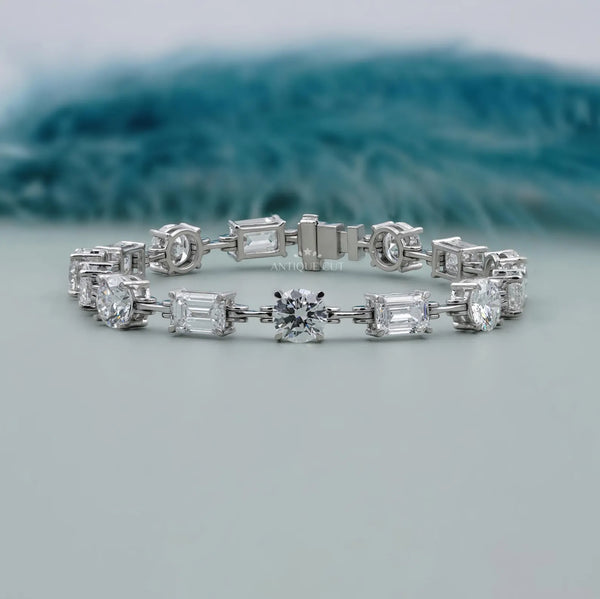


How to Wear Gold and Silver Together the Right Way
Start With a Dominant Metal
Choose gold or silver as your base. Let the other metal act as a complement.
Example: Gold necklace + subtle silver bracelet
Balance Your Pieces
Spread both metals across your look instead of clustering them.
Gold rings + silver watch / Silver necklace + gold earrings
Use a Bridge Piece
Add a two-tone item (ring, watch, or pendant) to connect both metals.
Layer Smartly
Mix lengths and thickness:
- Short silver chain + mid gold chain + mixed pendant
- Thin silver bangle + gold bracelet
Match the Finish
Keep finishes consistent—matte with matte, polished with polished.
Consider Skin Tone
- Warm undertones: gold-dominant
- Cool undertones: silver-dominant
Keep It Intentional
Repeat both metals across your look so it feels balanced and connected.
What’s Better: Silver or Gold Jewellery?
Understanding the Difference
The idea of one metal being better than the other is often misunderstood. In reality, the choice between gold and silver jewellery depends on your personal style, daily routine, and how you prefer to present yourself. Both metals offer distinct characteristics, and the right option is the one that aligns naturally with your wardrobe and lifestyle.
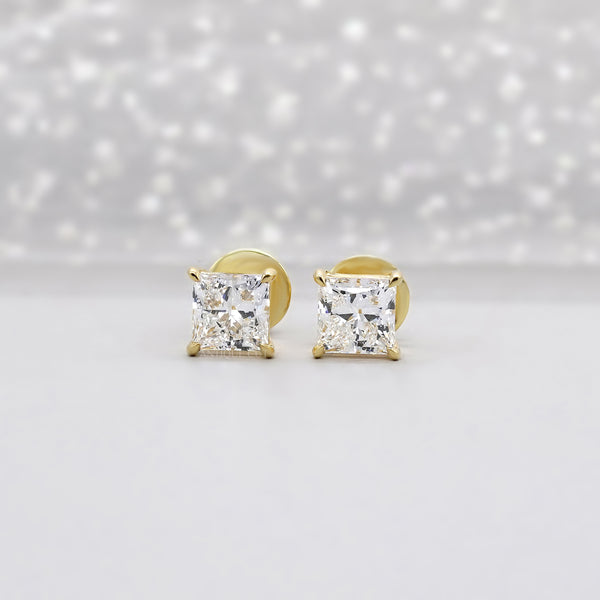
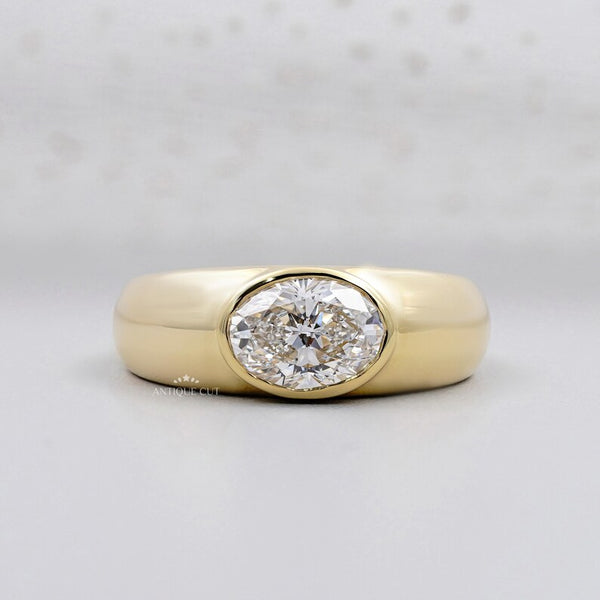
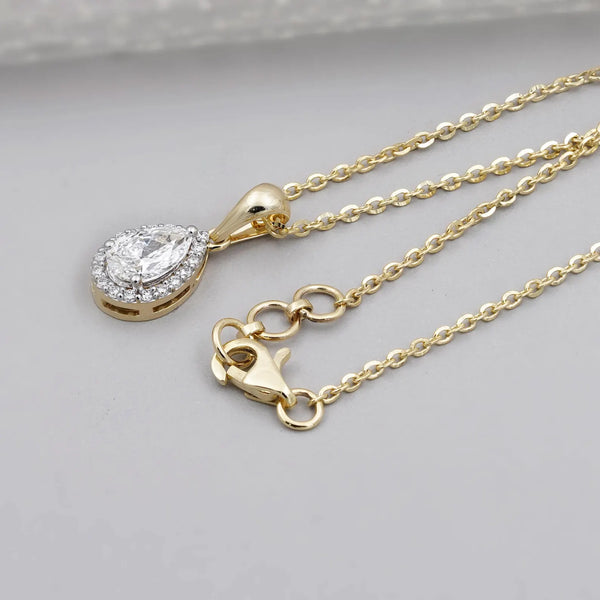
Gold Jewellery: A Warmer, Traditional Option
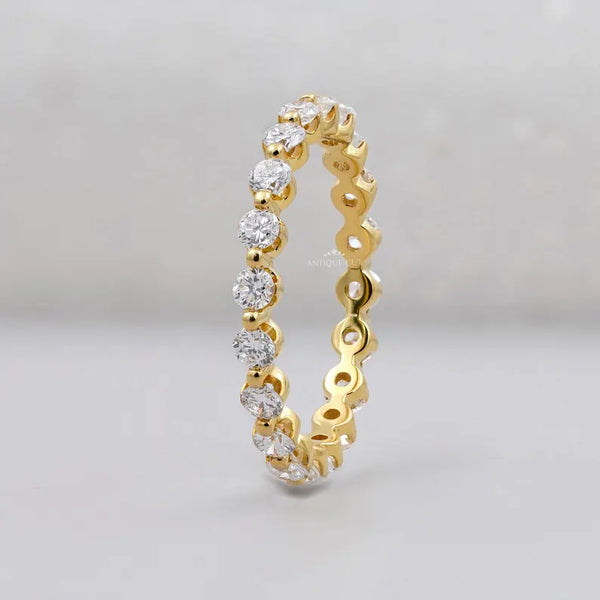
Gold jewellery carries a warmer tone that tends to feel rich and more traditional in appearance. It is often chosen for formal settings or occasions where a more classic look is preferred. When alloyed, gold becomes durable enough for regular wear, making it suitable for rings, necklaces, and long-term pieces. It also pairs well with earthy shades and warmer color palettes, enhancing depth in an outfit.
Silver Jewellery: Clean, Cool, and Understated
Silver jewellery, on the other hand, has a cooler tone that gives it a clean and understated presence. It is commonly associated with minimal styling and works well for everyday wear. Silver is generally more accessible in price, making it easier to build a versatile collection. It complements cooler shades, neutral outfits, and modern wardrobes that lean toward simplicity.
Rather than choosing one over the other, many people find that combining both metals offers greater flexibility. This approach allows you to adapt your jewellery to different outfits and occasions without being limited to a single tone.
When Mixing Metals Works Best
Everyday Wear
Simple combinations like a gold ring with a silver bracelet create a relaxed yet styled appearance.
Office Settings
Keep it subtle:
- Thin gold chain
- Small silver studs
This maintains a refined look without drawing too much attention.
Special Occasions
Go slightly bolder:
- Layered necklaces
- Mixed metal statement rings

Common Mistakes to Avoid
1. Overloading One Area
Too many mixed pieces in one spot can look cluttered.
2. Ignoring Proportion
Delicate pieces paired with very heavy ones can feel mismatched.
3. No Visual Connection
If gold appears only in one place and silver only in another, the look may feel disconnected.
4. Mixing Too Many Styles
Stick to a consistent design language—minimal, vintage-inspired, or structured.
Balance is still key.
Why Mixed Metals Are Here to Stay
Fashion trends may shift, but the move toward flexible styling continues to grow. Mixing metals aligns with modern preferences:
- Personal expression over rules
- Practical styling
- Versatile wardrobe choice
It reflects how people actually wear jewellery today—combining pieces collected over time rather than matching sets.
Can You Wear Gold and Silver Together Every Day?
Yes, and many people do. The key is comfort and consistency. Once you find combinations that suit your style, they can become part of your daily look.
A Refined Approach to Mixed Metals
For those building a jewellery collection, incorporating both metals creates long-term versatility. Many curated collections today—especially those from brands like Antiquecut—focus on adaptable designs that work across different tones and styles.
A simple way to include this approach is to introduce one mixed-metal piece into your existing collection and build around it gradually.
Final Thoughts
So, can you wear gold and silver together? Absolutely. The key lies in balance, intention, and understanding how different elements work together.
Rather than following outdated rules, focus on creating combinations that feel natural to you. Start small, experiment with layering, and build a collection that reflects your personal style.
Mixed metals are not about breaking rules—they are about creating harmony between contrast.
FAQ:
1. Is it okay to wear gold and silver together?
Yes, it’s absolutely okay! Mixing gold and silver can create a unique, stylish look when done thoughtfully. The contrast between the two metals can enhance your overall appearance.
2. How do I style gold and silver together?
Start with a dominant metal and balance the second one through layering. For example, pair a gold necklace with silver bracelets or mix rings of both metals. Keep the pieces proportional and intentional.
3. Can mixing metals work for everyday wear?
Yes! Gold and silver mixed jewellery works well for daily wear, offering a versatile, chic look without being overly flashy. Simple, elegant pieces in both metals can complement any outfit.
4. What is the best way to wear gold and silver without looking mismatched?
To avoid a mismatched look, focus on consistency in design and spread the metals evenly throughout your jewellery. Using a bridge piece—like a two-tone ring or watch—can help tie everything together.
5. Should I mix metals for formal occasions?
Absolutely! Mixing metals can work wonderfully for formal events when styled carefully. For a refined look, combine subtle, elegant gold and silver pieces, such as a thin gold bracelet and silver earrings.
6. What’s better, gold or silver jewellery?
It depends on your personal style. Gold gives a warmer tone, while silver offers a cooler, sleeker look. Many people mix both metals for a balanced, versatile jewellery collection.
7. Can I wear gold and silver jewellery if they have different finishes?
Yes, mixing different finishes—like matte with polished—can add texture and dimension to your jewellery. Just make sure to balance it to avoid visual chaos.
8. How do I mix gold and silver jewellery in a way that’s trendy?
Layering and stacking is a trendy way to mix metals. Try stacking gold and silver rings or layering necklaces of varying lengths. The key is to create harmony between the pieces.


