


Choosing the right cut is one of the most important decisions when buying a 2.3 Carat Diamond. At this size, the diamond has a noticeable presence, so cut quality can strongly affect how large, bright, and well proportioned it appears. Although carat refers to weight, cut determines how effectively the stone handles light and how attractive its overall shape looks.
A 2.3 carat diamond can be found in several shapes, including round, oval, cushion, pear, emerald, radiant, and princess. Each shape distributes its weight differently, meaning two diamonds with the same carat weight can have different face up sizes. For many buyers, the ideal choice comes down to balancing cut quality, proportions, shape, personal style, and budget.
If you are comparing 2.3 carat diamonds or considering a 2.3 carat diamond ring, understanding cut is especially useful. Antiquecut can also help shoppers explore diamond and jewelry options based on their preferred shape and design.
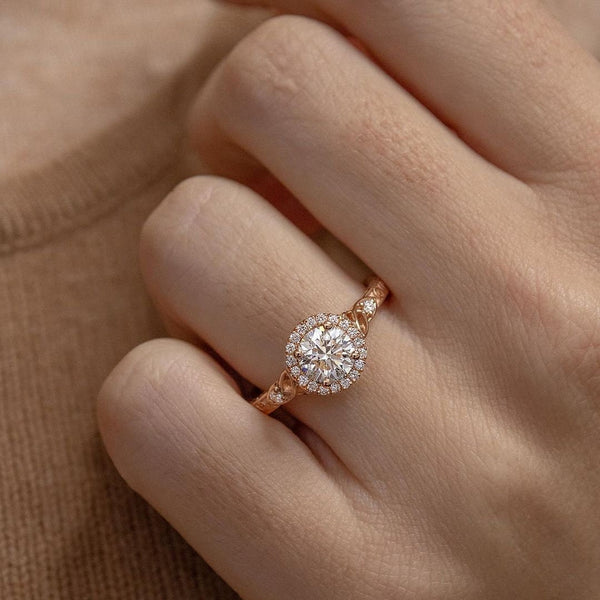
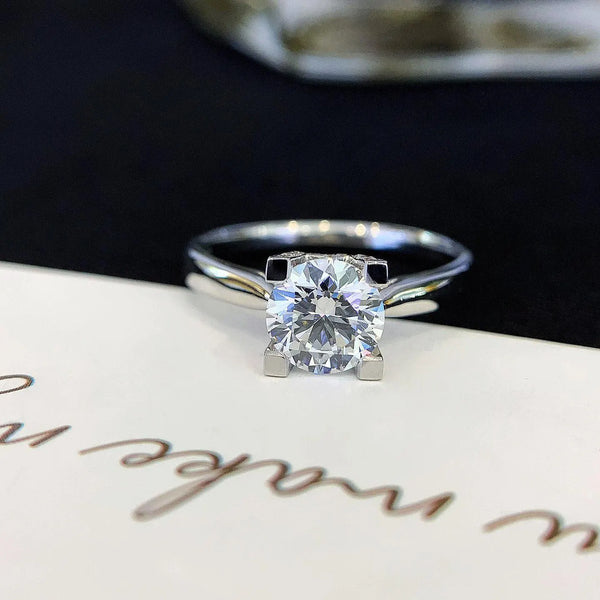
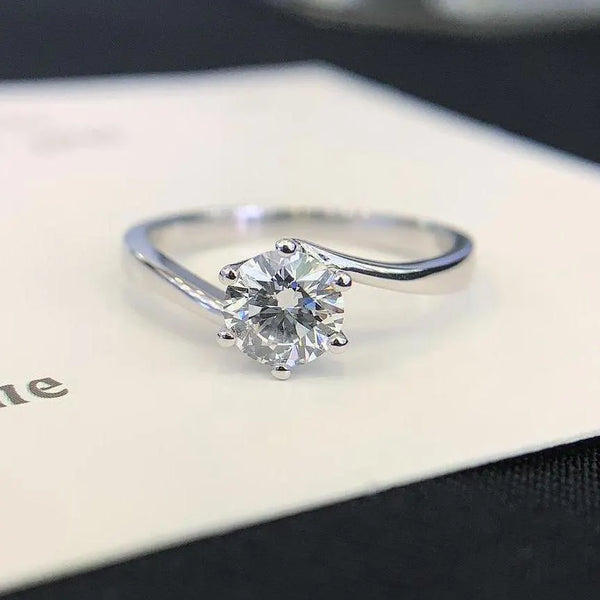
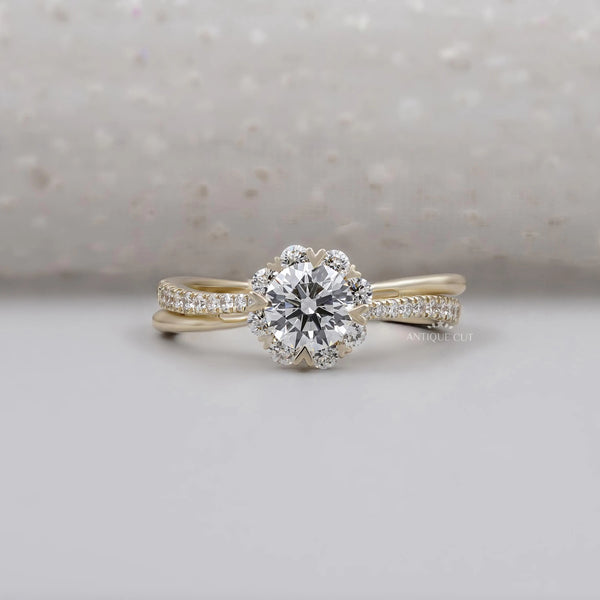
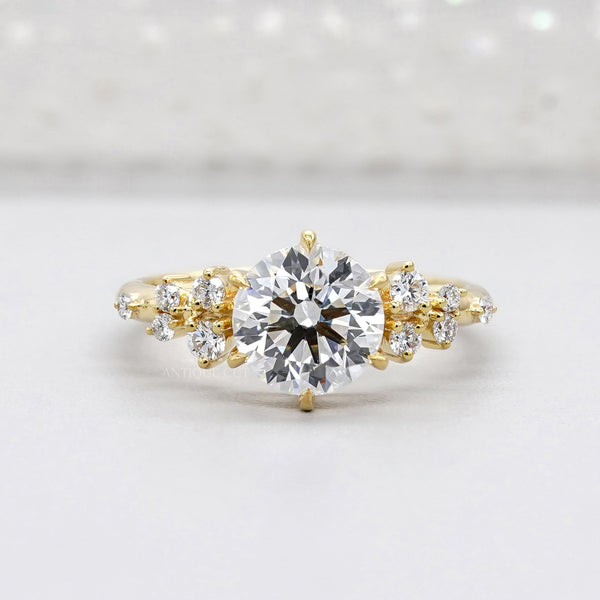
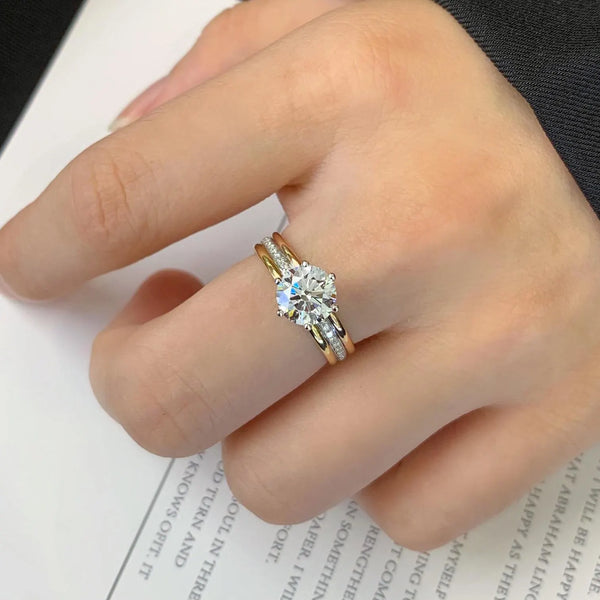
What Makes a Cut Ideal for a 2.3 Carat Diamond?
The ideal cut for a 2.3 Carat Diamond depends partly on its shape. For a round brilliant, cut quality is particularly important because the facet arrangement is designed to return light efficiently. Look for excellent proportions, strong symmetry, and high polish when comparing round stones. A well cut round diamond can have strong visual impact without relying only on its weight.
For fancy shapes, there is no single cut grade that applies in exactly the same way. Oval, pear, cushion, radiant, and emerald diamonds require closer attention to their individual proportions. For example, an oval diamond may appear longer and larger across the finger, while an emerald cut emphasizes clarity because its broad, open facets can make inclusions easier to notice.
Depth and table percentages are also worth checking. Excessive depth can hide weight beneath the setting and make a diamond appear smaller from above. Excessive shallowness can affect light performance. Rather than choosing a diamond based on carat weight alone, compare its measurements, proportions, symmetry, polish, and appearance from the top.
Why Cut Quality Matters Most for a 2.3 Carat Diamond

Carat weight measures physical mass (1 carat = 200 milligrams), but cut quality dictates how that mass is distributed.
If a 2.3 carat diamond is cut too deep, much of its weight remains hidden at the bottom (the pavilion), making the diamond look smaller than its actual weight. Conversely, if it is cut too shallow, light leaks out through the bottom, causing the stone to appear dull, dark, or lifeless.
Proper cut proportions ensure that light entering through the top (table) bounces inside the diamond and reflects directly back up to your eye.
Which Diamond Shape Works Best at 2.3 Carats?
A round brilliant is a strong option for buyers who prioritize light performance and traditional proportions. At 2.3 carats, a well cut round can create a substantial center stone appearance. Because round diamonds are highly standardized, it is easier to compare measurements and grading information across different stones. Buyers should still examine each individual diamond because carat weight alone does not guarantee a desirable appearance.
Oval diamonds are another popular choice for a 2.3 carat diamond ring because their elongated outline can create a larger-looking appearance on the finger. Pear and marquise shapes can provide a similar lengthening effect. Cushion and radiant diamonds offer broader outlines, while emerald cuts have long, clean facets that create a distinctly different visual effect.
When comparing a 2-3 carat diamond, it can help to consider finger coverage rather than weight alone. A 2.3 carat oval may look longer than a 2.3 carat round, while a deep cut stone may look smaller despite having the same weight. Your preferred setting also matters because prongs, halo designs, band width, and metal color can change how the center stone looks.
How to Choose the Right 2.3 Carat Diamond

Start by deciding which shape best matches your preferences and ring design. Then compare several diamonds within that shape rather than selecting the first stone with the desired carat weight. Examine the laboratory grading report for details about color, clarity, measurements, polish, symmetry, and other characteristics. For a 2.3 Carat Diamond, small differences in proportions can create noticeable differences in appearance.
Clarity is another factor to consider. Higher clarity is not automatically necessary if a diamond appears clean to the unaided eye. Depending on the shape, location, and type of inclusions, a VS or SI diamond may offer a good balance between appearance and price. Step-cut shapes such as emerald diamonds often require more attention to clarity because their larger facets can make internal characteristics easier to see.
Finally, compare the complete ring rather than evaluating the center stone in isolation. A 2.3 carat diamond can look different depending on the setting, band thickness, prong style, and metal. If you are shopping for a lab grown diamond ring, Antiquecut offers options for buyers who want to explore larger center stones and custom jewelry designs. The best choice is the diamond that provides the proportions, appearance, and design you personally prefer.
Design Your Own Jewelry with Antiquecut
Final Thoughts
The ideal cut for a 2.3 Carat Diamond is not determined by weight alone. Shape, proportions, symmetry, polish, measurements, and light performance all contribute to the final appearance. Round brilliant diamonds offer a highly standardized option, while oval, pear, cushion, radiant, and emerald shapes provide different visual proportions.
When comparing 2.3 carat diamonds, focus on how each stone looks from the top and how it works with your intended setting. A well proportioned 2.3 carat stone can provide strong finger coverage without requiring you to move up to a 3 carat diamond.
Recommended Specifications for a 2.3 Carat Diamond Ring
To optimize your budget while maintaining high optical performance, consider these target specifications alongside an Excellent or Ideal cut:
- Cut Grade: GIA Excellent or AGS Ideal
- Color: G to I (G or H for Cushion and Oval cuts; H or I for Round cuts)
- Clarity: VS2 to SI1 (Ensure it is eye clean, meaning no visible flaws to the naked eye)
- Symmetry: Excellent or Very Good
- Polish: Excellent or Very Good
- Fluorescence: None to Faint
Frequently Asked Questions About a 2.3 Carat Diamond
1. What is the ideal cut for a 2.3 carat diamond?
For a 2.3 Carat Diamond, an Excellent or Ideal cut is generally preferred, especially for round brilliant diamonds. For fancy shapes, we should evaluate proportions, symmetry, face up dimensions, and light performance individually.
2. How big does a 2.3 carat diamond look?
A 2.3 carat round diamond typically measures around 8.6-8.7 mm in diameter. The visible size varies by shape because different cuts distribute carat weight differently.
3. Is a 2.3 carat diamond a good size for an engagement ring?
Yes. A 2.3 carat diamond ring provides substantial center-stone presence while offering many options for solitaire, halo, three stone, and other settings.
4. What clarity is best for a 2.3 carat diamond?
VS1 and VS2 are often good choices for a 2.3 carat diamond because they can provide an eye clean appearance without requiring the highest clarity grade. Each diamond should still be evaluated individually.
5. What color grade is best for a 2.3 carat diamond?
G-H color can provide a strong balance between visual whiteness and value. D-F grades offer higher color grades, while the best choice also depends on the diamond shape and ring metal.
6. Is a 2.3 carat diamond much bigger than a 2 carat diamond?
A 2.3 carat diamond is heavier, but the visual difference depends on its measurements and shape. For round diamonds, 2.3 carats typically has a diameter of about 8.6-8.7 mm, compared with roughly 8.1-8.2 mm for 2 carats.
7. How does a 2.3 carat diamond compare with a 3 carat diamond?
A 3 carat diamond is noticeably larger in both weight and face up dimensions than a 2.3 carat diamond. However, the difference in visible size depends on the shape, depth, and proportions of each stone.
8. Which diamond shape looks largest at 2.3 carats?
Elongated shapes such as oval, pear, and marquise can provide greater length and finger coverage compared with a round diamond of the same weight. Actual dimensions should always be checked before purchasing.
9. Does cut quality affect the appearance of a 2.3 carat diamond?
Yes. Cut quality strongly influences brightness, light return, contrast, and overall visu appearance. A well proportioned diamond can look more attractive and visually balanced than a poorly cut stone with the same carat weight.
10. What should we look for when buying a 2.3 carat diamond?
We should compare cut quality, proportions, measurements, color, clarity, polish, symmetry, certification, and overall appearance. Rather than focusing only on carat weight, evaluating the complete diamond helps us find the right combination of size, quality, and value.


