


Choosing an engagement ring is more than buying jewelry. It marks an important moment and often becomes a piece you'll wear for years. While many people look at carat weight first, the diamond cut has a bigger effect on how bright and attractive the stone appears.
So, what is the best diamond cut? The answer depends on your personal style, budget, and daily lifestyle. In this guide, you'll learn how different diamond cuts compare and how to choose one that fits your needs with confidence.


What Is the Best Diamond Cut?
There isn't one single "best" diamond cut because the right choice depends on your personal style, budget, and what catches your eye. Some people like a classic round diamond, while others prefer shapes like oval, emerald, or cushion.
No matter the shape, the quality of the cut plays a big role in how a diamond looks. If you're choosing a diamond for an engagement ring, a well-cut diamond reflects light more effectively, making it appear brighter and, in many cases, larger than a poorly cut diamond of the same carat weight.
When buying a diamond, always pay attention to its cut grade from a trusted gemological laboratory. Professional grading helps you compare diamonds with confidence and gives you a better idea of the stone's overall quality before making a purchase.
Why Diamond Cut Matters More Than Carat Weight
A diamond's cut has the biggest impact on how it looks. A well-cut diamond reflects light better, making it appear brighter and more eye-catching, even if it weighs less.
Brightness: A good cut allows more light to return through the top, making the diamond look brighter.
Fire: It creates small flashes of different colors when light passes through the diamond.
Scintillation: It produces light and dark patterns that make the diamond look lively as it moves.
Overall Appearance: A well-cut diamond can appear larger, cleaner, and more attractive than a heavier diamond with a poor cut.
Many buyers are surprised to find that a 1.00-carat well-cut diamond often looks more beautiful than a 1.50-carat diamond with a poor cut. When choosing a diamond, focusing on cut quality usually gives you the best overall appearance and value.
Comparing the Best Diamond Cuts
| Diamond Cut | Light Performance | Looks Larger | Durability | Popular for Engagement Rings |
|---|---|---|---|---|
| Round | Excellent | Medium | Excellent | ⭐⭐⭐⭐⭐ |
| Oval | Very Good | Excellent | Very Good | ⭐⭐⭐⭐ |
| Cushion | Very Good | Medium | Very Good | ⭐⭐⭐⭐ |
| Princess | Excellent | Medium | Good | ⭐⭐⭐⭐ |
| Emerald | Moderate | Good | Very Good | ⭐⭐⭐ |
| Pear | Very Good | Good | Good | ⭐⭐⭐⭐ |
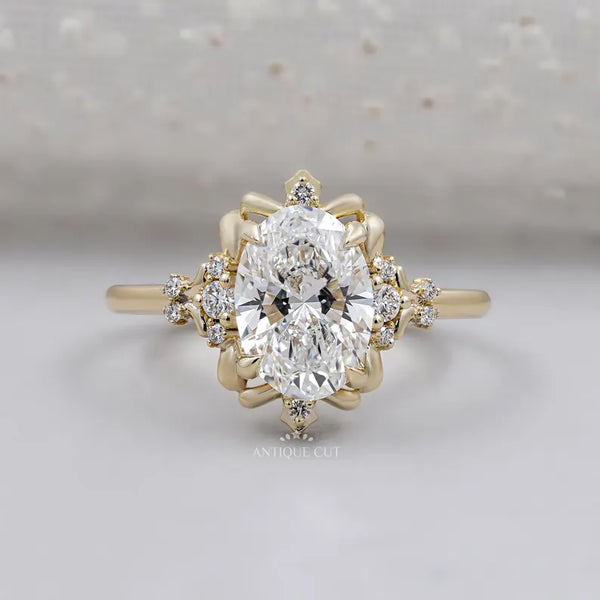
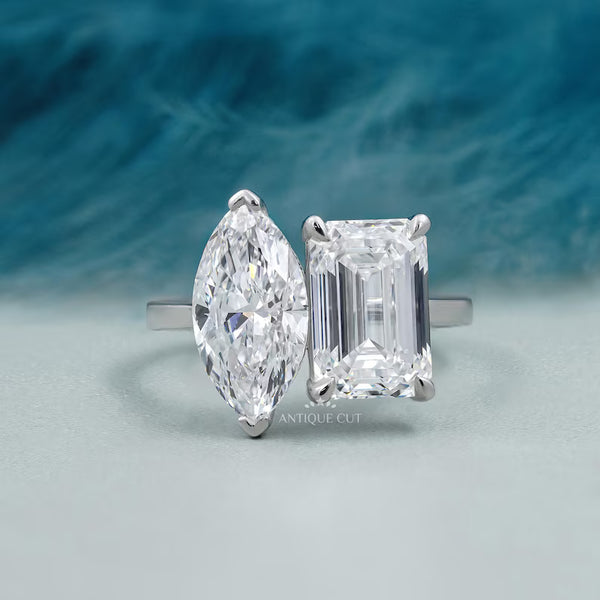
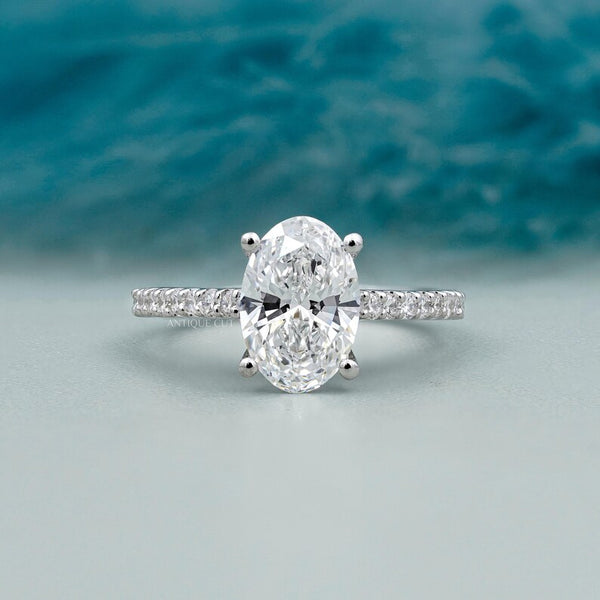


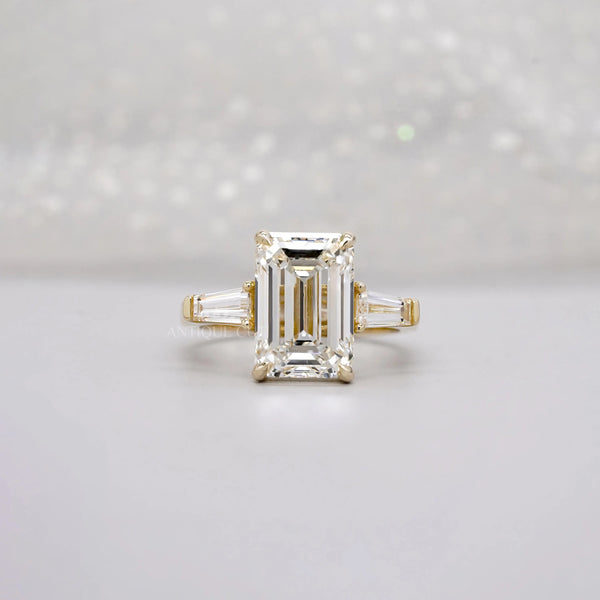

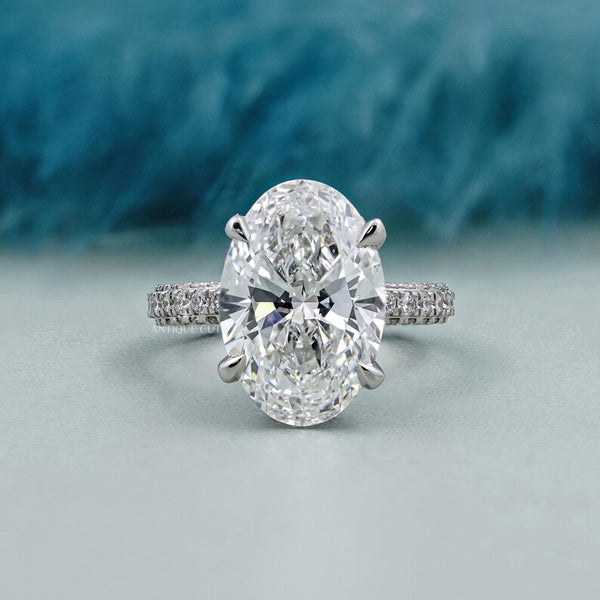
Best Cut Color and Clarity for Diamonds
The best cut color and clarity for diamonds is about finding the right balance, not choosing the highest grade in every category. A well-cut diamond reflects light better, so it often looks brighter even if it has a slightly lower color or clarity grade. Many buyers spend more on color than they need while overlooking cut, even though cut has the biggest impact on how a diamond looks.
Here are some balanced combinations:
D–F Color + VS1–VS2 Clarity: A premium choice with a bright, clean appearance.
G–H Color + VS2–SI1 Clarity: The best value for most buyers, offering an excellent look without paying for grades that are difficult to notice.
I Color + VS1 Clarity: A smart budget-friendly option that still looks attractive, especially in the right setting.
Instead of aiming for perfect grades, choose a combination that gives you the best overall appearance and fits your budget. A balanced approach helps you get more value without sacrificing beauty.
How to Choose the Best Diamond Cut for Your Budget
Your budget plays an important role in choosing the right diamond cut, but it doesn't have to limit your options. Every price range offers cuts that provide excellent value when matched with the right combination of cut quality, color, clarity, and carat weight. Instead of focusing only on size, compare different diamond shapes to find one that fits your budget and personal style. A well-chosen diamond can look beautiful at any price point when you prioritize quality where it matters most.
Under $2,000
If you're shopping for engagement rings under $2000, focus on diamond cuts that offer a larger appearance without a high price. Oval diamonds often look bigger than their carat weight, while Cushion cuts provide a soft shape and good value. Both are excellent choices if you want to balance size, quality, and cost.
Mid-Range Budget
With a mid-range budget, you have more flexibility in quality and design. Round diamonds are known for their bright appearance, while Princess cuts offer a clean, sharp look at a more affordable price than round diamonds of similar quality. Compare different combinations of cut, color, and clarity to get the best value.
Premium Budget
A larger budget gives you access to higher-quality diamonds. A Round Excellent Cut is a strong choice if you want the best light performance. If you prefer a clean, refined shape, choose an Emerald cut with higher clarity, as its open facets make inclusions easier to notice. Investing in better cut quality can make a noticeable difference in the diamond's overall appearance.
Common Mistakes Buyers Make
Buying a diamond is a big decision, but many buyers make simple mistakes that can affect both quality and value. Looking beyond carat weight, comparing different diamonds, and understanding factors like cut, color, and proportions can help you choose a diamond you'll be happy with for years to come.
Buying Only by Carat Weight
Many buyers focus only on carat size, but a larger diamond is not always the best choice. Cut, proportions, and clarity all affect how a diamond looks, so it's important to consider the complete picture rather than size alone.
Ignoring Cut Grade
The cut grade has a major impact on a diamond's appearance. A well-cut diamond reflects light better and can look more attractive than a larger diamond with a poor cut.
Choosing Poor Proportions
Poor proportions can make a diamond look smaller or less bright. Always review the diamond's depth, table, and overall measurements before making a purchase.
Paying Too Much for Color
A higher color grade often comes with a higher price, but the visual difference is usually small. Many near-colorless diamonds offer an excellent balance between appearance and value.
Ignoring Lifestyle
Your daily routine should help guide your choice. If you have an active lifestyle or work with your hands, choose a secure setting that offers better protection for your diamond.
Not Comparing Diamonds Side by Side
Comparing multiple diamonds makes it easier to notice differences in cut, color, clarity, and overall appearance. Taking the time to compare options can help you make a more confident buying decision.
Which Diamond Cut Is Right for You?
Choosing the right diamond cut depends on your style and what matters most to you. Here are a few simple recommendations:
-
Want the most light return? → Round cut lab grown diamond ring
A great choice if you like a bright, classic look.
-
Want the diamond to look larger? → Oval cut lab grown diamond ring
Its longer shape gives the appearance of more size.
-
Like vintage-inspired designs? → Cushion cut lab grown diamond ring
Soft, rounded corners create a charming old-world feel.
-
Prefer clean, straight lines? → Emerald cut lab grown diamond ring
Best for those who appreciate a simple, structured look.
-
Looking for something different? → Pear cut lab grown diamond ring
A distinctive shape that stands out from traditional styles.
-
Love a square shape? →Princess cut lab grown diamond ring
A balanced choice with sharp corners and a neat appearance.
Tip: The best diamond cut is the one that matches your personal style, daily wear, and budget. Instead of following trends, choose the shape you'll enjoy wearing for years.
Final Thoughts:
The answer to what is the best diamond cut depends on what matters most to you.
If brightness and overall beauty are your priority, the Round Brilliant remains one of the best diamond cuts available. However, Oval, Cushion, Princess, Emerald, and Pear cuts each offer their own advantages depending on your style and budget.
Instead of focusing only on size, pay close attention to cut quality because it has the greatest impact on how your diamond looks every day. By balancing cut, color, clarity, and budget, you can confidently choose a diamond that feels meaningful every time you look at it.
Design Your Own Jewelry with Antiquecut
FAQs
1. Which diamond cut holds its value the best?
Round brilliant diamonds generally hold their value better than most other shapes because they have the highest demand and remain the most popular choice for engagement rings. However, resale value also depends on the diamond's cut quality, color, clarity, carat weight, and current market conditions.
2. Which diamond cut hides scratches and chips the best?
Round and Cushion cuts are among the best at hiding small scratches and everyday wear because they have fewer exposed corners. Shapes with pointed corners, such as Princess and Pear, usually need more protection from the ring setting.
3. Which diamond cut is easiest to keep clean?
Round brilliant diamonds are usually the easiest to maintain because their facet pattern helps hide dust and fingerprints. Step-cut diamonds like Emerald cuts can show dirt more easily, so regular cleaning helps maintain their appearance.
4. Which diamond cut looks best on small fingers?
Oval, Pear, and Marquise diamonds can make fingers appear longer because of their elongated shape. The best choice ultimately depends on your personal style and preferred ring design.
5. Which diamond cut is the most expensive?
Round brilliant diamonds are typically the most expensive shape per carat. Their popularity and the amount of rough diamond lost during cutting contribute to their higher price compared to many fancy-shaped diamonds.
6. Can two diamonds with the same carat weight look different in size?
Yes. Different diamond shapes have different face-up dimensions. For example, an Oval diamond often appears larger than a Round diamond of the same carat weight because it has a longer surface area.
7. Does diamond cut affect a diamond's price?
Yes. Cut quality and diamond shape both influence price. A diamond with an Excellent cut grade usually costs more than a similar diamond with a lower cut grade because it reflects light more effectively.
8. Which diamond cut is best for everyday wear?
Round, Cushion, and Emerald cuts are popular choices for everyday wear when paired with a secure ring setting. If you choose a shape with pointed ends, such as Pear or Princess, a protective setting can help reduce the risk of damage.
9. Is an Excellent cut always worth the extra cost?
Not always. An Excellent cut is a great choice if your budget allows, but many Very Good cut diamonds also offer an attractive appearance at a lower price. Comparing diamonds side by side can help you decide whether the price difference is worthwhile.
10. What should I prioritize first when buying a diamond?
Most gem experts recommend starting with the cut because it has the greatest impact on a diamond's overall appearance. After selecting a good cut, balance the color, clarity, and carat weight according to your budget.


