


When people ask about the most rare diamond in the world, they usually expect a single famous stone. The real answer is a color: the natural red diamond. Fewer than 30 true red diamonds are known to exist on the planet, and most weigh less than half a carat. That scarcity is why a single one can sell for more than a million dollars per carat, far above almost any other gem on earth.
This guide breaks down what makes a diamond rare, which color sits at the very top, the rarest type of diamond, and what a serious U.S. buyer should know before spending real money. You will also find a comparison table, three head-to-head examples, and a short FAQ at the end.
What Counts as the Most Rare Diamond in the World?
Rarity in diamonds comes down to three things working together: color, size, and supply. Colorless diamonds are already uncommon in nature, but they are mined in steady volumes. Fancy color diamonds are a different story. According to the Gemological Institute of America (GIA), only about 0.4% of all diamonds graded over the past two decades qualified as fancy color. Inside that tiny group, one color is rarer than every other combined. Rarity in diamonds comes down to three things working together: color, size, and supply. While buyers often search for lab grown diamonds under $1000 for affordable entry points into fine jewelry, natural rare diamonds sit at the opposite end of the spectrum—defined not by price, but by extreme scarcity.
So the question "what is the most rare diamond" has two valid answers depending on how you frame it. By color, the red diamond wins. By chemical purity, the Type IIa diamond is the standout. Both deserve a close look, because buyers and collectors care about each one for different reasons.
The Most Rare Color Diamond: Why Red Sits at the Top
If you want the most rare color diamond, you want red. Yellow and brown diamonds show up regularly. Blue and green are scarce. Pink is famously hard to find. But red outranks them all. Estimates from gem museums and major dealers put the total population of true natural red diamonds at roughly 20 to 30 stones worldwide. That is not 20 to 30 per year. That is the entire known supply, ever.
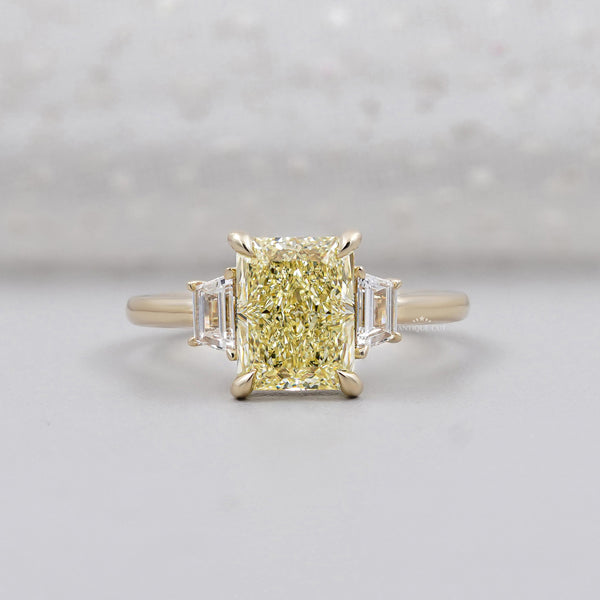
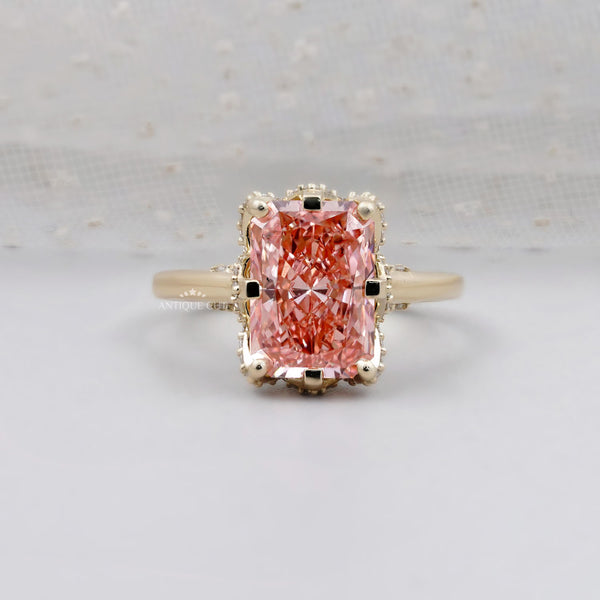
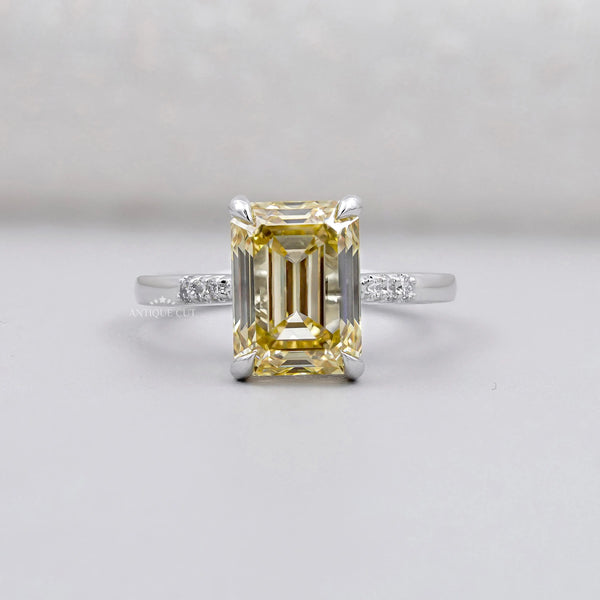
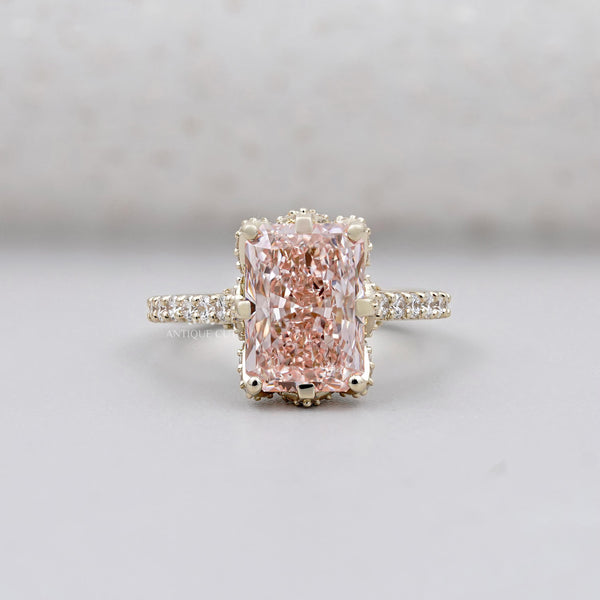
Red diamonds have been found in only a handful of places: parts of Africa, Brazil, and the Argyle region of Western Australia. The Argyle mine produced the largest share of pink and red stones for decades, and its closure in 2020 cut off the main source. Less supply against steady collector demand is a recipe for prices that keep climbing.
How Red Diamonds Get Their Color
Most colored diamonds get their hue from a chemical impurity. Yellow comes from nitrogen. Blue comes from boron. Red works differently. A red diamond is almost pure carbon, just like a colorless one. Its color comes from a structural quirk called plastic deformation. During formation deep in the earth, intense heat and pressure shift carbon atoms slightly out of place in the crystal lattice. That distortion changes how light passes through the stone and produces a deep red glow.
Here is a detail many buyers miss: red and pink diamonds are chemically related. Red is essentially the most concentrated form of pink. That is also why red diamonds come in only one official intensity grade, Fancy Red, while pink diamonds span many intensity levels. If a seller offers you a "Fancy Vivid Red" or "Fancy Intense Red," treat that as a warning sign, because GIA does not grade red that way.
Famous Red Diamonds Worth Knowing
A few red diamonds have earned a permanent place in gem history. Knowing them helps you understand the market.
The Moussaieff Red is the largest in the public record at 5.11 carats. It was cut from a 13.90-carat rough stone found in Brazil in the 1990s and graded Fancy Red with internally flawless clarity. Its value has been estimated around $20 million, though it has never publicly sold at that figure.
The Hancock Red is smaller but historically important. This 0.95-carat Fancy Purplish Red stone was bought for about $13,500 in the 1950s and sold for $880,000 at auction in 1987, which worked out to roughly $926,000 per carat. That sale shocked the trade and helped prove how much value sits in a tiny red stone.
The Winston Red, a 2.33-carat Fancy Red, was donated to the Smithsonian and is now one of the largest red diamonds on permanent public display in the United States. If you want to see a genuine red diamond in person, that is one of the few places you can. For modern buyers, rare natural stones are often out of reach, which is why designs like a radiant lab grown diamond ring have become a practical alternative—offering similar visual impact in a more accessible category without compromising on appearance.
The Most Rare Type of Diamond: Type IIa
Color is one way to rank rarity. Chemistry is another. The most rare type of diamond by composition is the Type IIa diamond. These stones contain almost no measurable nitrogen or boron, which makes them the chemically purest diamonds found in nature. Only about 1 to 2% of all natural diamonds fall into this category.
Type IIa diamonds are prized because that purity often produces exceptional transparency and, in colorless examples, the highest D-color grades. Several of the most famous historical diamonds are Type IIa, including the Cullinan and the Koh-i-Noor. Even the Pink Star, the record-breaking pink discussed below, is a Type IIa stone.
So when someone uses "rare type" loosely, they might mean color or they might mean chemistry. A well-informed buyer keeps both definitions in mind, because a colorless Type IIa stone and a Fancy Red stone are rare for entirely different reasons.
Rare Diamond Comparison Table
The table below sums up how the major rare categories stack up. Treat the price ranges as general market guidance, since exceptional stones can break well past these figures.
| Premium Category | Blue Diamond Details |
|---|---|
| Color Appeal | Deep, elegant blue with luxury royal look |
| Rarity Level | Rare to extremely rare |
| Price Range | Very high; can reach millions per carat |
| Famous Example | Hope Diamond, 45.52 ct |
Want a Rare Color Without the Million-Dollar Price?
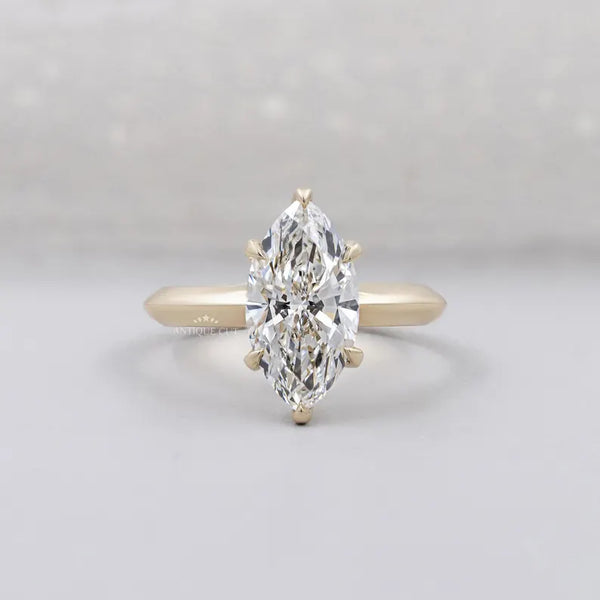
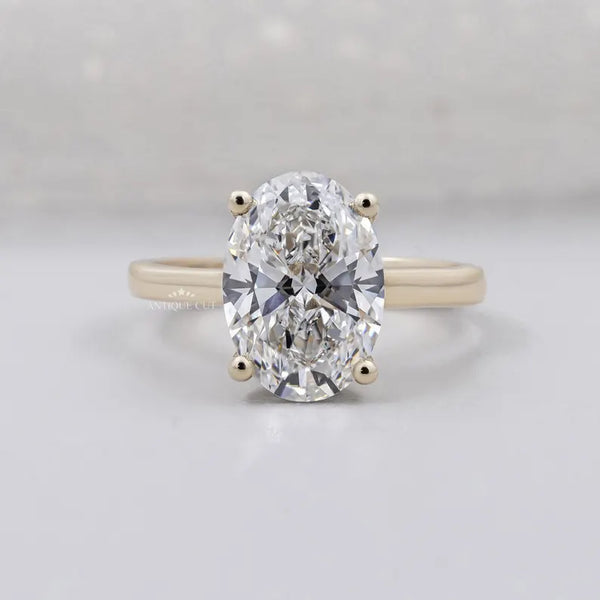
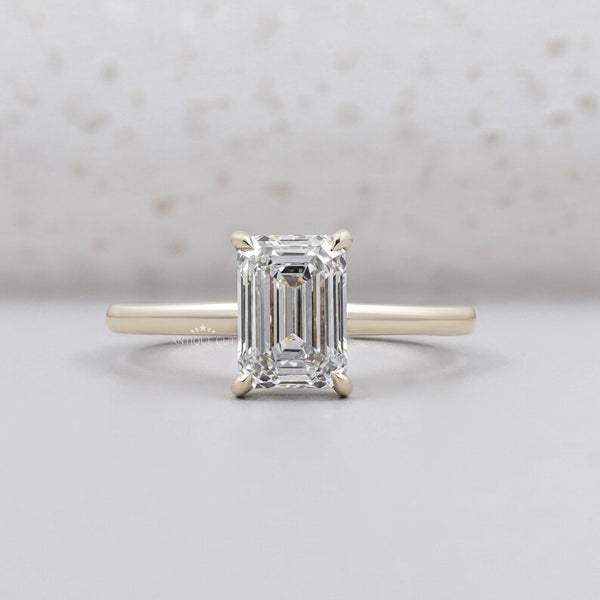
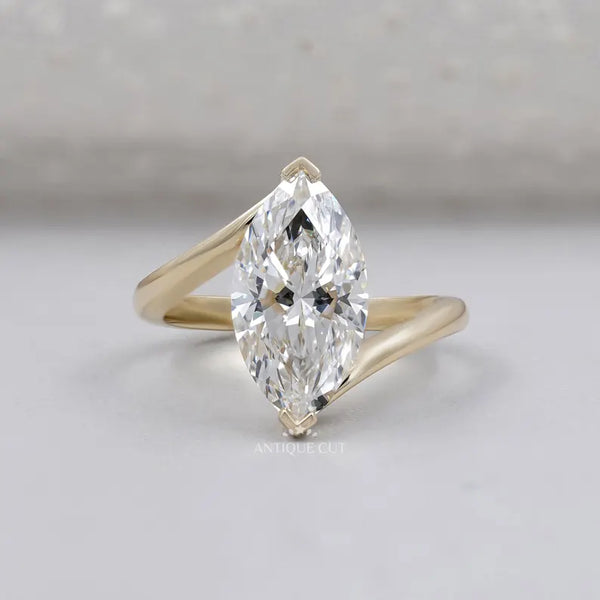
Most people reading about the rarest diamonds are never going to buy a $20 million red stone. The good news is that you can own the same colors in a wearable, affordable form. Lab-grown stones now make fancy colored diamond engagement rings reachable on a normal budget, with the same hues that make natural fancy diamonds so sought after.
If pink is your favorite, pink diamond engagement rings built around a lab grown pink diamond ring deliver that romantic color for a tiny fraction of a natural pink's cost. Prefer a cooler tone? Blue diamond engagement rings, including fancy blue diamond engagement rings, echo the look of legendary stones like the Hope Diamond. And for something less expected, a green diamond engagement ring or a warm yellow diamond engagement ring -- from soft shades to a fancy yellow diamond ring -- gives you a colored center stone that still stands out, without the rarity premium of a natural fancy diamond.

Final Thoughts
The most rare diamond in the world is not a single legendary rock but a color almost no one will ever own: the natural red diamond. With perhaps 30 in existence, sourced from a few closed or fading mines, and priced past a million dollars per carat, it sits at the very edge of what nature produces. Add the Type IIa diamond as the rarest by chemistry, and you have the full picture of true diamond rarity. Whether you are simply curious or seriously shopping, knowing what makes these stones rare, and what to verify before you buy, is the difference between admiring a rare diamond and getting taken by a fake. For buyers exploring certified and transparent options in modern fine jewelry, brands like Antiquecut focus on bringing clarity and trust into diamond selection.
Frequently Asked Questions
What is the most rare diamond in the world?
By color, the natural red diamond is the rarest, with fewer than 30 known to exist. By chemical purity, the Type IIa diamond is the rarest type. Red is the answer most people are looking for.
Why are red diamonds the most rare color diamond?
Red gets its color from a structural change in the crystal during formation rather than from an impurity. That process almost never happens, and when it does, the stone is usually very small. The result is the smallest population of any diamond color.
How much does the most rare diamond cost?
A pure natural red diamond often exceeds $1 million per carat. Records show stones selling well above that. Pink diamonds like the Pink Star have reached $71.2 million at auction for a single stone.
Is a red diamond rarer than a blue or pink diamond?
Yes. Blue and pink diamonds are both rare, but red is rarer than either. Blue and pink turn up in several mines worldwide, while red comes from only a few sources and in far smaller numbers.
What is the most rare type of diamond by chemistry?
The Type IIa diamond, which contains almost no nitrogen or boron. These make up only 1 to 2% of all natural diamonds and include some of history's most famous stones.
Are rare diamonds a good investment?
They can be, but they are illiquid and require expertise. Certification, treatment disclosure, insurance, and a trustworthy seller matter far more than hype. Treat any rare diamond purchase the way you would treat fine art.


