


Tulip rings are getting popular because they feel personal and easy to wear. The design comes from the shape of a tulip flower, where the metal curves around the center stone like soft petals. It’s a small detail, but it gives the ring a gentle and pleasing look that many people connect with.
This style is also practical for daily wear. The curved setting helps keep the stone secure and sits comfortably on the finger. It doesn’t feel too heavy or too bold, which is why many people choose tulip rings for both everyday use and special moments.
What is a Tulip Ring?
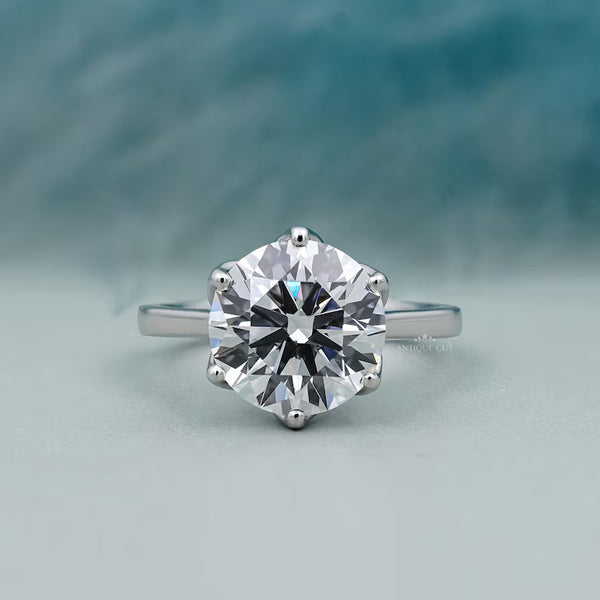
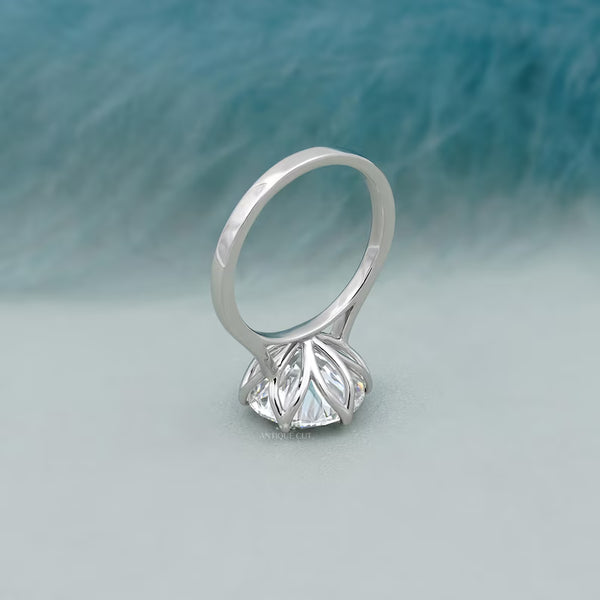
A tulip ring is a type of ring design where the metal is shaped like the petals of a tulip flower around the center stone. Instead of straight prongs, the setting curves gently upward, giving the ring a soft and floral appearance.
This design is popular because it adds a delicate, romantic touch while still holding the diamond securely, making it both beautiful and practical for everyday wear.
Understanding the tulip setting engagement rings
A tulip setting engagement ring is designed in a way that the metal gently curves upward like small flower petals around the center stone. It doesn’t feel sharp or heavy—just soft and natural, like the ring is holding the diamond with care. This small detail makes it look a bit more personal compared to simple, straight settings.
The center stone also sits slightly higher, which lets more light pass through it. Because of that, the diamond can look brighter without needing to be large. This is especially noticeable in a round lab grown diamond ring, where the shape and setting work together to enhance sparkle. It’s a small design detail, but it makes a noticeable difference.
How a Tulip Setting Keeps the Diamond Secure
A tulip setting is designed in a way that naturally supports the diamond from multiple sides. Instead of using straight prongs, it has slightly curved prongs that rise up and gently wrap around the stone. This shape helps keep the diamond steady and reduces the chances of it shifting over time.
Curved Prongs for Better Grip
The curved prongs hold the stone from different angles, which creates a more balanced grip. This design helps the diamond stay in place and adds extra support compared to flat prongs.
Suitable for Daily Wear
This added support makes tulip rings a good option for everyday use, especially if you use your hands often. The setting keeps the stone more secure during regular activities.
Less Exposure to Damage
Since the prongs wrap around the diamond, the stone is slightly less exposed than in some open settings. This can help reduce the risk of accidental bumps or knocks.
Crafted for Comfort and Safety
When made by a skilled jeweler, the prongs are carefully placed to hold the diamond firmly without putting too much pressure on it. This ensures both safety and comfort while wearing the ring.
What makes tulip rings different from other ring designs
Tulip rings feel different the moment you look at them closely. The way the metal is shaped around the center stone is not straight or sharp like many common ring styles. Instead, it gently curves upward, almost like flower petals holding the stone in place. This small detail gives the ring a softer and more natural look, which many people find more personal and less traditional.
Another thing that sets tulip rings apart is how the center stone is placed. The slightly raised setting allows light to reach the stone from more angles. Because of this, the diamond can look brighter without increasing its size or cost. It’s a practical design choice that also adds to the overall appearance.
From a wearer’s point of view, tulip rings also feel a bit more unique. They are not as commonly seen as classic prong or bezel settings, so they stand out without trying too hard. Many people choose them because they want something meaningful and a little different, rather than something that looks like every other ring.
In simple terms, it’s the combination of shape, light, and subtle detail that makes tulip rings special. They don’t rely on size or heavy design—they focus on small touches that quietly change how the ring looks and feels.
How This Setting Makes the Ring Look Better
A tulip setting changes how the ring looks without making it feel too heavy or overdone. The way the metal curves around the stone, like soft petals, gives the ring a more finished and beautiful look. Since the diamond sits a little higher, light can reach it from different sides, which makes it look brighter in everyday wear. Even with a small stone, this design adds more detail, so the ring doesn’t feel plain or flat, but instead has a soft and pleasing feel.
Diamond Shapes That Look Good with Tulip Rings
One of the best things about a tulip ring is that it works with many diamond shapes. You can choose based on your personal style.
Round diamonds for a soft and classic look
Round diamonds sit very naturally in a tulip setting. The curved petals wrap around the stone in a way that feels balanced and easy on the eye. Round cut engagement rings are a popular choice here because they blend perfectly with the floral design. If you like a simple and familiar style, this is a safe and well-loved option.
Oval diamonds for a slightly longer look
Oval diamonds give a bit more length to the ring, which can make your fingers look slimmer. When paired with the tulip setting, the shape flows nicely with the petal design and feels light without being too flashy.
Pear-shaped diamonds for a floral feel
Pear-shaped stones already look like a petal or a drop, so they blend really well with tulip rings. This combination feels more nature-inspired and a little different from the usual styles, without being too bold.
Cushion and princess cuts for a stronger look
If you want something a bit more noticeable, cushion and princess cuts are good options. Their sharper edges create a contrast with the soft curves of the tulip setting. This mix gives the ring a bit more presence while still keeping the floral idea intact.
In the end, there’s no single “right” shape. It comes down to what feels right when you wear it. A tulip ring is flexible in design, which makes it easier to find something that truly suits you.
How 1980s Tulip Rings Inspire Today’s Designs
Tulip rings from the 1980s were more detailed and slightly heavier, with clearly shaped petals and visible metalwork. The focus was on strong design and careful handwork, which gave each ring a distinct look.
Today’s tulip rings take inspiration from those styles but feel lighter and easier to wear. The petal shape is still there, just softer and simpler. While the look has changed over time, the idea of bringing a flower into jewelry remains the same.
Trendy Styles People Like Today
Minimal petal settings with a single diamond
Many people today prefer simple tulip designs with fewer petals and one center diamond. This style feels clean and modern, making it easy to wear every day. It also keeps the focus on the main stone without too many extra details.
Hidden details under the center stone
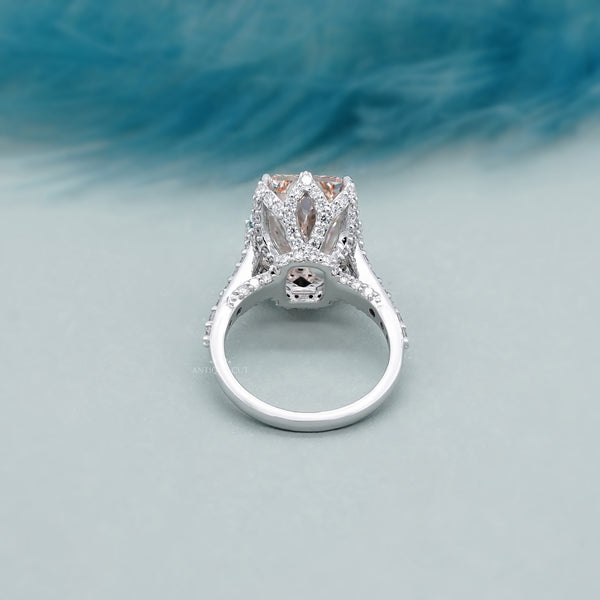
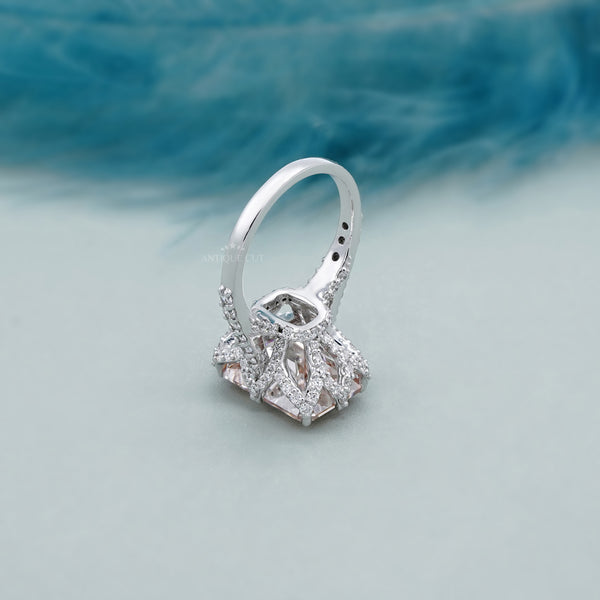
Some tulip rings include small design elements beneath the main diamond, like tiny stones or soft patterns. These details aren’t visible at first glance, but they add a personal touch. It makes the ring feel more meaningful, even if only the wearer knows about it.
Mixed metal designs
Using two metal tones—like white and yellow gold or rose gold—is becoming more popular. It adds a bit of contrast without looking too bold. This style also makes it easier to match the ring with other jewelry.
Slim bands with raised settings
Thin bands paired with slightly raised tulip settings are widely loved right now. They feel light and comfortable on the finger while still standing out in a subtle way. Many people choose this style because it offers a nice balance between comfort and design.
How to choose the right tulip ring for your style and budget
Choosing a tulip ring is simple when you focus on what matters most to you. Start by deciding your priority — if you want a bigger stone, keep the design simple. If you like detailed designs, a smaller stone with a tulip setting can still look very good.
Next, pick a metal that suits your daily wear. Gold, white gold, and platinum all have different looks, so choose what matches your usual jewelry and feels comfortable.
Also, set a clear budget before you start. This helps you balance size and design without overspending. In the end, choose a ring that feels right for your lifestyle and is easy to wear every day.
Why tulip rings are a meaningful choice for special moments
A tulip ring feels more than just a piece of jewelry. It quietly reflects love, new beginnings, and the small moments that matter the most.
Its soft, petal-like design makes it feel personal—like it was chosen with care, not just picked in a hurry. That’s what makes it perfect for moments you want to remember forever.
It’s simple, but it carries a feeling… and sometimes, that’s all that really matters. Its soft, petal-like design makes it feel personal—like it was chosen with care. Whether it features a natural diamond or a radiant cut engagement rings, the meaning behind it stays the same.
Conclusion
Tulip rings are a beautiful mix of nature-inspired design and everyday practicality. From different diamond shapes to trending styles, they offer something for everyone. Whether you prefer a simple look or a detailed design, a tulip ring can reflect your personality in a soft and meaningful way. If you're looking for a ring that feels different yet easy to wear, this floral-inspired design is definitely worth considering.
Common Questions People Ask About Tulip Rings
1. What does a tulip ring symbolize?
Symbolizing unconditional love, the Tulip flower represents an expression of commitment and new beginnings. Crafted by hand, this setting can be made with any gemstone of your choice for a truly one-of-a-kind ring.
2. Are tulip rings good for daily wear?
Yes, tulip rings are secure and comfortable if designed well. Just choose a balanced height and a strong setting.
3. Why are tulip rings so popular?
Tulips have been loved for hundreds of years in art, literature, and personal writing because they are thought to represent perfect love. A tulip ring is a beautiful way to wear this meaning, making it a thoughtful choice for engagements, anniversaries, or just to enjoy the beauty in daily life.
4. Is the tulip setting good?
Tulip basket settings are structurally sound when properly engineered - but like any engagement ring, durability depends on thoughtful design. One structural component often used in engagement rings is a gallery rail, a horizontal bar that connects the prongs and adds reinforcement.
5. Are tulip rings expensive?
Not always. The price depends on the diamond and metal, but you can find options for different budgets.
6. Do tulip rings make the diamond look bigger?
Yes, slightly. The raised setting allows more light, which can make the stone appear brighter and a bit larger.
7. Can I customize a tulip ring design?
Yes, many jewelers offer customization. You can choose the diamond shape, metal, and petal style.
8. What does Tulip Mean from a girl?
The (tulip) generally symbolizes affection, admiration, or a friendly, warm sentiment. It often signifies "perfect love," spring, or a gentle "thinking of you" message, frequently used to express gratitude or add a cheerful tone to a conversation
9. How do I clean a tulip ring at home?
Use mild soap and warm water with a soft brush. Clean gently around the prongs to remove dirt.
10. Is a tulip ring a good choice for an engagement ring?
Yes, it’s a great choice if you want something different and meaningful. The floral design adds a personal touch.


