


Gold has remained one of the most valuable precious metals for centuries. However, many buyers and collectors overlook one important property—gold density. Whether you are purchasing jewelry, testing authenticity, or comparing different metals, understanding the density of gold helps you make informed decisions.
Gold density is a scientific property that identifies how much mass is packed into a specific volume. Because pure gold has a unique density, it becomes easier to distinguish genuine gold from fake or mixed metals. As a result, jewelers, refiners, and investors regularly use density testing during quality checks. This knowledge is especially valuable when evaluating premium pieces like three stone diamond engagement rings, where accurate material verification ensures authenticity, quality, and long-lasting value.
If you're buying premium jewelry from Antiquecut, understanding this property can also help you appreciate the value and purity of every gold piece.
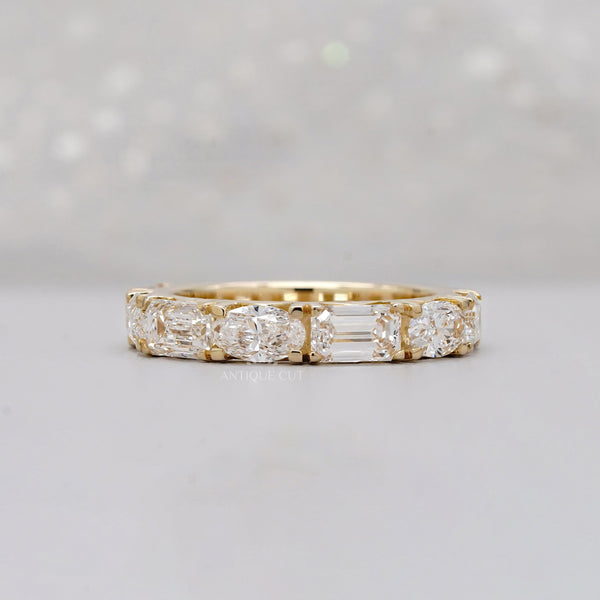
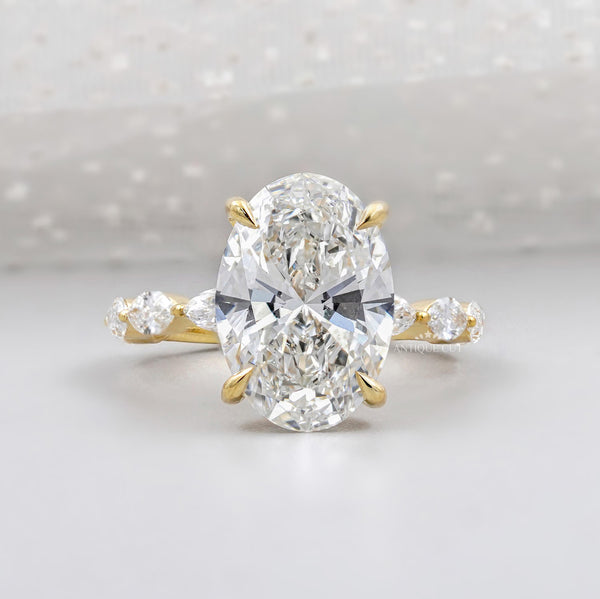
What Is Gold Density?
Gold Density is the amount of mass contained within a specific volume of gold. In science, density is usually measured in grams per cubic centimeter (g/cm³).
The formula is straightforward:
Density = Mass ÷ Volume
For example, if a gold object weighs 19.32 grams and occupies exactly 1 cubic centimeter, its density is:
19.32 g/cm³
Pure gold has one of the highest densities among commonly used metals. This property makes it easy to distinguish gold from many other materials.
Density remains constant regardless of whether gold is shaped into:
- Rings
- Necklaces
- Bracelets
- Coins
- Gold bars
- Pendants
Changing the shape doesn't change the density because density depends only on the material itself.
Why Gold Density Matters
Understanding Gold Density offers several practical advantages.
Helps Verify Authenticity
Gold-plated jewelry may look identical to solid gold, but its density is usually much lower.
Supports Jewelry Manufacturing
Manufacturers use density calculations to estimate the amount of gold required for a design before production begins.
Assists Gold Buyers
Knowing density helps buyers compare different pieces fairly, especially when evaluating similar designs.
Valuable for Investors
Investors purchasing bullion bars or coins often rely on density testing as part of the authentication process.
Used by Professional Jewelers
Many jewelers combine density measurements with additional testing methods to confirm purity.
What Is the Density for Gold by Karat?
Pure gold is very soft, so jewelry is usually mixed with other metals such as copper, silver, nickel, or palladium. These alloys reduce the overall density.
Below are approximate density values for different gold purities.
| Gold Purity | Gold Content | Approximate Density |
|---|---|---|
| 24K | 99.9% | 19.32 g/cm³ |
| 22K | 91.6% | 17.7–18.5 g/cm³ |
| 18K | 75% | 15.2–16.1 g/cm³ |
| 14K | 58.3% | 12.9–14.6 g/cm³ |
| 10K | 41.7% | 11.5–13.2 g/cm³ |
These values vary depending on the alloy composition.
How to Measure Gold Density
The process requires only a few measurements.
Step 1: Measure Mass
Use a precision digital scale.
Example:
Mass = 38.64 grams
Step 2: Measure Volume
The easiest method uses water displacement.
Fill a graduated cylinder with water.
Record:
Initial volume = 100 mL
Place the gold item into the water.
Final volume = 102 mL
Volume of gold:
102 − 100 = 2 cm³
Step 3: Calculate Density
Density = Mass ÷ Volume
38.64 ÷ 2 = 19.32 g/cm³
This confirms the sample matches pure gold
Factors That Affect Gold Density

Several factors influence density measurements.
Gold Purity
Higher purity means higher density.
24K gold is denser than 18K gold.
Alloy Metals
Copper reduces density.
Silver slightly lowers density.
Nickel changes density differently depending on concentration.
Manufacturing Process
Casting methods can create microscopic air pockets.
These reduce measured density.
Hollow Jewelry
Large earrings or bracelets may contain hollow sections.
Although made from gold, the overall density appears lower.
Temperature
Gold expands slightly when heated.
As volume increases, density decreases slightly.
Normal room temperatures produce negligible differences
Gold Density Compared with Other Precious Metals
| Metal | Density |
|---|---|
| Gold | 19.32 g/cm³ |
| Silver | 10.49 g/cm³ |
| Platinum | 21.45 g/cm³ |
| Palladium | 12.02 g/cm³ |
Platinum is denser than gold.
Silver is almost half as dense.
Common Myths About Gold Density
Myth 1: Heavy Jewelry Is Always Pure Gold
Not necessarily.
Some counterfeit metals also feel heavy.
Professional testing remains essential.
Myth 2: Density Alone Confirms Purity
Density provides valuable evidence but should accompany additional tests.
Myth 3: All Gold Jewelry Has the Same Density
Different karat values produce different density measurements.
Therefore, every alloy has its own expected range.
Why Buy from Antiquecut?
When purchasing fine jewelry, choosing a trusted jeweler makes all the difference. Antiquecut is committed to offering beautifully crafted jewelry made with premium materials and certified lab-grown diamonds. Every piece is thoughtfully designed to combine quality, comfort, and lasting value, giving customers confidence in every purchase.
Whether you are searching for an engagement ring, wedding band, necklace, earrings, or another fine jewelry piece, Antiquecut provides a wide selection of designs to suit different preferences and budgets. Customers can also personalize many designs through custom jewelry services, making it easy to create a piece that reflects their individual style.
Conclusion
Gold density is one of the defining physical characteristics of this precious metal. Pure 24K gold has a density of approximately 19.32 g/cm³, making it one of the densest metals used in jewelry and investment products. As alloy metals are added to create 22K, 18K, and 14K gold, the density gradually decreases while durability increases.
Understanding gold density, what is the density of gold, and what is gold's density gives buyers another reliable way to evaluate authenticity and quality. Combined with hallmarks, certifications, and purchasing from trusted retailers like Antiquecut, this knowledge helps you choose jewelry with greater confidence. Whether selecting a timeless engagement ring or a premium gold piece, knowing the properties of gold ensures you make an informed decision and invest in authentic, high-quality craftsmanship.
Design Your Own Jewelry with Antiquecut
FAQs
1. What is Gold Density?
Gold Density is the amount of mass contained in a specific volume of gold. It is measured in grams per cubic centimeter (g/cm³).
2. What is the density of pure gold?
Pure 24K gold has a density of approximately 19.32 g/cm³ under standard conditions.
3. Why does Gold Density vary by karat?
Gold Density changes because lower-karat gold contains alloy metals such as copper or silver, which reduce the overall density.
4. Can Gold Density determine if gold is real?
Gold Density is a useful indicator of authenticity, but it should be used alongside hallmark inspection and professional testing for accurate verification.
5. What is the density of 18K gold?
The density of 18K gold typically ranges from 15.2 to 15.9 g/cm³, depending on the alloy composition.
6. Does white gold have the same density as yellow gold?
Not always. Both can have the same karat, but different alloy metals may cause slight variations in density.
7. How is Gold Density measured?
Gold Density is calculated by dividing the item's mass by its volume using the formula: Density = Mass ÷ Volume.
8. Why is gold heavier than silver?
Gold has a much higher density (19.32 g/cm³) than silver (10.49 g/cm³), so the same-sized gold object feels significantly heavier.
9. Why is Gold Density important when buying jewelry?
Understanding Gold Density helps buyers compare gold purity, identify quality, and make informed purchasing decisions.
10. Why choose Antiquecut for gold jewelry?
Antiquecut offers premium 14K and 18K gold jewelry with high-quality lab-grown diamonds, detailed product information, and carefully crafted designs to help you shop with confidence.


