


If you're shopping for an engagement ring, you've probably asked yourself one very important question: which diamond shape looks biggest? The answer might surprise you. A diamond's carat weight does not automatically determine how large it appears on the finger. Two diamonds can weigh the same but look dramatically different in size depending on their shape, proportions, and how their weight is distributed. Industry experts consistently point to elongated shapes such as marquise, oval, and pear cuts as the best options for maximizing visible size because they spread their weight across a larger surface area.
At the same time, size is only half the story. Many buyers also want exceptional sparkle. That's where things become interesting because the shape that looks the largest isn't necessarily the shape that sparkles the most. Round brilliant diamonds remain the sparkle champion thanks to their carefully engineered facet pattern, while elongated cuts often offer a bigger appearance per carat.
The good news is that you don't have to choose blindly. Once you understand how diamond shapes influence visual size, light performance, and finger coverage, you'll be able to find the perfect balance between size and brilliance. Whether you're trying to maximize a budget or simply want a diamond that stands out beautifully, this guide will help you make a confident decision.
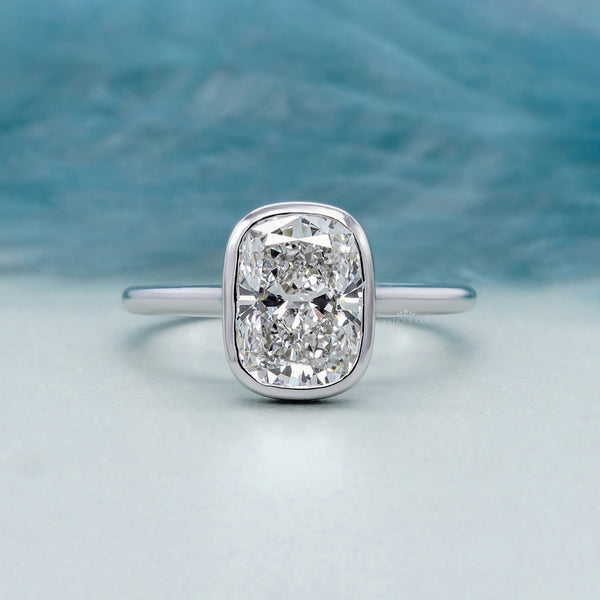
Why Some Diamond Shapes Look Larger Than Others
One of the biggest misconceptions in diamond shopping is believing that carat weight equals visual size. Carat measures weight, not dimensions. A one-carat diamond can appear significantly larger or smaller than another one-carat diamond, depending on its shape and cut proportions. This is why experienced jewelers often focus on face-up size rather than carat weight alone.
The reason certain shapes look bigger comes down to visible surface area. Diamonds that distribute more of their weight across the top of the stone create a larger face-up appearance. Elongated cuts like oval, marquise, and pear diamonds stretch across the finger, creating the illusion of a larger stone while also making fingers appear longer and slimmer. This is one reason why oval lab grown diamond engagement rings remain a popular choice among buyers looking to maximize visual size without increasing carat weight.
Depth also plays an important role. Some cuts retain more weight underneath the diamond where it cannot be seen. Round diamonds, for example, often carry additional depth to maximize brilliance. While this enhances sparkle, it can make them appear slightly smaller compared to elongated shapes of identical carat weight. On the other hand, diamonds with wider face-up measurements often appear larger even though their actual weight remains the same.
Understanding this relationship between shape, depth, and surface area is the secret to getting a diamond that looks impressive without necessarily increasing your budget.
Which Diamond Shape Looks Biggest?

When buyers ask which shape diamond looks biggest, several cuts consistently rise to the top. While personal preference always matters, certain shapes naturally create more visual impact.
Marquise Cut Diamond
If your goal is maximum size appearance, the marquise cut is often considered the winner. Its long, pointed shape stretches dramatically across the finger, creating exceptional finger coverage. Many jewelers estimate that a marquise diamond can appear 10% to 20% larger than a round diamond of the same carat weight.
The elongated silhouette naturally draws the eye from tip to tip, making the stone seem larger than it actually is. This effect becomes even more noticeable on smaller hands and shorter fingers. The marquise shape also offers a vintage-meets-modern appearance that has recently seen renewed popularity in engagement rings.
Because of its pointed ends, proper protection through prongs is important. A well-cut marquise with excellent symmetry delivers dramatic size and strong brilliance while making the most of every carat.
Pear Cut Diamond
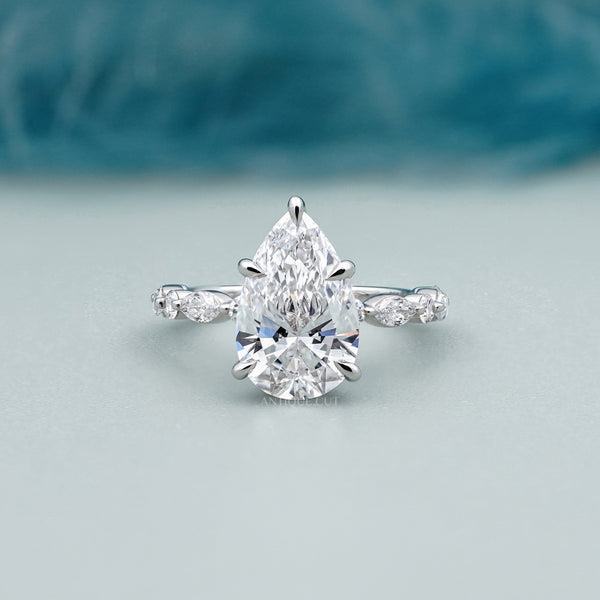
Pear-shaped diamonds combine the brilliance of a round diamond with the lengthening effect of a marquise. The teardrop shape creates excellent finger coverage while maintaining plenty of sparkle. Many buyers choose pear cuts because they offer a unique balance between elegance and visual size.
The pointed end naturally extends the appearance of the stone, making it look larger than many traditional cuts. Depending on the proportions, a pear diamond can appear noticeably bigger than a round diamond of the same weight while still delivering impressive brilliance.
Pear diamonds also work beautifully in both classic solitaire settings and modern hidden halo designs, making them versatile for a wide range of engagement ring styles.
Oval Cut Diamond
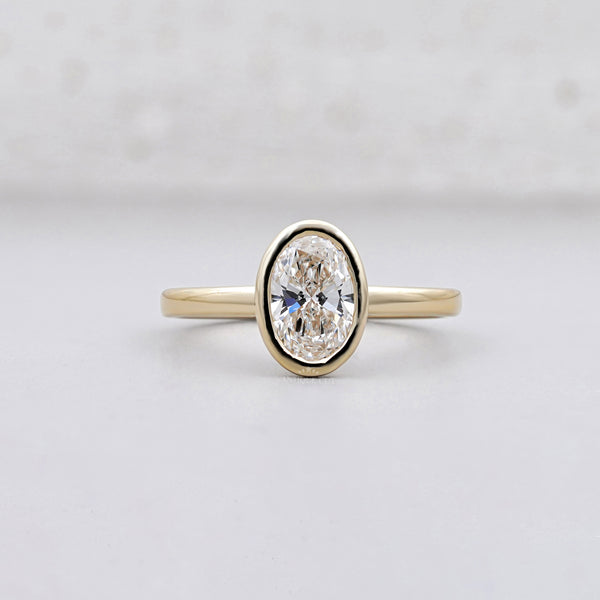
Oval diamonds have become one of the most requested engagement ring shapes for good reason. They consistently appear larger than round diamonds while still offering excellent sparkle. Experts frequently estimate that an oval can look around 10% to 15% larger than a round diamond of the same carat weight.
Their elongated shape creates strong finger coverage without appearing overly dramatic. Many buyers see oval diamonds as the perfect middle ground between size and brilliance. The shape also flatters almost every finger type, which helps explain its growing popularity.
If you're looking for a diamond that feels modern, elegant, and visually substantial, oval diamonds remain one of the safest choices available.
Emerald Cut Diamond
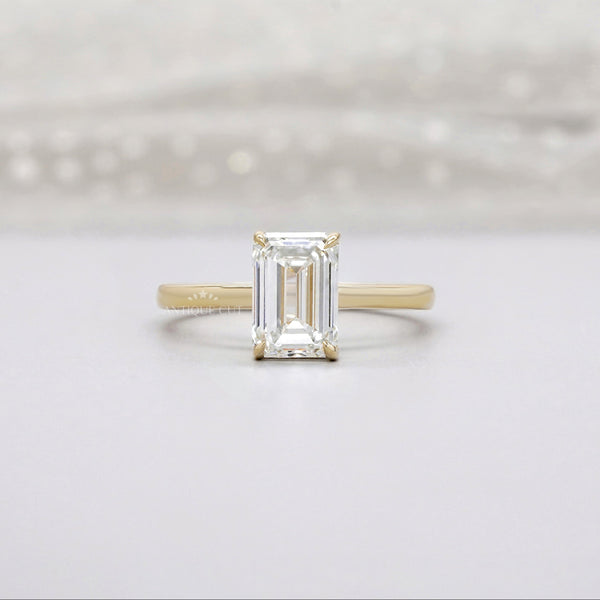
Emerald cut diamonds offer a different kind of beauty. Instead of maximizing sparkle through brilliant facets, they showcase broad step-cut facets and a large open table. This wide surface area often makes emerald diamonds appear larger than many square or cushion cuts.
The rectangular shape creates a clean and sophisticated appearance. Because the facets are more transparent, clarity becomes especially important. Every inclusion tends to be more visible compared to brilliant-cut diamonds.
While emerald cuts don't sparkle as intensely as round brilliants, their large face-up appearance gives them a luxurious presence that many buyers love.
Round Brilliant Diamond
The round brilliant remains the most popular diamond shape in the world. Although it doesn't look as large as marquise or oval cuts at the same carat weight, it continues to dominate because of its unmatched sparkle.
The round brilliant's 58-facet structure is specifically designed to maximize light return. Every angle works together to create exceptional brilliance, fire, and scintillation. While some weight sits deeper in the stone, reducing face-up size slightly, the incredible sparkle often makes the diamond feel visually larger in bright lighting.
For buyers who prioritize brilliance above all else, round brilliant diamonds remain difficult to beat.
Which Diamond Shape Looks Biggest for Carat Size?
When comparing equal carat weights, marquise diamonds generally appear the largest. Oval and pear shapes follow closely behind, with emerald cuts also performing well due to their larger visible tables. Round diamonds tend to appear smaller because more weight is retained in depth for light performance.
A simple way to think about it is this: elongated shapes stretch the same weight across a larger visual footprint. That means a one-carat oval or marquise can sometimes look closer to a larger round diamond on the finger. Buyers exploring pear shaped diamond engagement rings often appreciate this effect because the elongated silhouette can create a larger visual presence than some other shapes of the same carat weight. Buyers looking for maximum visual impact often prioritize millimeter measurements instead of focusing only on carat weight.
This is especially useful when shopping within a specific budget. Instead of increasing carat size and spending thousands more, choosing the right shape can create a larger appearance without dramatically increasing cost.
What Diamond Cut Looks the Biggest Compared to Round Diamonds?
Round diamonds are the benchmark because they're so popular. When comparing other shapes directly against rounds, marquise diamonds usually provide the biggest difference in visible size. Oval and pear shapes also outperform rounds in terms of face-up appearance.
The reason is simple. Round diamonds dedicate more of their weight to depth and precise facet alignment for maximum brilliance. Shapes like marquise and oval spread that weight outward instead. The result is greater finger coverage and a larger visual footprint.
Many shoppers who initially want a round diamond eventually choose an oval because it offers a similar elegant appearance while looking noticeably larger. Others prefer marquise because it delivers the most dramatic size advantage available.
Diamond Shapes Ranked by Visual Size
The following table provides a simple comparison of how popular diamond shapes perform when it comes to perceived size, sparkle, and ideal use.
| Diamond Shape | Appears Larger Than Actual Carat Weight? | Sparkle Level | Best For |
|---|---|---|---|
| Marquise | Excellent | High | Maximum finger coverage |
| Oval | Excellent | High | Balance of size and sparkle |
| Pear | Very Good | High | Elegant elongated look |
| Emerald | Good | Moderate | Sophisticated appearance |
| Radiant | Good | Very High | Sparkle with larger appearance |
| Round Brilliant | Moderate | Exceptional | Maximum brilliance |
| Cushion | Slightly Less | High | Soft romantic look |
| Princess | Slightly Less | High | Modern geometric style |
This ranking aligns with current diamond industry observations where elongated cuts consistently appear larger than their actual weight suggests.
How Setting Styles Can Make a Diamond Look Bigger
The setting you choose can dramatically influence how large a diamond appears. Even a modest-sized stone can look significantly bigger with the right design choices.
Halo settings surround the center diamond with smaller accent diamonds, creating the illusion of a larger center stone. This remains one of the most effective techniques for maximizing visual impact.
Cathedral settings lift the diamond higher above the band, allowing more light exposure and drawing attention toward the center stone. Thin bands create contrast that makes the diamond appear larger by comparison. Hidden halos add sparkle beneath the center stone without overwhelming the design, while carefully chosen prongs can minimize metal visibility and showcase more of the diamond itself.
Many customers shopping with brands such as Antiquecut often discover that setting design can influence appearance almost as much as the diamond shape itself.
Choosing the Right Shape for Your Finger Type
Finger shape matters more than many people realize. A diamond that looks incredible on one hand may create a completely different effect on another.
For short fingers, elongated shapes like marquise, oval, and pear diamonds help create a lengthening effect. These shapes visually stretch the finger and often feel more balanced. For long fingers, almost any shape works well, allowing buyers to focus primarily on personal style preferences.
Slim fingers can beautifully showcase oval, pear, and round diamonds without appearing overwhelmed. Wider fingers often benefit from larger face-up shapes, such as marquise or elongated radiant cuts that provide stronger finger coverage.
Trying different shapes in person remains one of the best ways to determine which style complements your hand most naturally.
Expert Tips to Maximize Size and Sparkle
If you want the best possible combination of visual size and brilliance, focus on these strategies:
- Choose elongated shapes such as oval, pear, or marquise.
- Prioritize excellent cut quality over slightly higher carat weight.
- Consider a thin band for stronger contrast.
- Explore hidden halo or halo settings.
- Pay attention to millimeter measurements, not just carat weight.
- Avoid overly deep diamonds that hide weight below the setting.
The sweet spot for many buyers is often an oval diamond with an excellent cut. It delivers impressive sparkle while appearing larger than a round diamond of equal weight. That's why it continues to be one of the most recommended engagement ring choices today.
Final Thoughts
When people ask which diamond shape looks biggest, the answer is usually marquise, followed closely by oval and pear diamonds. These elongated shapes maximize face-up size, create exceptional finger coverage, and often appear larger than their actual carat weight. If visual size is your top priority, they're difficult to beat.
If sparkle matters most, round brilliant diamonds remain the undisputed leader thanks to their unmatched light performance. Buyers who want a balance between size and brilliance often find themselves drawn toward oval diamonds because they combine the best of both worlds.
The ideal choice ultimately depends on your priorities. Some shoppers want maximum finger coverage, while others care more about brilliance or overall style. Understanding how shape affects both size and sparkle allows you to choose confidently and find a diamond that looks beautiful every time you glance at your hand.
FAQs
Q. Which diamond shape looks biggest?
Marquise diamonds generally look the biggest because their elongated shape and pointed ends create exceptional finger coverage and visual size
Q. Which diamond shape looks the biggest for carat size?
Marquise, oval, and pear diamonds typically provide the largest face-up appearance relative to their carat weight.
Q. What diamond shape looks the largest?
The marquise cut is usually considered the largest-looking diamond shape due to its stretched proportions and wide surface area.
Q. What diamond cut looks the biggest?
Among popular cuts, marquise diamonds usually appear the biggest, followed by oval and pear shapes.
Q. Does an oval diamond look bigger than a round diamond?
Yes. Oval diamonds often appear around 10% to 15% larger than round diamonds of the same carat weight because of their elongated shape.
Q. Does a marquise diamond appear larger than its carat weight?
Yes. Marquise diamonds are widely known for appearing larger than their actual weight due to their length and face-up spread.
Q. Which diamond shape sparkles the most?
Round brilliant diamonds offer the highest level of sparkle because their facets are optimized for maximum light return.
Q. What setting makes a diamond look bigger?
Halo settings, thin bands, cathedral settings, and hidden halos can all help create a larger visual appearance.
Q. Is a pear-shaped diamond good for small fingers?
Yes. Pear diamonds create a lengthening effect that often flatters smaller hands and shorter fingers beautifully.
Q. Which diamond shape offers the best balance of size and sparkle?
Oval diamonds are often considered the best compromise because they appear larger than round diamonds while still delivering excellent brilliance.


