


When it comes to tiny accessories that carry big meaning, baby diamond earrings stand out uniquely. These delicate pieces are not just jewelry; they’re often a child’s first introduction to something precious, something lasting. Whether it’s a gift from parents, grandparents, or a thoughtful gesture for a special occasion, these earrings quietly hold emotional value that grows over time.
What makes them even more appealing today is how thoughtfully they’re designed. Unlike adult jewelry, baby earrings are created with comfort, safety, and simplicity in mind. You’re not just choosing something that looks good, you’re choosing something that feels right for sensitive skin and small ears. That’s where the balance becomes important.
Interestingly, the demand for smaller, everyday diamond jewelry has grown significantly in recent years. With trends shifting toward minimal and practical designs, even adults are embracing the subtle charm of smaller diamonds. This naturally influences how baby jewelry is designed, clean, safe, and meaningful, without being overwhelming.
If you’re considering buying diamond baby earrings, you’re probably wondering: What size is safe? Are lab diamonds a good choice? How much should you spend? This guide will walk you through everything you need to know in a simple, honest, and practical way.
Why Baby Diamond Earrings Are So Popular Today
Rising Demand for Minimal Jewelry
There’s been a clear shift in how people view jewelry. Big, flashy pieces are no longer the default choice, especially for everyday wear. Instead, smaller, subtle designs are taking over, and baby earrings naturally fit into that trend.
Parents today prefer items that are easy to manage and comfortable for their child. Large earrings can feel heavy or unsafe, while tiny studs sit neatly without causing discomfort. That’s why baby diamond styles are becoming more common, not just for infants but even for toddlers and young children.
Influence of Lab Grown Diamond Trends
Another major factor driving popularity is the rise of lab grown diamond earrings. These diamonds are gaining attention for a few key reasons. First, they are physically and visually identical to natural diamonds. Second, they are significantly more affordable, often 20–40% less expensive than mined diamonds.
In fact, consumer interest is growing rapidly. Searches for lab-grown diamond earrings reach around 18,100 per month, showing how mainstream they’ve become. On top of that, around 68% of consumers prefer lab-grown diamonds for ethical and environmental reasons.
For parents, this means you can choose a beautiful, high-quality pair of earrings without overspending, something that makes practical sense when buying for a child.
How to Choose Baby Diamond Earrings
Choosing the right earrings might seem simple, but once you start exploring options, it can quickly feel overwhelming. The key is to focus on a few essentials rather than getting lost in technical details.
Understanding the 4Cs
Even for small diamonds, the 4Cs, cut, color, clarity, and carat, still matter. However, you don’t need perfection. Since baby earrings are tiny, minor imperfections are not visible to the naked eye. Prioritize a good cut for sparkle and a balanced color grade rather than chasing flawless clarity.
Choosing the Right Metal
The metal you choose plays a big role in comfort and safety. Babies have sensitive skin, so hypoallergenic options are essential. Gold (especially 14k or 18k) is a popular choice because it’s gentle and durable. Platinum is another safe option, though it tends to be more expensive.
Picking the Right Setting
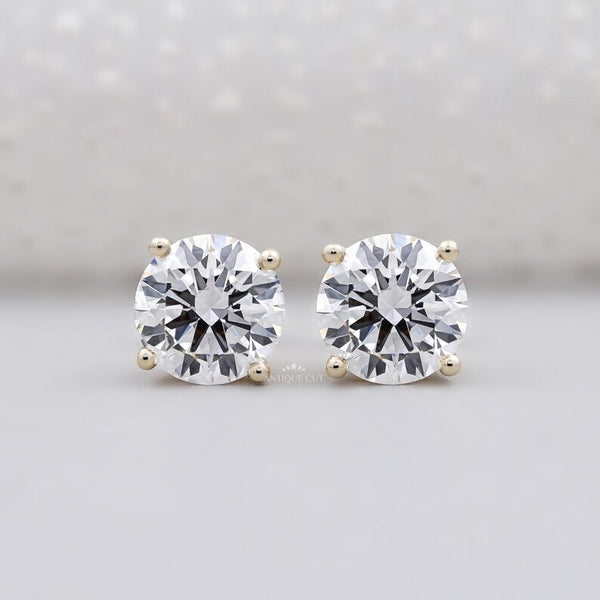
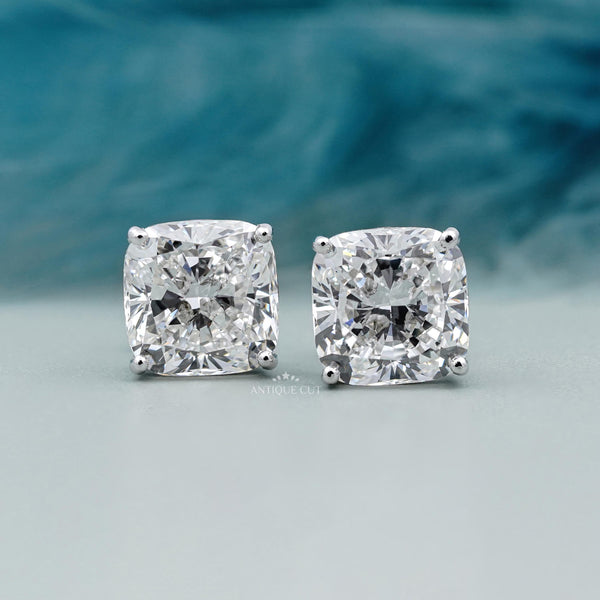
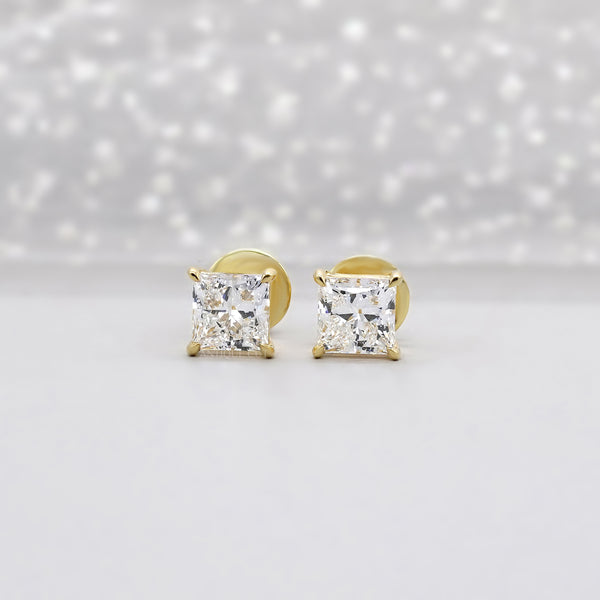
For babies, simple settings work best. Prong settings can sometimes catch on clothes, so bezel settings, where the diamond is surrounded by metal, are often safer. The smoother the design, the better.
Safety Considerations for Babies
Safety isn’t just important, it’s non-negotiable when it comes to baby jewelry.
Secure Backings
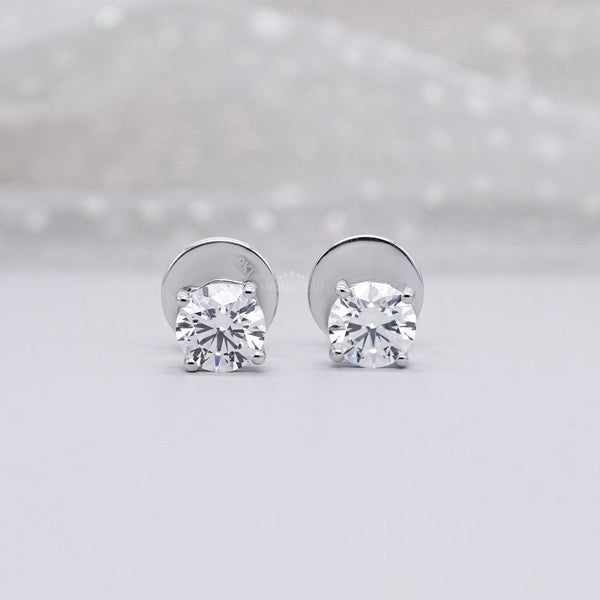
One of the most important features is the earring backing. Screw-back earrings are highly recommended because they stay in place and are harder for babies to remove. Push-back styles may be easier to handle but are less secure.
Hypoallergenic Materials
Always choose materials that won’t irritate the skin. Babies can react quickly to certain metals, so sticking with trusted options like gold or platinum is the safest approach.
It’s also a good idea to check the earrings regularly. Babies tend to move a lot, and even well-designed earrings can loosen over time.
Types of Baby Diamond Earrings
Natural Diamond Earrings
Natural diamonds are formed over millions of years and have a traditional appeal. Some parents prefer them because of their rarity and long-term value. However, they are usually more expensive.
Lab Grown Diamond Earrings
Lab diamond earrings offer the same sparkle and durability as natural diamonds but at a lower cost. They are created in controlled environments using advanced technology, making them more accessible for everyday buyers.
The growing popularity of lab diamonds isn’t just a trend; it's a shift in how people think about jewelry. With better pricing and similar quality, they’re becoming the go-to option for many families.
Stud vs Hoop Styles
Stud earrings are the most common choice for babies. They sit close to the ear and reduce the risk of getting caught on clothing. Hoops, while stylish, are usually better suited for older children.

Size Guide for Baby Diamond Earrings
Small Carat Options
When it comes to babies, smaller is always better. Most baby earrings range from 0.01 to 0.10 carats per diamond. These sizes are lightweight and comfortable, making them ideal for everyday wear.
Understanding 1 Carat Diamond Earrings in Context
You might come across 1-carat diamond earrings, but these are typically designed for adults. For a baby, that size would feel heavy and impractical. Instead, think of baby earrings as miniature versions, subtle but still meaningful.
Price Comparison: Natural vs Lab Diamonds
| Type | Average Price Range | Key Advantage | Best For |
|---|---|---|---|
| Natural Diamonds | Higher (premium pricing) | Traditional value | Long-term investment |
| Lab Diamonds | 20–40% cheaper | Affordable & ethical | Everyday wear |
| Small Baby Diamonds | Budget-friendly | Lightweight & practical | Babies & toddlers |
Lab grown diamonds also offer more flexibility in size and quality for the same budget. This means you can choose a slightly better diamond without increasing your spending.
Styling and Gifting Ideas
Baby earrings may be small, but they carry emotional weight. They’re often gifted during milestones like birthdays, naming ceremonies, or family celebrations.
Some parents prefer classic round studs, while others choose heart or floral shapes for a softer look. The beauty of these earrings is that they don’t need to be complicated to feel special.
If you’re looking for a thoughtful gift, consider pairing the earrings with a keepsake box or a handwritten note. It adds a personal touch, making the gift even more meaningful.
You can also explore trusted platforms like Antiquecut, where carefully designed pieces focus on both quality and comfort.
Care and Maintenance Tips
Even small diamond earrings need proper care. The good news is that maintaining them isn’t complicated.
Clean the earrings gently using mild soap and warm water. Avoid harsh chemicals, as they can damage both the metal and the diamond. Dry them with a soft cloth before storing them safely.
It’s also important to check the settings regularly. Since babies move a lot, earrings can loosen over time. A quick check every few weeks can prevent accidental loss.
Conclusion
Choosing baby diamond earrings isn’t just about picking something pretty; it’s about finding the right balance between safety, comfort, and value. With so many options available today, especially with the rise of lab grown diamond earrings, it’s easier than ever to find something that fits your needs without overcomplicating the decision.
The key is to keep things simple. Focus on secure designs, gentle materials, and sizes that suit a baby’s delicate features. Whether you go for natural diamonds or lab-created ones, what matters most is how well the earrings fit into your child’s everyday life.
At the end of the day, these tiny pieces often become lasting memories. And sometimes, it’s the smallest details that truly make the biggest difference.
Design Your Own Jewelry with Antiquecut
FAQs
1. Are baby diamond earrings safe for new borns?
Yes, if they are designed with secure backings and hypoallergenic materials.
2. What size is best for baby diamond earrings?
Typically, between 0.01 and 0.10 carats per diamond.
3. Are lab grown diamond earrings real diamonds?
Yes, they have the same physical and chemical properties as natural diamonds.
4. How much should I spend on baby earrings?
It depends on your budget, but lab diamonds offer a more affordable option.
5. Can babies wear diamond earrings every day?
Yes, as long as they are comfortable and regularly checked for safety.
6. What type of backing is safest for babies?
Screw-back earrings are considered the safest.
7. Do baby diamond earrings lose their shine?
No, diamonds retain their shine if cleaned properly.
8. Are natural diamonds better than lab diamonds?
Both are good; the choice depends on your preference and budget.
9. When should a baby start wearing earrings?
This depends on cultural practices and parental preference.
10. How do I clean baby diamond earrings?
Use mild soap, warm water, and a soft cloth for gentle cleaning.


